English
  русский
  中文简体
中文简体 
Request a Quote

Industry News
 Home / Recent News / Industry News / Food Freeze Drying Equipment Manufacturers: What Separates the Good From the Overpriced
  2026.07.02
 Industry News
The manufacturers worth shortlisting are the ones that publish real vacuum-level and shelf-temperature specifications, offer batch trial runs before purchase, and provide regional service coverage — not the ones with the lowest sticker price. Equipment priced 20-30% below market average almost always cuts corners on condenser capacity or vacuum pump quality, which directly shortens product shelf life and increases energy cost per batch.
Freeze drying works by removing moisture from frozen food through sublimation under vacuum, and the entire process lives or dies on three mechanical systems: the vacuum pump, the condenser, and the shelf heating system. A manufacturer's marketing claims mean little if these three components aren't matched to each other correctly. An undersized condenser paired with an oversized shelf area, for example, causes ice to migrate back into the chamber mid-cycle, extending drying time by 15-40% and increasing energy costs proportionally.
Buyers who compare manufacturers purely on unit price tend to underestimate lifetime operating cost. A freeze dryer with a poorly matched vacuum pump can consume 30-50% more electricity per kilogram of finished product than a properly engineered unit of the same chamber size.
Manufacturers generally build equipment across three distinct scale tiers, and confusing them is the single most common purchasing mistake among new producers.
| Scale Tier | Chamber Capacity | Typical Cost Range | Best Suited For |
| Lab / Bench | 2 – 10 liters | $3,000 – $15,000 | Product testing, R&D, small recipe validation |
| Pilot / Small Batch | 20 – 100 kg per batch | $20,000 – $80,000 | Farmers markets, small brands, co-packing trials |
| Industrial | 200 – 2,000+ kg per batch | $150,000 – $1,000,000+ | Large-scale food brands, contract manufacturers |
A common mistake is purchasing pilot-scale equipment with the intention of scaling later, without checking whether the manufacturer offers a compatible upgrade path. Switching manufacturers mid-scale-up often means re-validating shelf-life data and drying curves from scratch, which can add three to six months to a product launch timeline.
Not all manufacturers serve the food industry the same way — some come from pharmaceutical or industrial freeze-drying backgrounds and adapt equipment for food use, while others build specifically for food producers from the ground up. The distinction matters because food-grade requirements around sanitation, contact-surface materials, and cleaning-in-place systems differ significantly from pharmaceutical standards.
Manufacturers that regularly serve food producers should be able to supply documentation covering food-contact material certification, electrical safety compliance for the target market, and validated drying curves for common product categories such as fruits, meats, and prepared meals. If a manufacturer cannot provide sample drying curve data on request, that's a meaningful red flag.
Freeze dryers are mechanically complex, and downtime is expensive — a stalled batch mid-cycle can mean total product loss. Questions worth asking before purchase include:
Reputable manufacturers with pilot facilities will run a sample batch of the buyer's actual product before the sale closes, producing real data on cycle time, moisture content, and rehydration quality. Buyers who skip this step and rely only on catalog specifications report a noticeably higher rate of post-purchase disappointment, particularly around cycle times running longer than advertised for water-dense products like fruit purees or sauces.
The vacuum pump is often the most expensive component to maintain over the equipment's lifespan, and manufacturers differ meaningfully in which type they install by default.
| Pump Type | Maintenance Interval | Contamination Risk | Relative Cost |
| Oil-Sealed Rotary Vane | Oil change every 500–1000 hrs | Low, if maintained on schedule | Lower upfront cost |
| Oil-Free / Dry Scroll | Minimal, mostly seal replacement | Very low, food-safe by design | 30–60% higher upfront cost |
Oil-free systems have become increasingly common among manufacturers targeting food producers specifically, since they eliminate the risk of oil vapor migrating into the drying chamber over hundreds of cycles — a real concern for products marketed as clean-label or organic.
Modern industrial units increasingly offer programmable logic controller (PLC) automation that manages shelf temperature ramping, vacuum staging, and end-point detection without manual monitoring. Facilities running manual or semi-automated older equipment typically require a technician to check the unit every 2-4 hours throughout an 18-36 hour cycle, while fully automated systems can run unattended overnight with alert notifications for anomalies.
Over a year of continuous production, the labor savings from full automation can offset a meaningful portion of the higher purchase price, particularly for operations running multiple simultaneous batches. Facilities producing three or more batches weekly tend to reach payback on automated systems within 18-30 months compared to manually monitored equivalents.
Equipment sourced from different manufacturing regions tends to vary in a few consistent, practical ways:
A short, direct checklist tends to filter out underqualified manufacturers quickly:
Manufacturers confident in their equipment rarely hesitate to answer these directly. Vague or deflected answers to any of these five questions is generally a stronger warning sign than any single spec sheet number.


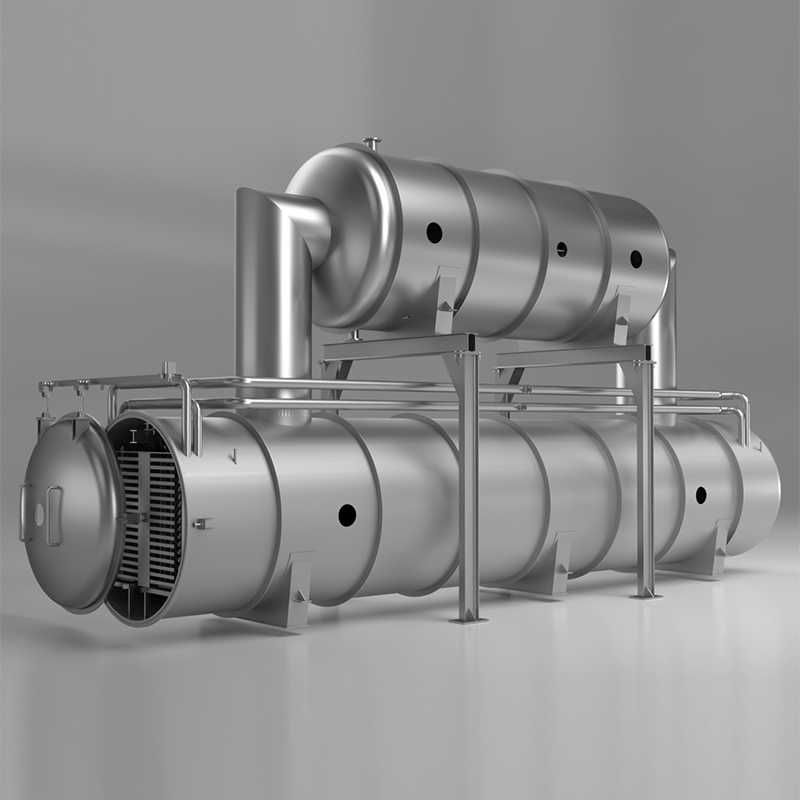
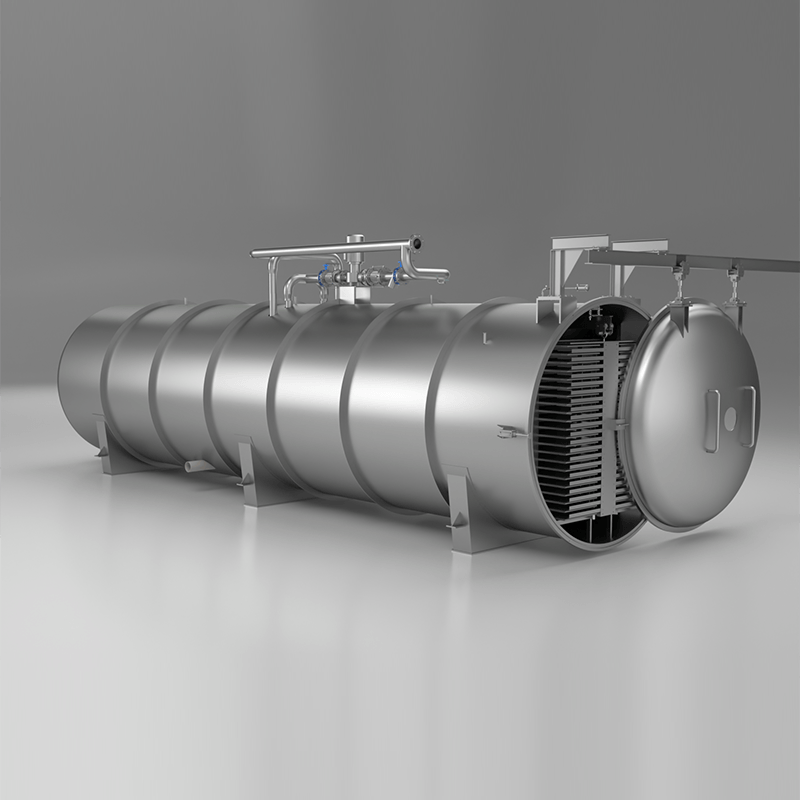
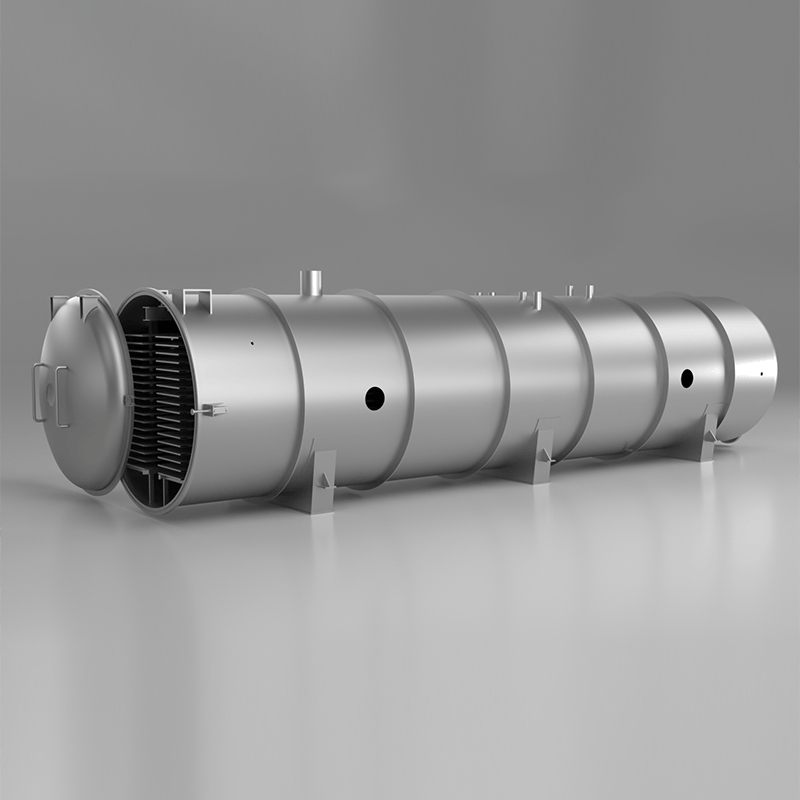
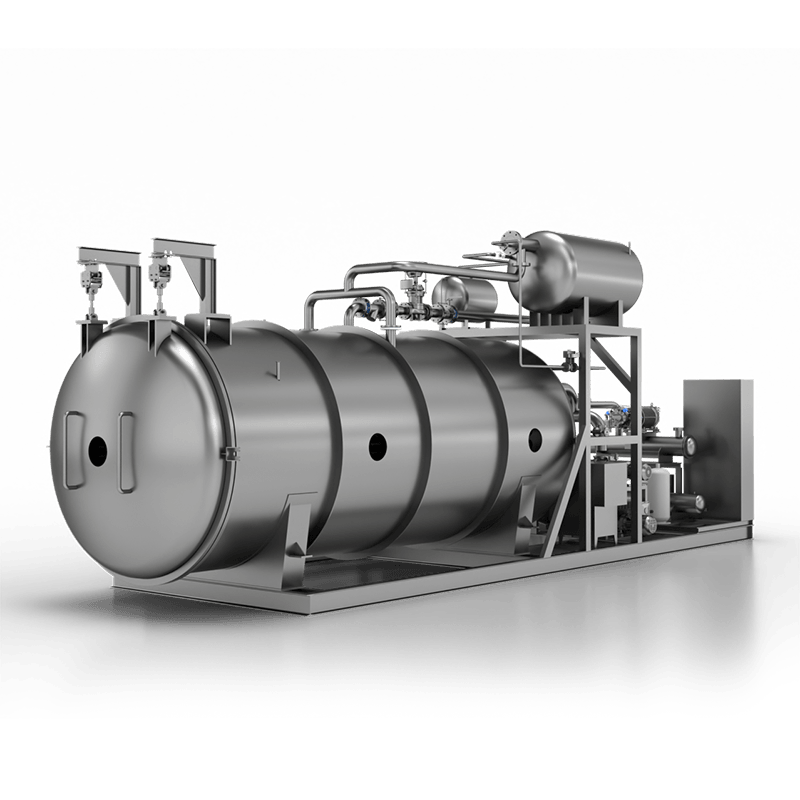
Sieno's whole series of freeze-drying equipment, covering the experimental research to the industrial scale, is energy efficient, stable, and reliable, with flexible customization as the core, to production, optimization of process, and multiple fields with green manufacturing solutions.
Sieno, based on the research of intelligent freeze-dried food, provides with custom process for the whole chain of freeze-dried technology support (including pretreatment, freeze-dried, and packaging), helping enterprises realize multiple improvements in efficiency, quality, and environmental protection.
Equiment & Soiution
Food Industry Pharmaceuticals Industry Agricultural Industry Pet Industry Beauty Care Industry Chemical Engineering & Laboratory Environmental Protection & Circular EconomyContact Info.
 +86 18068757376
  bolaike@jsblk.com
  Zhenglu Town, Tianning District, Changzhou City, Jiangsu Province, China
Follow Us
Copyright ©
Sieno Freeze-drying Technology Research Institute (Jiangsu) Co., Ltd
All Rights
Reserved
Custom One-Stop Freeze Drying Equipment Suppliers