English
  русский
  中文简体
中文简体 
Request a Quote

Industry News
 Home / Recent News / Industry News / How exactly is the intelligent freeze-drying solution "intelligent"?
  2026.02.05
 Industry News
Freeze drying, also known as lyophilization, has long been used in pharmaceuticals, food processing, biotechnology, and advanced materials. Traditional freeze drying systems rely heavily on preset parameters, operator experience, and manual intervention. As product complexity increases and quality requirements become more demanding, conventional control methods face challenges in consistency, traceability, and efficiency. The emergence of the intelligent freeze drying solution is a response to these challenges, integrating automation, data analysis, and adaptive control into the freeze drying process.
An intelligent freeze drying solution is not defined by a single function or device. Instead, it represents a systematic upgrade of the freeze drying system, combining hardware, software, sensors, and control logic. The goal is to enable the system to monitor itself, analyze process data, adjust parameters dynamically, and provide operators with actionable insights rather than raw data.
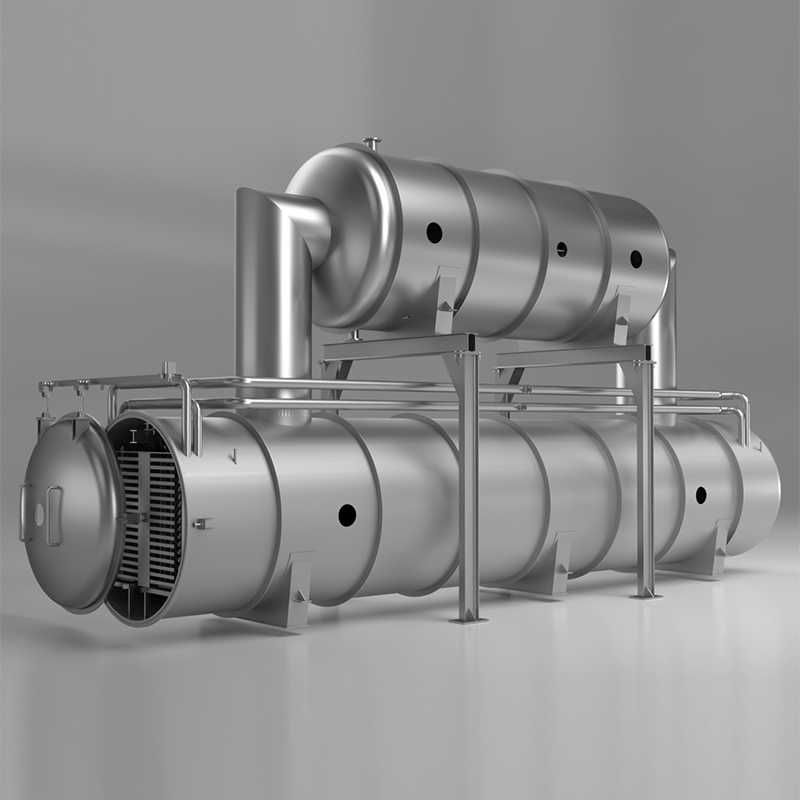
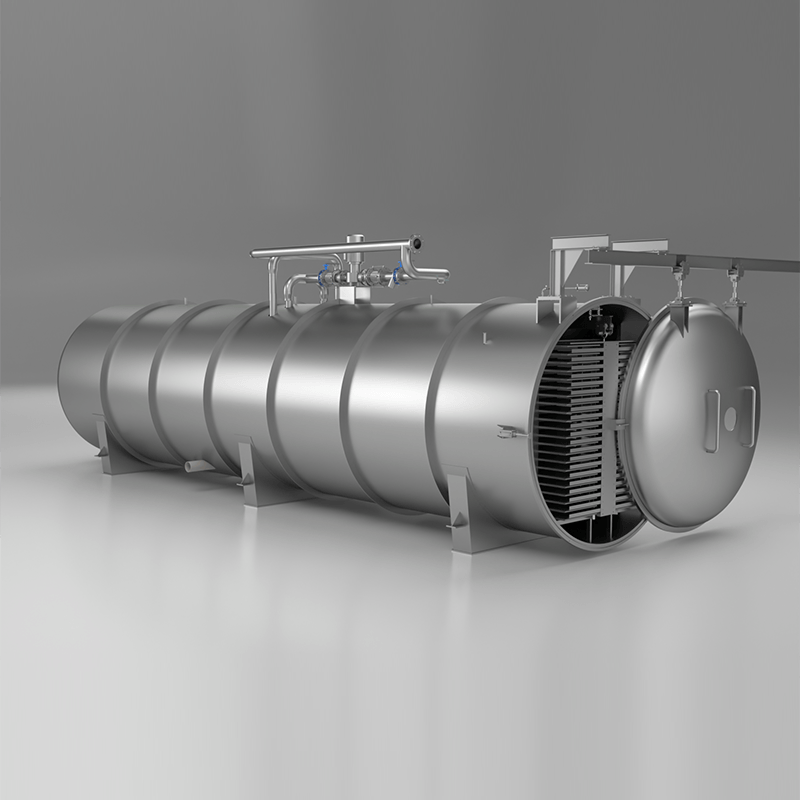
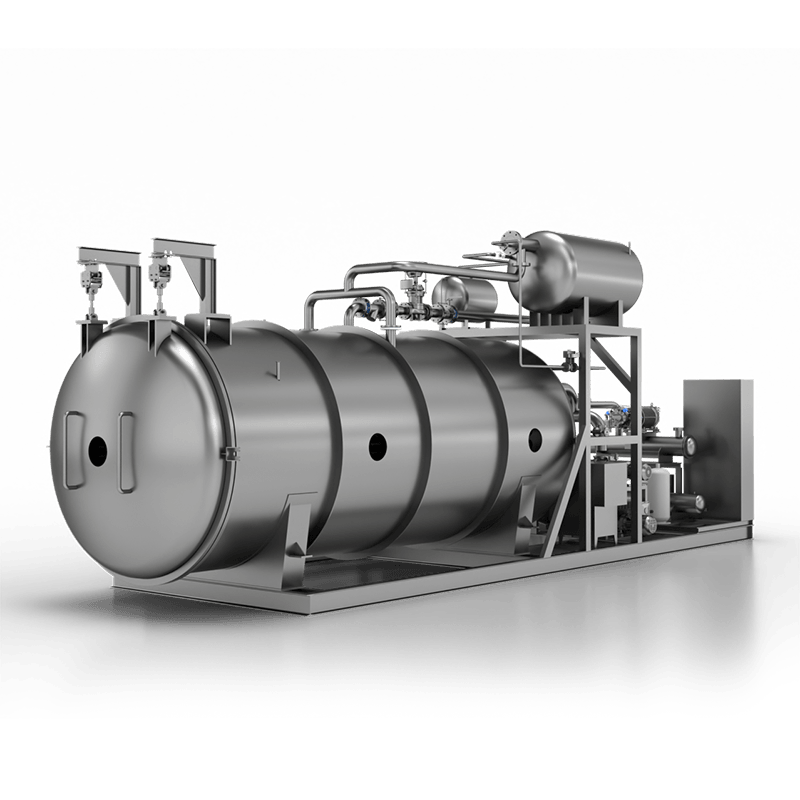
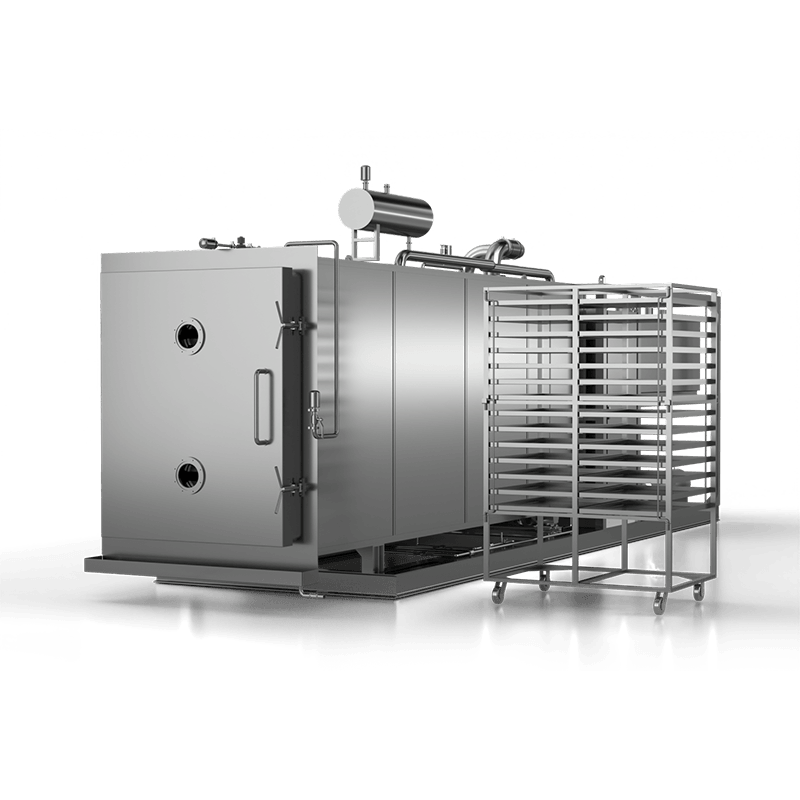
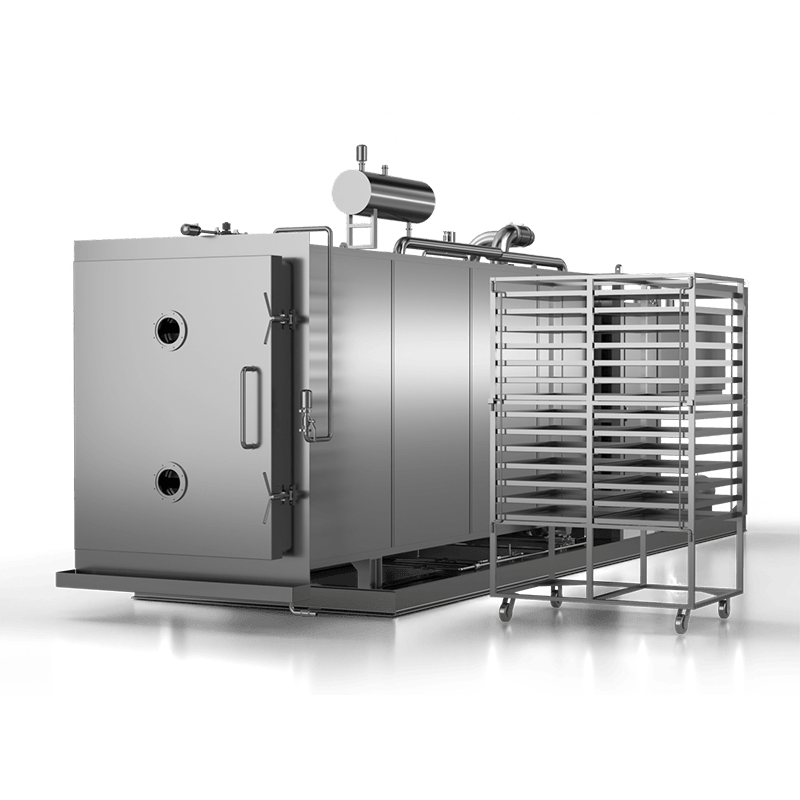
The foundation of intelligence lies in the architecture of the freeze drying system. An integrated freeze drying system typically consists of a vacuum chamber, refrigeration unit, heating shelves, vacuum pumps, condensers, and a control unit. In an intelligent configuration, each of these components is equipped with sensors and connected through a unified control platform.
Temperature sensors monitor product temperature, shelf temperature, and condenser temperature in real time. Pressure sensors track chamber pressure with high resolution. Flow sensors and power sensors provide additional information about system performance. All these data streams are collected and processed by an industrial controller or embedded computing unit, forming the basis for intelligent decision-making.
One of the defining characteristics of an intelligent freeze drying solution is real-time monitoring. Unlike conventional systems that display limited parameters, intelligent systems collect comprehensive data throughout the entire process, including freezing, primary drying, and secondary drying stages.
Continuous data acquisition allows the system to detect subtle changes in thermal behavior, sublimation rates, and pressure stability. These changes often indicate critical process events such as the completion of ice sublimation or the onset of product overheating. By identifying these signals early, the system can respond before quality deviations occur.
Intelligence in freeze drying becomes most visible in adaptive control. Instead of following fixed recipes, the intelligent freeze drying system adjusts parameters based on real-time feedback. Shelf temperature, chamber pressure, and heating rates are modified dynamically to match the actual state of the product.
For example, during primary drying, the system can increase shelf temperature when sublimation is stable and reduce it when product temperature approaches critical limits. This adaptive behavior shortens drying time while maintaining product integrity. In secondary drying, moisture removal is optimized by adjusting temperature and pressure based on residual moisture indicators rather than predefined time settings.
Advanced intelligent freeze drying solutions incorporate mathematical models of heat and mass transfer. These models simulate product behavior under different conditions, allowing the system to predict how changes in parameters will affect the drying process.
Predictive control enables the system to anticipate process outcomes rather than react to them. By comparing real-time data with model predictions, the freeze drying system can identify deviations early and compensate accordingly. This approach reduces trial-and-error adjustments and improves batch-to-batch consistency.
In more advanced implementations, artificial intelligence algorithms are embedded into the freeze drying system. Machine learning models analyze historical batch data to identify patterns that are not easily detected through traditional analysis. Over time, the system learns how different products respond to specific drying conditions.
This learning capability allows the intelligent freeze drying solution to refine process strategies automatically. When a new batch is started, the system can suggest optimized parameters based on similar past runs. This reduces reliance on operator experience and supports faster scale-up and technology transfer.
Intelligence is also reflected in how information is presented to operators. Modern freeze drying systems use graphical interfaces that visualize trends, alarms, and process status in an intuitive manner. Instead of displaying raw numbers, the system highlights key indicators and potential risks.
Decision support functions guide operators through complex situations. For instance, when abnormal pressure fluctuations occur, the system can suggest possible causes such as leaks, condenser saturation, or product collapse risk. This interaction transforms the freeze drying system from a passive machine into an active process partner.
Data integrity and traceability are critical in regulated industries. An intelligent freeze drying solution automatically records all process parameters, alarms, and operator actions. These records are stored securely and can be reviewed for quality audits or process validation.
The integrated freeze drying system ensures that changes to recipes or setpoints are logged with timestamps and user identification. This level of documentation supports compliance with industry standards and internal quality management systems, while also providing valuable data for process improvement.
Energy consumption is a significant consideration in freeze drying operations. Intelligent systems monitor power usage of refrigeration units, heaters, and vacuum pumps in real time. By analyzing energy patterns, the system can adjust operating strategies to reduce unnecessary consumption.
For example, compressor cycling can be optimized based on actual cooling demand rather than fixed schedules. Heating power can be modulated to maintain stable product temperature without overshooting. These adjustments contribute to more efficient operation without compromising drying performance.
Another aspect of intelligence is fault detection. Sensors continuously monitor system health indicators such as pump performance, valve response times, and temperature stability. Deviations from normal operating ranges are detected early, allowing maintenance actions to be planned before failures occur.
This predictive maintenance approach reduces unplanned downtime and extends equipment lifespan. By integrating maintenance data into the freeze drying system, the intelligent freeze drying solution supports long-term operational reliability.
An intelligent freeze drying system is designed to integrate with broader manufacturing environments. Communication protocols allow data exchange with manufacturing execution systems, laboratory information systems, and quality management platforms.
This integration enables centralized monitoring of multiple freeze drying units and supports coordinated production planning. As production demands change, the integrated freeze drying system can scale its operation while maintaining consistent control logic across different equipment sizes.
| Aspect | Conventional Freeze Drying System | Intelligent Freeze Drying Solution |
| Process Control | Fixed recipes and manual adjustments | Adaptive control based on real-time data |
| Data Utilization | Limited parameter recording | Comprehensive data analysis and modeling |
| Operator Role | Experience-driven decision making | System-assisted decision support |
| Energy Management | Static operation strategy | Dynamic optimization based on demand |
The concept of intelligence is closely linked to integration. An integrated freeze drying system brings together mechanical components, control software, and data analytics into a unified framework. This integration ensures that information flows seamlessly between subsystems without delays or inconsistencies.
By eliminating isolated control loops, the system gains a holistic view of the process. This holistic perspective is essential for intelligent behavior, as decisions are made based on the overall process state rather than individual component performance.
The intelligent freeze drying solution is designed to accommodate a wide range of products, from heat-sensitive pharmaceuticals to porous food materials. Flexible control strategies allow the freeze drying system to adapt to different formulations, container types, and batch sizes.
This flexibility reduces the need for extensive hardware modifications when switching applications. Instead, intelligence is achieved through software configuration and data-driven optimization, making the system suitable for both research and large-scale production environments.


Sieno's whole series of freeze-drying equipment, covering the experimental research to the industrial scale, is energy efficient, stable, and reliable, with flexible customization as the core, to production, optimization of process, and multiple fields with green manufacturing solutions.
Sieno, based on the research of intelligent freeze-dried food, provides with custom process for the whole chain of freeze-dried technology support (including pretreatment, freeze-dried, and packaging), helping enterprises realize multiple improvements in efficiency, quality, and environmental protection.
Equiment & Soiution
Food Industry Pharmaceuticals Industry Agricultural Industry Pet Industry Beauty Care Industry Chemical Engineering & Laboratory Environmental Protection & Circular EconomyContact Info.
 +86 18068757376
  bolaike@jsblk.com
  Zhenglu Town, Tianning District, Changzhou City, Jiangsu Province, China
Follow Us
Copyright ©
Sieno Freeze-drying Technology Research Institute (Jiangsu) Co., Ltd
All Rights
Reserved
Custom One-Stop Freeze Drying Equipment Suppliers