English
  русский
  中文简体
中文简体 
Request a Quote

Industry News
 Home / Recent News / Industry News / Is a freeze-drying system suitable for freeze-drying heat-sensitive or active substances?
  2026.01.15
 Industry News
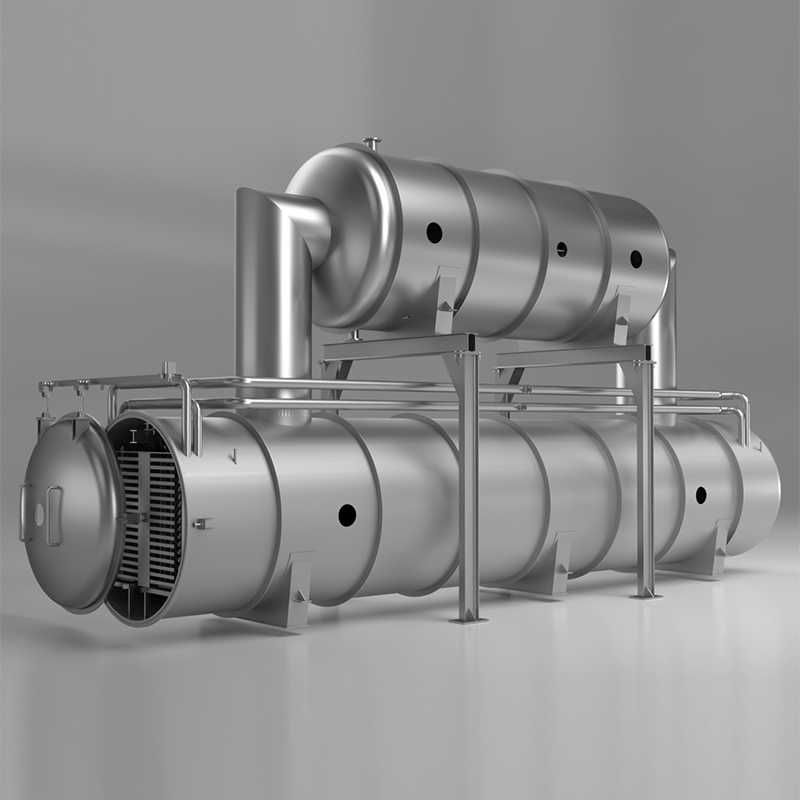
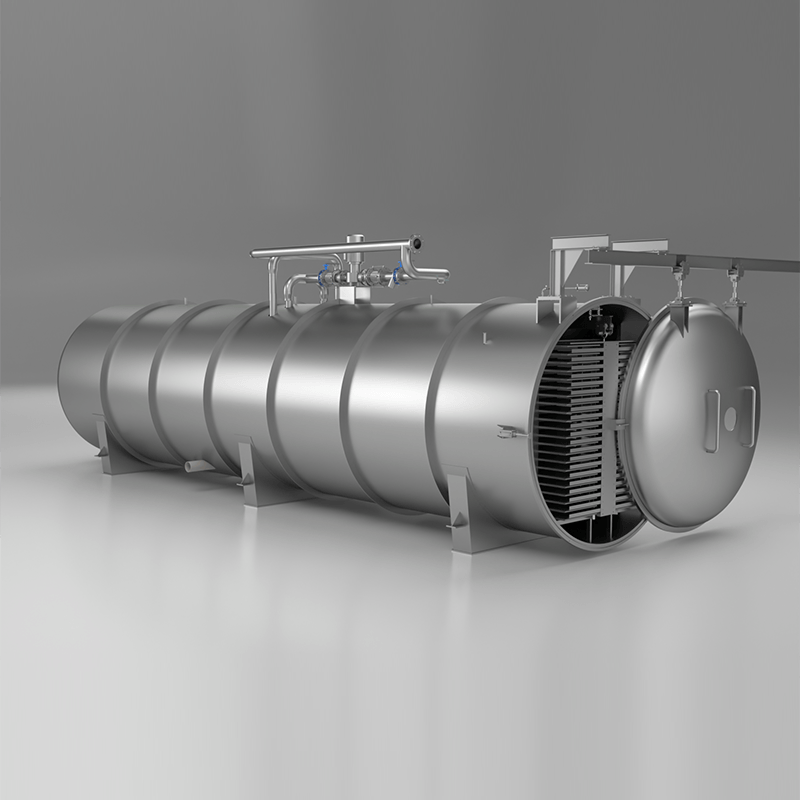
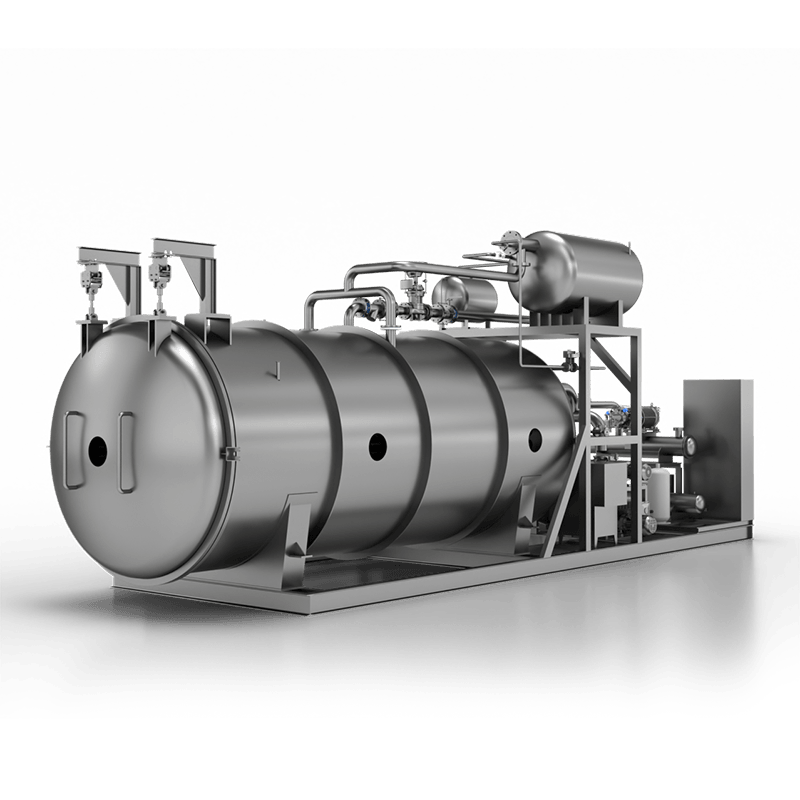
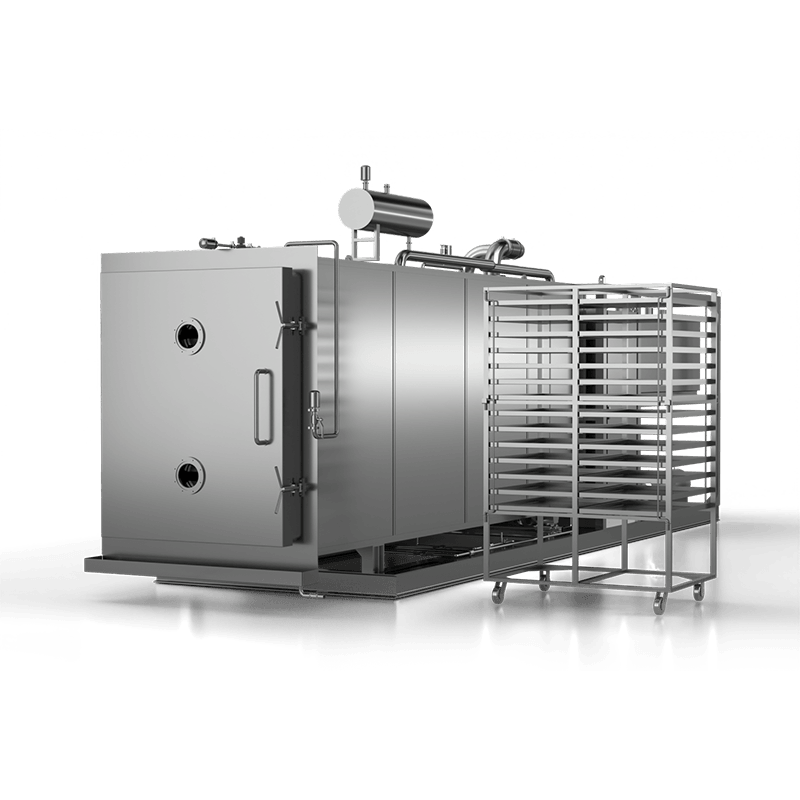
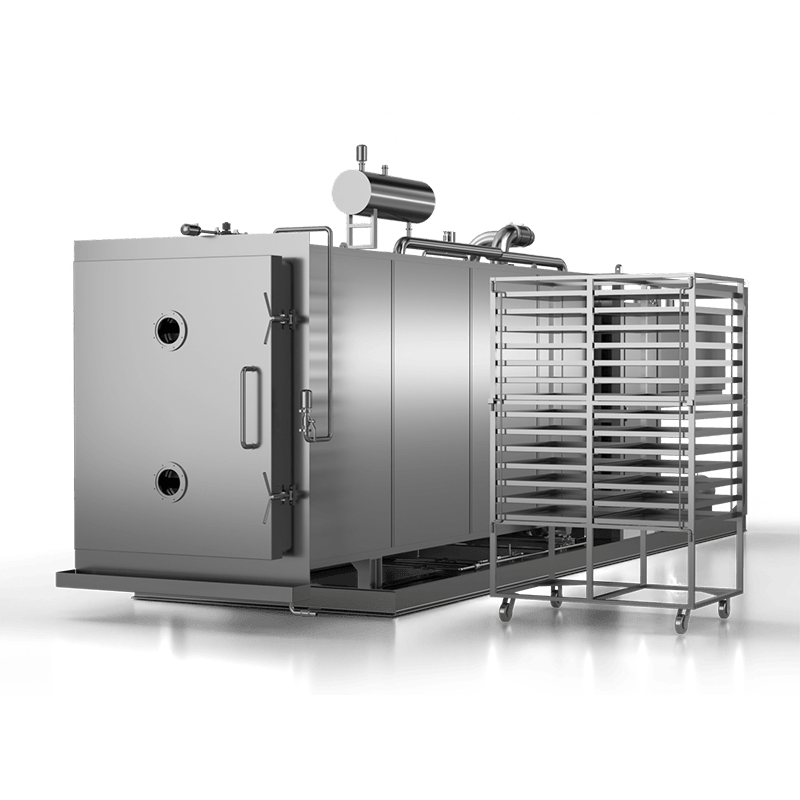
Freeze-drying, also known as lyophilization, is a preservation process that removes water from materials by sublimation under low temperature and vacuum conditions. Freeze-drying systems are widely used in pharmaceuticals, biotechnology, food, and nutraceutical industries to stabilize heat-sensitive or active substances. Modern technologies, such as intelligent freeze drying solutions and integrated freeze drying systems, have improved control over temperature, pressure, and process parameters, making freeze-drying a suitable option for delicate compounds that may degrade under conventional drying methods.
The primary advantage of freeze-drying systems for heat-sensitive substances lies in their low-temperature operation. Unlike traditional drying, which relies on evaporation at elevated temperatures, freeze-drying converts ice directly into vapor, bypassing the liquid phase. This process minimizes thermal stress and preserves the molecular structure, enzymatic activity, or bioactivity of sensitive compounds. Integrated freeze drying systems can precisely regulate temperature ramps and chamber pressure, reducing the risk of product degradation during both freezing and sublimation stages.
Active substances, such as proteins, enzymes, vitamins, and pharmaceutical compounds, often require preservation methods that maintain structural and functional integrity. Freeze-drying systems provide an environment that limits chemical reactions, oxidation, or denaturation, which can occur at higher temperatures. Intelligent freeze drying solutions often incorporate real-time monitoring and automated adjustments to ensure that the drying profile is tailored to the specific properties of the active substance, enhancing stability and extending shelf life without compromising efficacy.
Successful freeze-drying of heat-sensitive or active substances depends on precise control of freezing and sublimation stages. The freezing stage determines ice crystal size, which affects porosity and rehydration properties, while the sublimation stage removes water under controlled vacuum conditions. Modern freeze drying systems allow adjustable shelf temperatures, vacuum levels, and drying rates, enabling the accommodation of diverse substances with varying thermal and chemical sensitivities. This level of control helps maintain product quality and ensures reproducible results across batches.
Heat-sensitive substances can degrade or lose activity when exposed to elevated temperatures or mechanical stress. Freeze-drying systems mitigate these risks by operating at low temperatures and applying minimal mechanical forces. Integrated freeze drying systems often include shelf heating, vacuum-assisted drying, and uniform airflow to gently remove moisture while preserving delicate structures. Intelligent freeze drying solutions can detect temperature fluctuations or pressure deviations, allowing automatic correction to prevent localized overheating or collapse of sensitive products.
One of the key considerations for heat-sensitive and active substances is the maintenance of structural and functional properties. Freeze-drying systems preserve molecular conformation, crystallinity, and porosity, which are essential for solubility, bioactivity, and rehydration performance. For example, proteins and enzymes retain their catalytic activity, probiotics maintain viability, and vitamins preserve potency when processed under controlled freeze-drying conditions. This makes freeze-drying suitable for high-value or sensitive compounds that cannot tolerate conventional drying techniques.
| Aspect | Impact on Heat-Sensitive Substances | Impact on Active Substances |
|---|---|---|
| Low-temperature operation | Prevents thermal degradation and color changes | Maintains bioactivity and molecular integrity |
| Vacuum-assisted sublimation | Minimizes oxidation and chemical reactions | Reduces denaturation of enzymes and proteins |
| Controlled freezing rate | Optimizes ice crystal formation and porosity | Supports rapid rehydration and solubility retention |
| Automated monitoring | Prevents overheating or localized stress | Ensures reproducible activity retention |
| Integrated system design | Combines freezing, drying, and monitoring | Facilitates standardized and scalable processing |
Intelligent freeze drying solutions and integrated freeze drying systems are designed for scalability, allowing processes developed at laboratory scale to be reliably transferred to pilot or industrial production. This ensures that heat-sensitive and active substances maintain consistent quality regardless of batch size. Automated control and precise parameter settings reduce variability and improve reproducibility, which is essential in pharmaceutical and nutraceutical applications where product consistency is critical for regulatory compliance and consumer safety.
Freeze-drying systems are commonly used for preserving vaccines, injectable drugs, probiotics, plant extracts, and other bioactive compounds. Heat-sensitive drugs or compounds that degrade at moderate temperatures benefit from low-temperature lyophilization, which preserves chemical stability and efficacy. In nutraceuticals, vitamins, herbal extracts, and probiotics maintain potency and solubility when processed using an integrated freeze drying system. Intelligent freeze drying solutions further enhance process reliability by offering automated cycle adjustment based on real-time monitoring of product temperature and moisture content.
To ensure suitability for heat-sensitive or active substances, the choice of freeze-drying system should consider factors such as shelf temperature range, vacuum capacity, control precision, and system integration. Proper loading techniques, pre-freezing conditions, and cycle optimization are also critical for achieving desired product quality. Regular calibration and maintenance of the system support consistent operation, while careful formulation and packaging complement the freeze-drying process to preserve substance integrity over long-term storage.
Freeze-drying systems, particularly intelligent freeze drying solutions and integrated freeze drying systems, provide an effective method for processing heat-sensitive and active substances. By operating at low temperatures, controlling vacuum and sublimation parameters, and employing automated monitoring, these systems preserve structural, chemical, and functional properties of delicate compounds. This makes freeze-drying an appropriate and reliable preservation technique for pharmaceuticals, nutraceuticals, and other sensitive products that require careful handling to maintain stability, efficacy, and quality.


Sieno's whole series of freeze-drying equipment, covering the experimental research to the industrial scale, is energy efficient, stable, and reliable, with flexible customization as the core, to production, optimization of process, and multiple fields with green manufacturing solutions.
Sieno, based on the research of intelligent freeze-dried food, provides with custom process for the whole chain of freeze-dried technology support (including pretreatment, freeze-dried, and packaging), helping enterprises realize multiple improvements in efficiency, quality, and environmental protection.
Equiment & Soiution
Food Industry Pharmaceuticals Industry Agricultural Industry Pet Industry Beauty Care Industry Chemical Engineering & Laboratory Environmental Protection & Circular EconomyContact Info.
 +86 18068757376
  bolaike@jsblk.com
  Zhenglu Town, Tianning District, Changzhou City, Jiangsu Province, China
Follow Us
Copyright ©
Sieno Freeze-drying Technology Research Institute (Jiangsu) Co., Ltd
All Rights
Reserved
Custom One-Stop Freeze Drying Equipment Suppliers