English
  русский
  中文简体
中文简体 
Request a Quote

Industry News
 Home / Recent News / Industry News / Pet Food Freeze-Drying Equipment Powers Growth of Premium and Nutrient-Rich Pet Nutrition Market
  2026.04.16
 Industry News
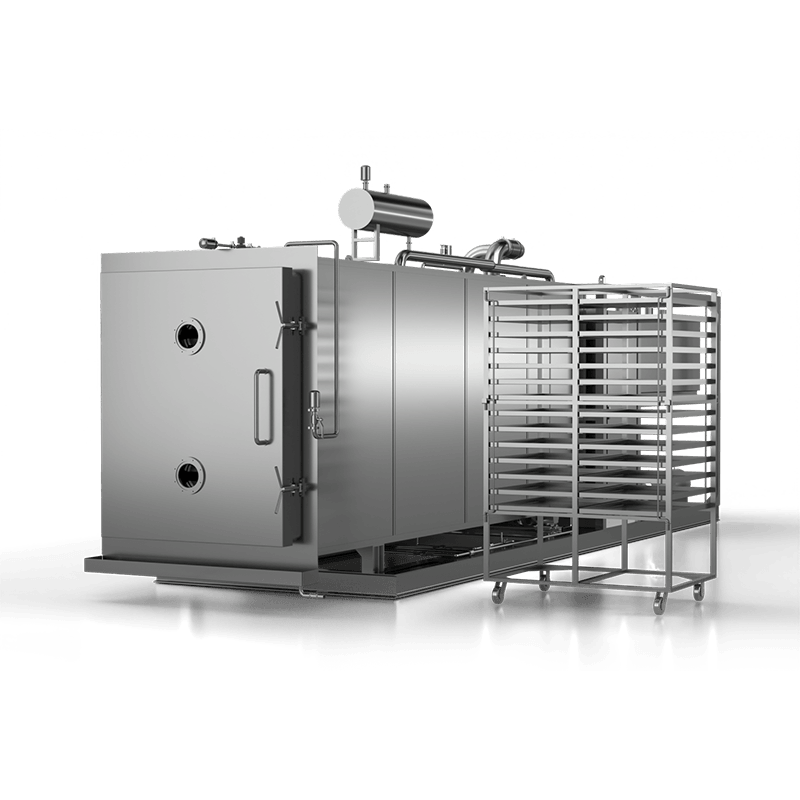
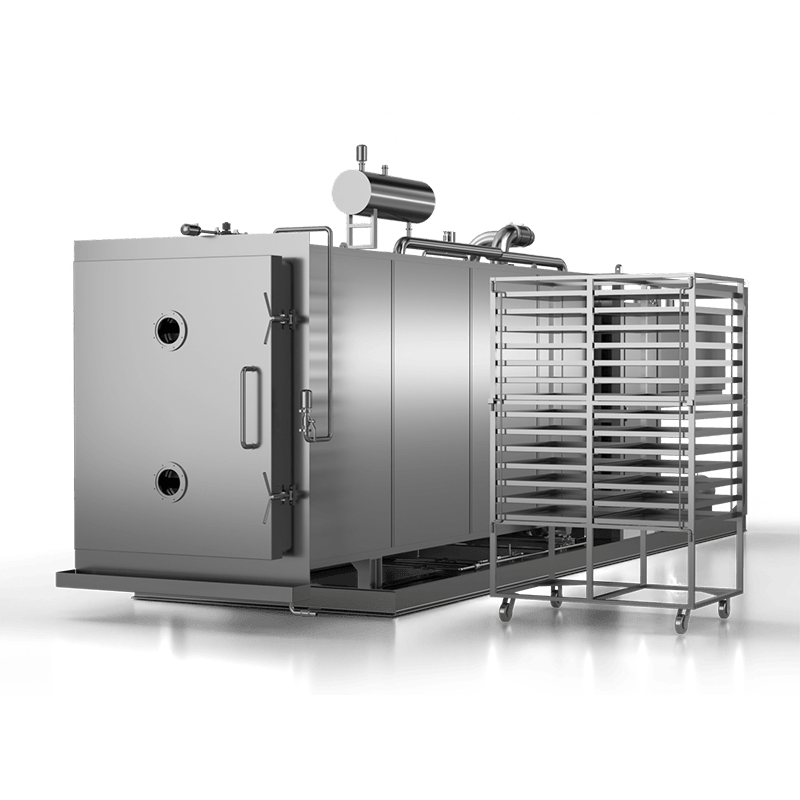
Pet food freeze-drying equipment allows manufacturers to preserve raw ingredients while maintaining up to 95–98% of their original nutrients, flavor, and structure. This process delivers high-quality pet food products with extended shelf life, minimal preservatives, and superior palatability compared to traditional drying methods.
As consumer demand shifts toward natural and minimally processed pet food, freeze-drying technology has become a key investment for manufacturers aiming to produce premium-grade products. It combines advanced vacuum technology with low-temperature dehydration to retain essential proteins, vitamins, and enzymes.
Freeze-drying, also known as lyophilization, removes moisture from food through sublimation rather than evaporation. This process occurs in three main stages:
Raw pet food ingredients are rapidly frozen at temperatures as low as -40°C to -50°C. This step preserves the cellular structure and prevents nutrient degradation.
Under vacuum conditions, ice transitions directly into vapor without becoming liquid. Approximately 90% of the moisture is removed during this phase.
Residual moisture is reduced to below 2–5%, ensuring product stability and long shelf life without refrigeration.
This precise process distinguishes freeze-drying from traditional dehydration methods, which rely on high heat and can degrade sensitive nutrients.
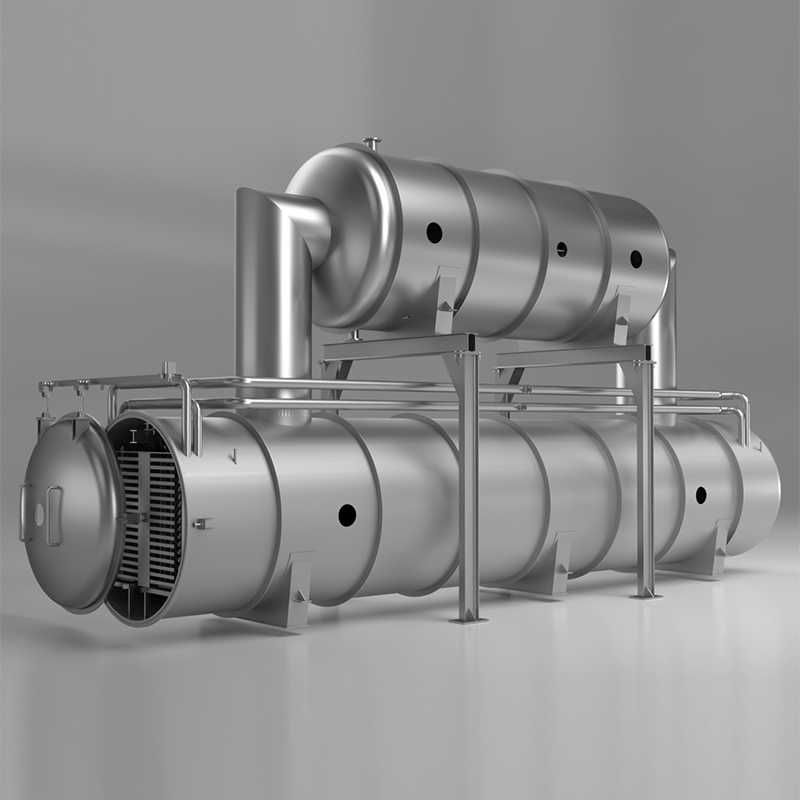
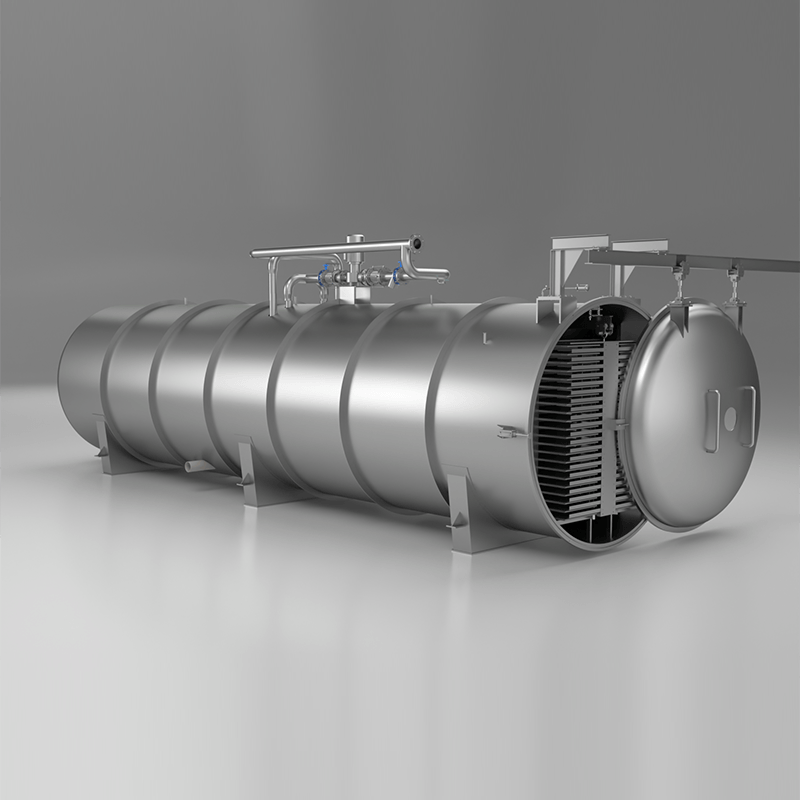
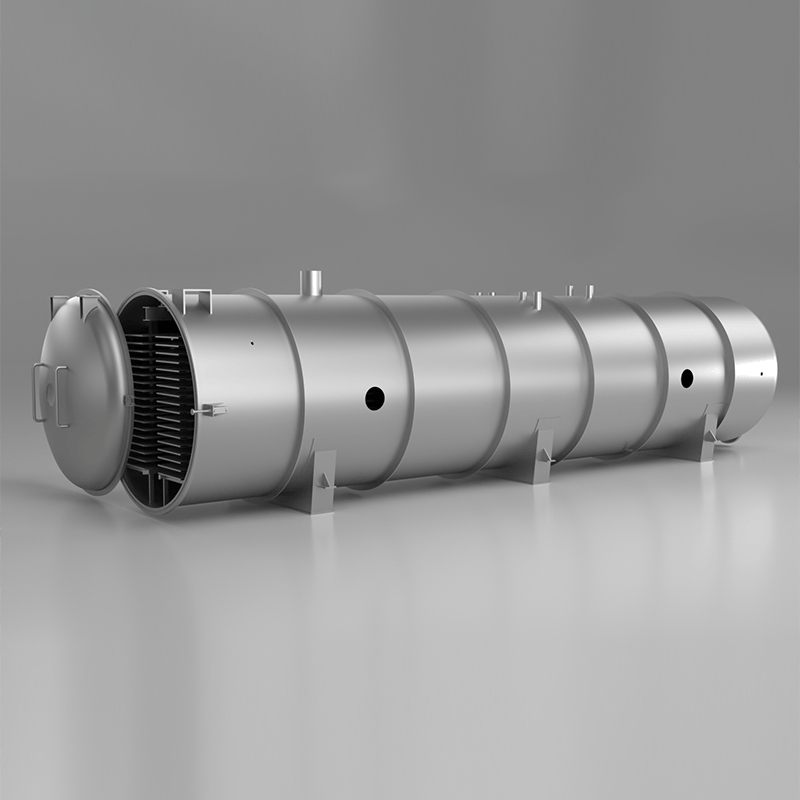
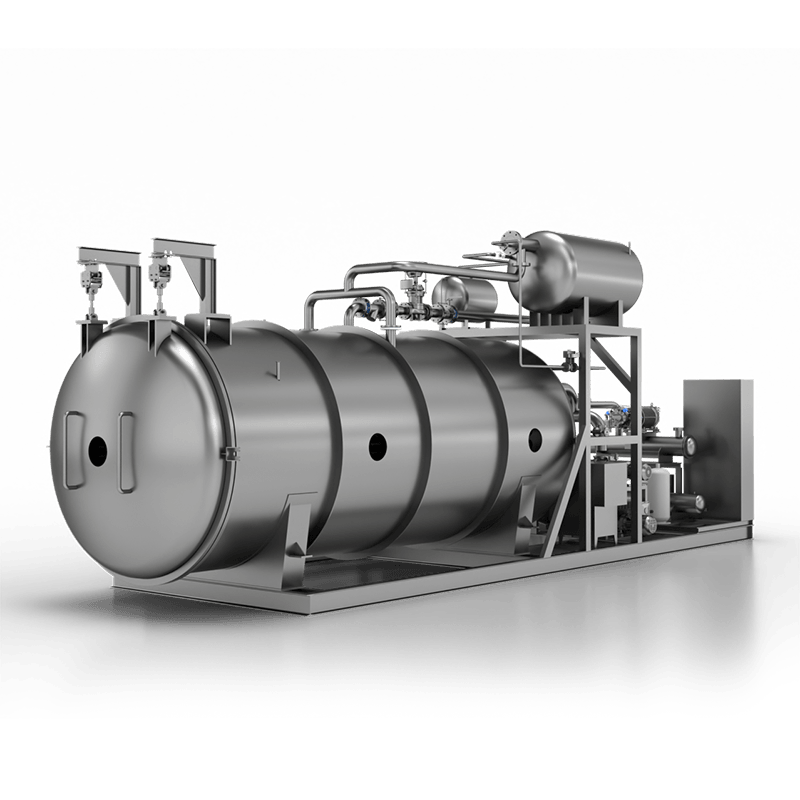
Modern pet food freeze-drying systems consist of several integrated components that ensure efficiency and consistency:
These components work together to ensure consistent drying cycles and high product quality across batches.
Freeze-drying offers significant advantages compared to extrusion or air drying:
| Feature | Freeze-Dried Pet Food | Extruded Kibble | Air-Dried Food |
|---|---|---|---|
| Nutrient Retention | Very high (95%+) | Moderate | High |
| Processing Temperature | Low | High | Medium |
| Shelf Life | Long (12–24 months) | Long | Moderate |
| Flavor Preservation | Excellent | Average | Good |
These advantages make freeze-drying particularly attractive for premium and specialty pet food brands.
Pet food freeze-drying equipment is used to produce a wide range of products:
For example, freeze-dried chicken or beef products retain their original shape and flavor, increasing pet acceptance rates by over 30% compared to processed kibble in some market studies.
While freeze-drying equipment requires a higher initial investment, it offers long-term value through premium product pricing:
Operational costs include energy consumption, maintenance, and labor. However, premium freeze-dried products often achieve higher market margins, offsetting these expenses.
Proper maintenance ensures consistent performance and product quality:
Optimizing batch sizes and cycle times can improve efficiency by up to 15–20%, reducing overall production costs while maintaining product quality.


Sieno's whole series of freeze-drying equipment, covering the experimental research to the industrial scale, is energy efficient, stable, and reliable, with flexible customization as the core, to production, optimization of process, and multiple fields with green manufacturing solutions.
Sieno, based on the research of intelligent freeze-dried food, provides with custom process for the whole chain of freeze-dried technology support (including pretreatment, freeze-dried, and packaging), helping enterprises realize multiple improvements in efficiency, quality, and environmental protection.
Equiment & Soiution
Food Industry Pharmaceuticals Industry Agricultural Industry Pet Industry Beauty Care Industry Chemical Engineering & Laboratory Environmental Protection & Circular EconomyContact Info.
 +86 18068757376
  blk@jsblk.com
  Zhenglu Town, Tianning District, Changzhou City, Jiangsu Province, China
Follow Us
Copyright ©
Sieno Freeze-drying Technology Research Institute (Jiangsu) Co., Ltd
All Rights
Reserved
Custom One-Stop Freeze Drying Equipment Suppliers