
 English
 русский
 中文简体


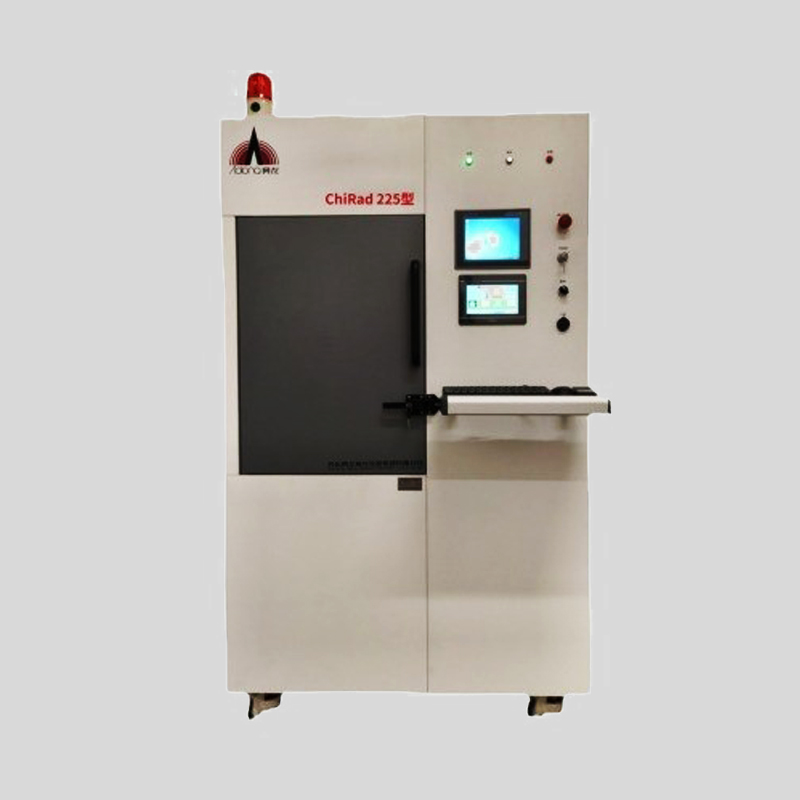

-
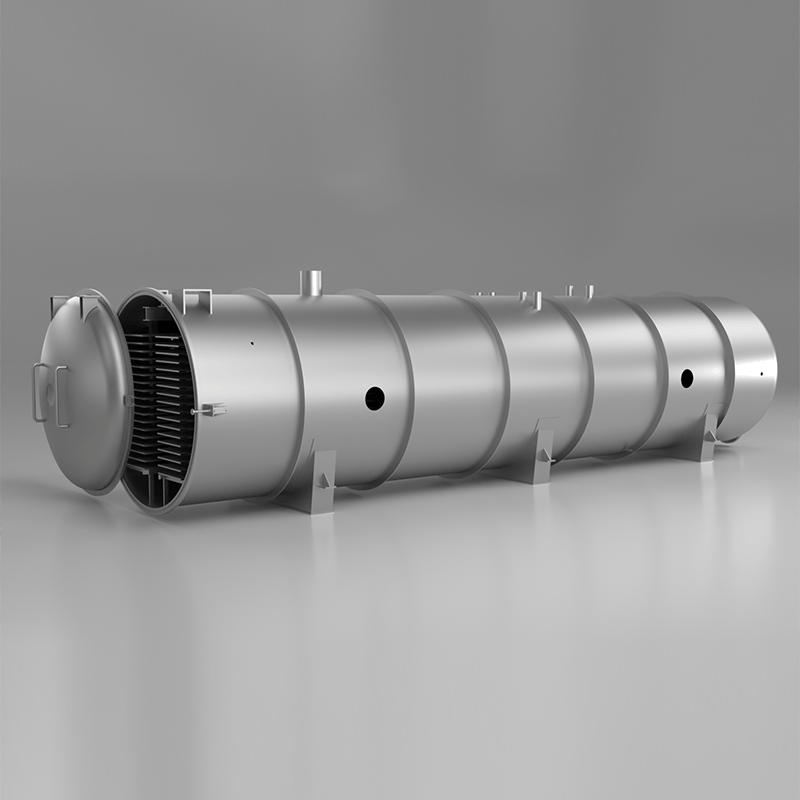
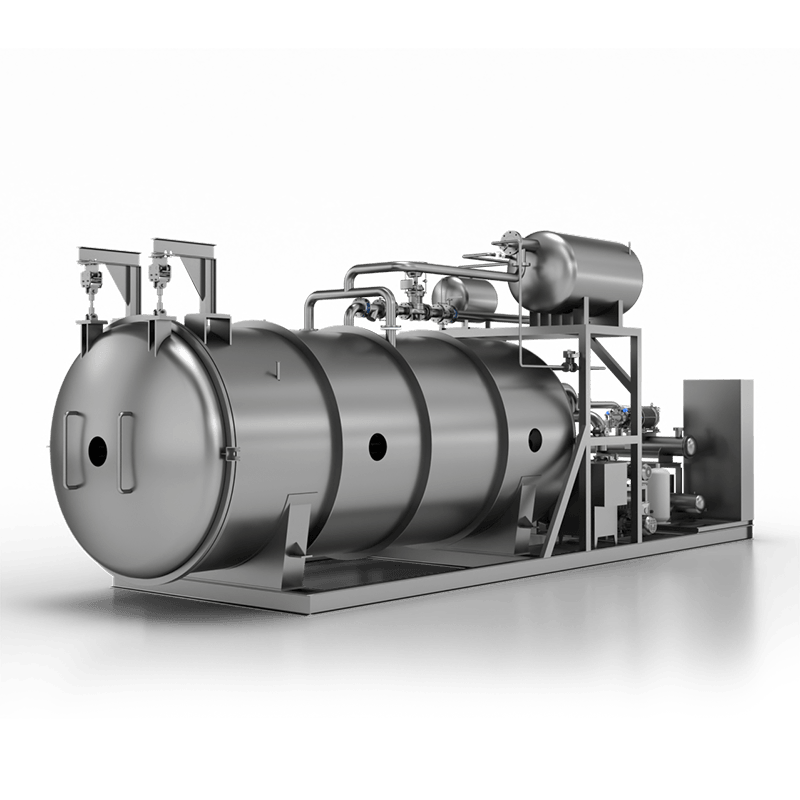
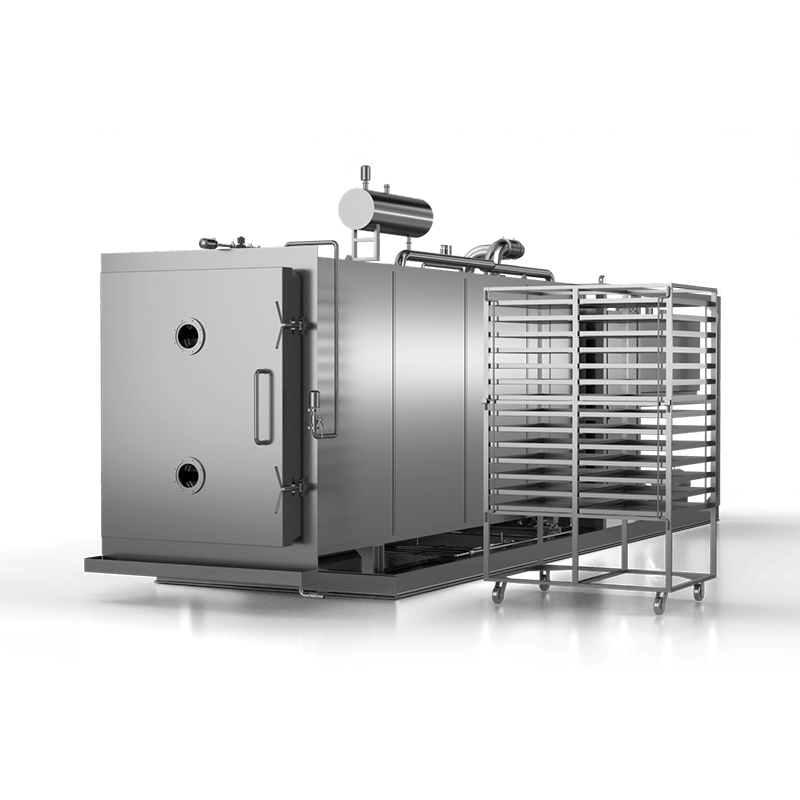
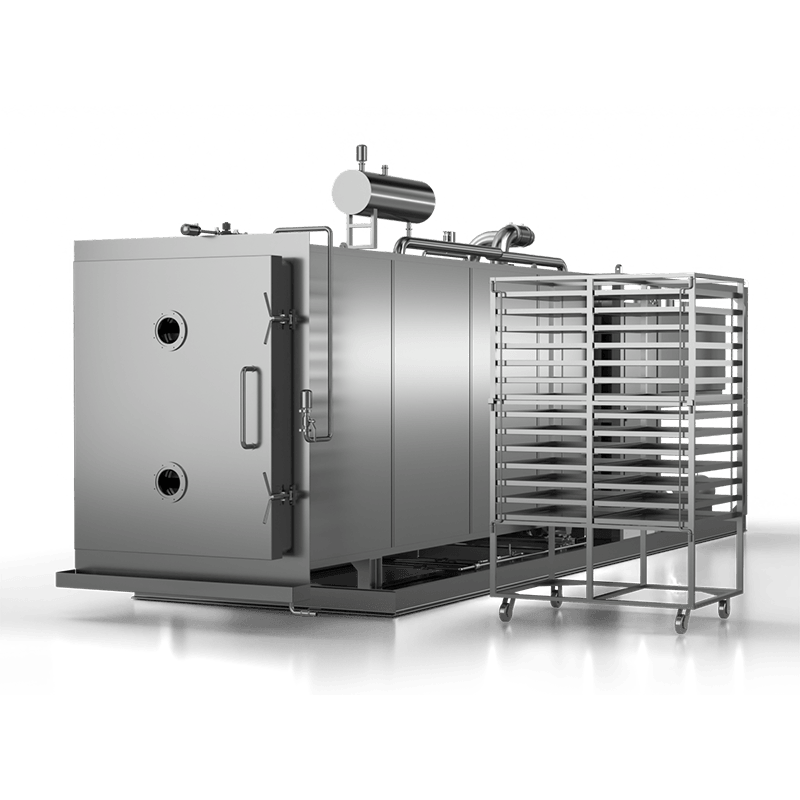
γ-Ray Sterilizer for Active Ingredients
Functional Introduction:
The system applies a 10–15 kGy absorbed dose of cobalt-60 γ-ray irradiation for terminal sterilization of heat-sensitive materials. γ-rays penetrate the sealed package uniformly, inactivating microbial contamination after the product is already in its final container — eliminating the risk of recontamination during filling. The process is cold: product temperature rise is negligible, so heat-labile proteins, bioactive compounds, and volatile functional ingredients retain their structure and function.
Why γ-ray for heat-sensitive active ingredients
Thermal sterilization kills microorganisms reliably, but it applies heat to the entire product mass — and for protein-based and bioactive ingredients, that heat load is not neutral. High-temperature processing is known to decompose or inactivate functional components including proteins and polyphenols, often irreversibly. A comparative study on soybean meal and whey protein-based diets found that although both γ-irradiation and autoclaving achieved complete sterilization at ≥10 kGy, in vitro protein digestibility and most in vivo amino acid digestibilities were greater in the irradiated diet than in the autoclaved diet, regardless of protein source. In a protein powder context, that difference translates directly into biological value: sterilization is no longer a trade-off between microbial safety and nutritional quality.
Dose and microbial efficacy
- Sterilization threshold: complete sterilization of protein-based diets demonstrated at ≥10 kGy; the 10–15 kGy window provides margin for higher-bioburden or more radiation-resistant products.
- Spore-forming bacteria and fungi: D₁₀ values for Bacillus and Clostridium species fall in the 0.46–3.8 kGy range depending on strain; fungal D₁₀ values are generally ≤2 kGy, with a sterility assurance level of 10⁻⁴ achievable at a 15 kGy minimum absorbed dose. The upper end of the range is the relevant setting when bioburden includes resistant spore formers, not merely vegetative contaminants.
Application Scenario:
Terminal processing of freeze-dried products without heat sterilization requirements. The sterilizer replaces high-temperature sterilization to maintain component activity. It is positioned after freeze-drying and after primary packaging, so the product enters the irradiator in its final sealed container and leaves as a terminally sterile finished good. In protein powder production, this placement is the difference between sterilizing bulk material and then re-contaminating it during filling, and sterilizing the sealed consumer unit with no post-sterilization handling exposure.
Compliance and documentation
γ-ray sterilization of food and ingredient products is regulated in China and in export markets. Under GB 18524—2016 and the GB 14891 series, irradiated food categories and dose limits are defined, and GB 7718 requires that irradiated foods and irradiated ingredients be declared on the label (as “irradiated food” or in the ingredient list). The 10–15 kGy window is specified in conjunction with the product’s regulatory classification: for categories where the cumulative dose cap applies, the process is validated at or below the applicable limit; for export specifications and non-food active-ingredient applications, the full range is available. Dose mapping and routine dosimetry records provide the documentation trail — absorbed dose minimum and maximum, dose uniformity ratio, and batch-level traceability.
Case Reference: a leading protein powder manufacturer in China
Bolaike supplied this γ-ray sterilizer to a leading protein powder manufacturer in China whose portfolio spans whey protein concentrate, whey protein isolate, and plant-protein blends for the domestic sports-nutrition and general-wellness markets. The customer operates in a segment where the top tier of the Chinese protein powder market is held by a small group of brands — the leading domestic brand holds roughly 16% of the overall market — and where differentiation increasingly turns on protein quality rather than flavor alone.
The requirement came from a specification conflict the customer could not resolve with thermal processing. Its protein powders are sold on declared protein content and biological value; autoclaving at the terminal stage reduced measured bioactivity and changed solubility behavior, forcing either an overformulation margin or a label compromise. The customer needed terminal sterilization that would achieve the microbial specification after filling, without applying heat to the sealed product. The sterilizer was specified at a 10–15 kGy window, with the upper end reserved for high-bioburden lots and the lower end used where incoming microbial loads allowed — rather than a single fixed dose for every batch.
On the customer’s line, the sterilizer is positioned after pouch and can filling, so the product is treated in its final package and requires no post-sterilization handling before case packing. Dose mapping was performed across the package geometry to confirm the minimum absorbed dose reaches the product core, not only the surface. The measurable outcome is a released batch that carries both a microbial specification and a bioactivity specification — a combination the previous thermal process could not deliver without a formulation trade-off. The sterilizer also became the documentation anchor for the customer’s label declaration: the “irradiated food” marking is tied to a recorded dose event, not applied as a blanket statement across products that may or may not have been treated.

Request a Quote




 yuanliang@jsblk.com
 No.29 Tongiiang North Road, Xinbei District, Changzhou City, Jiangsu, China
