
 English
  русский
  中文简体
中文简体 




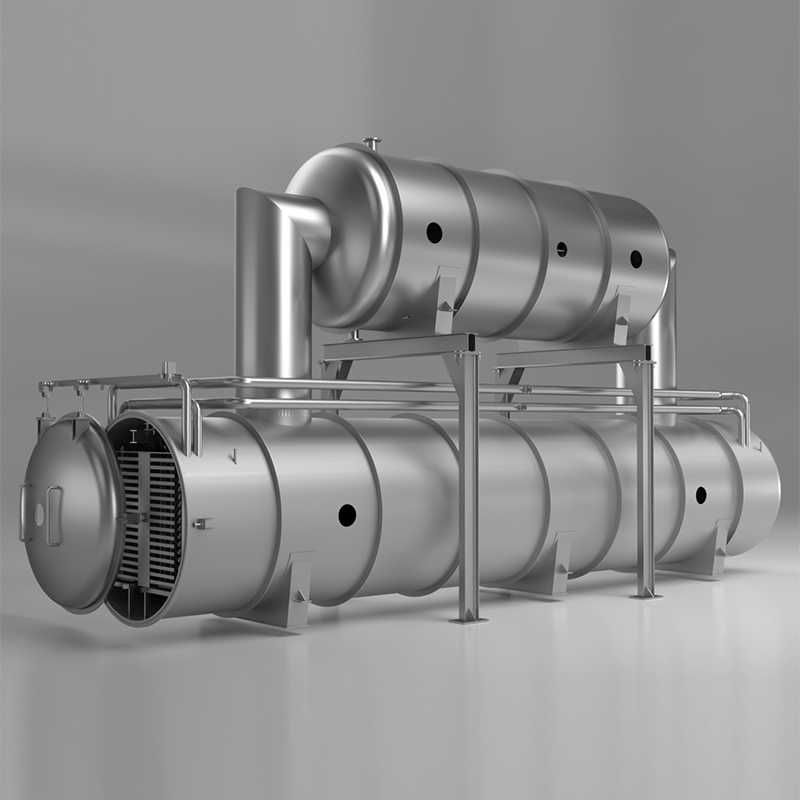
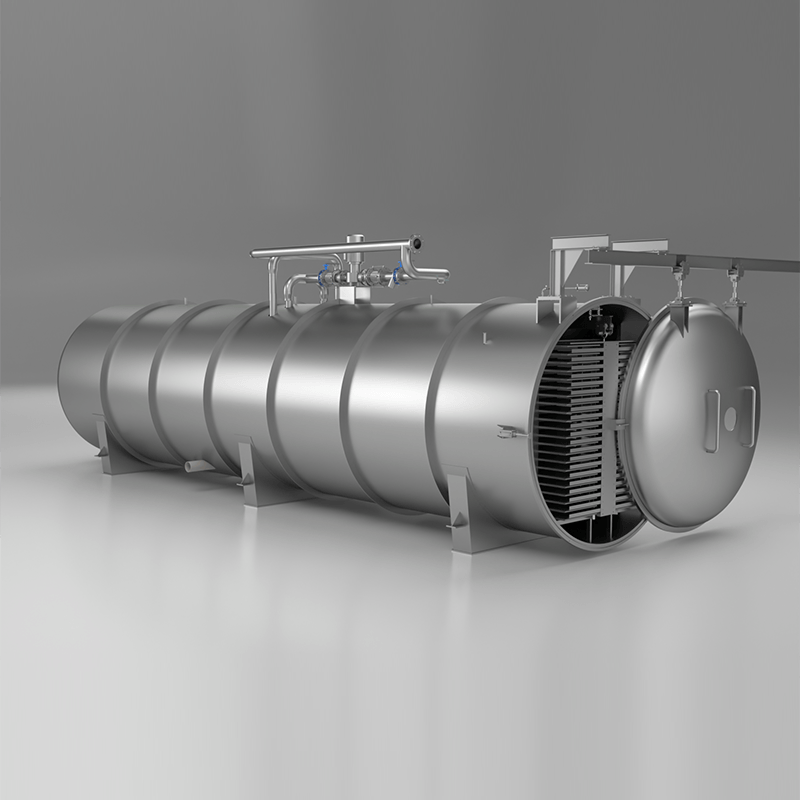
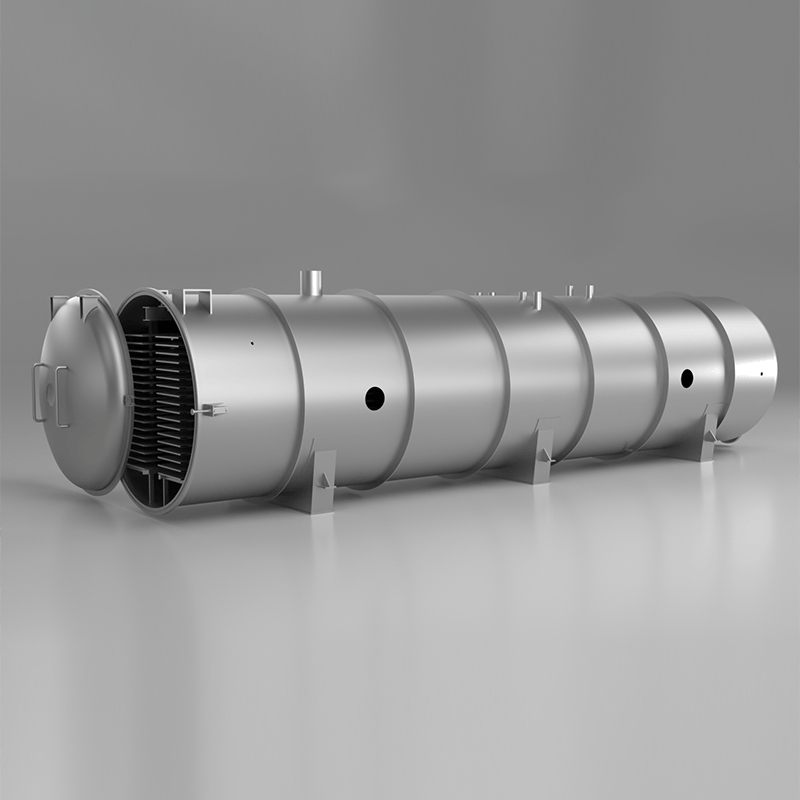
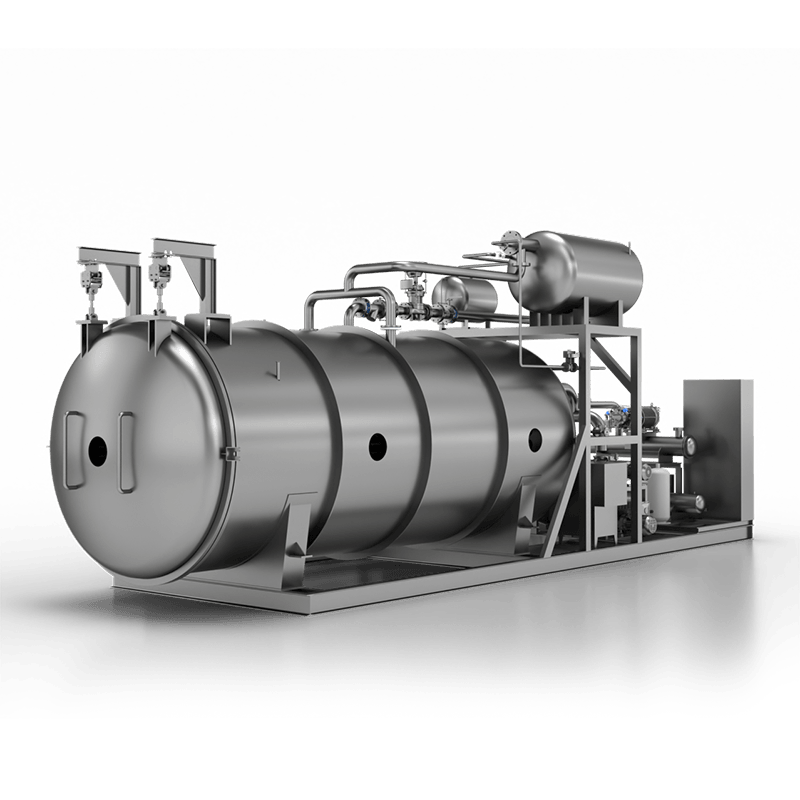
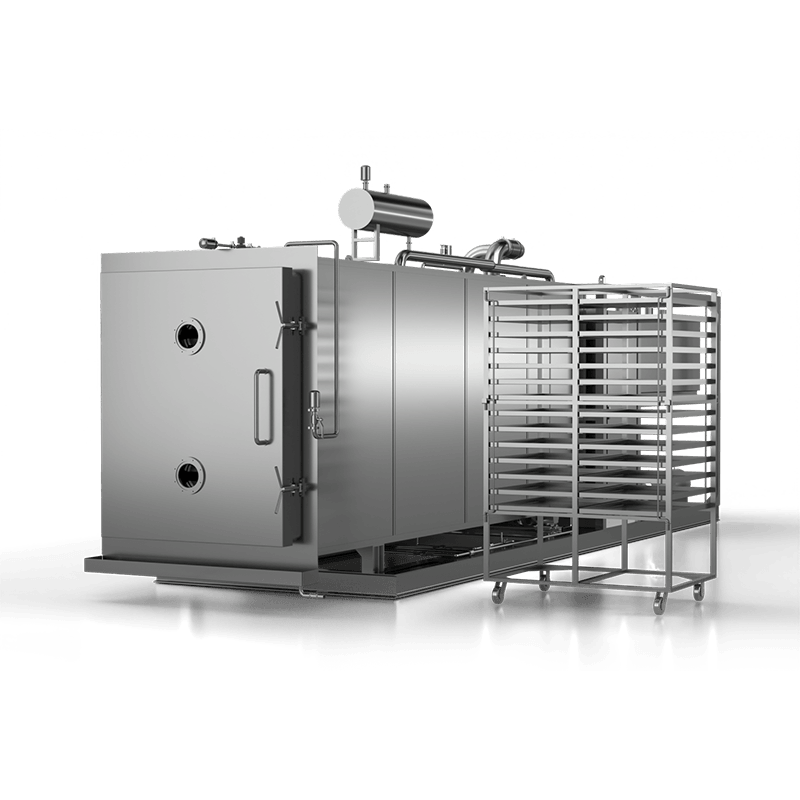
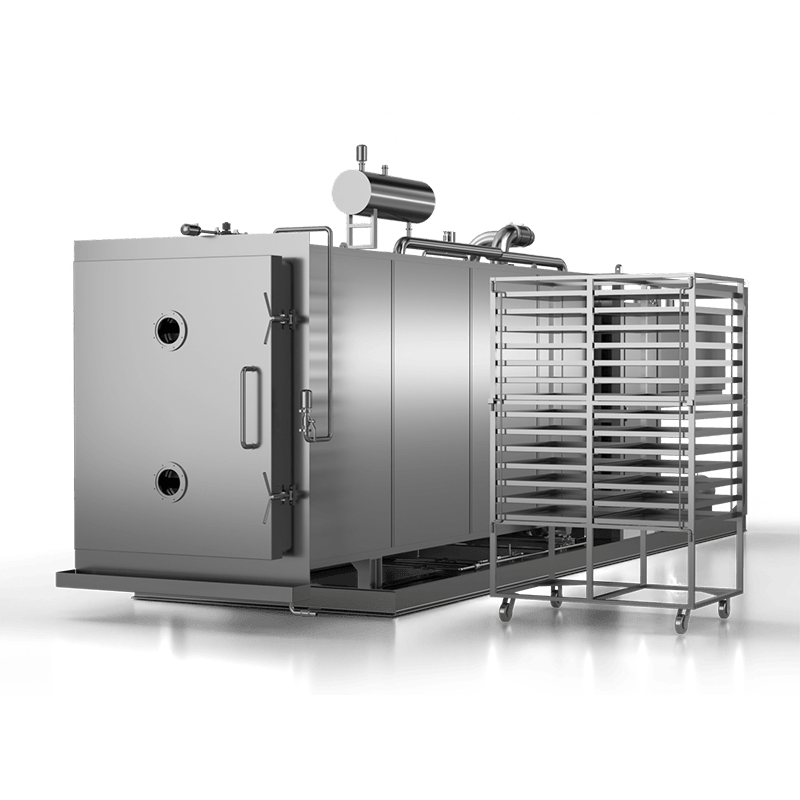
Beverage freeze drying equipment offers the ultimate solution for preserving the delicate flavor profiles, volatile aromatic compounds, and nutritional integrity of premium drinks. By operating under a high vacuum at sub-zero temperatures, this technology removes water through sublimation, completely bypassing the liquid phase. The result is a highly stable, instantly soluble powder that retains the exact sensory characteristics of the original liquid. For high-value beverage producers, investing in the right freeze drying infrastructure is no longer a matter of shelf-life extension—it is a strategic move to capture the rapidly growing market for clean-label, ultra-premium, and functional beverage concentrates.
The Technological Divide: Batch Chambers vs. Continuous Freeze Dryers
When scaling up production, manufacturers must choose between batch processing systems and continuous industrial freeze drying configurations. This choice fundamentally dictates operational efficiency, labor costs, and product consistency.
Batch Freeze Drying Systems
Batch systems process a fixed volume of product over a set cycle time, typically lasting 12 to 24 hours. The beverage liquid is pre-frozen, loaded onto trays, and placed into the vacuum chamber.
- Flexibility: Ideal for facilities handling multiple product lines (e.g., switching from premium coffee extracts to seasonal fruit juices).
- Control: Precise customization of primary and secondary drying parameters for distinct recipes.
- Limitation: Higher labor requirements for tray loading, unloading, and cleaning, alongside downtime between cycles.
Continuous Freeze Drying Systems
Continuous equipment moves the product through an automated, interconnected series of vacuum locks and drying zones without breaking the main vacuum chamber's pressure.
- Efficiency: Drastically reduces energy spikes by maintaining steady-state temperature and pressure conditions.
- Scalability: Built for high-throughput, single-commodity operations running 24/7.
- Limitation: Massive initial capital expenditure and less flexibility for rapid product changovers.
Comparing Processing Technologies for High-Value Liquids
Different beverage matrices react uniquely to sublimation. For instance, a delicate matcha tea extract requires different thermal treatment than a high-sugar berry puree or a lipid-heavy dairy beverage. The table below outlines how standard tray-based beverage freeze drying equipment compares to advanced spray freeze drying and traditional spray drying.
| Feature / Metric | Tray Freeze Drying | Spray Freeze Drying (SFD) | Traditional Spray Drying |
|---|---|---|---|
| Operating Temperature | -40°C to +20°C (under vacuum) | -50°C to +10°C (under vacuum) | +150°C to +200°C (hot air stream) |
| Aroma & Flavor Retention | Excellent (>92% retention of volatiles) | Superior (>96% retention of volatiles) | Poor to Moderate (high thermal loss) |
| Solubility & Reconstitution | High (porous cake structure) | Instant (uniform micro-spheres) | Moderate (often requires agglomeration) |
| Capital Investment (CAPEX) | High ($300k - $2M+ depending on scale) | Very High ($1M - $4M+ industrial scale) | Moderate ($150k - $800k) |
| Best Suited For | Premium coffee, kombucha, botanical extracts | Thermolabile nutraceuticals, elite probiotics | Mass-market milk powders, cheap food dyes |
The Economics of Premium Freeze Drying: ROI and Energy Metrics
While traditional thermal spray drying is significantly cheaper upfront, it destroys up to 60% of volatile flavor compounds in premium beverages like specialty single-origin coffee or cold-pressed juices. For a brand positioning its product at a premium price point, this loss compromises market viability.
Case Study Insight: A commercial facility processing 1,000 liters of concentrated cold-brew coffee per day can expect a yield of roughly 150 kg of freeze-dried crystals. At a retail value of $120 per kg for premium soluble coffee, daily revenue stands at $18,000. Operating costs, including electricity (averaging 1.5 to 2.2 kWh per kg of water evaporated) and labor, hover around $2,500 per day. This yields a robust gross margin, allowing capital equipment payback within 14 to 18 months of continuous operation.
Modern beverage freeze drying equipment mitigates high energy costs by incorporating internal condenser designs, intelligent vacuum modulation, and heat recovery loops. By optimizing the primary drying phase—where 90% of the water is sublimated—energy consumption can be lowered by up to 18% compared to legacy models.
Critical Engineering Components to Consider Before Purchase
Purchasing industrial dehydration machinery requires close evaluation of specific engineering specifications to ensure long-term reliability and product quality.
- Condenser Capacity and Defrost Cycles: The ice condenser must have a larger vapor capacity than the total moisture volume of the batch. Look for dual-condenser designs that allow one condenser to defrost via hot gas while the other continues trapping vapor, preventing operational bottlenecks.
- Vacuum Pump Architecture: Two-stage rotary vane pumps or dry screw vacuum pumps are vital. Dry screw pumps are increasingly preferred in premium beverage lines because they eliminate the risk of oil backstreaming, which can contaminate delicate organic flavors.
- Shelf Heating Uniformity: Silicon oil circulation systems within hollow shelves ensure a temperature uniformity of ±1°C across the entire surface area. This prevents localized melting (collapse) of the beverage structure during primary drying.
Strategic Advantages for the Functional and Wellness Beverage Sector
The modern high-value consumer demands functional ingredients: live probiotics, active adaptogens, and bioavailable vitamins. Traditional thermal pasteurization and drying methods degrade these compounds. Probiotics likeLactobacillussuffer up to a 4-log reduction in colony-forming units (CFUs) when subjected to spray drying temperatures exceeding 70°C.
Conversely, utilizing advanced beverage freeze drying equipment maintains a survival rate of over 95% for delicate microbial strains. This preservation capability unlocks premium market segments, such as instant functional kombucha powders, shelf-stable wellness elixirs, and targeted sports nutrition mixes that command exceptional profit margins at retail.
Frequently Asked Questions
What types of beverages can be processed using beverage freeze drying equipment?
Almost any liquid with a high solids content can be freeze-dried. Common applications include specialty instant coffee, ceremonial matcha, cold-pressed fruit and vegetable juices, fermented kombucha, botanical herbal extracts, and dairy or plant-based milk alternatives.
How does freeze drying preserve the original aroma of a beverage?
Because freeze drying occurs under high vacuum and at sub-zero temperatures, the water transitions directly from ice to vapor. This prevents the thermal degradation and boiling that drives off volatile organic compounds (esters, aldehydes, and terpenes), ensuring the reconstituted beverage tastes identical to the fresh product.
What is the typical moisture content of a beverage after freeze drying?
High-quality equipment reduces the final residual moisture content to between 1% and 3%. This incredibly low moisture level prevents microbial growth and chemical degradation, giving the product a shelf life of up to 25 years when sealed in appropriate oxygen and moisture-barrier packaging.
Why is Spray Freeze Drying (SFD) considered superior to standard tray drying for liquids?
Spray freeze drying atomizes the liquid beverage directly into a cryogenic medium (like liquid nitrogen) before entering the vacuum chamber. This creates uniform, spherical micro-particles that dissolve significantly faster in water than the irregular, angular granules produced by crushing frozen cakes from traditional tray dryers.
What are the key maintenance requirements for industrial beverage freeze dryers?
Routine maintenance centers around checking vacuum pump seals, tracking oil quality (if using wet pumps), verifying sensor calibration (vacuum gauges and product thermocouples), and ensuring the integrity of the chamber door gaskets to prevent micro-leaks that could disrupt the sublimation process.


 +86 18068757376
  bolaike@jsblk.com
  Zhenglu Town, Tianning District, Changzhou City, Jiangsu Province, China