English
  русский
  中文简体
中文简体 
Request a Quote

Industry News
 2026.07.09
 Industry News
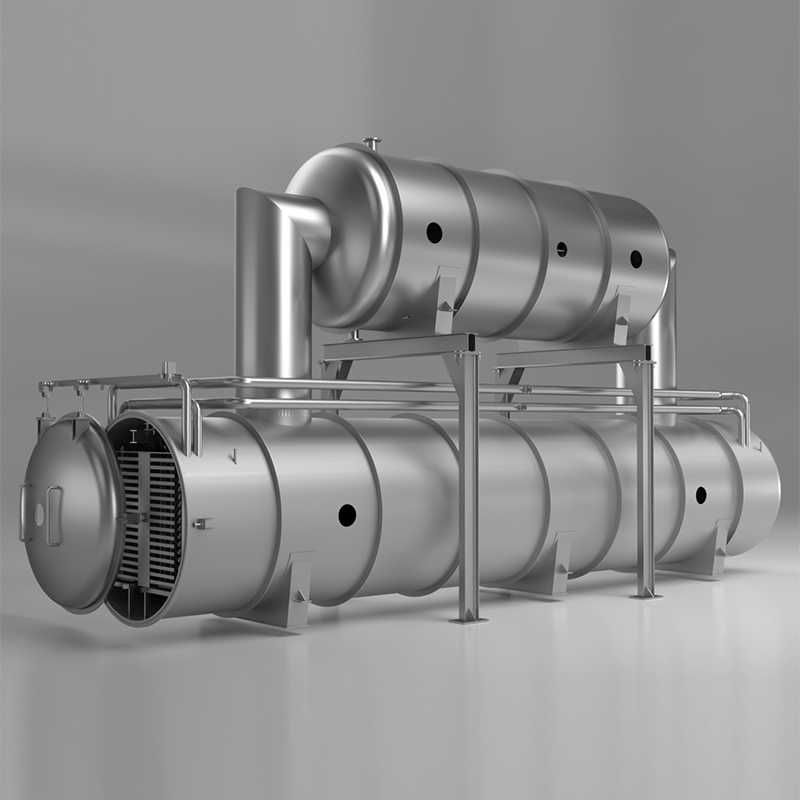
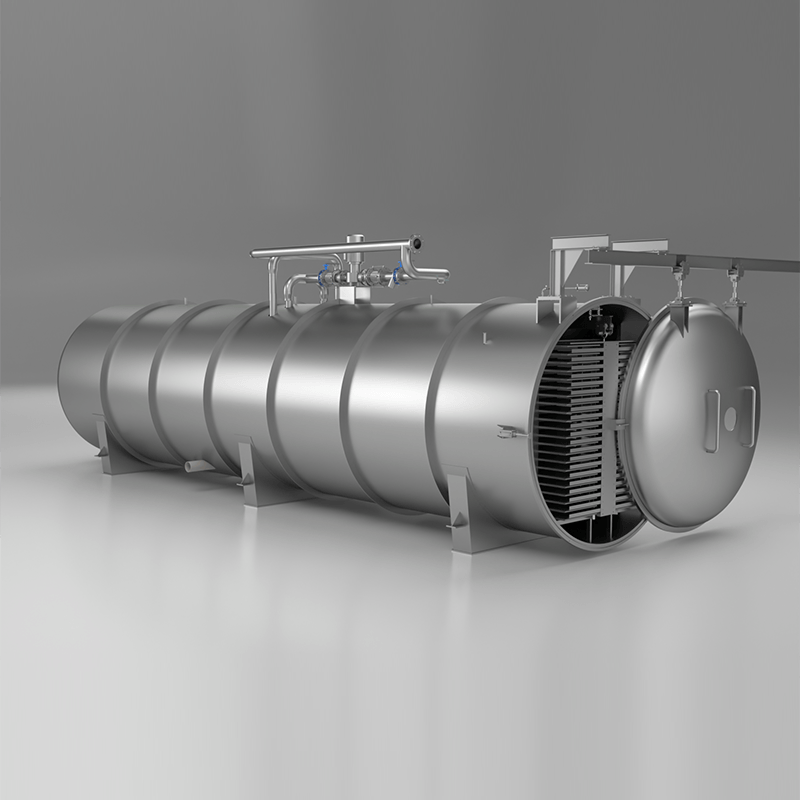
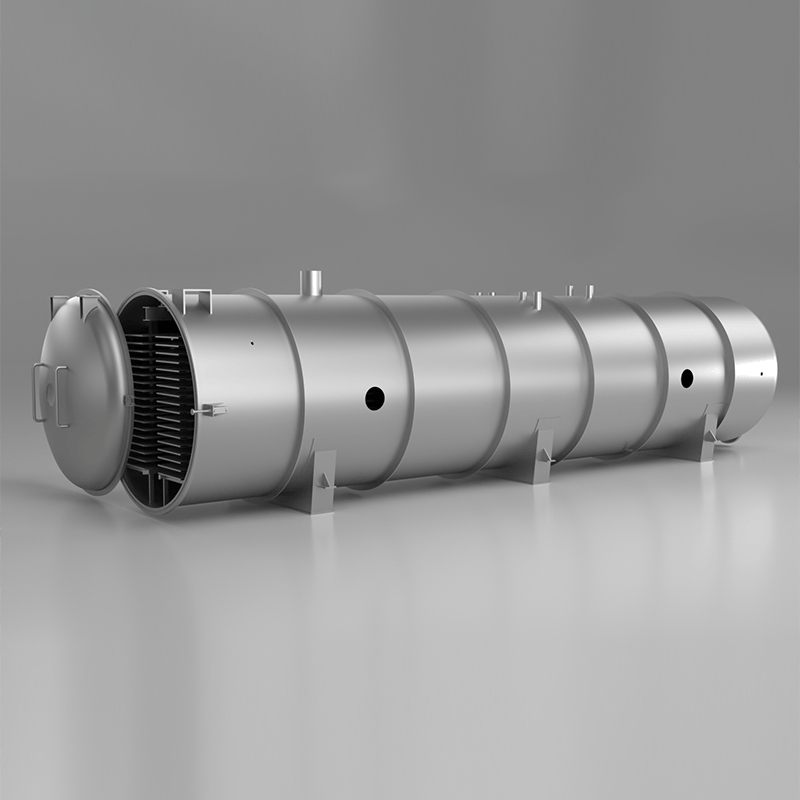
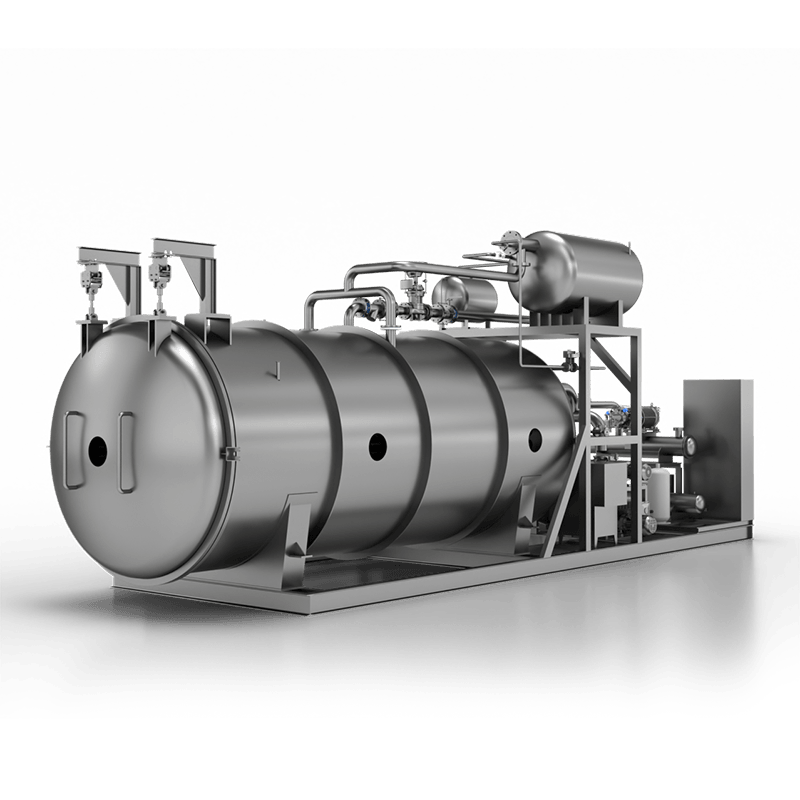
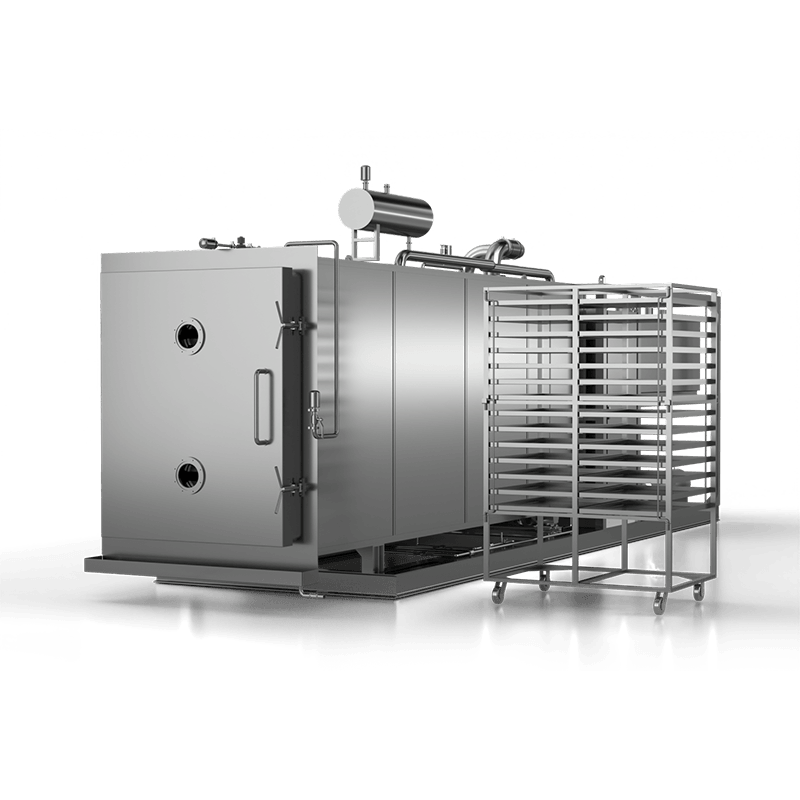
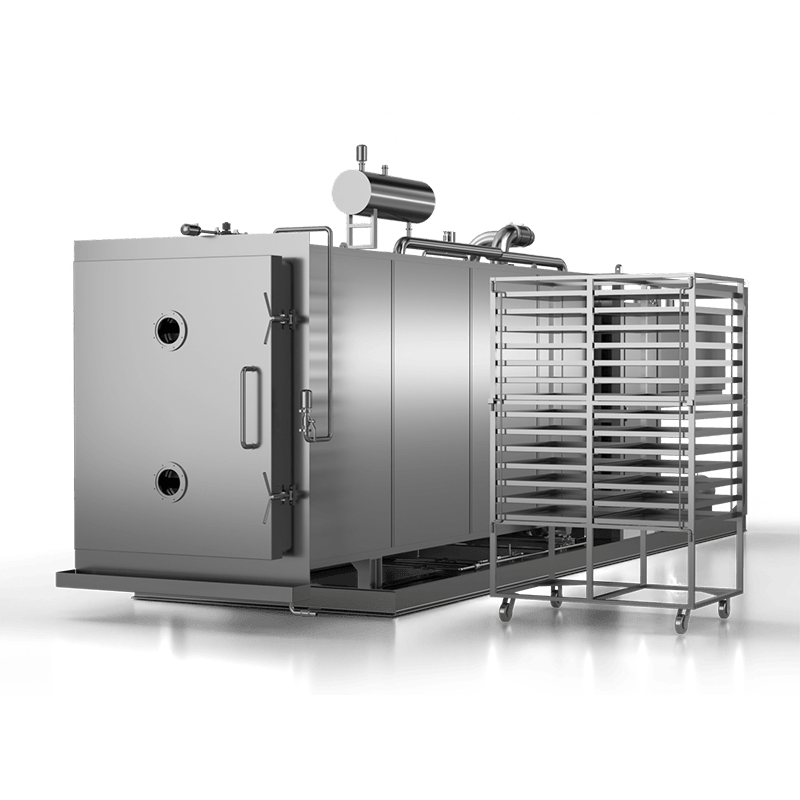
Freeze-dried coffee retains up to 80–90% of the aromatic compounds present in freshly brewed coffee, compared to roughly 40–50% retention in spray-dried instant coffee — which is precisely why producers investing in coffee freeze-drying equipment do so for flavor quality, not just shelf life. Choosing the right system comes down to matching chamber capacity, freezing method, and vacuum control precision to production volume, since undersized or poorly controlled equipment can waste as much product through cracking and flavor loss as it preserves.
Freeze-drying works by first freezing brewed coffee concentrate into granules, then applying a vacuum that causes the frozen water to sublimate directly from solid to vapor, bypassing the liquid phase entirely. This matters enormously for coffee because it avoids the high heat exposure that spray-drying requires, which breaks down volatile aromatic oils responsible for much of coffee's characteristic scent and taste.
Spray-drying exposes coffee concentrate to air temperatures often exceeding 200°C for a few seconds during atomization, which is enough to degrade delicate compounds. Freeze-drying, by contrast, keeps the product at sub-zero to mildly warm temperatures throughout the entire process, typically never exceeding 30–40°C even during the final desorption phase. This temperature difference is the core reason freeze-dried coffee commands a price premium in the market — the flavor difference is measurable, not just marketed.
Coffee freeze-drying equipment splits broadly into two operational models, and the choice between them affects everything from labor cost to throughput consistency.
| System Type | Typical Cycle Time | Best Suited For |
| Batch Freeze Dryer | 18–24 hours per batch | Small to mid-scale producers, specialty roasters |
| Continuous Freeze Dryer | Ongoing, staged tunnel process | Large-scale commercial production |
Batch systems load a full chamber of frozen granules, run the complete sublimation and desorption cycle, then unload before starting again. They cost less upfront and give operators tighter control over each batch, making them well suited to producers running smaller volumes or multiple product variations. Continuous systems move product through sequential freezing, sublimation, and desorption zones on a moving belt or tray system without stopping, which dramatically increases throughput but requires a much larger capital investment and consistent, high-volume input to justify running around the clock.
The vacuum system is arguably the most critical subsystem in any coffee freeze-drying equipment, since insufficient vacuum pressure or inadequate condenser capacity causes incomplete sublimation, leaving moisture trapped inside granules that later leads to clumping or reduced shelf stability.
Equipment with poorly calibrated condensers often shows a telltale sign: extended cycle times as operators compensate for slow vapor removal by running additional drying hours, which increases energy cost per batch without improving final product quality.
The freezing stage before sublimation begins has a direct effect on the final texture and appearance of freeze-dried coffee granules, and different equipment approaches this differently.
Static shelf freezing, where trays of coffee concentrate sit on refrigerated shelves until fully frozen, is simpler and cheaper but produces larger ice crystals as freezing progresses slowly. Larger ice crystals leave larger pores after sublimation, which can affect the granule's structural integrity and dissolution speed when the final product is reconstituted in hot water. Rapid or blast freezing, using significantly colder air or contact plates, forms smaller ice crystals more quickly, resulting in a finer granule structure that dissolves faster and more evenly — a meaningful quality differentiator for premium instant coffee products where dissolution speed affects perceived quality.
Freeze-drying is inherently more energy-intensive than spray-drying, and this is one of the main trade-offs producers weigh when evaluating coffee freeze-drying equipment against alternative drying methods.
| Drying Method | Relative Energy Use | Flavor Retention |
| Spray-Drying | Low to moderate | 40–50% |
| Freeze-Drying | High | 80–90% |
This energy gap is largely driven by the extended cycle time and the power required to maintain deep-freeze condenser temperatures throughout the process. Producers offset this cost through pricing, since freeze-dried coffee typically sells at a premium that can be two to three times higher than spray-dried equivalents, allowing the higher operating cost per unit to be absorbed while still maintaining healthy margins.
Sizing coffee freeze-drying equipment correctly requires looking beyond nameplate chamber volume to actual usable tray area and realistic cycle frequency. A chamber advertised with a large total volume may still underperform if tray spacing is inefficient or if the vacuum and condenser system can't keep pace with a fully loaded chamber, forcing operators to run partial loads to maintain quality.
Coffee freeze-drying equipment has maintenance requirements distinct from standard food processing machinery, largely centered on the vacuum and refrigeration subsystems that other drying methods don't rely on.
Vacuum pump oil requires regular monitoring and change-outs, since contamination from moisture ingress during sublimation gradually degrades pump performance and can reduce achievable vacuum levels over time. Condenser coils need periodic defrosting cycles and inspection for ice buildup that, left unmanaged, reduces effective heat transfer and extends cycle times. Door seals and chamber gaskets also require regular inspection, since even minor vacuum leaks force the system to work harder to reach target pressure, increasing both cycle time and energy consumption per batch.


Sieno's whole series of freeze-drying equipment, covering the experimental research to the industrial scale, is energy efficient, stable, and reliable, with flexible customization as the core, to production, optimization of process, and multiple fields with green manufacturing solutions.
Sieno, based on the research of intelligent freeze-dried food, provides with custom process for the whole chain of freeze-dried technology support (including pretreatment, freeze-dried, and packaging), helping enterprises realize multiple improvements in efficiency, quality, and environmental protection.
Equiment & Soiution
Food Industry Pharmaceuticals Industry Agricultural Industry Pet Industry Beauty Care Industry Chemical Engineering & Laboratory Environmental Protection & Circular EconomyContact Info.
 +86 18068757376
  bolaike@jsblk.com
  Zhenglu Town, Tianning District, Changzhou City, Jiangsu Province, China
Follow Us
Copyright ©
Sieno Freeze-drying Technology Research Institute (Jiangsu) Co., Ltd
All Rights
Reserved
Custom One-Stop Freeze Drying Equipment Suppliers