English
  русский
  中文简体
中文简体 
Request a Quote

Industry News
 Home / Recent News / Industry News / Coffee Freeze-Drying Equipment: How Premium Instant Coffee Is Made
  2026.04.23
 Industry News
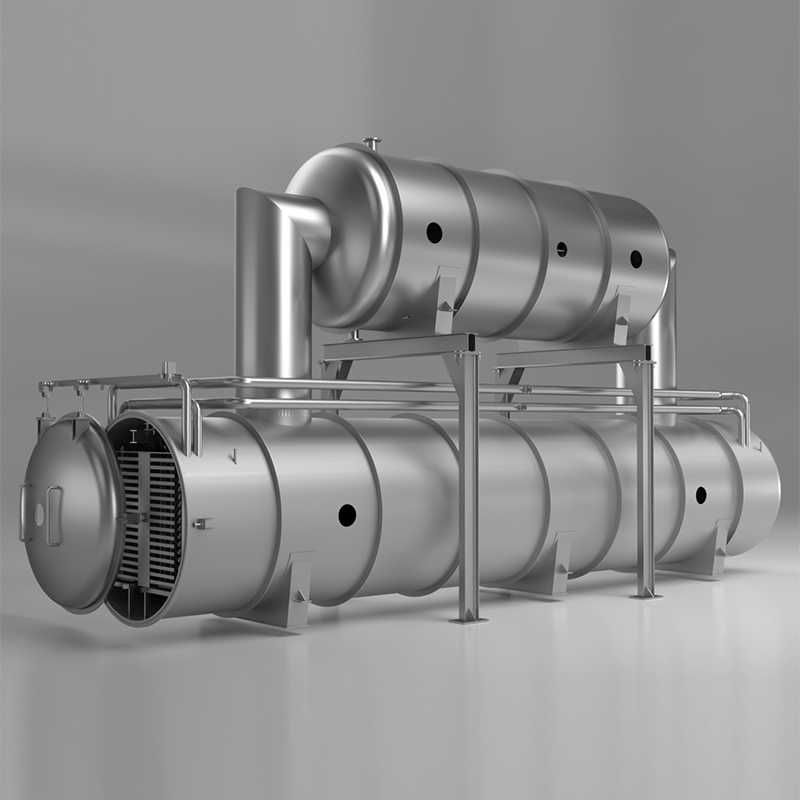
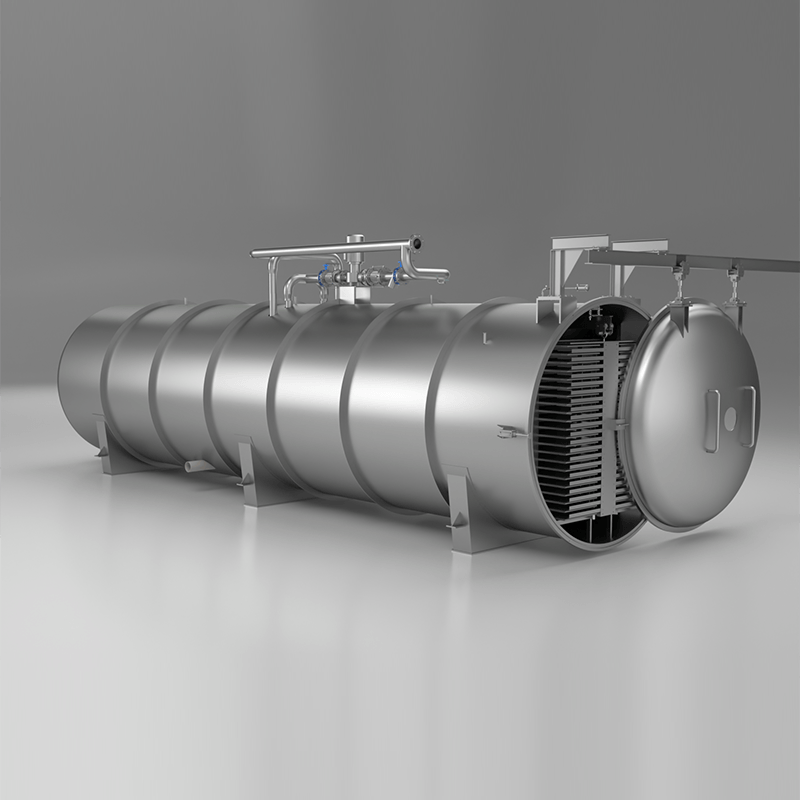
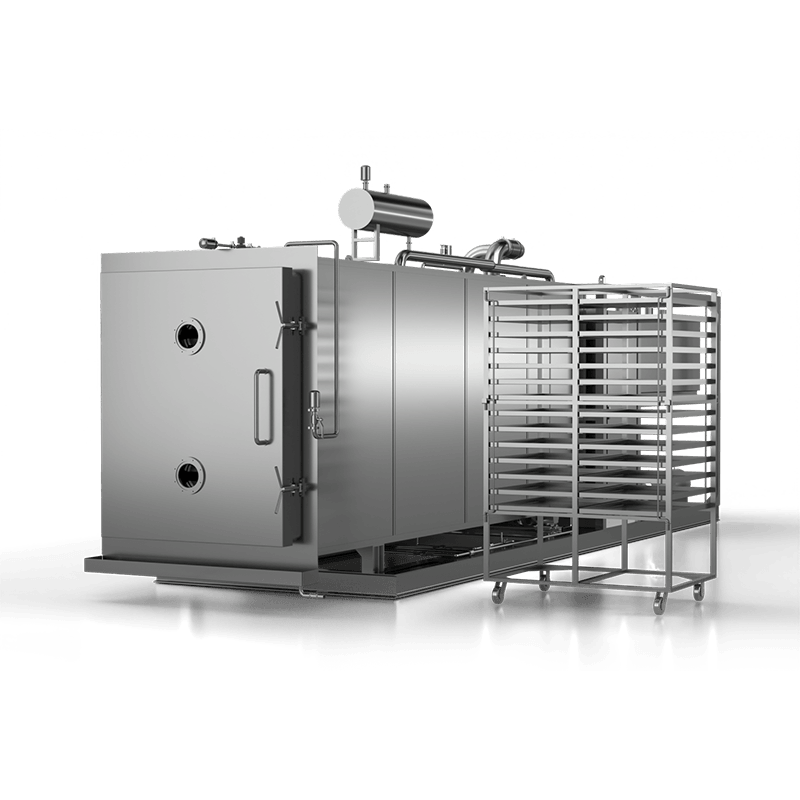
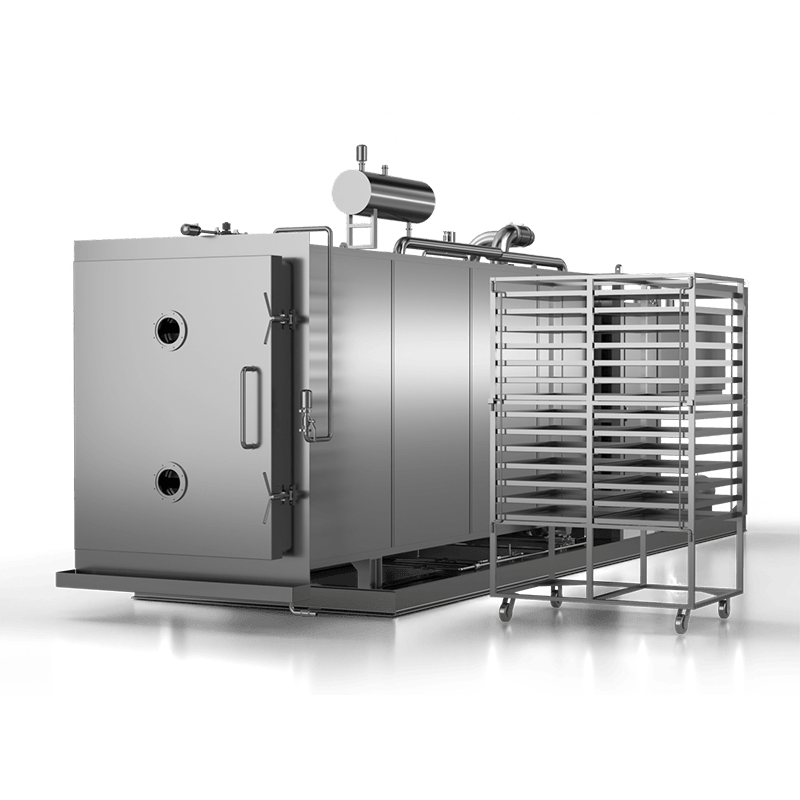
Coffee freeze-drying equipment is used to transform brewed coffee into high-quality instant coffee while preserving aroma, flavor compounds, and solubility. The process relies on low-temperature dehydration under vacuum conditions, ensuring that the final product retains a fresh-brewed taste profile with extended shelf stability.
Unlike spray drying, freeze-drying avoids high heat exposure, which can degrade volatile aromatic compounds. This makes it the preferred method for premium instant coffee brands targeting specialty markets, hospitality supply chains, and export-oriented production.
Industrial coffee freeze-drying systems integrate freezing, sublimation, and vacuum drying stages into a continuous or semi-continuous production line, achieving moisture levels as low as 1–3% residual water content.
The freeze-drying process, also known as lyophilization, involves three main stages: freezing, primary drying (sublimation), and secondary drying (desorption). Each stage is carefully controlled to preserve coffee structure and flavor integrity.
This controlled sublimation process ensures that coffee structure remains porous, allowing quick rehydration when hot water is added by the consumer.
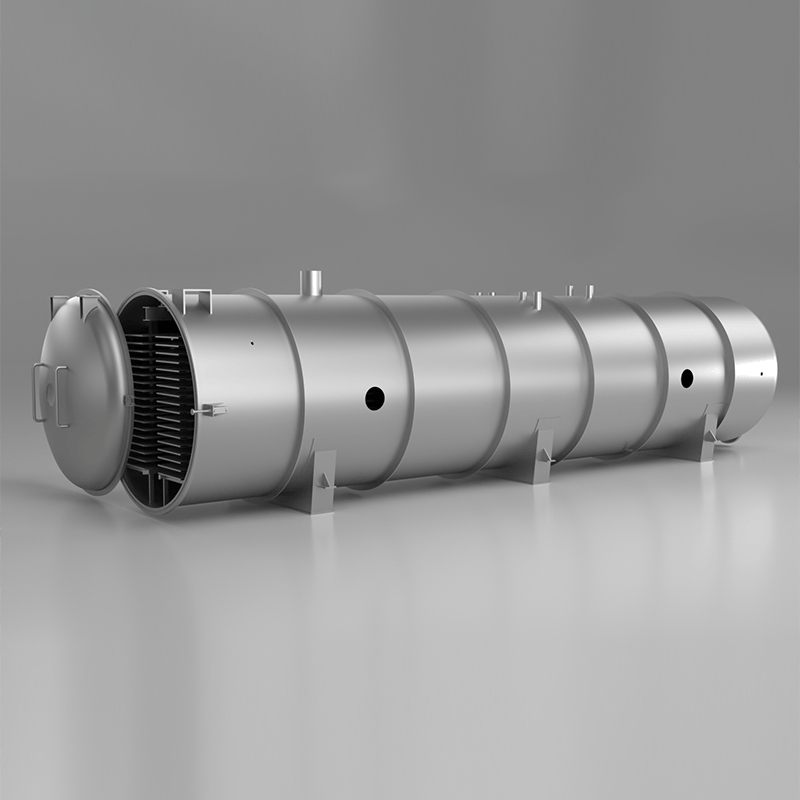
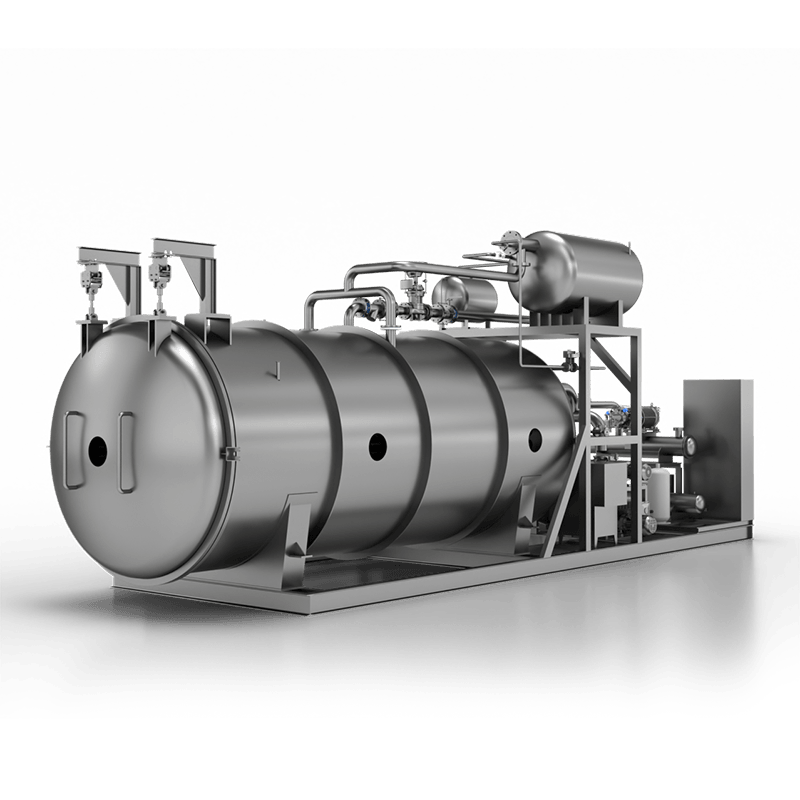
A complete coffee freeze-drying system consists of multiple integrated subsystems designed to maintain thermal stability, vacuum integrity, and energy efficiency throughout the process.
High-performance systems maintain temperature uniformity within ±1°C, ensuring consistent drying results across large production batches. Industrial units can process between 500 kg to 10,000 kg of liquid coffee per batch depending on configuration.
Freeze-drying offers significant advantages over conventional drying technologies, particularly in flavor retention, product quality, and market positioning.
Market studies show that freeze-dried coffee can retain up to 90–95% of original aroma compounds, significantly higher than spray-dried alternatives, which typically retain 60–70%.
Coffee freeze-drying equipment is widely used in large-scale instant coffee production facilities, specialty coffee brands, and private label manufacturing.
In high-end export markets such as Japan, Europe, and North America, freeze-dried coffee accounts for a significant share of premium instant coffee sales due to its sensory similarity to freshly brewed coffee.
Production facilities often integrate roasting, extraction, and freeze-drying into a continuous automated line to maintain consistent quality control across batches.
While freeze-drying is energy-intensive compared to other drying methods, modern equipment has significantly improved efficiency through heat recovery systems and optimized vacuum cycles.
| Parameter | Typical Range | Impact |
|---|---|---|
| Freezing temperature | -40°C to -50°C | Affects ice crystal formation |
| Vacuum pressure | 0.1–1 mbar | Controls sublimation speed |
| Drying time | 8–24 hours | Determines production efficiency |
Advanced systems can reduce energy consumption by 15–30% through optimized condenser cycling and heat recovery technologies, improving overall production economics.


Sieno's whole series of freeze-drying equipment, covering the experimental research to the industrial scale, is energy efficient, stable, and reliable, with flexible customization as the core, to production, optimization of process, and multiple fields with green manufacturing solutions.
Sieno, based on the research of intelligent freeze-dried food, provides with custom process for the whole chain of freeze-dried technology support (including pretreatment, freeze-dried, and packaging), helping enterprises realize multiple improvements in efficiency, quality, and environmental protection.
Equiment & Soiution
Food Industry Pharmaceuticals Industry Agricultural Industry Pet Industry Beauty Care Industry Chemical Engineering & Laboratory Environmental Protection & Circular EconomyContact Info.
 +86 18068757376
  blk@jsblk.com
  Zhenglu Town, Tianning District, Changzhou City, Jiangsu Province, China
Follow Us
Copyright ©
Sieno Freeze-drying Technology Research Institute (Jiangsu) Co., Ltd
All Rights
Reserved
Custom One-Stop Freeze Drying Equipment Suppliers