English
  русский
  中文简体
中文简体 
Request a Quote

Industry News
 2026.07.30
 Industry News
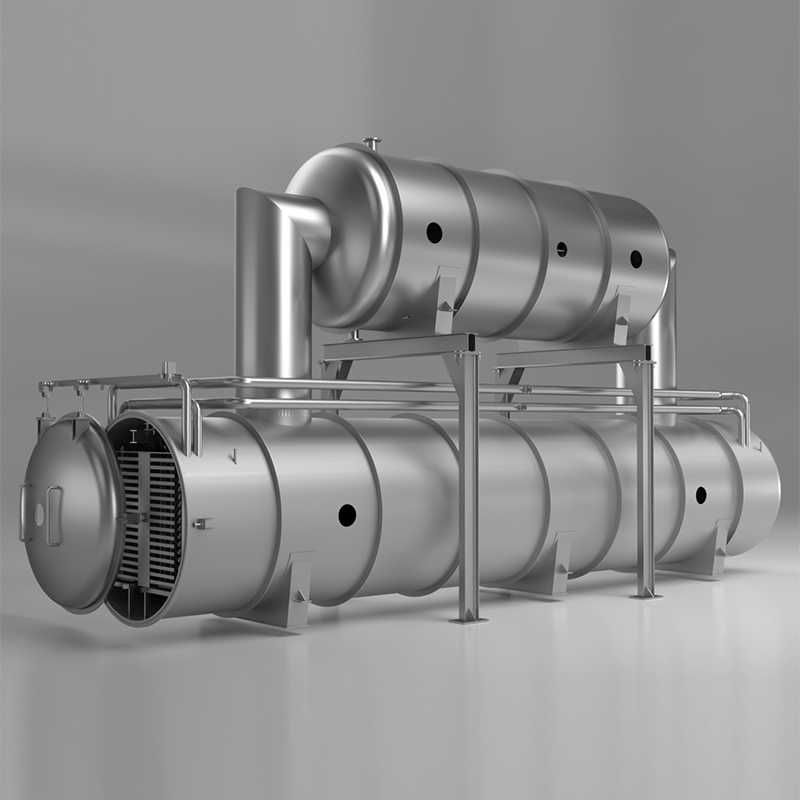
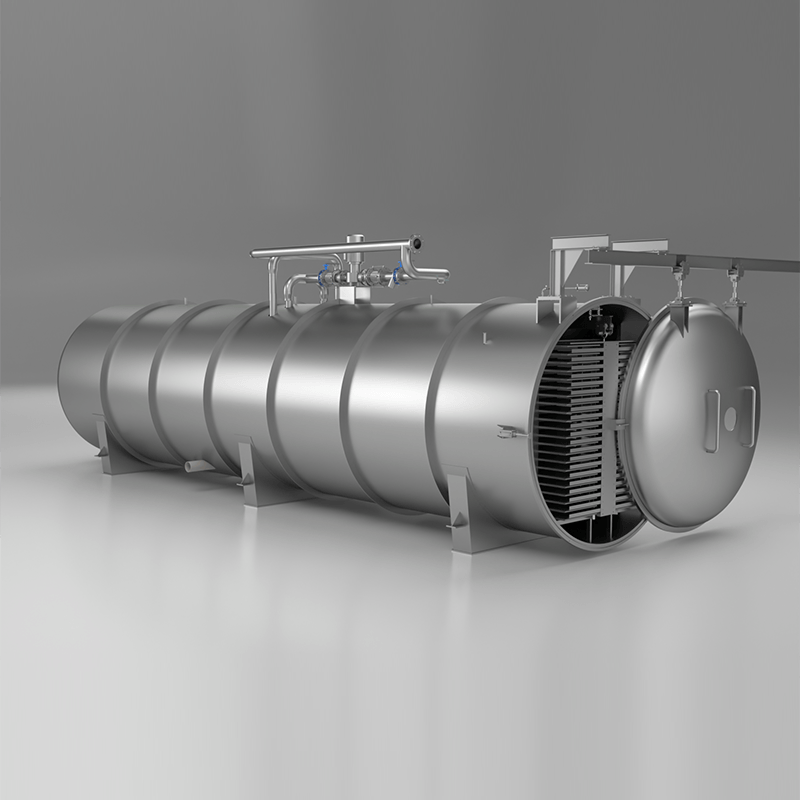
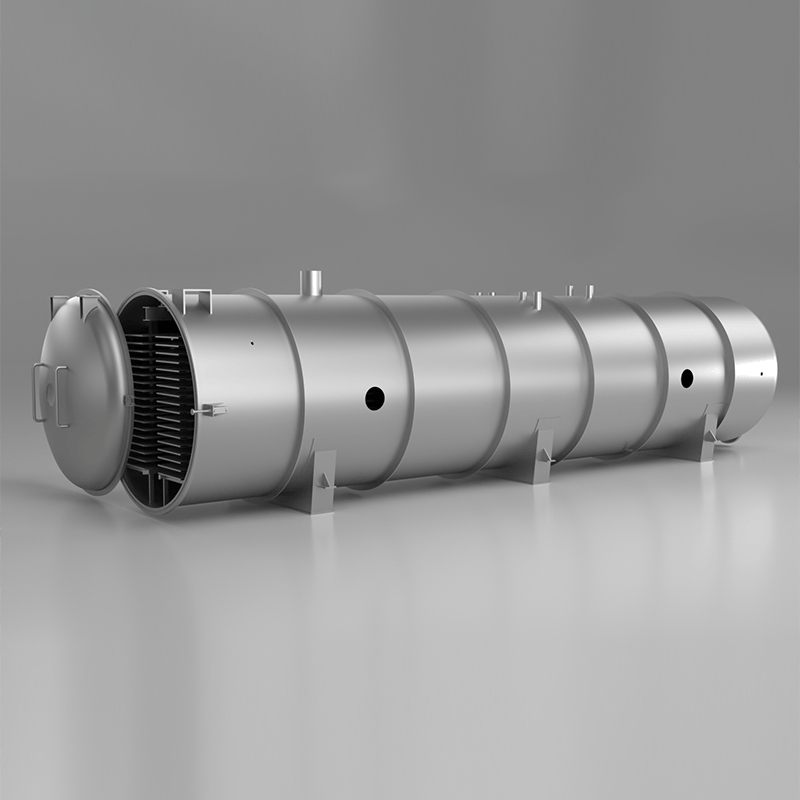
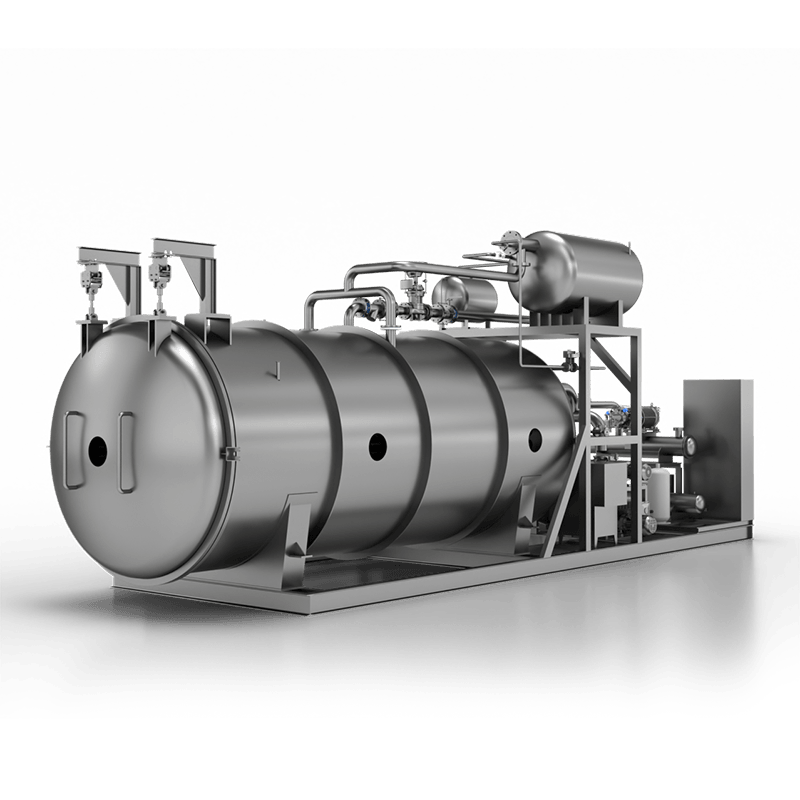
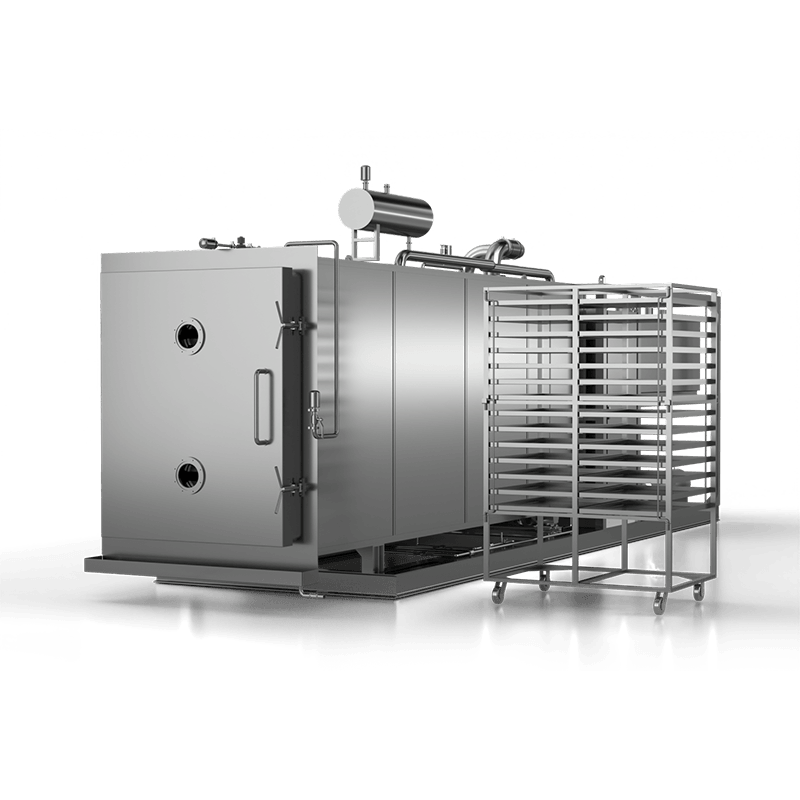
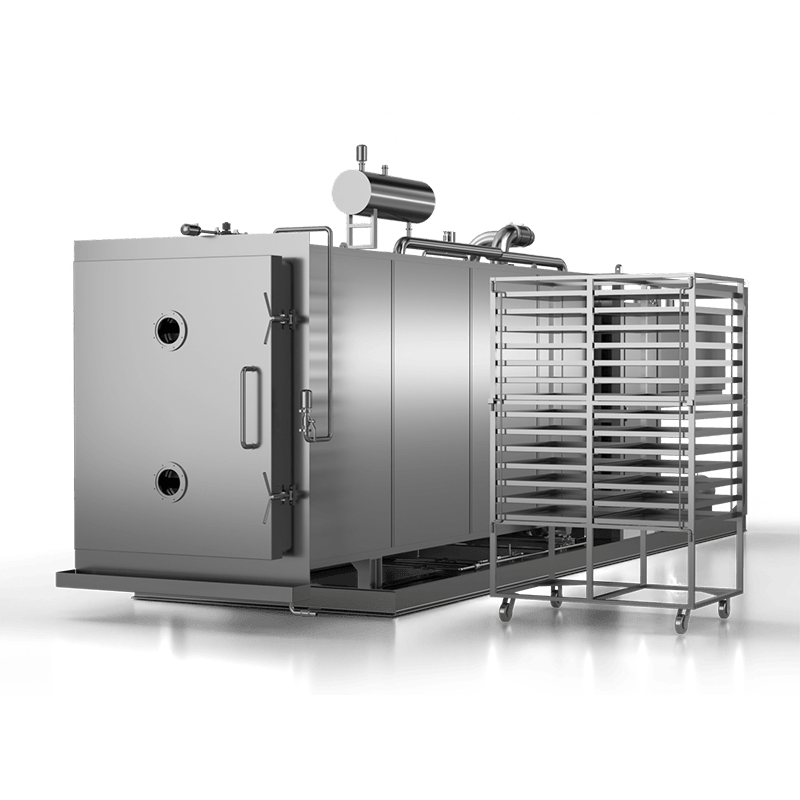
Selecting the optimal freeze drying equipment for pet care manufacturing requires a direct trade-off between initial capital expenditure (CapEx), batch processing time, and energy efficiency. Industrial continuous and batch freeze dryers dictate product quality, moisture retention rates, and structural integrity of high-value raw meat diets and treats. Producers scaling up must prioritize shelf-life stability, nutrient retention (averaging 97% preservation), and scalable throughput capacity over low upfront machinery costs to achieve sustainable long-term ROI.
The pet food landscape has shifted drastically toward raw, minimally processed, and species-appropriate diets. Modern pet parents increasingly demand transparency, premium ingredients, and maximum nutritional preservation. Traditional dehydration and extrusion methods often degrade essential amino acids, heat-sensitive vitamins, and beneficial enzymes due to high thermal exposure. Consequently, pet care brands are investing heavily in advanced freeze drying technology.
Freeze drying, or lyophilization, removes moisture through sublimation—transitioning water directly from ice to vapor under a deep vacuum. This process locks in the natural flavor, color, texture, and nutritional profile of raw meats, organs, and superfoods without requiring artificial preservatives. However, transitioning from pilot-scale units to full-scale industrial pet care freeze drying equipment presents complex engineering and financial decisions for manufacturers.
When scaling a pet food manufacturing facility, choosing the right machinery architecture is critical. The two primary categories dominating the market are batch freeze dryers and continuous industrial systems. Each serves distinct operational workflows and production capacities.
Energy management represents up to 40% of the operational expenditure (OpEx) in commercial pet food freeze drying facilities. High-value customers and operational directors look closely at condenser temperatures and vacuum pump efficiency to curb utility overheads.
Pet nutrition safety matches human food grade requirements in premium markets. Utilizing food-grade 304 or 316L stainless steel interior finishes prevents microbial harborage points and withstands aggressive Clean-In-Place (CIP) chemical protocols.
"Sanitary design principles in freeze drying infrastructure are no longer optional. Automated validation systems and HACCP compliance features integrated directly into the drying control panel save manufacturers hundreds of hours in regulatory audits."
For brand owners evaluating heavy machinery acquisition, the focus centers on payback duration. High-end freeze-dried pet foods command retail margins 3x to 5x higher than traditional kibble. A mid-sized commercial facility processing roughly 5,000 kg of wet raw materials weekly can typically amortize industrial freeze drying equipment within 24 to 36 months, provided capacity utilization remains above 80%.
Furthermore, reduction in shipping weight—achieved by removing up to 95% of moisture content—drastically lowers freight logistics costs, driving stronger profit margins across global distribution channels.
With proper routine maintenance, scheduled vacuum seal replacements, and consistent compressor servicing, heavy-duty industrial units operate efficiently for 15 to 20 years.
Freeze drying preserves over 97% of the original nutrients, vitamins, and minerals. Because it operates under low temperatures without thermal cooking, proteins and probiotics remain intact and biologically active.
Commercial setups require heavy-duty three-phase electrical power, reliable chilled water loops or cooling towers for condenser management, compressed air for pneumatic valves, and a stable vacuum pump system.
Yes, but tray loading density and freezing rates must be adjusted. Ground patties or shaped treats require different eutectic point profiling compared to whole muscle cuts to avoid structural deformation.
The refrigeration compressors maintaining the low-temperature condensers and the vacuum pumps running continuously during the primary and secondary drying stages consume the highest share of electrical power.


Sieno's whole series of freeze-drying equipment, covering the experimental research to the industrial scale, is energy efficient, stable, and reliable, with flexible customization as the core, to production, optimization of process, and multiple fields with green manufacturing solutions.
Sieno, based on the research of intelligent freeze-dried food, provides with custom process for the whole chain of freeze-dried technology support (including pretreatment, freeze-dried, and packaging), helping enterprises realize multiple improvements in efficiency, quality, and environmental protection.
Equiment & Soiution
Food Industry Pharmaceuticals Industry Agricultural Industry Pet Industry Beauty Care Industry Chemical Engineering & Laboratory Environmental Protection & Circular EconomyContact Info.
 +86 18068757376
  bolaike@jsblk.com
  Zhenglu Town, Tianning District, Changzhou City, Jiangsu Province, China
Follow Us
Copyright ©
Sieno Freeze-drying Technology Research Institute (Jiangsu) Co., Ltd
All Rights
Reserved
Custom One-Stop Freeze Drying Equipment Suppliers