English
  русский
  中文简体
中文简体 
Request a Quote

Industry News
 Home / Recent News / Industry News / Freeze-Drying Equipment for Herbaceous Plants: Technology, Applications, and Maintenance
  2026.03.26
 Industry News
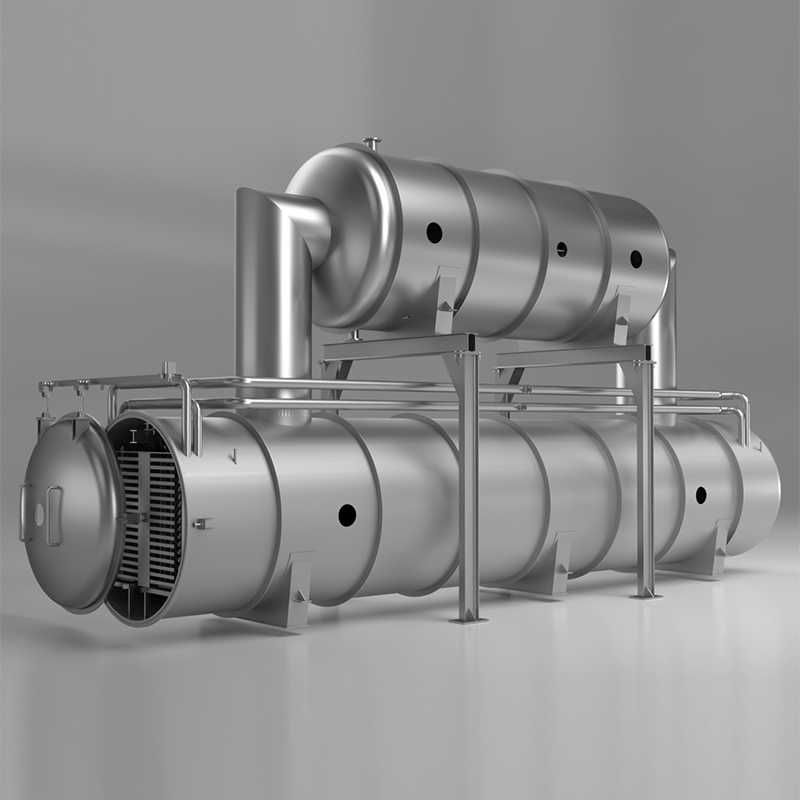
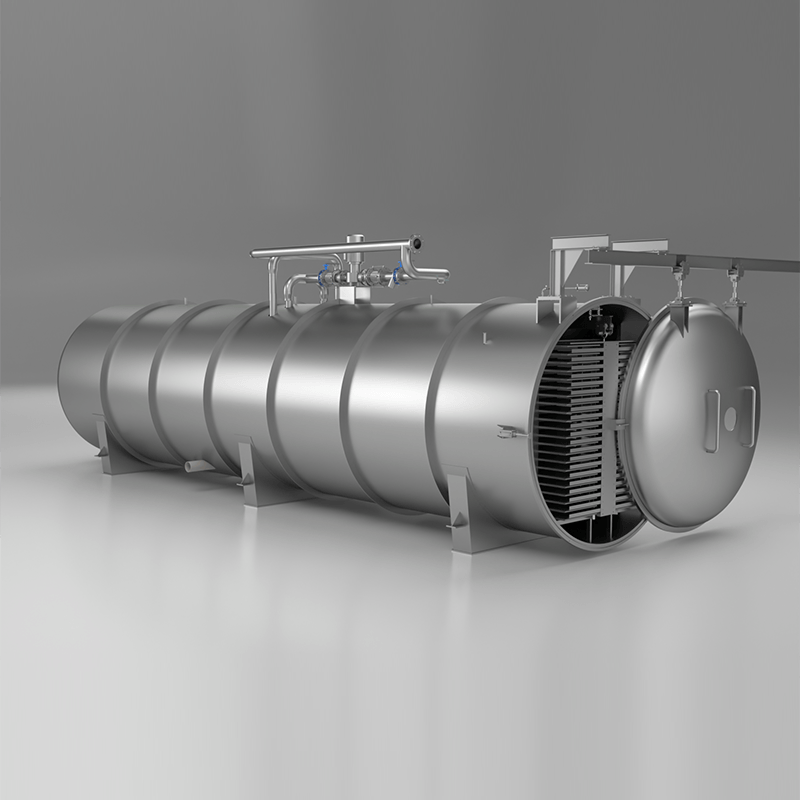
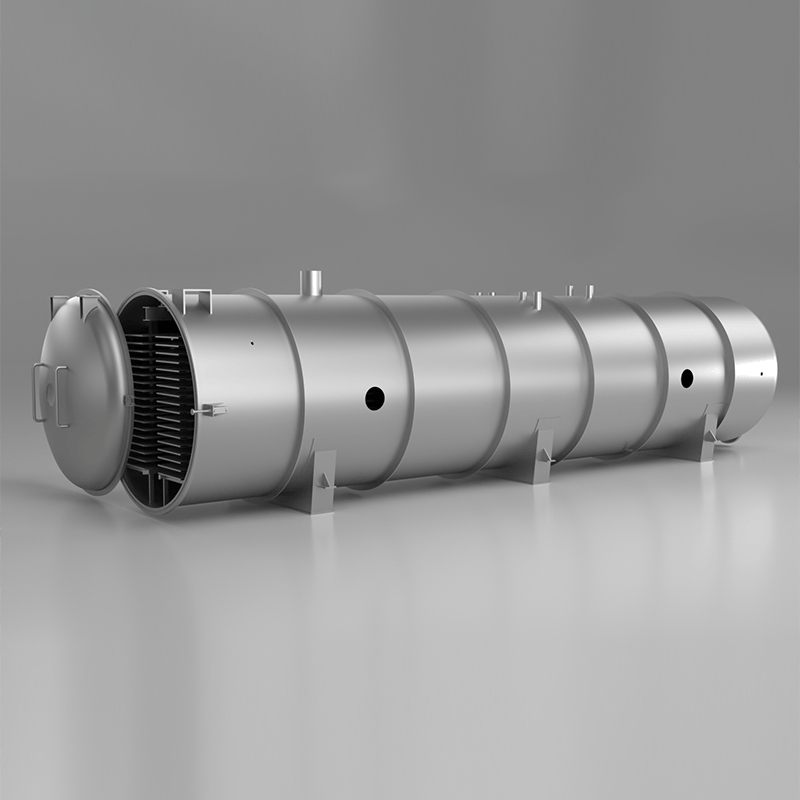
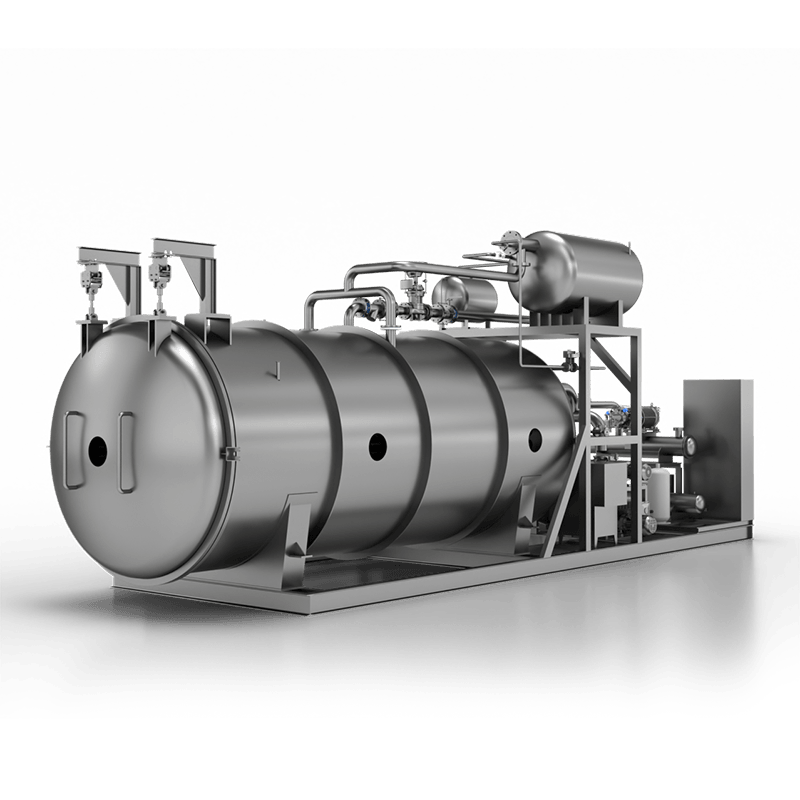
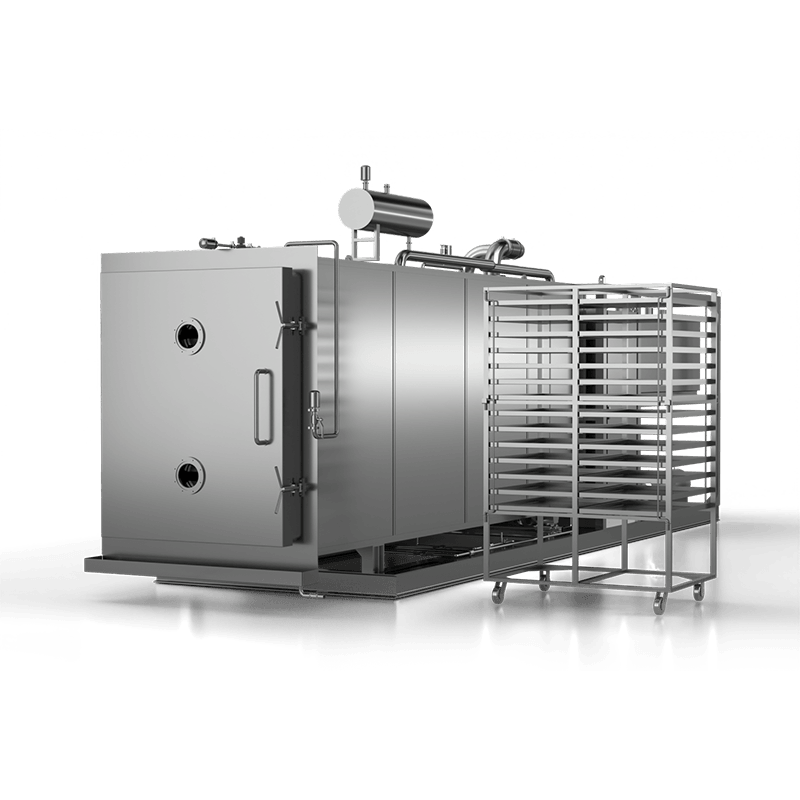
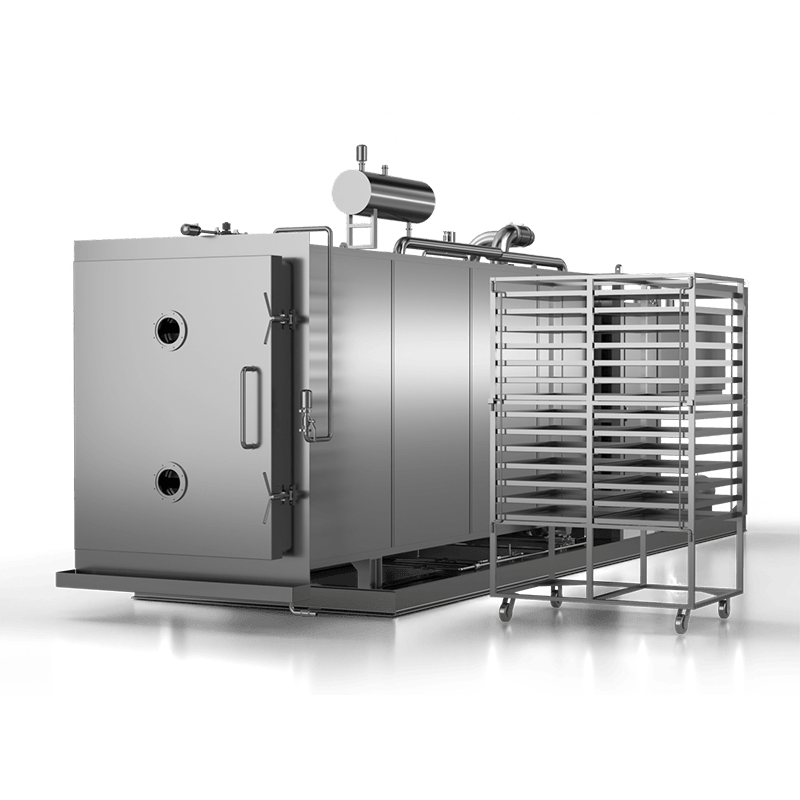
Freeze-drying equipment for herbaceous plants provides a controlled process to preserve active compounds, aroma, and nutrients by removing moisture under low temperatures and vacuum conditions. This method ensures high-quality dried products suitable for pharmaceuticals, herbal supplements, and food industries. Compared to traditional drying methods, freeze-drying maintains structural integrity, color, and potency of herbaceous plant materials.
Modern freeze-drying equipment for herbaceous plants integrates several technical features:
Herbaceous plant materials are first frozen to preserve cellular structures. Rapid freezing prevents ice crystal enlargement, which can damage delicate tissues. Maintaining low temperatures during this stage is critical for optimal quality.
In primary drying, the frozen water undergoes sublimation under vacuum. Heat is applied gradually, and moisture is removed without melting, preserving the plant’s bioactive compounds and texture.
Residual water is removed during secondary drying at slightly higher temperatures. This ensures the final product has low moisture content, which extends shelf life and prevents microbial growth.
Freeze-dried herbaceous plants are used across multiple industries:
| Drying Method | Moisture Content (%) | Color Retention | Nutrient Preservation | Texture |
|---|---|---|---|---|
| Freeze-Drying | ≤5 | High | High | Crisp/Original |
| Air Drying | 8–12 | Medium | Medium | Shrunken/Soft |
| Oven Drying | 6–10 | Low | Low | Brittle |
Proper operation and maintenance of freeze-drying equipment ensures efficiency and longevity:


Sieno's whole series of freeze-drying equipment, covering the experimental research to the industrial scale, is energy efficient, stable, and reliable, with flexible customization as the core, to production, optimization of process, and multiple fields with green manufacturing solutions.
Sieno, based on the research of intelligent freeze-dried food, provides with custom process for the whole chain of freeze-dried technology support (including pretreatment, freeze-dried, and packaging), helping enterprises realize multiple improvements in efficiency, quality, and environmental protection.
Equiment & Soiution
Food Industry Pharmaceuticals Industry Agricultural Industry Pet Industry Beauty Care Industry Chemical Engineering & Laboratory Environmental Protection & Circular EconomyContact Info.
 +86 18068757376
  bolaike@jsblk.com
  Zhenglu Town, Tianning District, Changzhou City, Jiangsu Province, China
Follow Us
Copyright ©
Sieno Freeze-drying Technology Research Institute (Jiangsu) Co., Ltd
All Rights
Reserved
Custom One-Stop Freeze Drying Equipment Suppliers