English
  русский
  中文简体
中文简体 
Request a Quote

Industry News
 Home / Recent News / Industry News / Beverage Freeze Drying Equipment: Technology Innovations and Market Trends
  2026.03.19
 Industry News
Beverage freeze drying equipment plays a crucial role in preserving the quality of liquid beverages while extending shelf life without compromising taste or nutritional value. By using this technology, manufacturers can produce lightweight, rehydrated beverages that retain their original flavor, nutrients, and texture after reconstitution.
Freeze drying has become increasingly important in the food and beverage industry due to its ability to preserve beverages in a stable, portable form. This technology is commonly used for tea, coffee, fruit juices, smoothies, and other liquid products.
Freeze drying, also known as lyophilization, is a dehydration process that removes water from beverages while they are frozen. The process involves three primary stages: freezing, primary drying (sublimation), and secondary drying (desorption).
During the freezing stage, the beverage is cooled to a very low temperature, causing the water in it to freeze. In the primary drying phase, the temperature is gradually increased under a vacuum, which allows the frozen water to transition directly from a solid to a gas, bypassing the liquid phase. The secondary drying phase further reduces any residual moisture, ensuring the beverage is fully dried.
The result is a product that is lightweight, compact, and easy to store, with a long shelf life and minimal nutrient degradation.
There are numerous benefits to incorporating freeze drying equipment into beverage production, including:
There are different types of freeze drying equipment designed for various beverage production needs. The choice of equipment depends on the production scale, type of beverage, and desired outcome.
Commonly used beverage freeze drying systems include:
Small-scale freeze dryers are typically used for R&D, laboratory-scale production, or for small businesses. These units are compact, easy to operate, and relatively affordable, making them suitable for experimenting with new beverages or limited production batches.
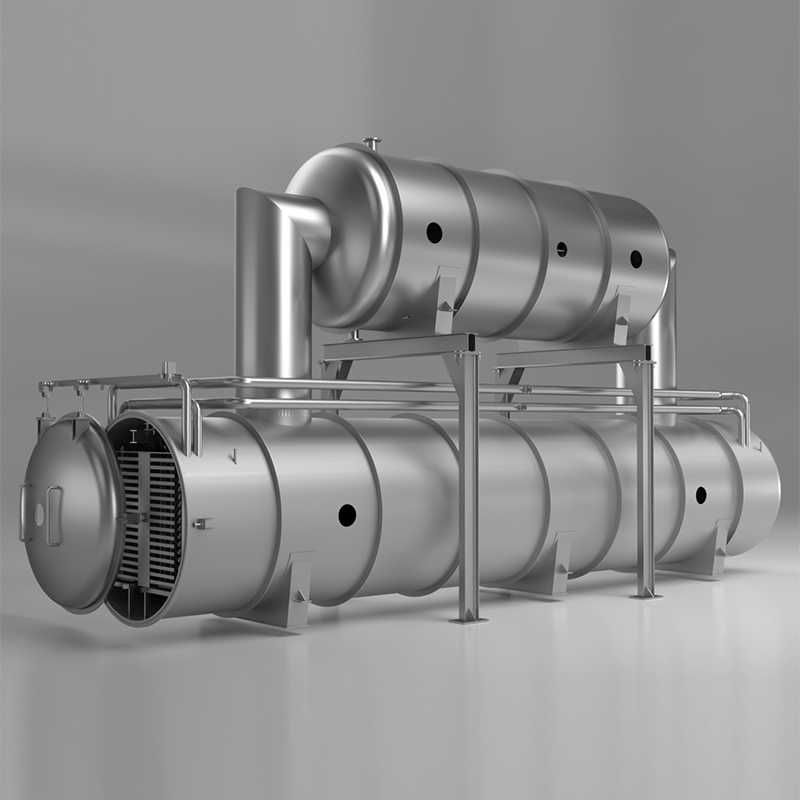
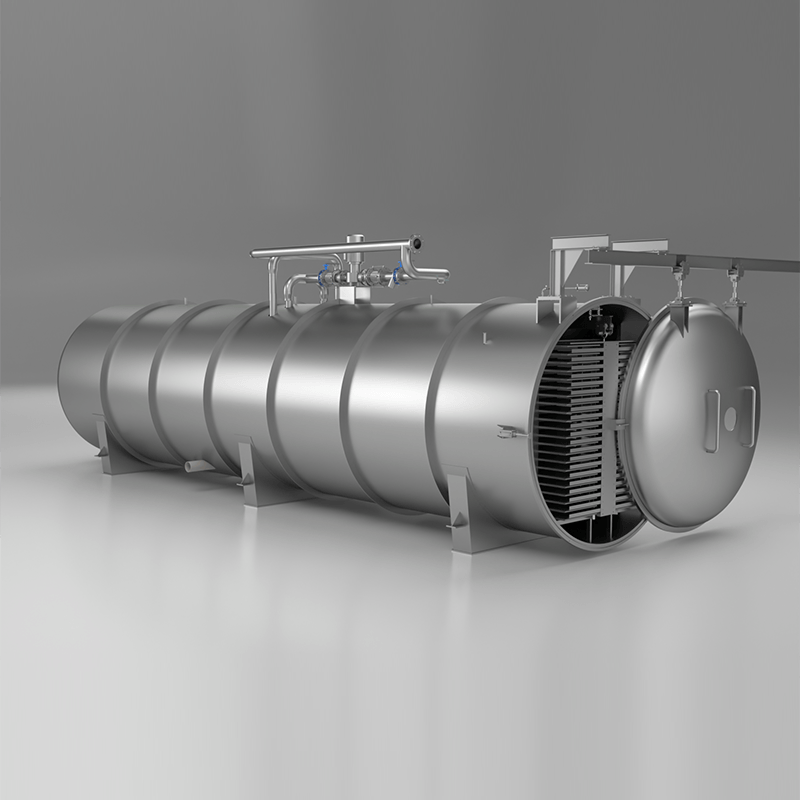
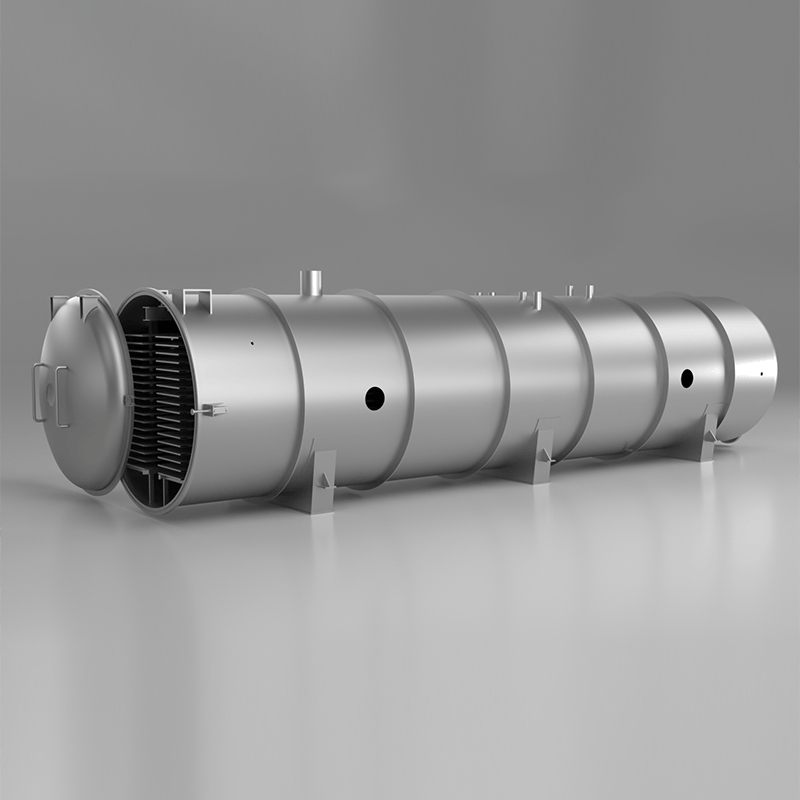
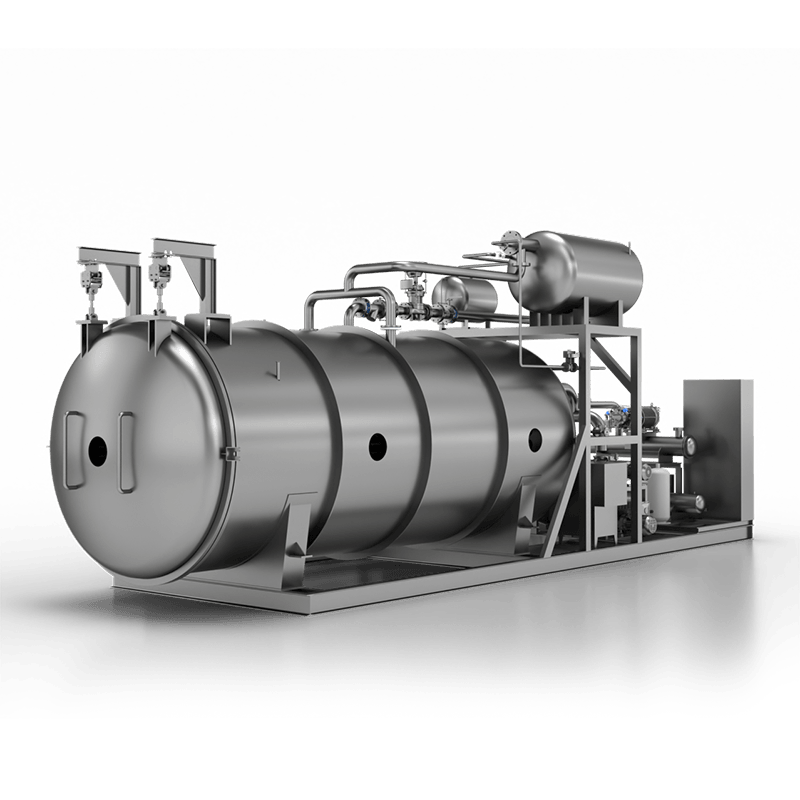
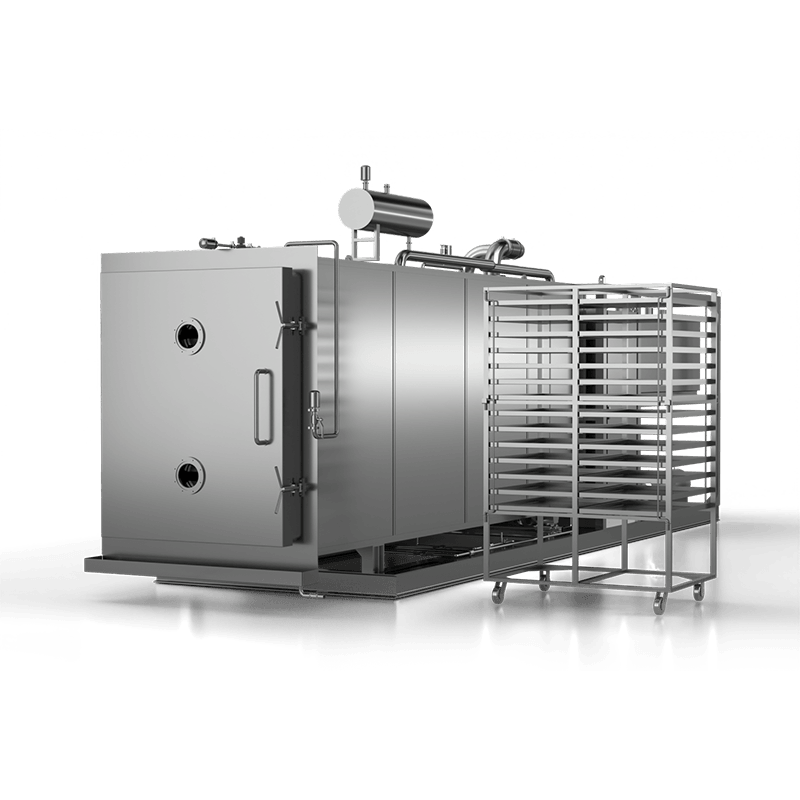
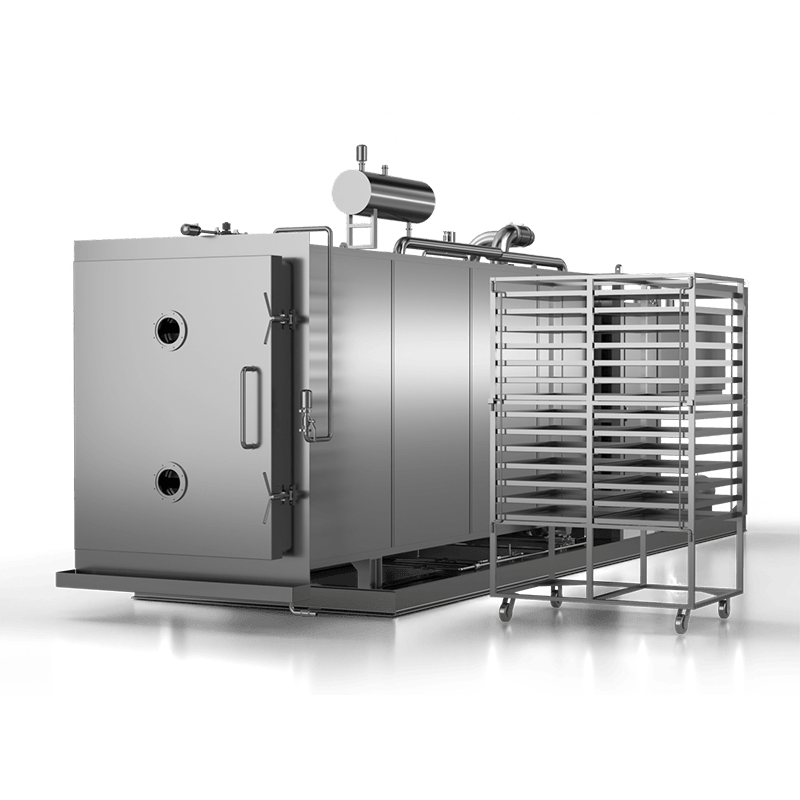
Industrial-scale freeze dryers are designed for large-scale production. These machines are much larger, capable of handling high volumes of beverages, and are equipped with advanced features such as automated controls and large drying chambers. They are ideal for companies looking to mass-produce freeze-dried beverages efficiently.
Pilot freeze dryers are medium-sized units that bridge the gap between small-scale and industrial-scale machines. They are often used for larger production tests or scaling up from R&D to full-scale production.
Selecting the right freeze drying equipment for your beverage production involves several important factors:
The cost of beverage freeze drying equipment varies based on the type, size, and features. For small-scale equipment, prices typically start at around $10,000 to $50,000. Industrial-scale machines, however, can cost between $100,000 to $1 million or more.
When considering the total cost of ownership, it’s essential to factor in maintenance, energy consumption, and any necessary training for operators. Despite the high upfront cost, freeze drying can lead to long-term savings by extending product shelf life and reducing waste.


Sieno's whole series of freeze-drying equipment, covering the experimental research to the industrial scale, is energy efficient, stable, and reliable, with flexible customization as the core, to production, optimization of process, and multiple fields with green manufacturing solutions.
Sieno, based on the research of intelligent freeze-dried food, provides with custom process for the whole chain of freeze-dried technology support (including pretreatment, freeze-dried, and packaging), helping enterprises realize multiple improvements in efficiency, quality, and environmental protection.
Equiment & Soiution
Food Industry Pharmaceuticals Industry Agricultural Industry Pet Industry Beauty Care Industry Chemical Engineering & Laboratory Environmental Protection & Circular EconomyContact Info.
 +86 18068757376
  bolaike@jsblk.com
  Zhenglu Town, Tianning District, Changzhou City, Jiangsu Province, China
Follow Us
Copyright ©
Sieno Freeze-drying Technology Research Institute (Jiangsu) Co., Ltd
All Rights
Reserved
Custom One-Stop Freeze Drying Equipment Suppliers