English
  русский
  中文简体
中文简体 
Request a Quote

Industry News
 Home / Recent News / Industry News / Comprehensive Guide to Herbaceous Plant Freeze-Drying Equipment and Applications
  2026.03.12
 Industry News
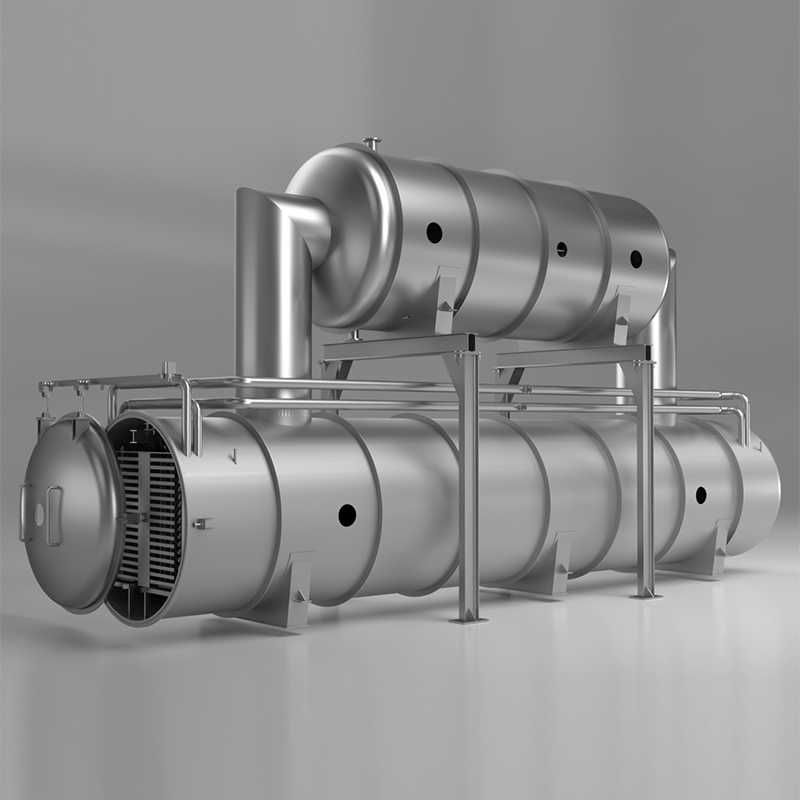
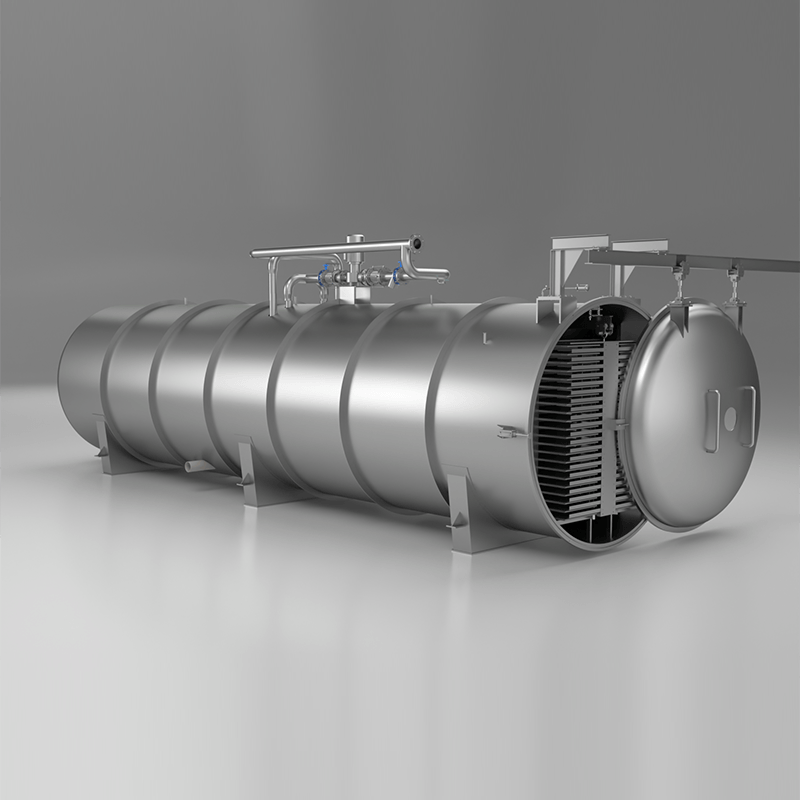
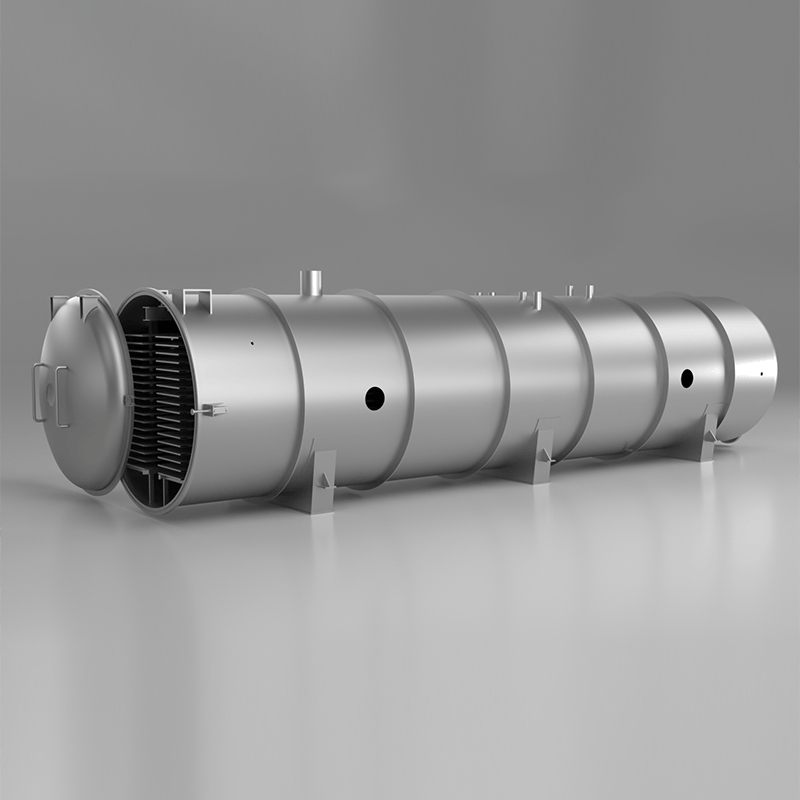
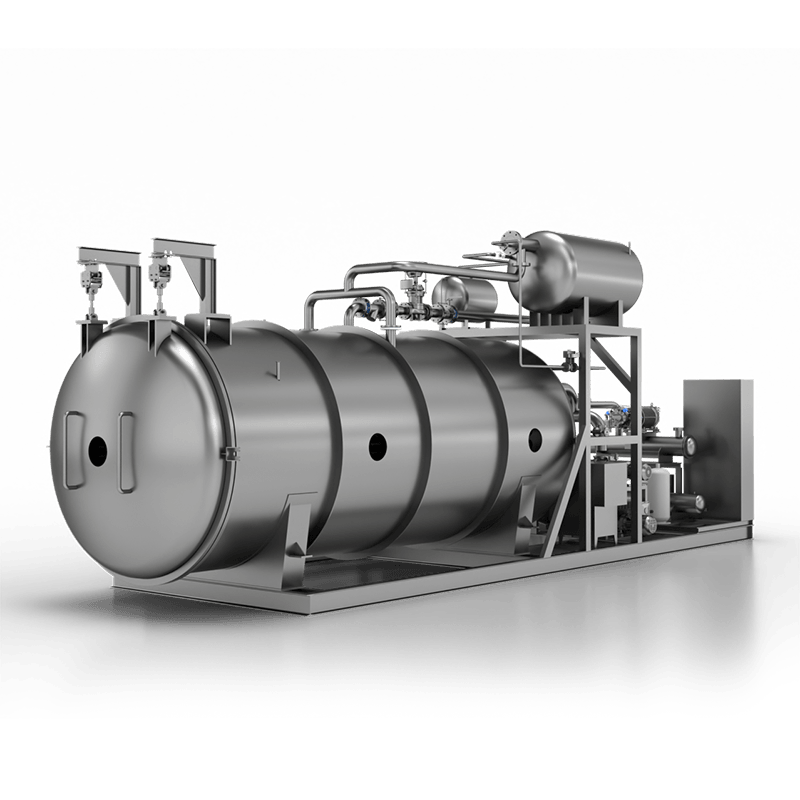
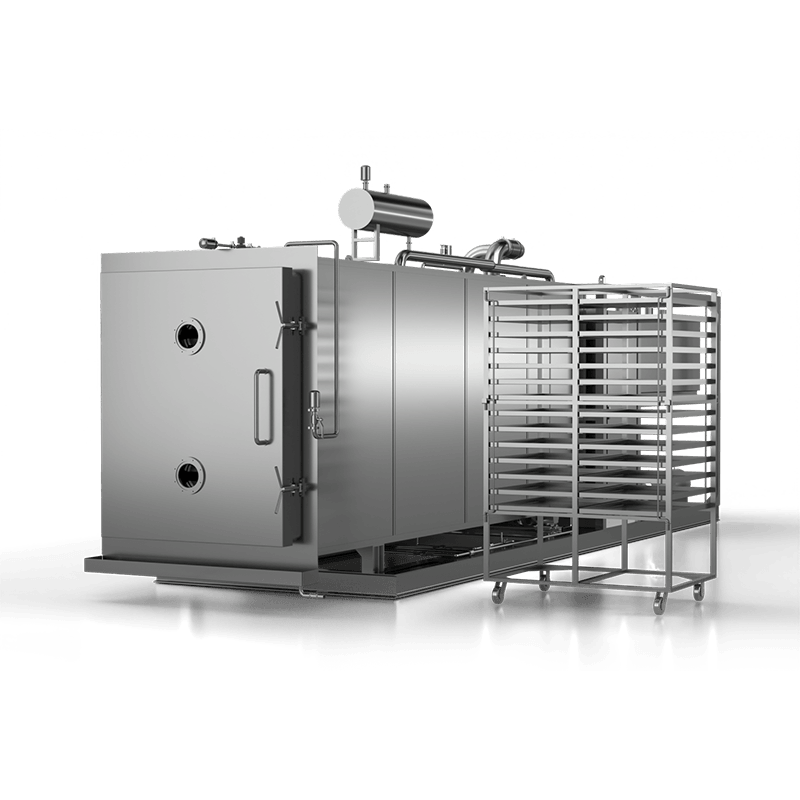
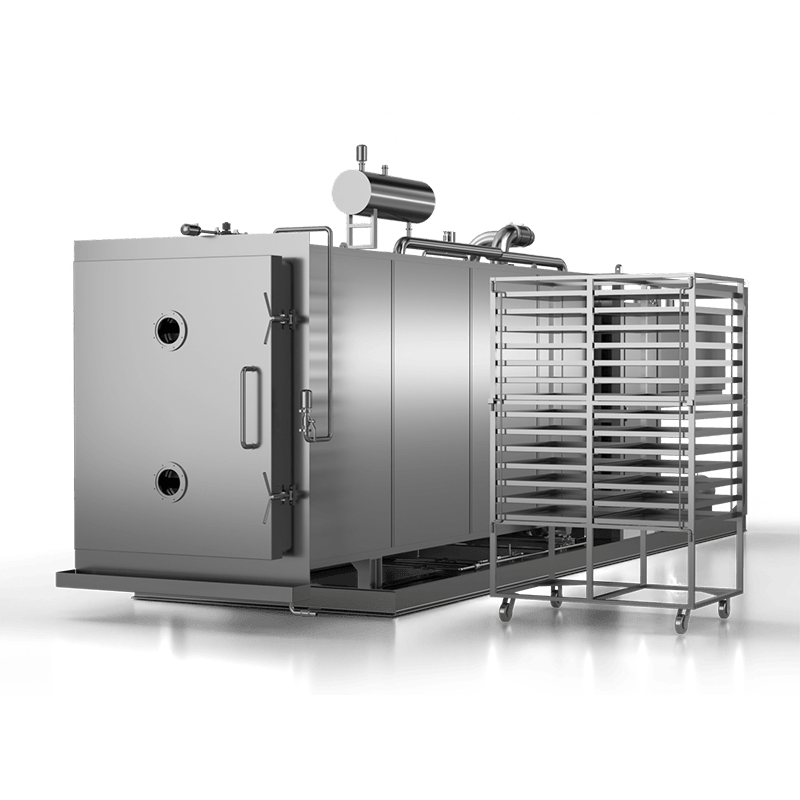
Herbaceous plant freeze-drying equipment is a vital solution for preserving medicinal, culinary, and aromatic plants while maintaining their active compounds, flavor, and color. Using specialized freeze-drying equipment ensures long shelf life and minimal nutrient loss compared to conventional drying methods.These systems work by freezing plant materials at extremely low temperatures and then removing moisture through sublimation under vacuum conditions. The process prevents enzymatic degradation, microbial growth, and oxidation, which are common issues in traditional drying.
Modern herbaceous plant freeze-drying equipment consists of several critical components designed to optimize drying efficiency and product quality.
The freezing system rapidly lowers the temperature of plant materials, often reaching -40°C to -60°C. Rapid freezing forms small ice crystals, preserving cell structure and reducing damage to delicate tissues.
The vacuum chamber creates a low-pressure environment that facilitates sublimation, allowing ice within the plant tissue to transition directly from solid to vapor. Precise vacuum control ensures uniform drying and prevents shrinkage or collapse of plant structures.
Condensers capture water vapor removed during sublimation. Advanced refrigeration units maintain consistent low temperatures to enhance condensation efficiency and reduce energy consumption.
Freeze-drying offers multiple benefits compared to conventional drying methods, particularly for sensitive herbaceous plants.
Controlling process parameters is essential for ensuring high-quality freeze-dried herbaceous plants.
| Parameter | Typical Range | Effect on Product |
|---|---|---|
| Freezing Temperature | -40°C to -60°C | Prevents cell rupture, maintains texture |
| Vacuum Pressure | 50–200 Pa | Ensures uniform sublimation, avoids collapse |
| Shelf Temperature | 20–40°C | Controls drying speed and prevents thermal damage |
| Drying Time | 24–72 hours | Depends on plant type, size, and moisture content |
Freeze-dried herbaceous plants are widely used across industries due to their preserved quality, convenience, and stability.
Choosing the proper freeze-drying equipment depends on plant type, batch size, and production goals. Laboratory-scale units are suitable for research and small batches, while industrial units provide continuous processing for large-scale herbal production.


Sieno's whole series of freeze-drying equipment, covering the experimental research to the industrial scale, is energy efficient, stable, and reliable, with flexible customization as the core, to production, optimization of process, and multiple fields with green manufacturing solutions.
Sieno, based on the research of intelligent freeze-dried food, provides with custom process for the whole chain of freeze-dried technology support (including pretreatment, freeze-dried, and packaging), helping enterprises realize multiple improvements in efficiency, quality, and environmental protection.
Equiment & Soiution
Food Industry Pharmaceuticals Industry Agricultural Industry Pet Industry Beauty Care Industry Chemical Engineering & Laboratory Environmental Protection & Circular EconomyContact Info.
 +86 18068757376
  bolaike@jsblk.com
  Zhenglu Town, Tianning District, Changzhou City, Jiangsu Province, China
Follow Us
Copyright ©
Sieno Freeze-drying Technology Research Institute (Jiangsu) Co., Ltd
All Rights
Reserved
Custom One-Stop Freeze Drying Equipment Suppliers