English
  русский
  中文简体
中文简体 
Request a Quote

Industry News
 Home / Recent News / Industry News / How Much Can You Make Selling Freeze-Dried Candy? Real Numbers Explained
  2026.10.14
 Industry News
How much can you make selling freeze-dried candy? The honest answer is that your income is decided by your equipment and your pricing far more than by how busy the market is. Every week we talk with people who bought a small dryer, ran a few batches, and then wondered why the numbers refused to add up. Almost always the limit was capacity, not demand.
This guide sets out realistic earning ranges, the batch math behind them, the costs that quietly shrink the total, and the point at which a bigger machine finally starts to pay for itself.
The most common mistake is to multiply the retail value of one batch by thirty and call it a monthly income. Real operations lose days to defrosting, loading, packing, shipping and rework, and most settle at 60 to 80 percent of theoretical utilization.
| Operating scale | Typical machine | Cycles per month | Monthly revenue | Typical gross margin |
|---|---|---|---|---|
| Evenings and weekends | Countertop or small commercial unit | 8-12 | $1,500-$4,000 | 55-70% |
| Full time, one operator | One mid-size industrial unit | 20-28 | $6,000-$15,000 | 45-60% |
| Small factory | Three or more industrial units | 60-90 | $25,000-$60,000 | 35-50% |
The pattern matters more than the exact figures. Revenue grows with throughput, but margin percentage usually falls as you scale, because growth means selling more at wholesale prices and paying for help. A weekend seller charging $9 for a 5 oz bag can keep 60 percent or more. A workshop filling distributor orders at $4 a bag often works on 35 to 45 percent.
Strip away the marketing and every candy operation comes down to one short calculation:
Here is how a single mid-size batch looks on paper, with round numbers you can adjust to your own prices.
| Item | Basis | Per batch |
|---|---|---|
| Finished candy | Roughly 10 percent weight lost in drying | ~90 lb |
| Packaged units | 5 oz bags | ~288 bags |
| Candy input | $4 per lb fresh | $400 |
| Packaging | $0.25 per bag | $72 |
| Labour | 4 hours at $18 per hour | $72 |
| Energy | One 24-hour cycle | ~$25 |
| Retail revenue | $8 per bag | $2,304 |
| Retail gross profit | Revenue less the costs above | ~$1,735 |
| Wholesale revenue | $4 per bag | $1,152 |
| Wholesale gross profit | Revenue less the costs above | ~$583 |
Two lessons come out of that table. First, your price per ounce moves the final figure more than anything the machine does. Second, packaging and labour together cost about as much as the candy itself, which is why so many candy businesses look healthy on a spreadsheet and thin in the bank account.
Before you count your earnings, count these:
A freeze dryer fixes two numbers you cannot negotiate with: how much product fits in the chamber, and how long a cycle runs. Everything you earn is a multiple of those two figures, which is why equipment choice is really a revenue decision.
When we size equipment with customers, we look at usable tray area, condenser capacity, and how evenly the shelves hold temperature, because candy needs a fast, even puff. Radiant and contact heating behave very differently on sugar, and automation on loading and unloading is often what makes a second shift possible without hiring.
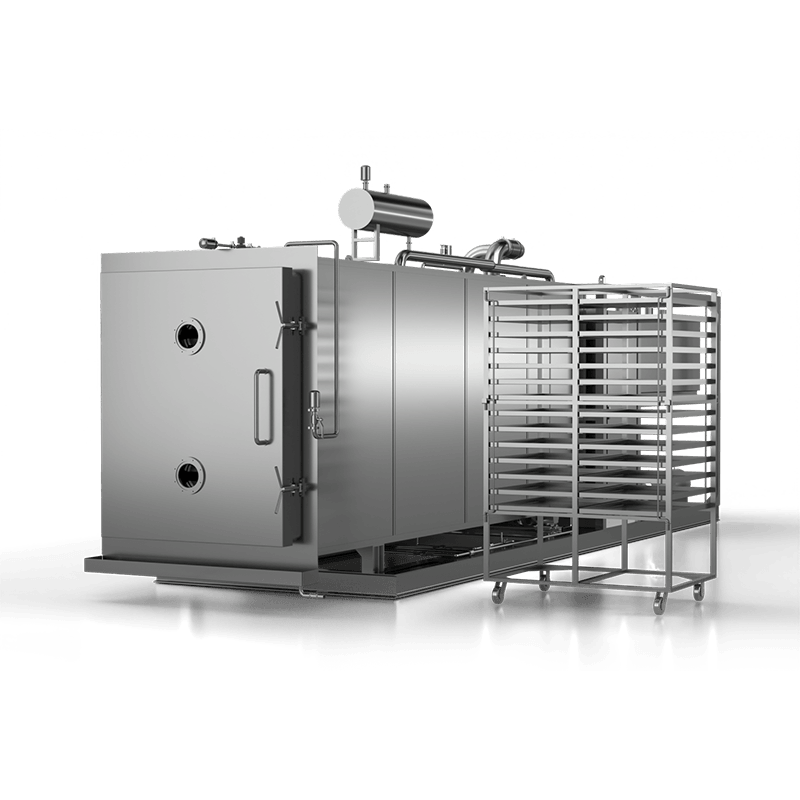
 Vacuum Freeze Dryer for Healthy Snack Freeze-Dried ProductsCore low-temperature sublimation drying equipment for retaining flavor, nutrition and structure in low-sugar, high-fiber freeze-dried snacks; useful when scaling from recipe development.View Product →
A dryer far larger than your sales can support ties up capital and runs half-empty cycles, which is expensive. A dryer one size too small caps your income permanently. The usual route is to start small for recipe development, then step up to production capacity once your bags are actually selling.
Hard sugar candies, fruit chews, taffy, nougat, marshmallows and candy-coated chocolates puff reliably and hold their shape after packing. Plain chocolate bars, fudge and other high-fat items are a poor fit, because fat does not sublimate, and what comes out is grainy rather than crisp. Cheap gummies that are mostly syrup can collapse into a sticky sheet.
Because confectionery recipes are reformulated constantly, a product that behaved perfectly two years ago may behave differently today. We keep notes on texture, puff height and common failure modes in our work on freeze-dried candy snack innovation, and it is worth running a small trial batch every time you switch suppliers.
Most of your margin is decided inside the chamber. Freezing rate, shelf temperature ramps, chamber pressure and the drying endpoint all influence whether candy comes out light and crisp or collapsed with a chewy centre.
Two habits protect yield. First, stop the cycle on moisture, not on the clock, because an under-dried centre turns sticky within days. Second, resist the temptation to shorten cycles by pushing shelf temperature; sugar darkens, colours fade, and the batch ends up in the discount bin.
Every product behaves a little differently, and trial and error is expensive at full production scale. Our lyophilization recipe development work runs those trials on small batches, records the curve, and hands over a repeatable programme for the production machine.
Freeze-dried candy is hygroscopic, meaning it pulls moisture out of the air and softens. Packaging is what stops a premium product from becoming an ordinary one in transit. In practice that means a high-barrier bag, a clean seal, and a nitrogen flush for anything stored longer than a few weeks.
Packaging is also where labour quietly accumulates. Counting, filling, sealing and labelling by hand at 250 bags a day is a full-time job, and automating that step often changes the margin more than a bigger dryer would.
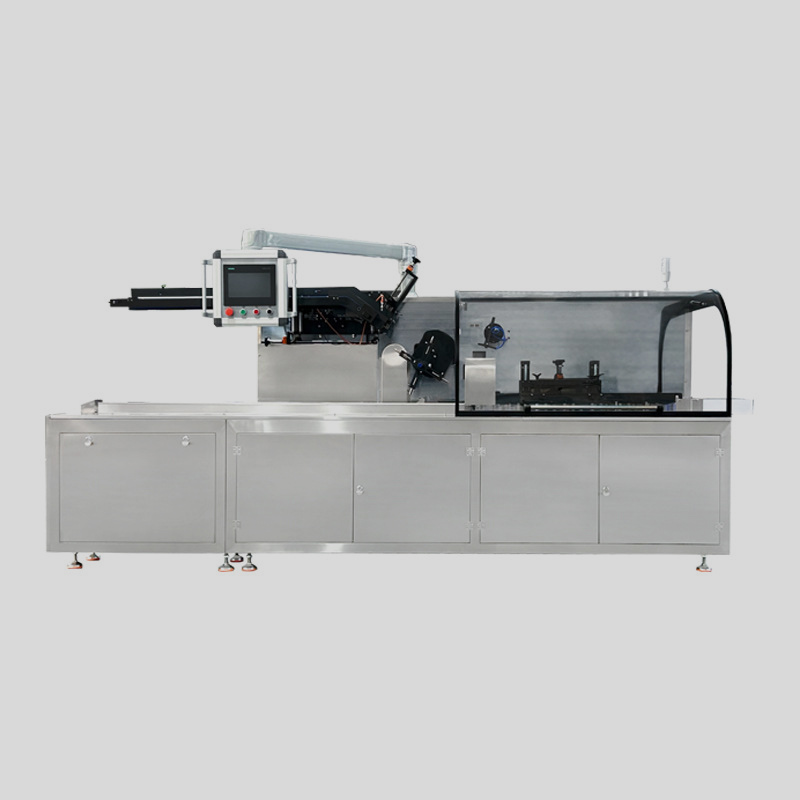 Nitrogen-Filled Aluminum Foil Packaging Machine for Freeze-Dried SnacksAutomates sealing and nitrogen filling at 80 packs per minute, helping freeze-dried snack producers cut manual packaging labour and extend shelf life.View Product →
When your dryer runs six days a week and orders are still waiting, the bottleneck has moved to the chamber. That is the moment to consider a second machine, a larger chamber or continuous drying, rather than simply working later at night.
At that stage the questions change. Energy per kilogram of finished product matters more than the purchase price. Automatic loading and unloading stops labour from scaling with volume. Remote monitoring lets one person keep an eye on several machines at once. Chilling, freezing, packing and inspection all have to match the dryer's rhythm, which is why larger projects are usually designed around the product first and the room second.
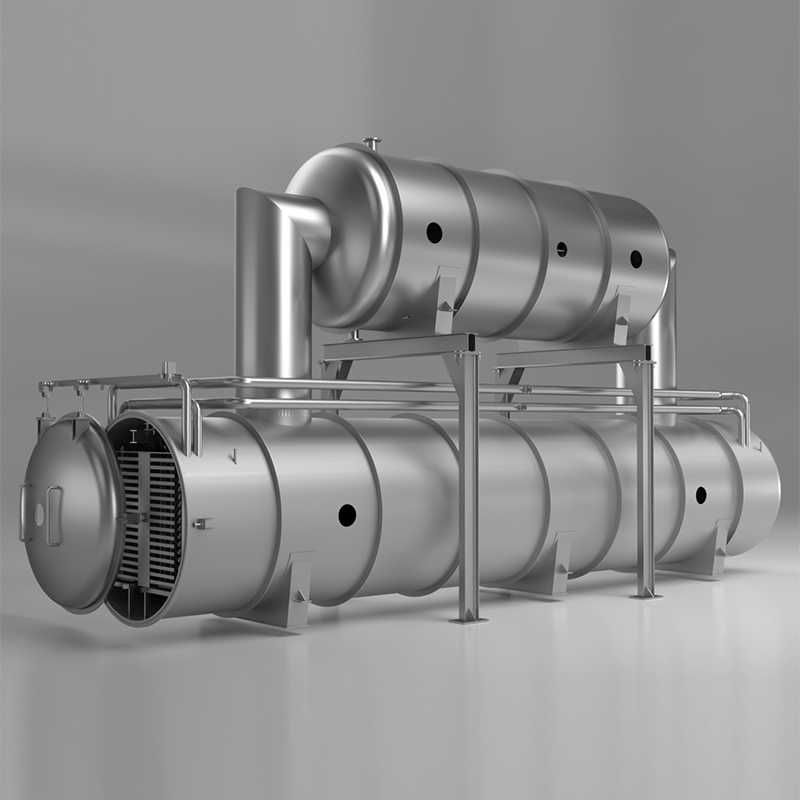
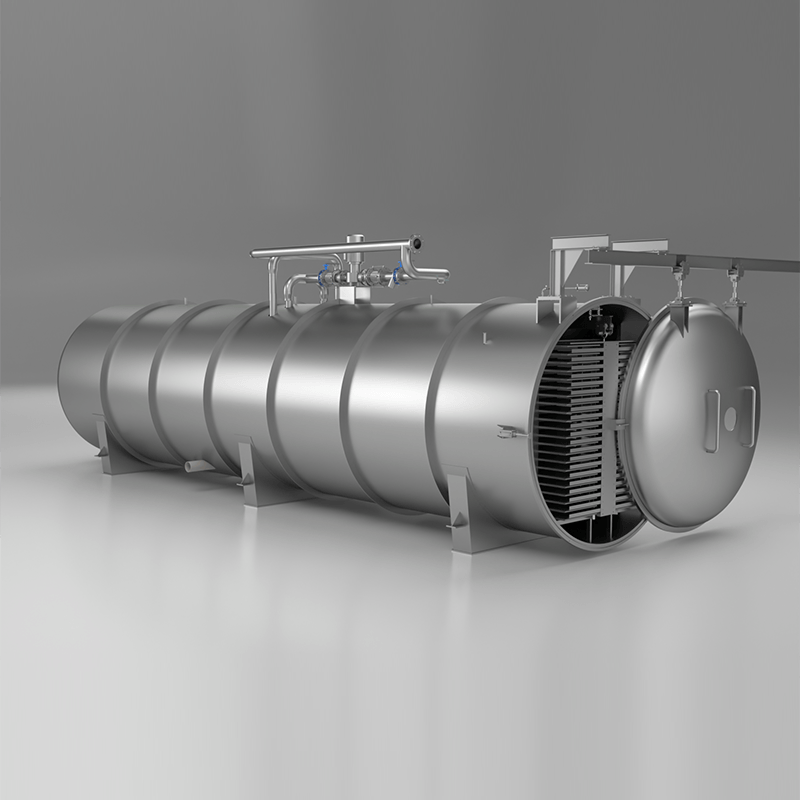
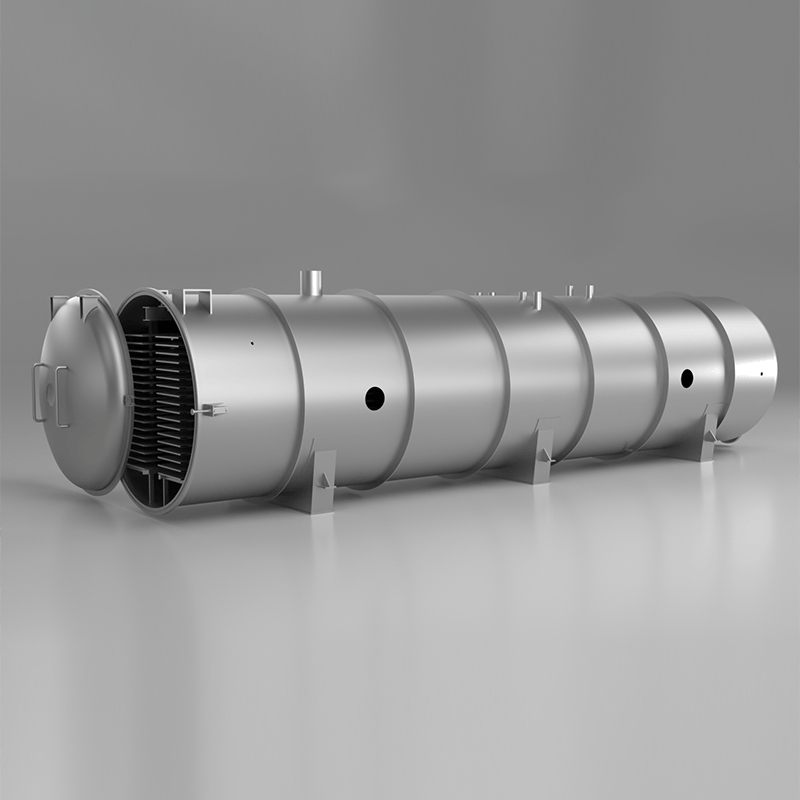
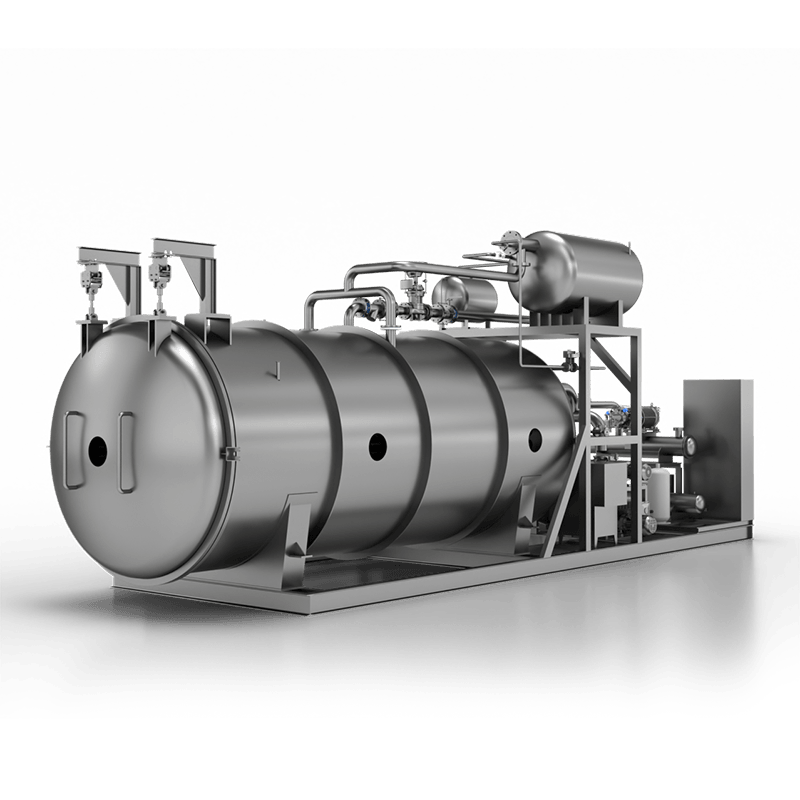
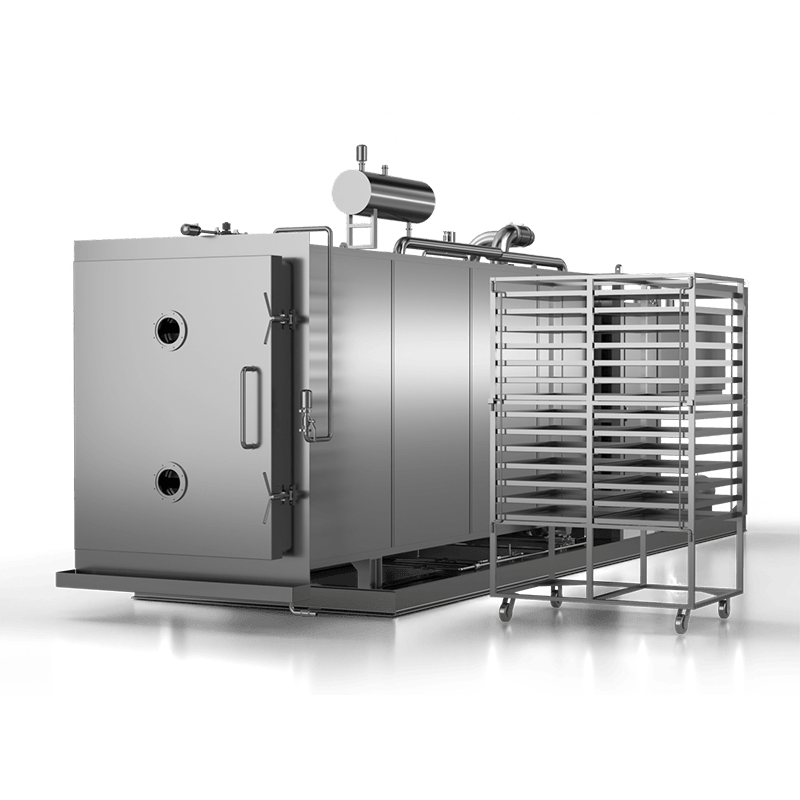
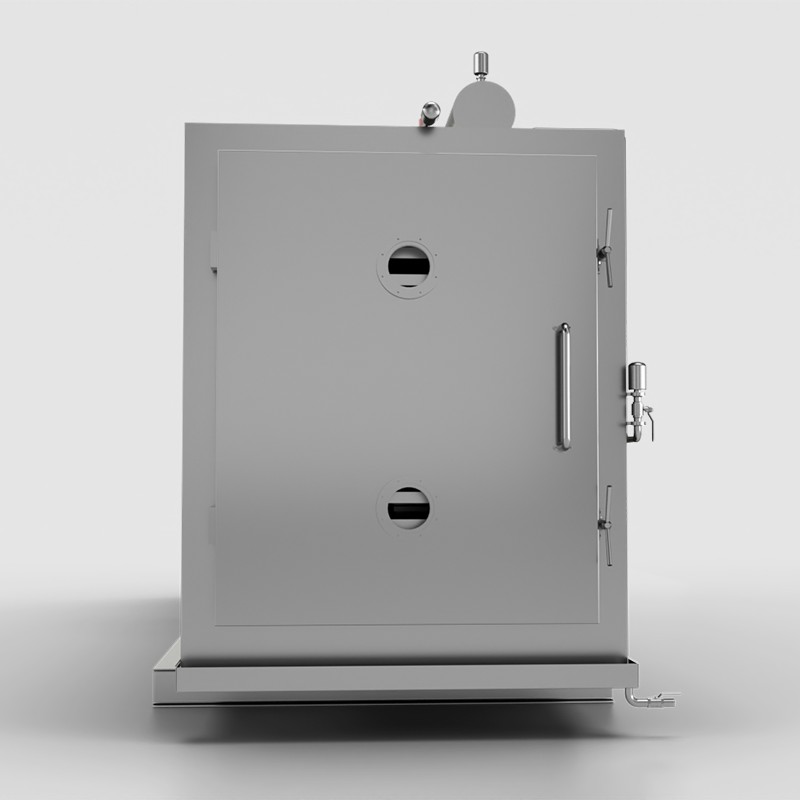
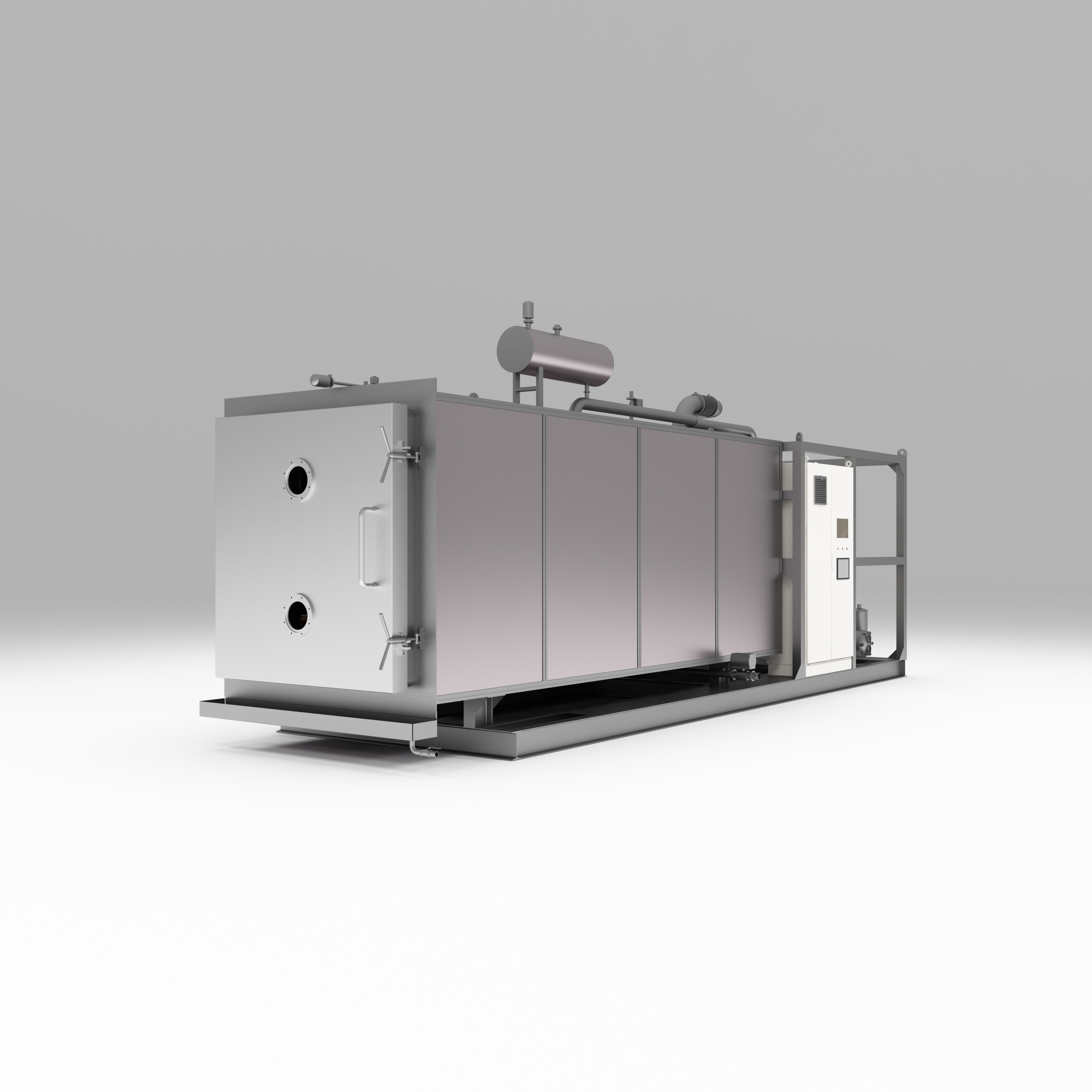 High-Capacity 400KG Freeze Dryer for Factory Production LinesIndustrial freeze dryer with SUS304 chamber, 84 trays, and roughly 140 kW installed power for uniform factory-scale production; consider only when sales justify capacity.View Product →
One caution: scale only when sales are the reason. Extra capacity that sits idle still consumes power, space and maintenance budget, and it never shows up in your revenue line.
A single mid-size unit used consistently, with product sold at retail prices, commonly supports $6,000 to $15,000 in monthly revenue and roughly half of that as gross profit before overhead. Sell only at wholesale and the same machine produces a fraction of that.
Most confectionery needs 20 to 32 hours in the chamber, plus defrosting, loading and unloading. Soft or thick items can run longer, and rushing the cycle is the fastest way to ruin texture.
Yes, provided your candy input stays below roughly 20 percent of your selling price. When bulk prices jump, raise your bag price or reduce bag size rather than absorbing the difference, because margin lost on every bag is very hard to recover later.
The candy is the easy part. What actually decides your income is capacity, cycle discipline, price per bag, and keeping packaging and labour under control. Get those four right and the earnings follow almost automatically.
If you are planning a line or simply want to know what your product would realistically yield, our engineers are happy to work through the numbers with you, starting from your candy, your bag size and your target price.


Sieno's whole series of freeze-drying equipment, covering the experimental research to the industrial scale, is energy efficient, stable, and reliable, with flexible customization as the core, to production, optimization of process, and multiple fields with green manufacturing solutions.
Sieno, based on the research of intelligent freeze-dried food, provides with custom process for the whole chain of freeze-dried technology support (including pretreatment, freeze-dried, and packaging), helping enterprises realize multiple improvements in efficiency, quality, and environmental protection.
Equiment & Soiution
Food Industry Pharmaceuticals Industry Agricultural Industry Pet Industry Beauty Care Industry Chemical Engineering & Laboratory Environmental Protection & Circular EconomyContact Info.
 +86 18068757376
  bolaike@jsblk.com
  Zhenglu Town, Tianning District, Changzhou City, Jiangsu Province, China
Follow Us
Copyright ©
Sieno Freeze-drying Technology Research Institute (Jiangsu) Co., Ltd
All Rights
Reserved
Custom One-Stop Freeze Drying Equipment Suppliers