English
 русский
 中文简体

Request a Quote

Industry News
 Home / Recent News / Industry News / How to Freeze Dry Food: A Step-by-Step Guide for Home and Commercial Use
 2026.10.29
 Industry News
Freeze-drying — sometimes called lyophilization — removes water from food by first freezing it, then applying a vacuum so that ice turns directly into vapor. The result is a lightweight, shelf-stable product that retains its shape, color, and most of its nutritional value. Whether you are an outdoor enthusiast preparing meals for a camping trip or a producer looking to add value to raw ingredients, understanding how to freeze dry food correctly makes all the difference between a crunchy, flavorful snack and a disappointingly tough one.
We have spent years helping food companies and research laboratories optimize their freeze-drying recipes, and in this guide we share the essentials in a clear, practical way. The process may look technical at first, but it becomes quite logical once you break it down.
Before getting into the how, it helps to understand the why. Freeze-drying has some unique advantages over traditional dehydration or canning:
This is why freeze-dried fruit keeps its snap, freeze-dried coffee dissolves instantly, and ready-to-eat meals taste surprisingly close to fresh after being rehydrated.
Freeze-drying is often described as a three-stage process: freezing, primary drying, and secondary drying. Each step has a specific role in moving water out of the food without damaging its structure.
Cut produce into uniform pieces. For meat and seafood, trim fat and cook or pre-treat if needed. The smaller and more uniform the pieces, the more evenly the ice will sublimate.
Place trays in the freeze dryer in a single layer, leaving space between pieces. The temperature typically drops to around -40°C, turning the water in the food into solid ice. This is the foundation of the entire process.
The chamber pressure is lowered, and ice changes directly from a solid to a vapor. Around 95% of the water leaves in this stage. Gentle shelf heating accelerates sublimation without melting the ice.
Some water molecules remain bound to the food matrix. Raising the temperature slightly and continuing the vacuum removes these last traces, bringing the final moisture content down to about 1-4%.
For small batches and recipe development, a compact laboratory freeze dryer gives you the control you need to test different settings before scaling up.
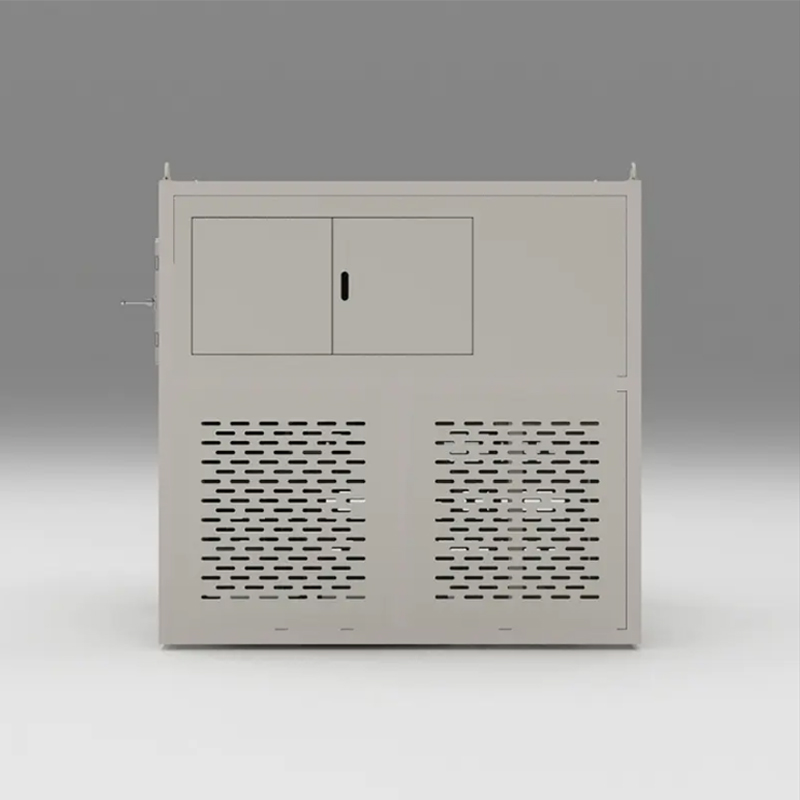 Compact Laboratory Freeze Dryer for Small-Batch TestingThis 1-square-meter laboratory freeze dryer is ideal for recipe development and small batches, giving you precise control to test different settings before scaling up.View Product →
One of the most common questions we receive is how to know when to stop the cycle. Here are a few reliable indicators:
You can also perform a simple pressure rise test: stop the vacuum for a minute and see if the pressure holds. A stable pressure suggests that no more water vapor is being released, which is the ultimate goal of food moisture content control.
Once your food is properly dried, packaging is critical because freeze-dried food absorbs moisture and oxygen easily. Do not leave it exposed for more than a few minutes.
For commercial producers, nitrogen flushing effectively displaces oxygen and slows oxidation. A reliable nitrogen-filled packaging machine takes the guesswork out of extending shelf life.
 Nitrogen Filling Packaging Machine for Extended Shelf LifeThis nitrogen-filled packaging machine keeps residual oxygen low, slowing oxidation and preserving flavor in freeze-dried fruits and vegetables—perfect for commercial producers.View Product →
Freeze-drying does not kill microorganisms; it only removes water. That means food safety starts long before the dryer runs.
Common mistakes include overloading trays, cutting pieces too thick, and opening the chamber too early. Any of these can extend drying time or leave hidden moisture that ruins the batch later.
Freeze-drying machines range from small countertop units to industrial-scale systems with dozens of shelves. For a home user, the goal is usually convenience, small batches, and recipe variety. For a food business, the priorities shift to throughput, repeatability, and production efficiency.
| Aspect | Home Freeze-Drying | Industrial Freeze-Drying |
|---|---|---|
| Batch size | 1-10 kg | 50-2000+ kg |
| Cycle time | 20-40 hours | 18-48 hours depending on product |
| Control | Simplified pre-set programs | Precise temperature and vacuum profiling |
| Cost per kg | High | Lower at scale |
| Typical user | Home enthusiast | Food producer or processor |
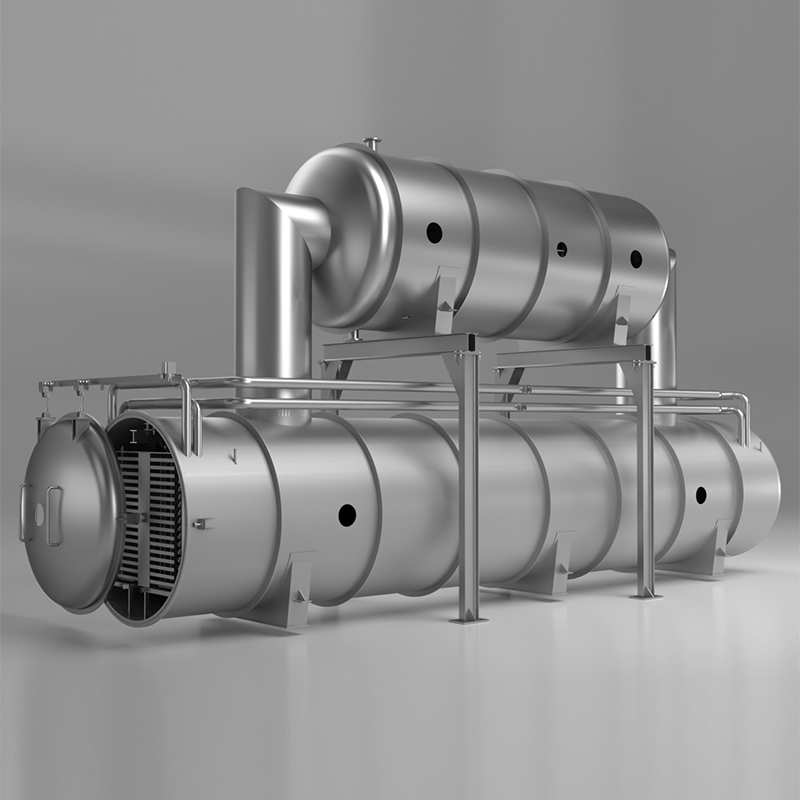
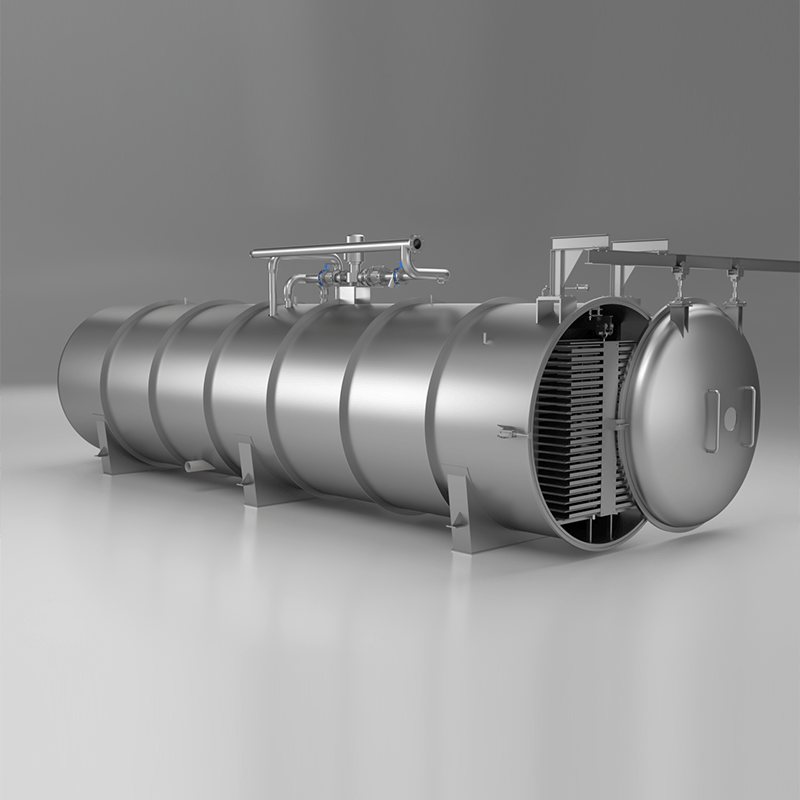
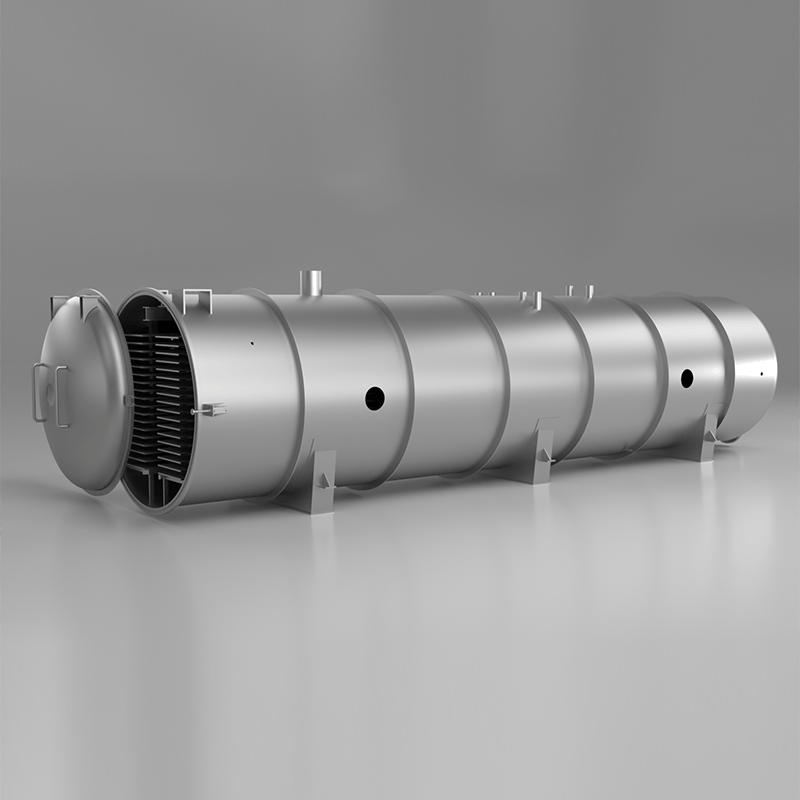
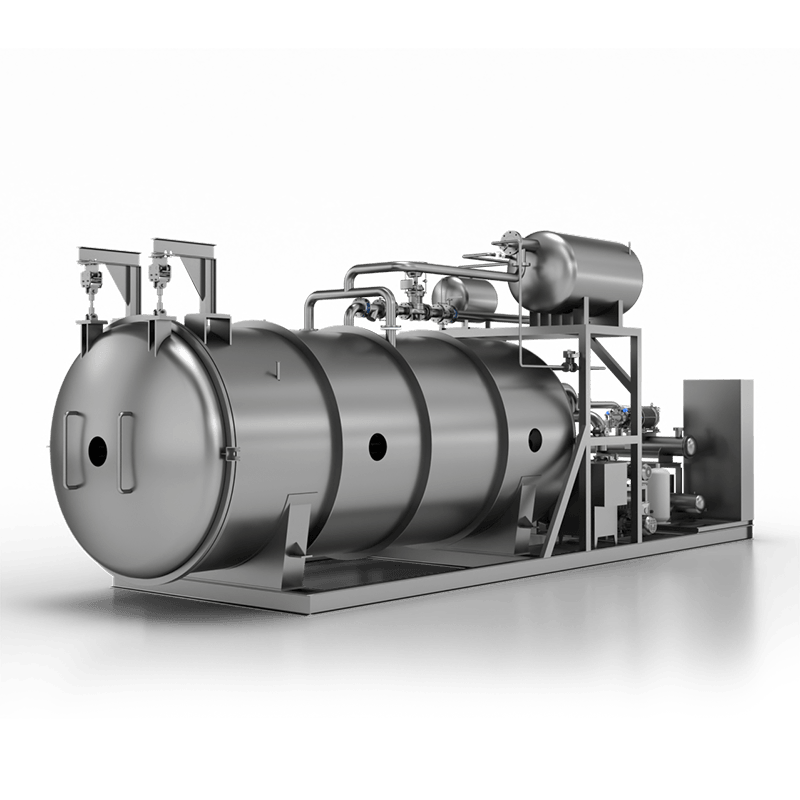
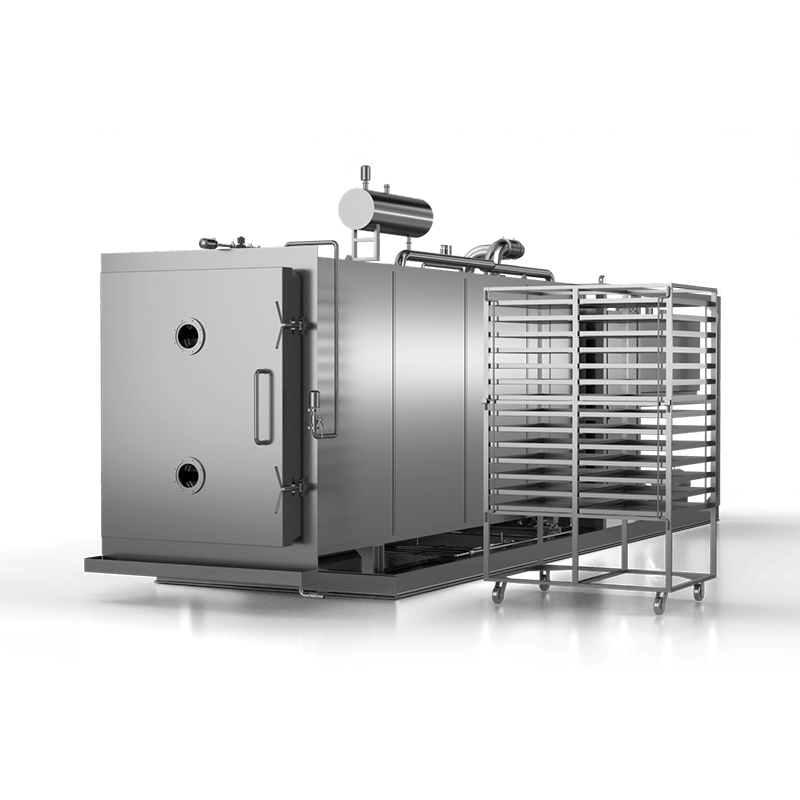
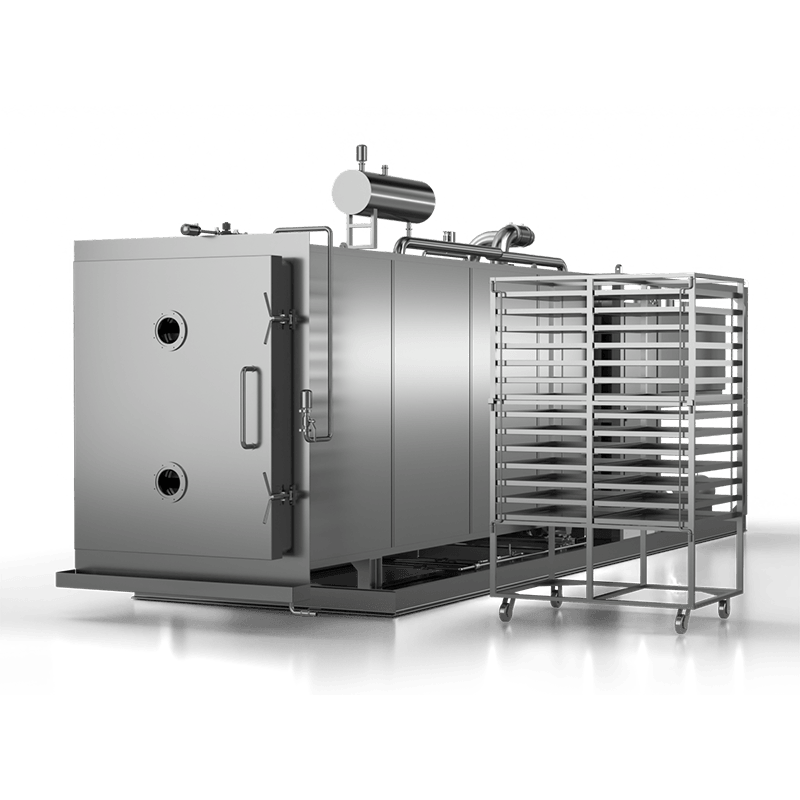
At a production level, choosing the right equipment is about more than throughput. You need consistent heat transfer, reliable vacuum pumps, and a control system that can follow your recipe's exact curves. For larger operations, an industrial-grade freeze dryer provides the capacity and precision needed for daily production.
 Industrial-Grade Freeze Dryer for Daily ProductionThe BLK-FD-20 industrial freeze dryer delivers consistent heat transfer and reliable vacuum control, offering the capacity and precision needed for large-scale daily operations.View Product →
Freeze-drying is a powerful preservation method that rewards careful preparation, patient dry times, and disciplined packaging. Start with small batches, keep notes, and adjust your process based on what you observe. Over time you will build an intuition for the subtle signs that tell you when a batch is perfect.
Whether you are working on a kitchen counter or planning a full production line, the same scientific principles apply. If you are curious about scaling up your freeze-drying process, our team at Sieno Freeze-drying Technology Research Institute has been helping food producers design effective drying systems for years. We are happy to share our experience.


Sieno's whole series of freeze-drying equipment, covering the experimental research to the industrial scale, is energy efficient, stable, and reliable, with flexible customization as the core, to production, optimization of process, and multiple fields with green manufacturing solutions.
Sieno, based on the research of intelligent freeze-dried food, provides with custom process for the whole chain of freeze-dried technology support (including pretreatment, freeze-dried, and packaging), helping enterprises realize multiple improvements in efficiency, quality, and environmental protection.
Equiment & Soiution
Food Industry Pharmaceuticals Industry Agricultural Industry Pet Industry Beauty Care Industry Chemical Engineering & Laboratory Environmental Protection & Circular EconomyContact Info.
 +86 18068757376
 blk@jsblk.com
 Zhenglu Town, Tianning District, Changzhou City, Jiangsu Province, China
Follow Us
Copyright ©
Sieno Freeze-drying Technology Research Institute (Jiangsu) Co., Ltd
All Rights
Reserved
Custom One-Stop Freeze Drying Equipment Suppliers