English
 русский
 中文简体

Request a Quote

Industry News
 Home / Recent News / Industry News / how to price freeze dried candy: Applications, Selection Criteria, and Practical Guidance
 2026.10.22
 Industry News
Pricing freeze-dried candy is one of those tasks that looks simple until you sit down with a spreadsheet. A bag of airy, crunchy pieces can command impressive prices on the shelf, but once you account for raw candy, freeze-drying cycles, packaging, labor, and equipment, the margin picture gets complicated fast. After helping dozens of snack producers plan their lines, we have learned that profitable pricing always starts with the same foundation: knowing exactly what one batch costs to produce. Here is how to price freeze dried candy in a way that protects your margin and supports real growth.
Freeze-dried candy has a different cost profile from most other freeze-dried snacks. The candy itself is relatively inexpensive, but the process costs — energy, cycle time, labor, and yield losses — are where the money adds up. To price accurately, you need to break those costs down per kilogram of finished, saleable product.
| Cost category | Typical cost per kg (finished) | Share of total |
|---|---|---|
| Raw candy | $4.20 | 26% |
| Energy (freeze-drying cycle) | $2.40 | 15% |
| Labor and supervision | $1.90 | 12% |
| Packaging (bag, label, nitrogen) | $3.60 | 22% |
| Equipment depreciation | $1.50 | 9% |
| Overhead (facility, admin, marketing) | $2.60 | 16% |
| Total | $16.20 | 100% |
One critical detail many first-time producers overlook is yield. Some candies lose very little weight during sublimation, while others — marshmallows, gummies, or candies with higher moisture content — change structure and weight more significantly. If you price based on the weight you load into the dryer rather than the saleable product that comes out, you will quietly underprice every single batch. Track actual yield for each product type from the very beginning.
Keep in mind, too, that freeze-dried candy is largely a volume product. The puffed pieces look generous in the bag but weigh very little, which is why most producers price by the bag rather than by the ounce. This is a feature, not a problem. It means the visual appeal of each piece matters as much as its weight, and it rewards products with a strong crunch and an interesting shape.
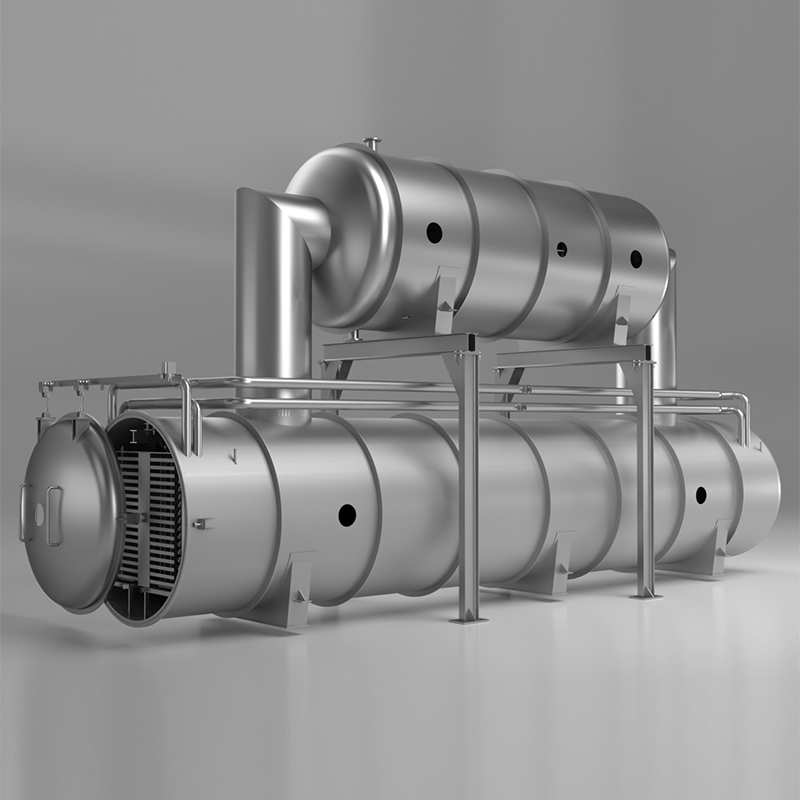
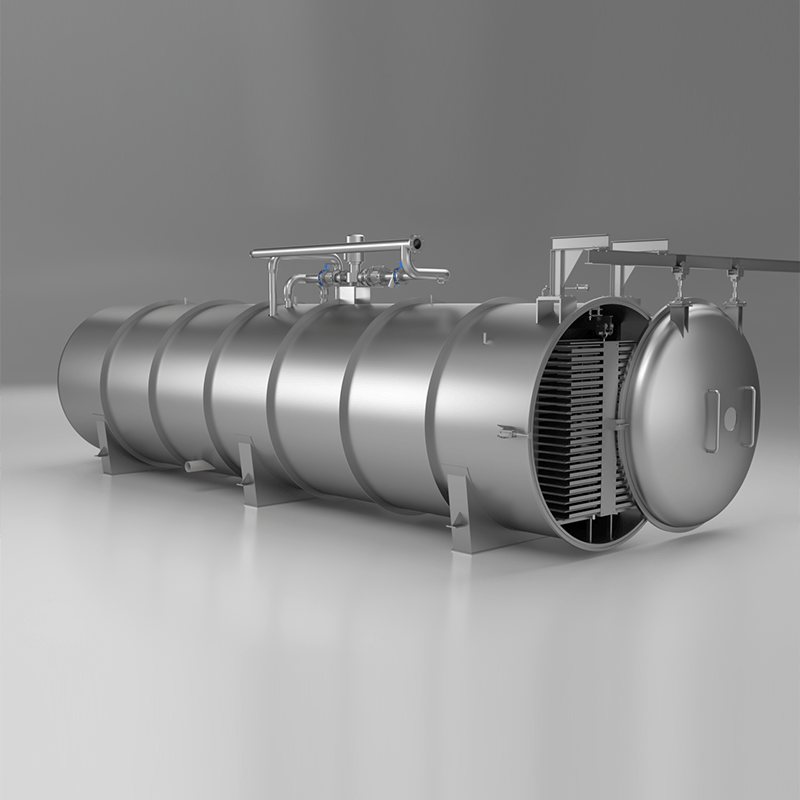
The biggest difference between producers' cost structures is rarely the candy itself — it is the freeze-drying equipment. Two facilities making the same product can land at very different per-kilogram costs depending on cycle time, shelf loading capacity, energy consumption per kilogram of ice sublimated, and how much breakage or sticking occurs during the process.
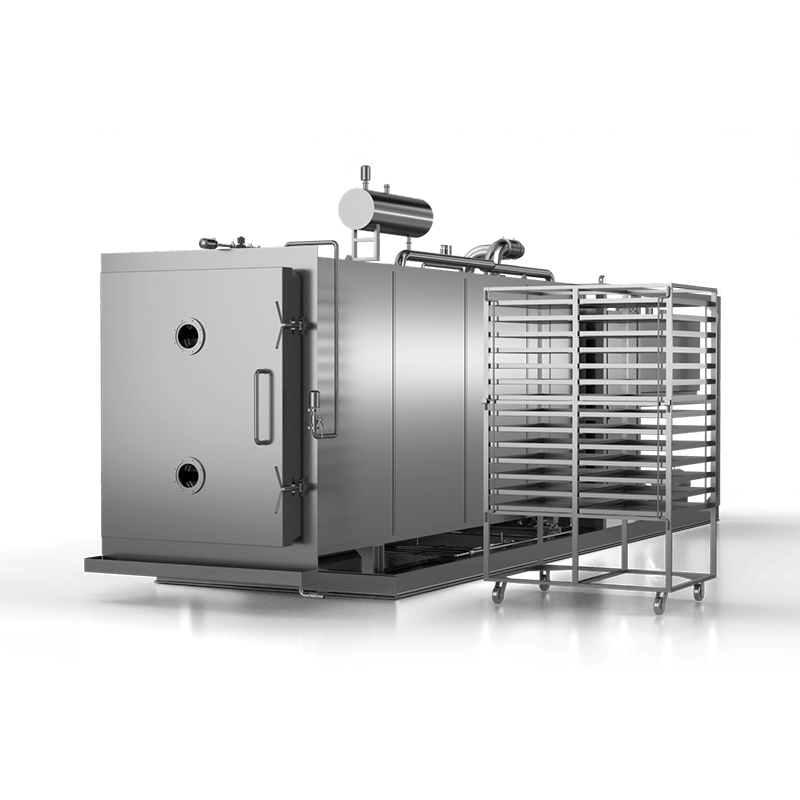
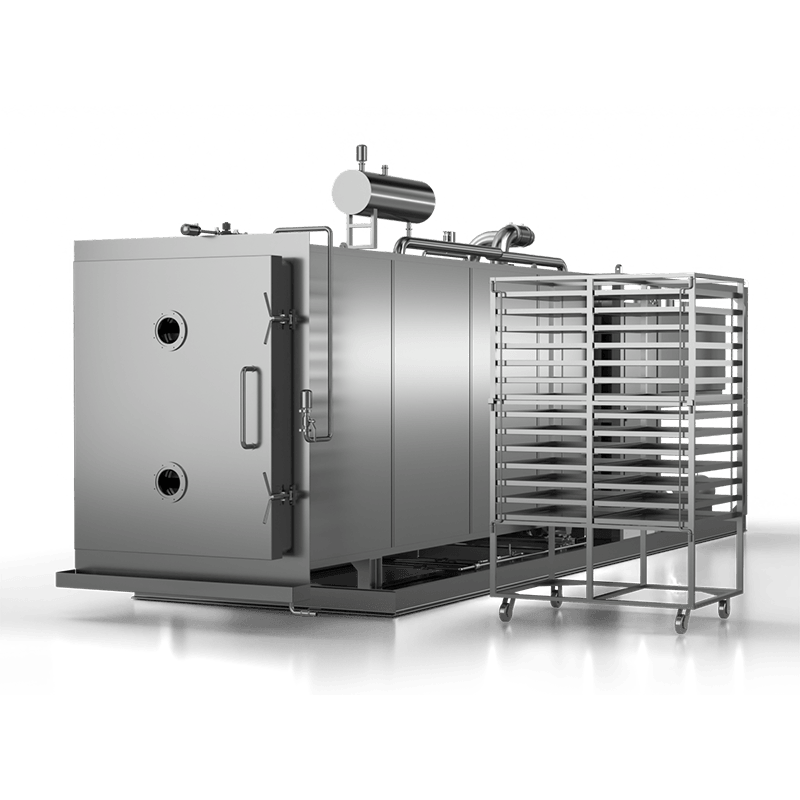
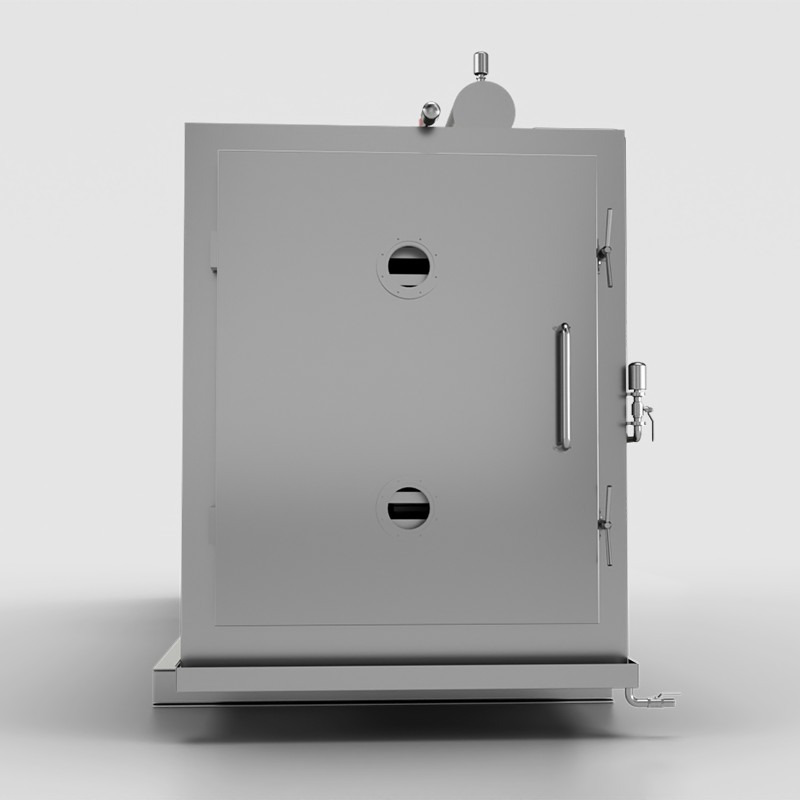 Vacuum Freeze Dryer for Healthy Snack Production LinesEvaluate this freeze dryer when aligning batch size with actual saleable output, as pricing should reflect real usable capacity rather than theoretical nameplate ratings.View Product →
This is also where we see the most common pricing mistake: using theoretical equipment capacity instead of actual usable output. A freeze dryer rated for a certain batch size may deliver far fewer saleable pieces once you account for texture variations, breakage, and unloading damage. Successfully pricing a freeze-dried candy line means aligning your price with real output, not the machine's nameplate.
Equipment choices affect cost in several ways:
If you are planning a new line or expanding an existing one, it is worth evaluating whether a larger capacity unit will lower your cost floor.
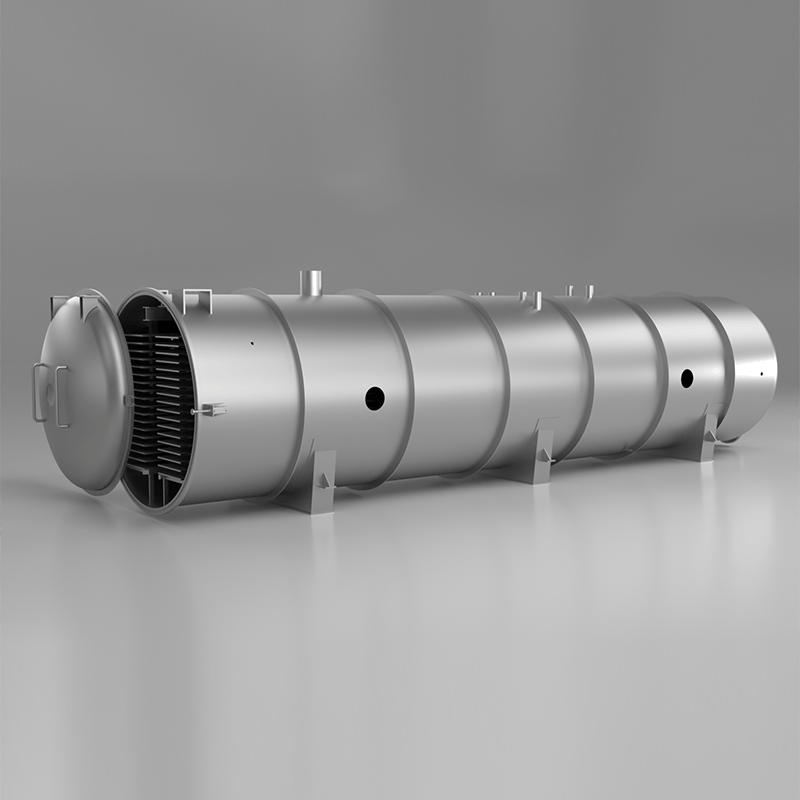
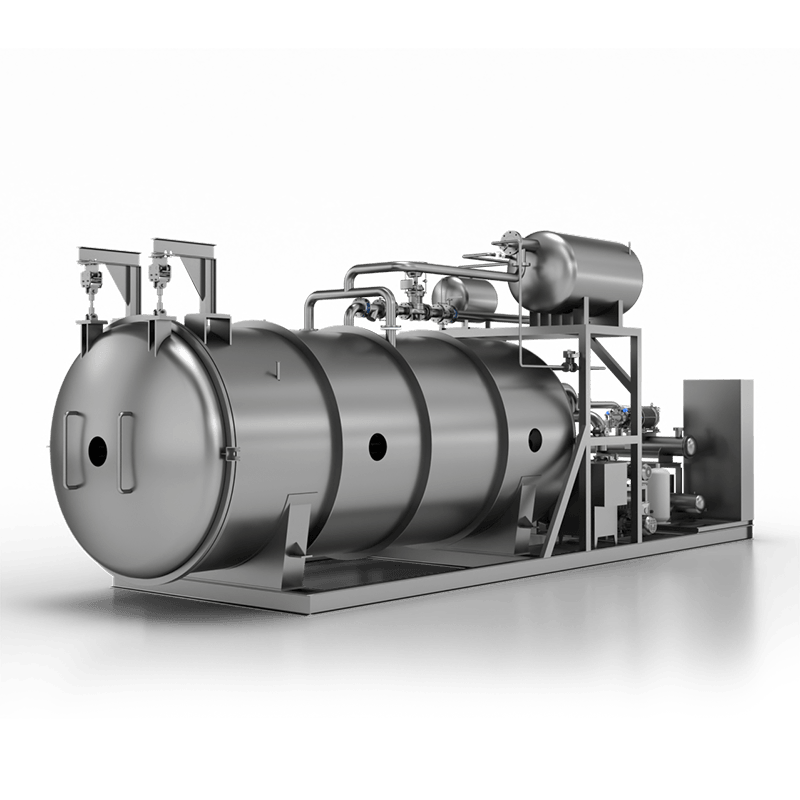
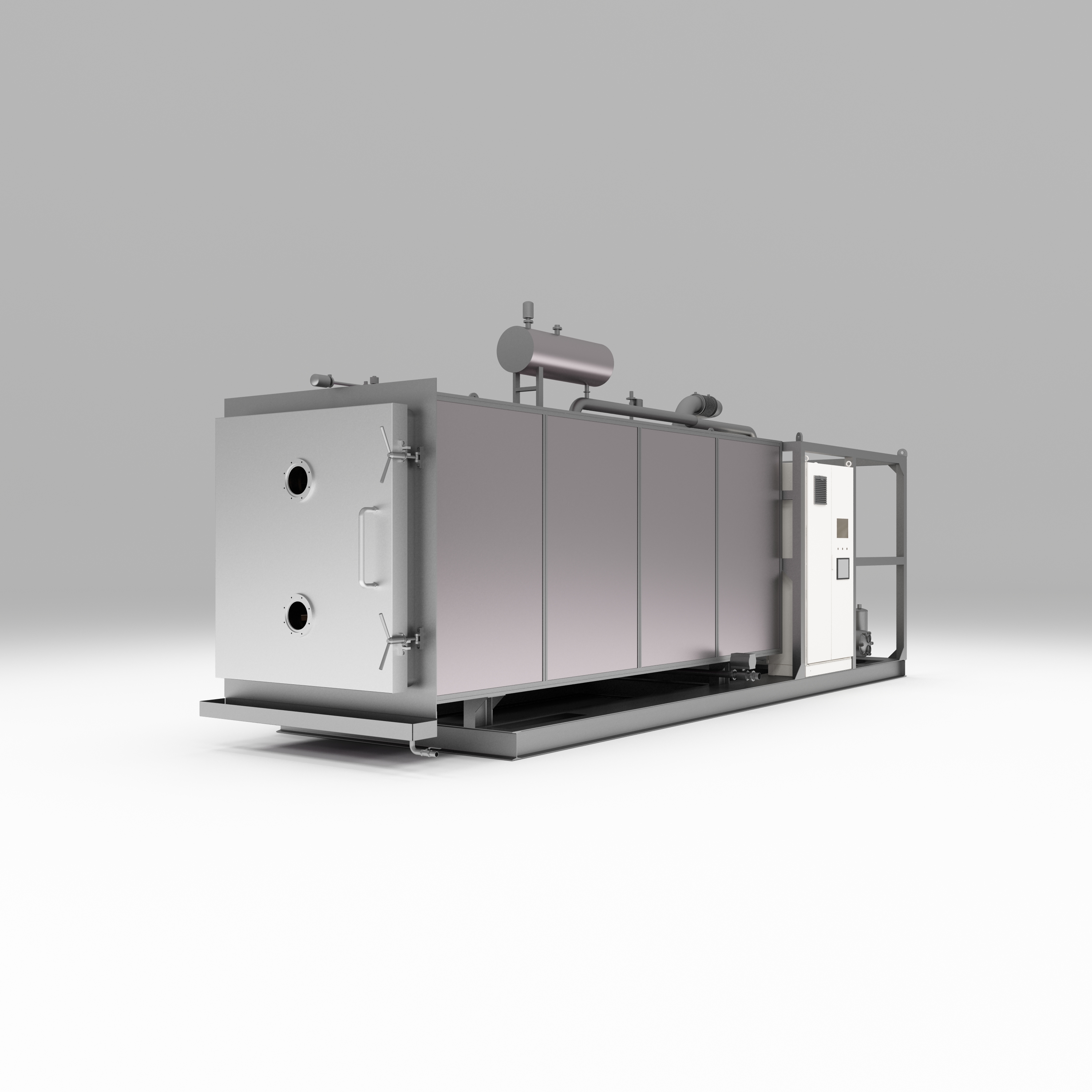 BLK-FD-300 High-Capacity Industrial Freeze DryerConsider this 300–350 kg unit to lower per-bag costs by spreading fixed labor and overhead across larger output, enabling more competitive margin-based pricing.View Product →
For example, a producer moving from a 30 kg batch to a 400 kg high-capacity unit can often spread fixed labor and overhead across far more output, bringing the per-bag cost down meaningfully. That shift changes what you can charge — and what price still feels like a healthy margin.
Beyond simple batch size, the type of heating system also matters. Contact heating, radiant shelf heating, and advanced ice condenser configurations each behave differently across a candy batch, and those differences can show up as uneven texture, sticking, or longer cycle times. It pays to choose a configuration that matches the confectionery formats you plan to produce.
Once your production cost is clear, the next step is choosing a pricing approach. Most successful producers blend three methods:
Cost-plus pricing. Start with your total cost per bag and add your target margin. If a bag costs $4.00 to produce and you want a 35% margin, the wholesale price lands near $6.15. This gives you a reliable floor for every decision you make.
Market-based pricing. Look at what the market actually pays in your target channel. Retail prices for freeze-dried candy commonly range from about $2.50 to $6.00 per ounce, with the upper end reserved for premium presentation, distinctive piece sizes, and stronger brand stories. If your cost-plus number sits outside that range, you need to understand exactly why before committing to it.
Value-based pricing. If your product has distinctive characteristics — a texture that melts differently, an unusual format, or packaging that tells a memorable story — you can price above commodity levels with confidence. The ongoing freeze-dried candy snack innovation space shows how quickly new formats can shift what consumers are willing to pay.
| Method | Best suited for | Core idea |
|---|---|---|
| Cost-plus | New producers, stable input costs | Cost per bag / (1 - desired margin) |
| Market-based | Retail listings, established categories | Benchmark against competitors per ounce |
| Value-based | Differentiated products | Premium over cost-plus based on brand and product story |
Channel also affects your price structure. Selling directly through e-commerce typically supports higher per-bag prices, but carries marketing and shipping costs. Wholesale and retail listings require lower unit prices in exchange for volume, which is why knowing your margin floor is essential before you negotiate.
Packaging is a bigger share of the cost structure than most first-time producers expect. Freeze-dried candy is highly sensitive to moisture and can lose its signature crunch within hours if exposed to humid air. Nitrogen-flushed packaging with strong moisture barriers protects the texture and extends shelf life, which lets you sell through slower channels without quality loss.
A longer shelf life also changes the economics of your pricing. If your packaging gives you twelve months of stable quality instead of six, you reduce the risk of write-offs and can afford to hold inventory for better market windows. Many producers find that upgrading their packaging actually pays for itself through reduced waste.
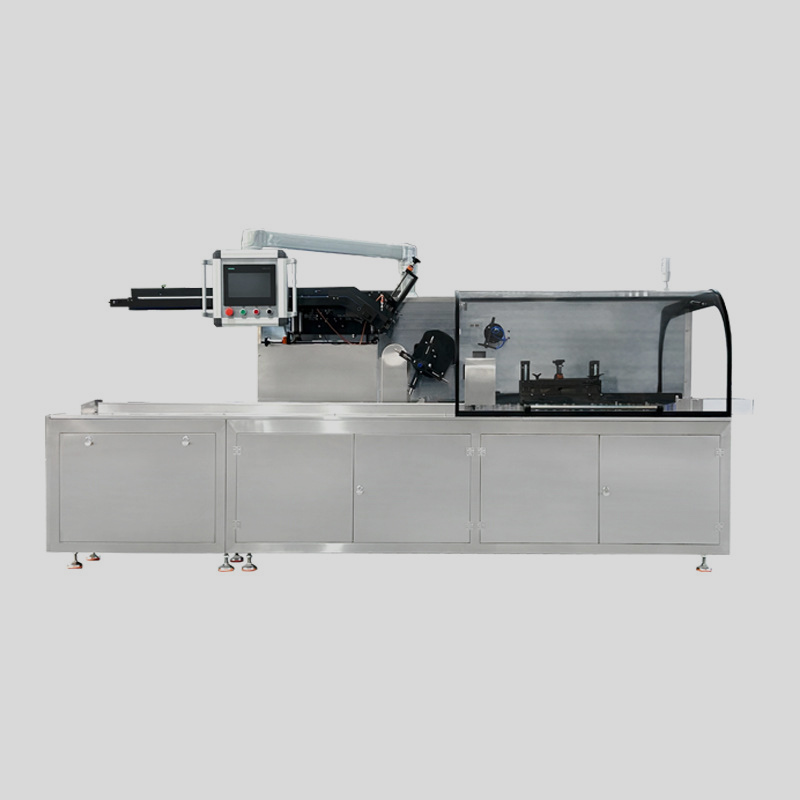 Nitrogen-Filled Aluminum Foil Packaging MachineThis packaging machine extends shelf life and reduces oxidation waste, supporting inventory flexibility and a higher perceived value that justifies premium pricing.View Product →
Perceived value plays an equally practical role. A well-designed bag with clear product photography and a clean ingredients list supports a higher price point, while underpackaged products often end up in discount bins no matter how good they taste. Treat packaging as part of the product you are selling, not just an expense at the end of the line.
Pricing freeze-dried candy is not about picking a round number. It is about knowing your true cost, understanding what the market will bear, and making deliberate choices about where you want to compete — premium niche, volume retail, or specialty wholesale.
If you are exploring freeze-dried candy production or scaling up an existing line, the equipment and process decisions you make early have a direct effect on the price you can sustainably charge. At Sieno, our team works with producers on everything from commercial lyophilization consultation to complete line design, and we are happy to walk through the cost questions that shape your pricing strategy.


Sieno's whole series of freeze-drying equipment, covering the experimental research to the industrial scale, is energy efficient, stable, and reliable, with flexible customization as the core, to production, optimization of process, and multiple fields with green manufacturing solutions.
Sieno, based on the research of intelligent freeze-dried food, provides with custom process for the whole chain of freeze-dried technology support (including pretreatment, freeze-dried, and packaging), helping enterprises realize multiple improvements in efficiency, quality, and environmental protection.
Equiment & Soiution
Food Industry Pharmaceuticals Industry Agricultural Industry Pet Industry Beauty Care Industry Chemical Engineering & Laboratory Environmental Protection & Circular EconomyContact Info.
 +86 18068757376
 blk@jsblk.com
 Zhenglu Town, Tianning District, Changzhou City, Jiangsu Province, China
Follow Us
Copyright ©
Sieno Freeze-drying Technology Research Institute (Jiangsu) Co., Ltd
All Rights
Reserved
Custom One-Stop Freeze Drying Equipment Suppliers