English
 русский
 中文简体

Request a Quote

Industry News
 Home / Recent News / Industry News / how to freeze dry food for long term storage: Practical Applications, Selection
 2026.10.20
 Industry News
Freeze drying is one of the most dependable methods for long-term food storage. The process removes nearly all water while the product stays frozen, preserving the cellular structure, color, and nutritional value far better than conventional dehydration. Once sealed against moisture and oxygen, properly freeze-dried food can remain safe and palatable for years without refrigeration.
Whether you are building emergency reserves, planning a healthier pantry, or launching a new product line, understanding how to freeze dry food properly is what separates a crisp, flavorful result from a disappointing shelf failure. This guide explains the science, walks through the practical steps, and covers the packaging and storage decisions that truly determine shelf life.
Freeze drying, also called lyophilization, is built on a simple principle: sublimation. Water in the food passes directly from solid ice to water vapor without ever becoming liquid. Because the material remains frozen during the first drying phase, the food keeps its shape, avoiding the collapse and shrinkage typical of hot-air drying.
A complete freeze-drying cycle happens in three stages, outlined below.
| Stage | What happens | Typical temperature | Purpose |
|---|---|---|---|
| Freezing | Water inside the food is turned into solid ice crystals | -30 °C to -50 °C | Creates a stable structure for sublimation |
| Primary drying | Ice sublimates directly to vapor under vacuum | Shelf -20 °C to +10 °C | Removes about 90-95 % of the total moisture |
| Secondary drying | Bound water is desorbed from the food | +25 °C to +50 °C | Lowers residual moisture to 1-4 % |
Precision matters at every stage. Freeze too slowly and large ice crystals can puncture cell walls; heat too aggressively during primary drying and the product may collapse or melt. That is why modern industrial freeze dryers use intelligent shelf-temperature ramps and pressure control rather than simple timers. A consistent, repeatable cycle protects both quality and energy consumption.
The long shelf life of freeze-dried food comes down to water activity. Microorganisms need free water to grow, and spoilage enzymes become inactive at very low moisture levels. A well-dried product contains only 1 to 4 percent residual moisture, which is low enough to inhibit bacteria, mold, and yeast.
This is why moisture content control matters more than any other variable. Two visually identical batches can have very different true moisture levels depending on drying time, load thickness, and final chamber conditions. Checking residual moisture before packaging is the surest way to know whether your food will last for months or decades.
Once the equipment is ready, the workflow is straightforward. These steps apply whether you are running a small household unit or a commercial freeze dryer.
Start with clean, uniform ingredients. Wash fresh produce, remove stems, peel where needed, and cut everything into slices around one centimeter thick. Consistent sizing is not about appearance; it determines how evenly heat reaches the sublimation front and how quickly the cycle finishes.
Meat, poultry, and seafood should be cooked first. Freeze-drying cooked proteins reduces the risk of pathogen survival during the slow drying stage and generally delivers a better texture after rehydration. Trim visible fat whenever possible, because fat does not freeze-dry well and can turn rancid over time, shortening the effective storage life.
Every ingredient family has its own ideal cycle. Fruits with high sugar content need gentler heating; lean meats demand longer drying; mushrooms are quick and forgiving. Many producers develop a standard curve for each new product and record temperature and pressure data for future batches. Treating recipe development as part of the workflow protects the product and saves time in the long run.
Almost any food can be freeze-dried, but some perform far better than others after years of storage. The ideal candidates have moderate moisture, low oil, and rehydrate quickly without turning mushy.
| Category | Best choices | Storage tips |
|---|---|---|
| Fruits | Strawberries, blueberries, apples, mango, banana | Slice uniformly; a little lemon or ascorbic acid helps keep color |
| Vegetables | Sweet corn, peas, carrots, green beans, mushrooms | Blanch most vegetables before drying to stop enzyme activity |
| Meat and poultry | Cooked chicken, beef crumbles, turkey | Low-fat cuts store longer than fatty ones |
| Seafood | Cooked shrimp, salmon, cod | Vacuum packaging prevents oxidation and odors |
| Dairy | Yogurt drops, cheese, milk | Keep away from light and moisture after sealing |
| Complete meals | Soups, stews, scrambled eggs, pasta dishes | Freeze in shallow trays so the cycle runs faster |
Foods with very high fat content, such as avocado or bacon, are best avoided when storage beyond a couple of years is the goal. Sugar-heavy syrups and honey resist complete drying and can leave the product sticky. A quick check with a moisture meter can save you months of disappointment later.
The most perfectly dried food will still spoil quickly if packaging lets moisture or oxygen back in. Packaging is where long-term storage plans most often fail. Once removed from the dryer, freeze-dried food is highly hygroscopic and can reabsorb moisture from ordinary air within minutes.
Work in a dry room, keep packaging materials exposed for as short a time as possible, and seal the product in small batches rather than one large bag. For commercial producers, a nitrogen-flushing packaging line offers the highest level of protection for both shelf life and appearance.
Three packaging options cover most situations:
Whatever method you choose, write the product name, batch date, and residual-moisture level on the container. A simple inventory system ensures that your stored food is actually used instead of becoming a forgotten jar.
Freeze-dried food does not require a cold chain, but it benefits from a stable, cool, dark environment. High temperatures accelerate chemical reactions, and humidity slowly compromises even the best seals. A basement shelf, a pantry, or a climate-controlled warehouse all work well when the space stays dry.
| Storage condition | Expected shelf life |
|---|---|
| Cool, dry, dark (15-20 °C) | 10-25+ years for fruits, vegetables, and complete meals |
| Refrigerated storage | 25+ years for most properly packaged products |
| Warm or humid environment | Significantly shorter; inspect seals and moisture regularly |
The exact number depends on the product and the drying curve. A well-built freeze-drying recipe that matches your ingredient will outperform a generic cycle every time.
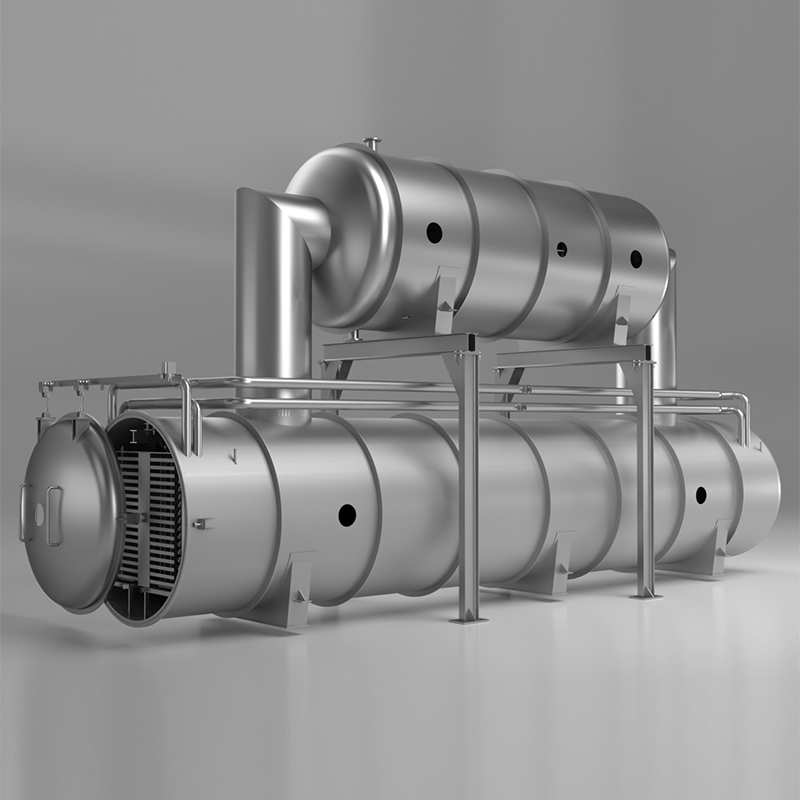
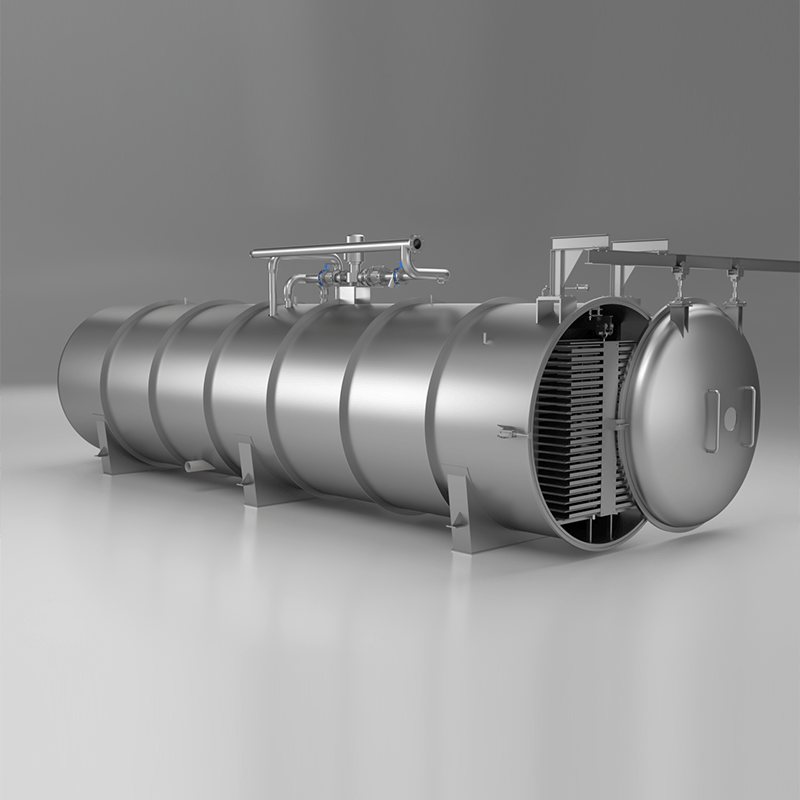
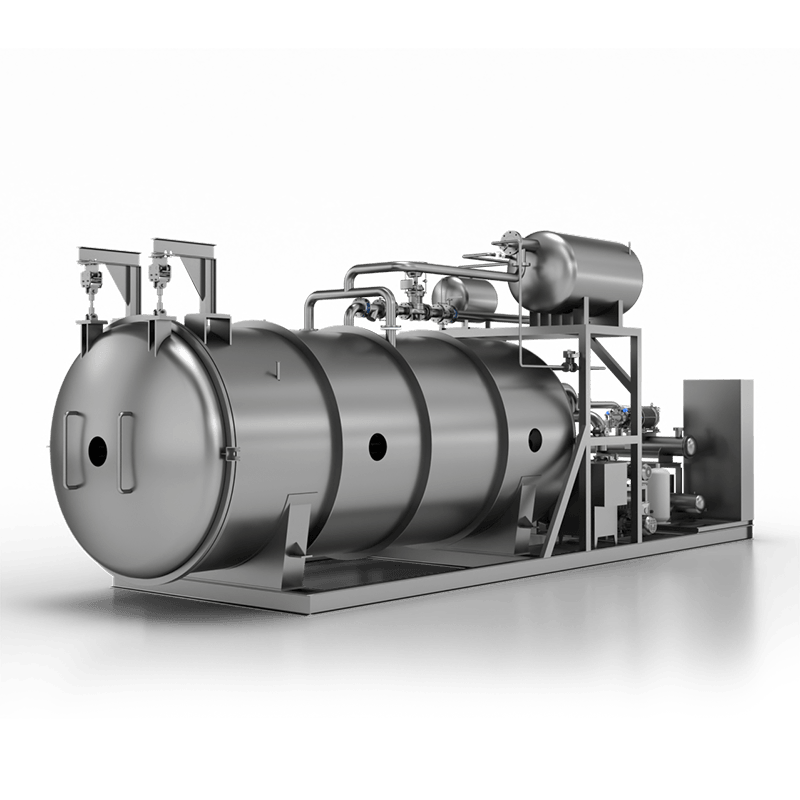
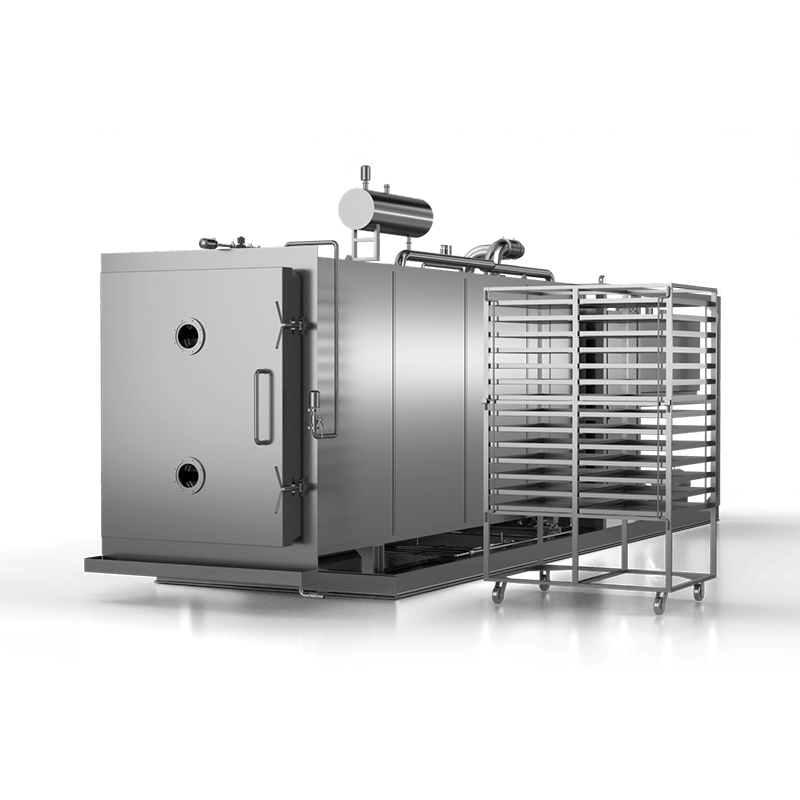
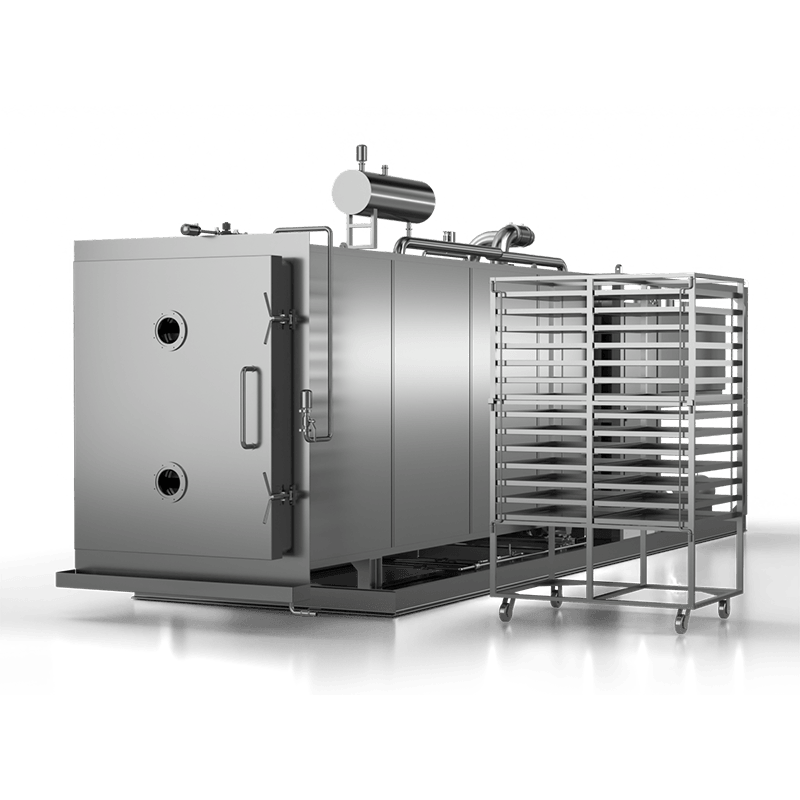
Scale matters more than people expect. A small countertop machine is excellent for herbs, garden harvests, and recipe testing. But if your goal is serious long-term storage or a commercial product range, you need a larger unit with reliable vacuum and refrigeration systems, programmable cycles, and preferably remote monitoring so you can check production status without standing next to the machine.
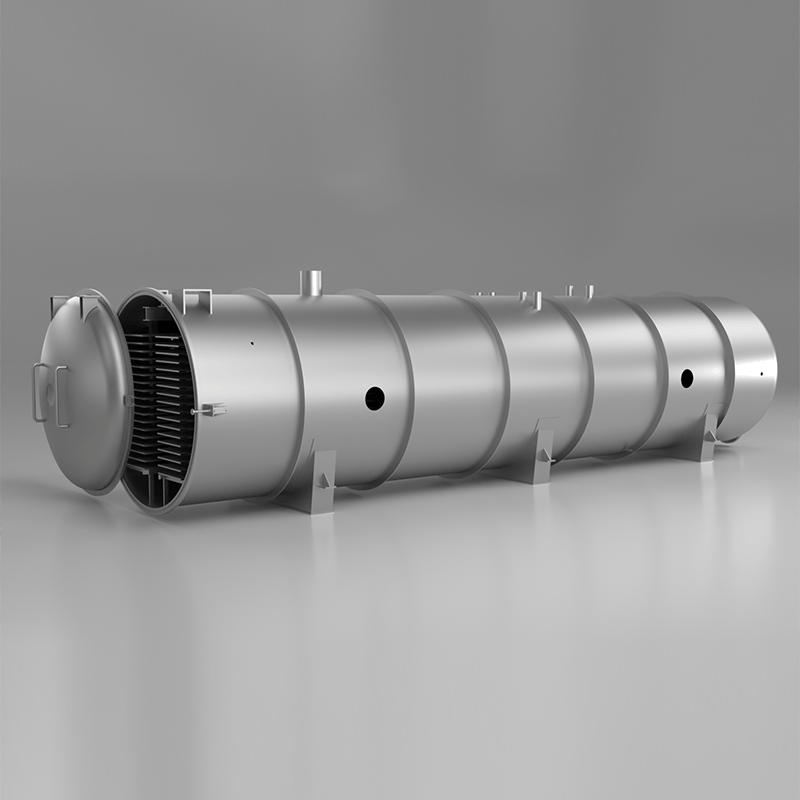
Industrial equipment takes this further with generous shelf area, even heat distribution, automated loading, and data logging that lets you replicate a perfect cycle batch after batch. Energy efficiency also matters. Modern refrigeration and ice condenser technology lowers the running cost per kilogram, and when you scale from small batches to continuous production, these savings add up quickly.
Freeze drying for long-term storage is a combination of good science, careful preparation, and honest packaging discipline. Control the freezing curve, keep residual moisture low, and seal the result away from oxygen and humidity - the food will reward you with years of stable, nutritious meals.
If you are planning to scale up, or simply need support in defining a reliable process, we are glad to share what we have learned from hundreds of installations. Start with a clear goal, test your first batches properly, and let the data guide you.


Sieno's whole series of freeze-drying equipment, covering the experimental research to the industrial scale, is energy efficient, stable, and reliable, with flexible customization as the core, to production, optimization of process, and multiple fields with green manufacturing solutions.
Sieno, based on the research of intelligent freeze-dried food, provides with custom process for the whole chain of freeze-dried technology support (including pretreatment, freeze-dried, and packaging), helping enterprises realize multiple improvements in efficiency, quality, and environmental protection.
Equiment & Soiution
Food Industry Pharmaceuticals Industry Agricultural Industry Pet Industry Beauty Care Industry Chemical Engineering & Laboratory Environmental Protection & Circular EconomyContact Info.
 +86 18068757376
 blk@jsblk.com
 Zhenglu Town, Tianning District, Changzhou City, Jiangsu Province, China
Follow Us
Copyright ©
Sieno Freeze-drying Technology Research Institute (Jiangsu) Co., Ltd
All Rights
Reserved
Custom One-Stop Freeze Drying Equipment Suppliers