English
 русский
 中文简体

Request a Quote

Industry News
 Home / Recent News / Industry News / How to Reconstitute Freeze Dried Eggs: Ratios, Resting Time, and Mixing Tips
 2026.11.05
 Industry News
At Sieno, we spend most of our time working with freeze-dried food producers, so questions about reconstitution are part of our daily life. One of the most common ones is how to reconstitute freeze dried eggs. It sounds simple, yet a small miscalculation can turn a promising breakfast into a watery mess. The good news is that once you understand a few basic principles, you can consistently bring freeze-dried eggs back to life for scrambling, baking, and meal prep.
Freeze drying gently removes about 97 to 98 percent of the water from fresh eggs. What remains is a light, stable powder or crisp pieces with a highly porous structure. Those tiny pores are exactly why water can re-enter so quickly. However, the proteins and fats in eggs are delicate. If you add too little water, you get dense, rubbery chunks. Too much water, and you end up with a thin liquid that refuses to set properly. The best rehydration method respects the original moisture balance of the egg and gives it a few minutes to absorb water evenly.
Before you mix anything, it helps to know which form you are working with. Freeze-dried eggs generally come in two categories: powdered whole eggs or egg white powder, and larger pieces of scrambled eggs. Powdered eggs are the easiest to rehydrate because the surface area is huge. Scrambled egg pieces need a gentler approach, as they are meant to be a ready-to-eat component rather than a liquid replacer. In either case, the rehydration ratio and resting time will be slightly different, and that is what we cover in the next sections.
For most commercial and home freeze-dried whole egg powder, a 1:1 ratio by volume works beautifully. In practical terms, that means 2 tablespoons of egg powder to 2 tablespoons of water to replace one large egg. If you are using egg white powder, the same ratio applies. Egg yolk powder, which is less common, may need slightly less water because yolk is naturally higher in fat.
| Form | Egg Powder / Pieces | Water | Equivalent |
|---|---|---|---|
| Whole egg powder | 2 tbsp | 2 tbsp | 1 large egg |
| Egg white powder | 2 tbsp | 2 tbsp | 1 large egg white |
| Scrambled egg pieces | 1 cup | 1/2 cup | 1 cup rehydrated eggs |
These measurements are a starting point. The exact absorption can vary depending on the freeze-drying process, the age of the powder, and how finely it was ground. That is why a small test batch is always a good idea, especially when you are working with a new container.
The most reliable method for reconstituting freeze-dried egg powder is simple and forgiving. Follow these steps:
For scrambled egg pieces, the process is slightly different. Instead of rehydrating to a liquid, you simply add a little water to the pieces, wait a minute or two, and then pan-fry them until warm. The goal is to restore tenderness, not to turn them into batter.
Freeze-dried scrambled egg pieces are a different product from egg powder. They are cooked, then freeze-dried in small pieces, and they rehydrate much faster than powder-based batters. To use them, simply place the pieces in a pan over low heat and add a small amount of water or broth. Stir until the liquid is absorbed and the eggs are warm. You can also rehydrate them in a bowl with a splash of water and microwave for 30 seconds. The key is not to oversaturate them; just enough liquid to soften the texture is ideal.
The standard 1:1 ratio is a great starting point, but different recipes can benefit from small adjustments:
Keep in mind that these are guidelines. If you are building a product around freeze-dried eggs, you may want to explore how different ratios affect your final texture. That is part of the freeze-drying recipe development work we do at Sieno, and it is a great way to turn a standard ingredient into something unique.
After many years of freeze-drying and testing eggs, we have collected a few practical reminders:
When you follow these points, rehydrated eggs behave almost exactly like raw eggs, which is why freeze-dried eggs remain so popular for long-term food storage.
Yes. Replacing part or all of the water with milk gives richer scrambled eggs and a softer texture in French toast. Whole milk or even cream works well. Just remember that milk adds sugar and fat, so the cooking temperature may need to be slightly lower to avoid browning too quickly.
Sticking usually means the pan is too hot or the egg mixture did not rest long enough. Use a well-seasoned nonstick or cast-iron pan and heat it over medium-low. The resting step is important because fully hydrated proteins are less likely to stick.
We do not recommend it. Freezing and thawing again breaks down the protein structure and produces a watery, rubbery texture. It is better to prep small batches so you can rehydrate only what you need.
Small pieces rehydrate in about 1 to 2 minutes with warm water. Larger pieces may take 5 to 10 minutes. Always taste or visually check them before deciding whether to add more liquid.
To keep your freeze-dried egg powder performing well, store it in an airtight container with an oxygen absorber. Keep it in a cool, dark place. Under good conditions, properly freeze-dried whole egg powder can retain its quality for a decade or more. Once the container is opened, use it within a few weeks and seal it tightly after each scoop. If you notice a musty smell, off color, or clumping that does not go away after rehydration, discard the powder.
When you only need a cup of rehydrated eggs, the process is forgiving. But when you are producing breakfast mixes, baking blends, or bulk food-service eggs, consistency becomes critical. The freeze-drying equipment itself has a direct effect on how the powder rehydrates. A machine that holds a steady shelf temperature and vacuum produces particles with uniform porosity, which means predictable absorption every time. Over the years, we have helped egg processors fine-tune their freeze-drying cycles to achieve exactly that. If you are developing a new product or improving an existing line, our industrial-scale freeze-dryers are designed with these challenges in mind.
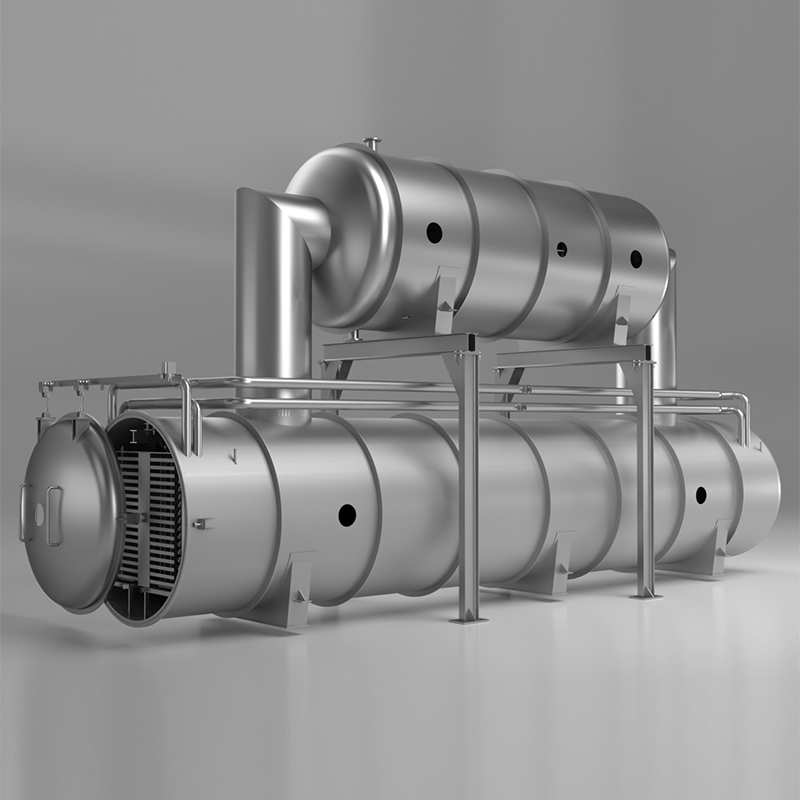
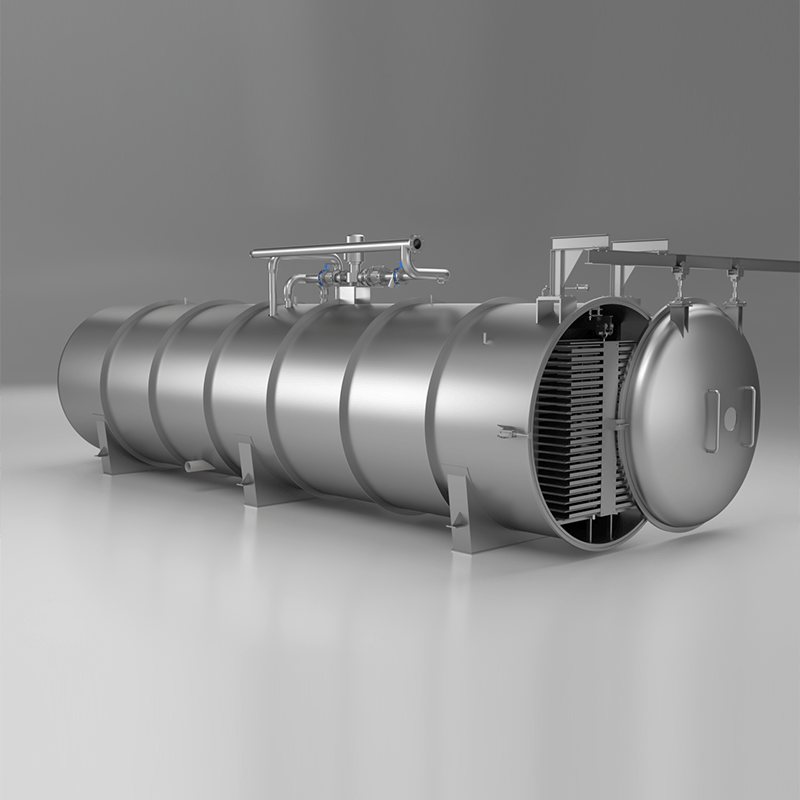
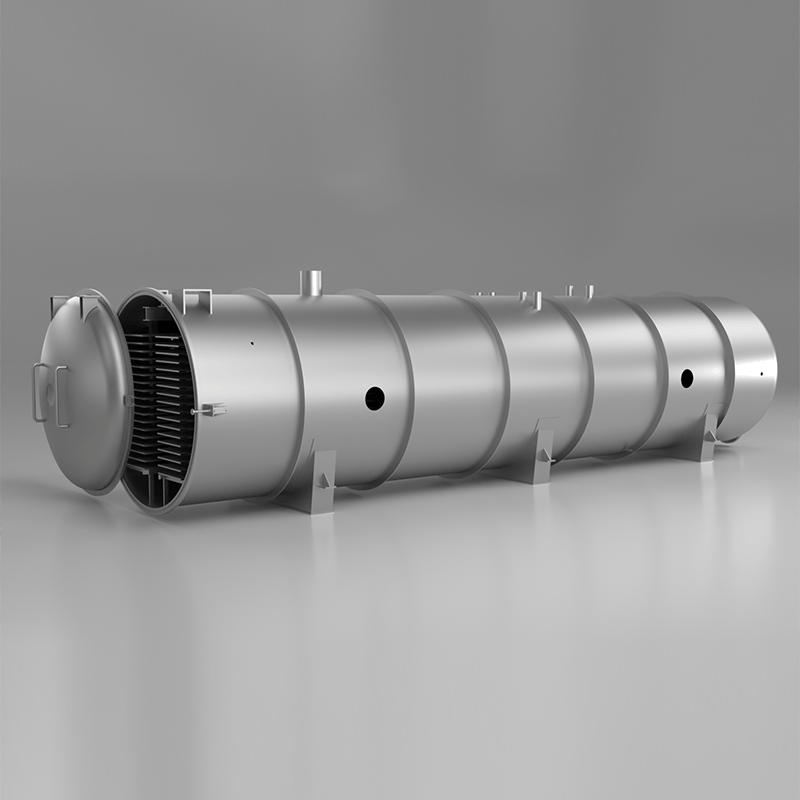
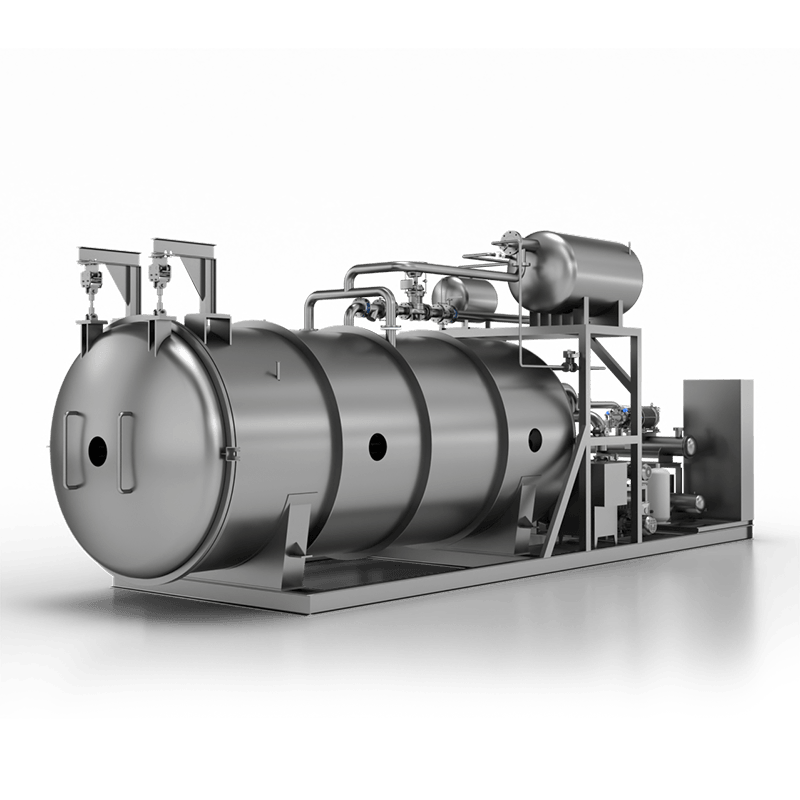
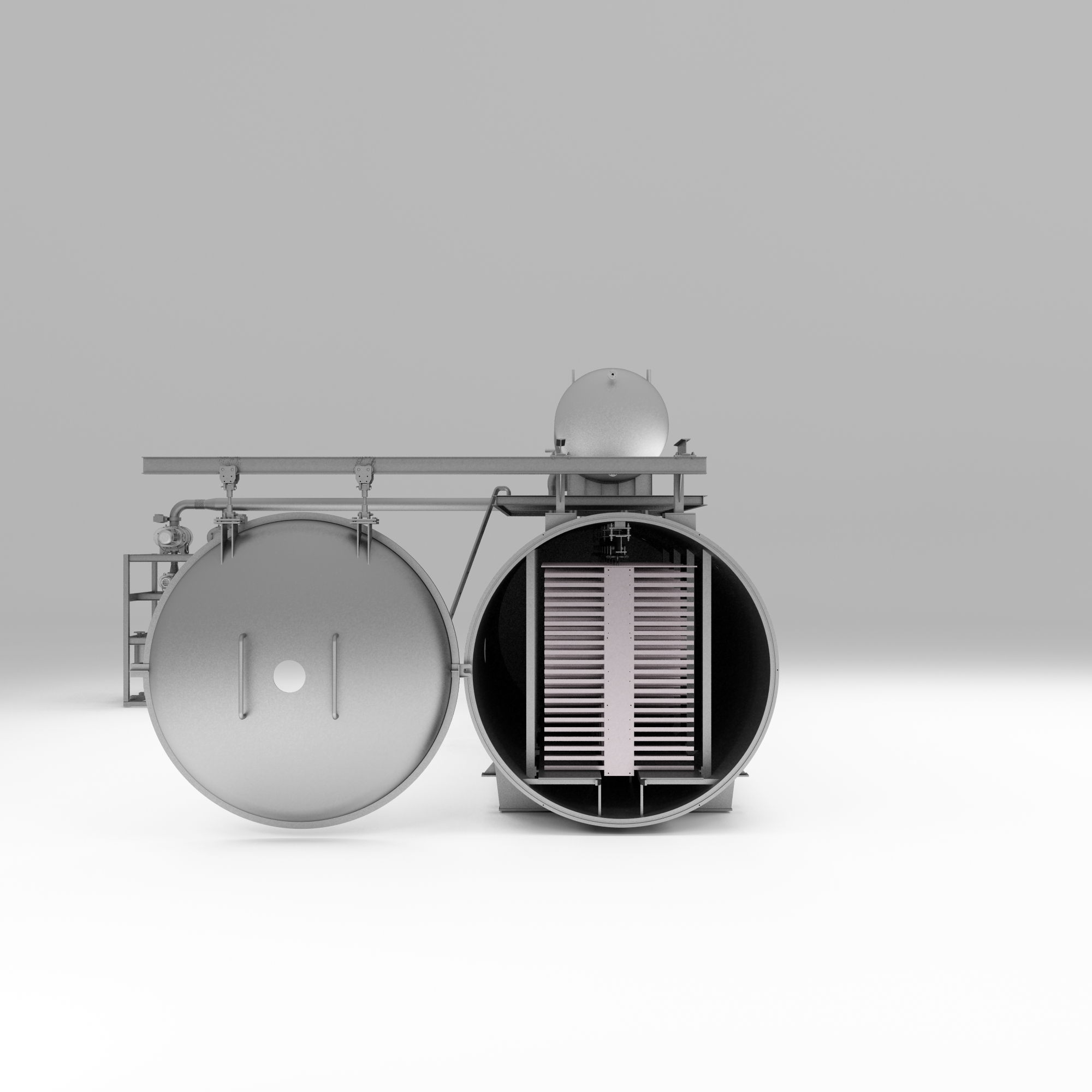 Industrial-Scale Freeze Dryer for Consistent Egg Powder ProductionThis large-capacity freeze dryer ensures uniform porosity and predictable rehydration, making it ideal for egg processors seeking batch-to-batch consistency in mixes and blends.View Product →


Sieno's whole series of freeze-drying equipment, covering the experimental research to the industrial scale, is energy efficient, stable, and reliable, with flexible customization as the core, to production, optimization of process, and multiple fields with green manufacturing solutions.
Sieno, based on the research of intelligent freeze-dried food, provides with custom process for the whole chain of freeze-dried technology support (including pretreatment, freeze-dried, and packaging), helping enterprises realize multiple improvements in efficiency, quality, and environmental protection.
Equiment & Soiution
Food Industry Pharmaceuticals Industry Agricultural Industry Pet Industry Beauty Care Industry Chemical Engineering & Laboratory Environmental Protection & Circular EconomyContact Info.
 Sales counsltant: +86 17312896506
 yuanliang@jsblk.com
 No.29 Tongiiang North Road, Xinbei District, Changzhou City, Jiangsu, China
Follow Us
Copyright ©
Sieno Freeze-drying Technology Research Institute (Jiangsu) Co., Ltd
All Rights
Reserved
Custom One-Stop Freeze Drying Equipment Suppliers