English
 русский
 中文简体

Request a Quote

Industry News
 Home / Recent News / Industry News / How to Start a Freeze Dried Candy Business: Equipment, Rules, and Growth
 2026.11.02
 Industry News
Freeze dried candy has moved from an internet curiosity to a steady product category. The intense crunch, concentrated flavor, and long shelf life make it popular with outdoor enthusiasts, gift buyers, and anyone who wants a lighter dessert. If you are exploring how to start a freeze dried candy business, the opportunity is real, but the path involves more than buying a dryer. You need a clear product idea, a safe workspace, dependable equipment, and a consistent process that protects quality from the first batch to the hundredth. We have spent years building freeze drying systems around this exact challenge.
For more insights into the category, see our article on freeze dried candy and snack innovation.
Successful businesses usually start with a focused product line rather than trying to do everything. Freeze dried candy works well with:
Think about who you are selling to. Local customers at farmers markets may prefer colorful novelty treats. Wholesale buyers look for consistent batch sizes and clear labels. Online shoppers are drawn to visually striking textures and unique flavors. Start small, test your range, and let customer feedback guide your next flavor launch.
Pricing also matters. Freeze dried candy usually sits above conventional candy because of its texture and perceived value. Calculate your unit cost, including raw material, packaging, energy, labor, and overhead, then test what the local market will bear.
Before you buy equipment or mix your first batch, verify what is allowed in your state or country. Some regions allow certain freeze dried candies to be sold as cottage food products, but many require a licensed commercial kitchen, food processing facility, or the same food safety plan expected from other snack manufacturers. Contact your local health department and agriculture office to get the latest rules.
Ask specific questions when you call:
You will also need to think about allergens, ingredient labeling, net weight statements, and packaging regulations. It is easier to build a compliant label system from day one than to retroactively fix it later. If you plan to sell wholesale or online across state lines, federal or national food safety standards may apply as well.
Starting a freeze dried candy business is not just about the dryer. There is the cost of raw material, packaging, labels, utilities, rent, and insurance. A small home-based setup can begin with a modest investment, but if you are leasing a commercial kitchen, those fixed costs will need a realistic break-even plan.
For inventory, start with enough candy to run trial batches and a small amount of finished product for market testing. Many new businesses over-purchase raw material and end up with waste. Instead, buy from local wholesalers or even grocery stores while you test. Once your product proves itself, you can move to bulk ordering.
Not every dryer behaves the same with high-sugar products. Sugar lowers the freezing point, which means the candy may not freeze completely before the drying cycle starts. If the vacuum pulls too strongly while the core is still soft, the piece can puff unevenly or collapse. A reliable condenser, precise shelf temperature control, and a strong vacuum system are the differences between a crisp product and a sticky mess.
| Scale | Typical batch size | Best for | Key considerations |
|---|---|---|---|
| Small | 5–15 kg | Market testing, local sales | Flexible, lower capital |
| Medium | 30–80 kg | Online store, cafe orders | Balances volume and variety |
| Industrial | 100+ kg | Wholesale, retail distribution | Needs automated loading and packaging |
As you plan capacity, consider the difference between testing and production. A laboratory unit can help you prove the recipe, while a medium or industrial machine gives you enough volume to supply retailers. We recommend selecting equipment that matches your projected demand, with room to grow.
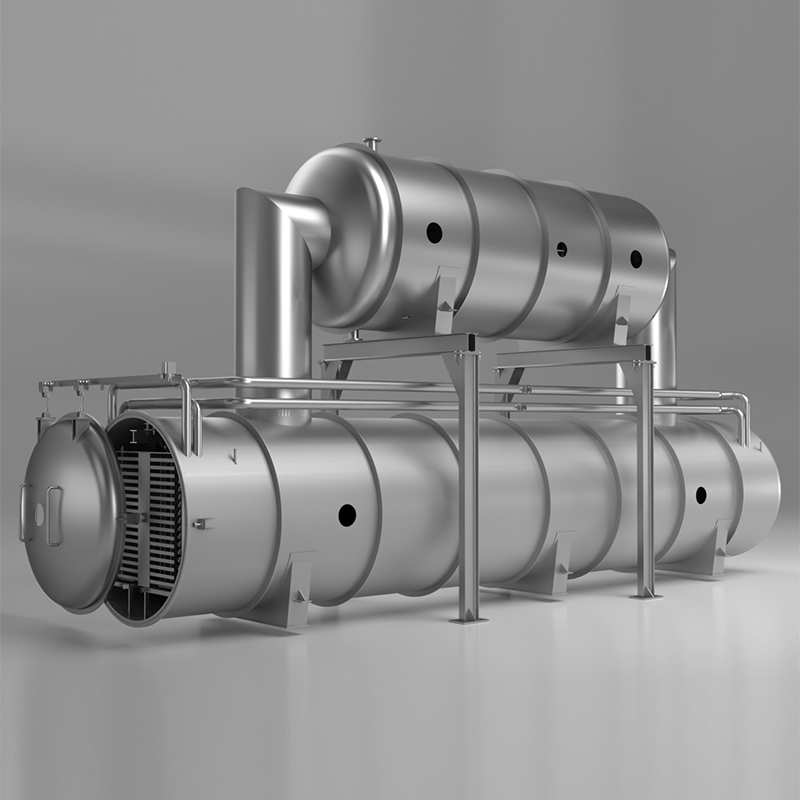
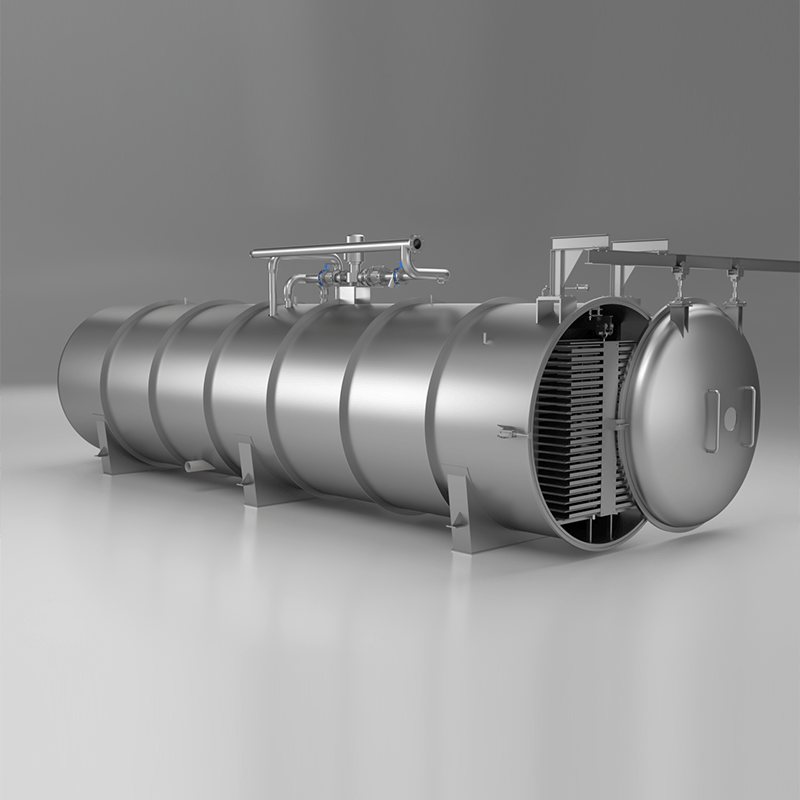
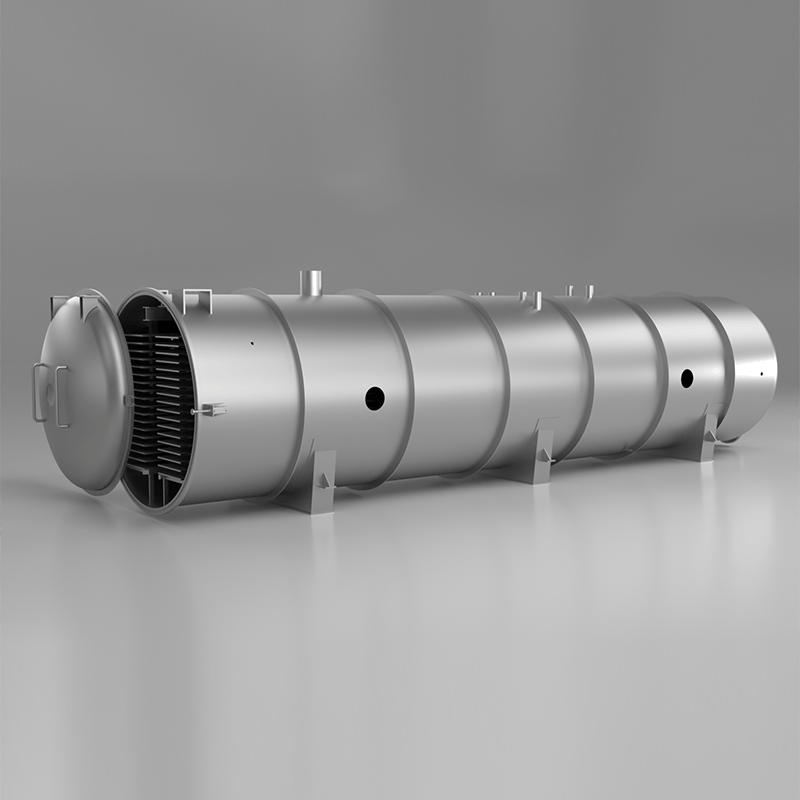
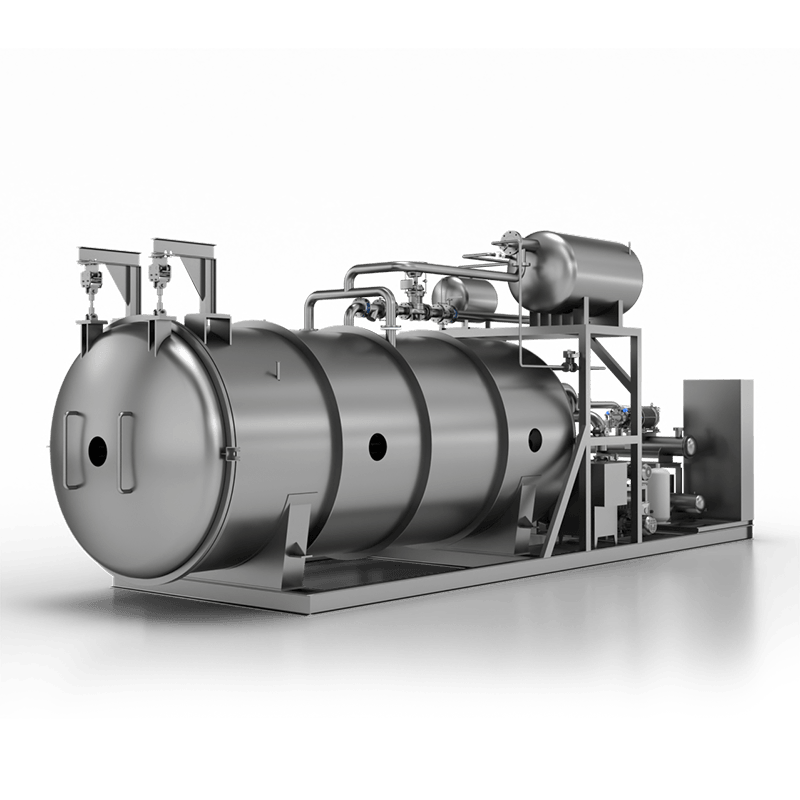
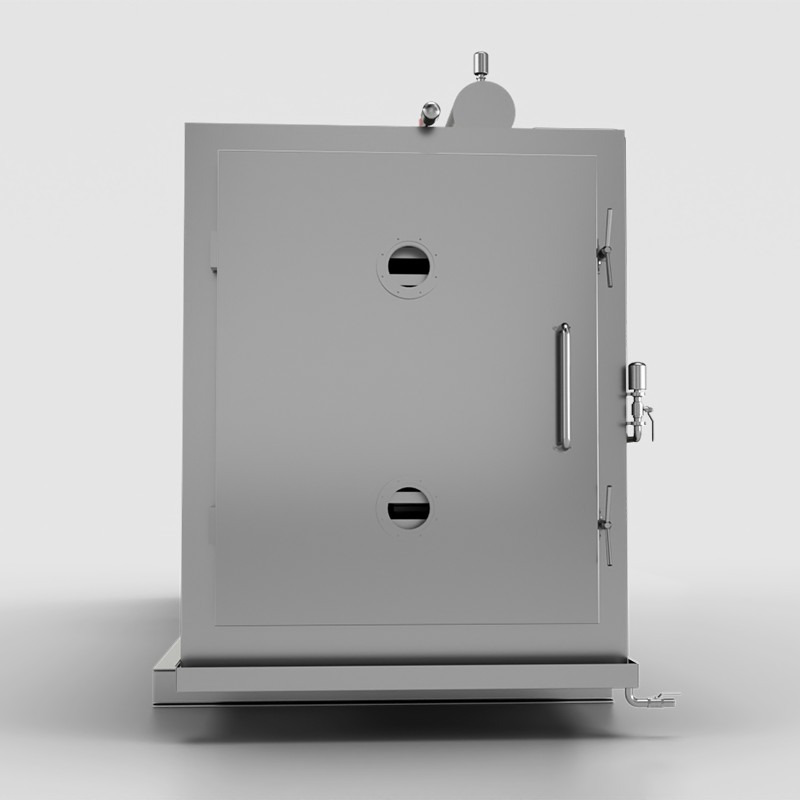 Vacuum Freeze Dryer for Healthy Snack ProductionThis equipment uses low-temperature sublimation to preserve flavor and nutrition. Models like BLK-FD-50 and BLK-FD-200 offer batch sizes suitable for scaling from testing to retail supply.View Product →
In our experience, a good starting point is a machine that can process at least 10 to 20 kg per batch, because that gives you meaningful output without requiring a full production crew.
Candy is not as forgiving as fruit or vegetables. Different sugar formulations mean you must test shelf temperature, vacuum level, and endpoint. Some candies need a slower drying curve to avoid surface cracking; others need a longer final hold to remove internal moisture.
Keep a log for every batch: starting weight, shelf temperature, vacuum level, duration, and final moisture. That data will help you adjust recipes when the weather changes, when a new batch of candy arrives, or when you switch suppliers. A few practical troubleshooting points we have learned over the years:
This is where a structured approach saves you time and ingredients. At Sieno, we help clients build a repeatable freeze drying cycle through controlled experiments and process documentation. If you want to speed up your research, our lyophilization recipe development service is designed for exactly this situation.
Moisture and oxygen are the enemies of freeze dried candy. Once removed from the dryer, the product instantly starts absorbing humidity. Packaging must happen quickly, in a controlled environment, using high-barrier bags or containers.
For a small producer, a nitrogen-filled aluminum foil pouch with an oxygen absorber is a reliable choice. For larger lines, automated nitrogen flushing and sealing improves consistency and throughput.
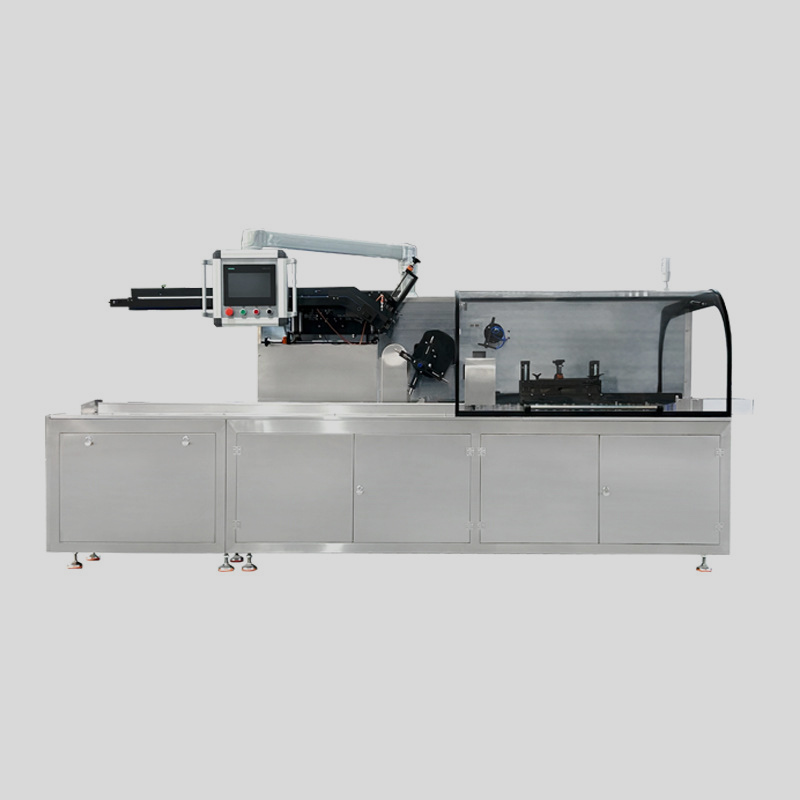 Nitrogen-Filled Aluminum Foil Packaging MachineAutomates sealing and nitrogen flushing with residual oxygen under 1%, running up to 80 packs per minute. Ideal for large-scale, export-ready snack packaging with extended shelf life.View Product →
Quality checks belong in the same discussion. A metal detection or X-ray system prevents contamination from metal fragments and protects your brand as you move into wholesale channels.
 Metal Detection and X-Ray Inspection MachineDual detection spots iron contaminants down to 0.3mm, enhancing safety for export-grade and infant-grade freeze-dried foods. A crucial final check before wholesale distribution.View Product →
Finally, add storage guidance to your label. Freeze dried candy should be kept in a cool, dry place away from strong sunlight, and the package should be opened only when the consumer is ready to eat it.
Start with channels that let you interact with customers directly: farmers markets, pop-up events, local cafes, and online marketplaces. Direct feedback is invaluable at the beginning. You will learn which shapes stay crisp, which flavors resonate, and what price point feels fair.
Once you have steady sales, consider wholesale to specialty stores, gyms, or gift shops. At that point, you need reliable packaging, consistent supply, and possibly a co-packer or your own larger machine. Scaling does not have to mean buying the biggest dryer immediately. It can mean adding a second mid-sized dryer, or investing in a conveyor packaging line once orders are predictable.
If you are planning a complete facility, it is worth looking at a turnkey setup that links pre-treatment, drying, and packaging into one flow. That reduces labor and quality variation, but it should be a decision made when your volume justifies the investment.
Starting a freeze dried candy business is equal parts creativity and engineering discipline. The brands that stand out are the ones that respect the science behind the snack and build their process around it. At Sieno, we have worked with many companies to go from a single dryer to a full production line, and we are happy to answer questions about equipment sizing, process development, and packaging integration. The market is still young enough that there is room for new ideas, especially if you show up with a solid plan and the right equipment.


Sieno's whole series of freeze-drying equipment, covering the experimental research to the industrial scale, is energy efficient, stable, and reliable, with flexible customization as the core, to production, optimization of process, and multiple fields with green manufacturing solutions.
Sieno, based on the research of intelligent freeze-dried food, provides with custom process for the whole chain of freeze-dried technology support (including pretreatment, freeze-dried, and packaging), helping enterprises realize multiple improvements in efficiency, quality, and environmental protection.
Equiment & Soiution
Food Industry Pharmaceuticals Industry Agricultural Industry Pet Industry Beauty Care Industry Chemical Engineering & Laboratory Environmental Protection & Circular EconomyContact Info.
 Sales counsltant: +86 17312896506
 yuanliang@jsblk.com
 No.29 Tongiiang North Road, Xinbei District, Changzhou City, Jiangsu, China
Follow Us
Copyright ©
Sieno Freeze-drying Technology Research Institute (Jiangsu) Co., Ltd
All Rights
Reserved
Custom One-Stop Freeze Drying Equipment Suppliers