English
 русский
 中文简体

Request a Quote

Industry News
 Home / Recent News / Industry News / how to store freeze dried candy: Applications, Selection Criteria, and Practical Guidance
 2026.11.12
 Industry News
Freeze-dried candy has a light, airy crunch that makes it hard to stop eating. It also has a delicate structure that can soften quickly if it is stored carelessly. The good news is that the best storage routine is simple: keep the candy dry, cool, dark, and protected from crushing. Whether you are saving a bag from a weekend market or packing retail portions, understanding how to store freeze-dried candy will help you protect the texture that makes it special.
During freeze-drying, water is removed from the candy by sublimation. The finished piece keeps its shape, but it becomes porous and highly hygroscopic, meaning it attracts moisture from the air. Once that moisture returns, the candy can lose its crisp snap and turn chewy, sticky, or dull. Heat speeds up the process, light can fade bright colors, and rough handling breaks fragile pieces. The candy is not necessarily spoiled at that point, but its most important quality characteristic, the crunch, has been compromised.
When learning how to store freeze-dried candy, focus on four factors. Moisture is the main enemy. Heat encourages moisture movement and can soften coatings. Air carries humidity and oxygen into the package, while light gradually affects color, especially in fruit-flavored or brightly colored products. A good container will address most of these issues at once, but it helps to know what you are protecting against.
| Factor | Best practice | Why it matters |
|---|---|---|
| Moisture | Airtight container, with food-grade desiccant when needed | Prevents sticky, chewy texture |
| Temperature | Stable 15–21°C (60–70°F) | Limits softening and condensation |
| Light | Dark cupboard or opaque packaging | Protects color and visual appeal |
| Air | Minimal headspace; squeeze out excess air | Reduces moisture exchange and oxidation |
| Handling | Rigid jar or cushioned pouch | Keeps fragile pieces intact |
A clean, dry, airtight container is the workhorse of freeze-dried candy storage. Glass jars with gasket lids work well, as do high-quality plastic canisters, sealed foil pouches, and vacuum bags. If the original bag is unopened and still sealed, keep it that way until you are ready to eat. Once opened, transfer the candy to a smaller airtight container or reseal the bag tightly with as little air as possible.
For humid kitchens, a small food-grade desiccant packet inside the container can help, but keep it in its packet and away from direct contact with the candy. Label the container with the date so you can rotate older portions first. Avoid thin zip-top bags that do not seal properly, paper bags, open bowls, and decorative tins without a gasket. These allow moisture in and usually let the candy soften within days.
Hard sugar candies are the most moisture-sensitive and benefit most from airtight storage plus desiccant. Taffy-style pieces can become chewy and sticky if humidity enters, so keep them sealed and separated from crisp candies. Chocolate-coated pieces need stable, cool temperatures to reduce bloom and coating damage, but refrigeration is still not recommended. Powders and sour coatings should be kept very dry to prevent clumping. If you store different flavors together, use separate bags or compartments to avoid odor transfer and color bleeding.
For commercial producers, storage quality begins before the customer opens the bag. Residual moisture, seal integrity, headspace, and barrier film all influence how long the crunch lasts. Our freeze-dried candy product development resources connect recipe design, texture, and shelf life, while packaging line design should match the shape and fragility of the product. Nitrogen flushing can reduce oxygen exposure, and high-barrier foil helps keep moisture out. Oversized bags create excess headspace and allow pieces to move and break, so package size should be chosen with care.
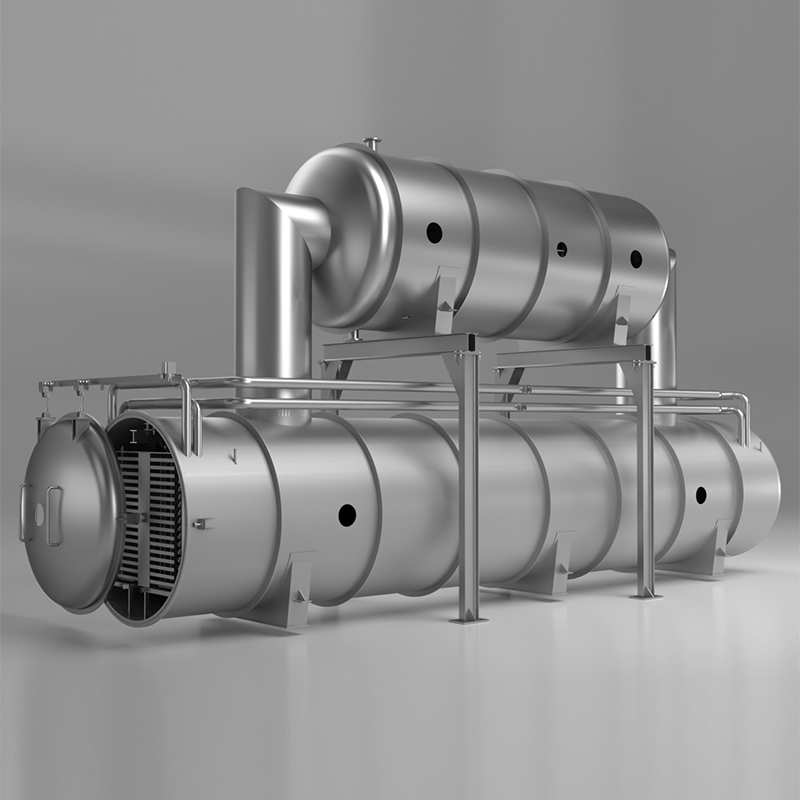
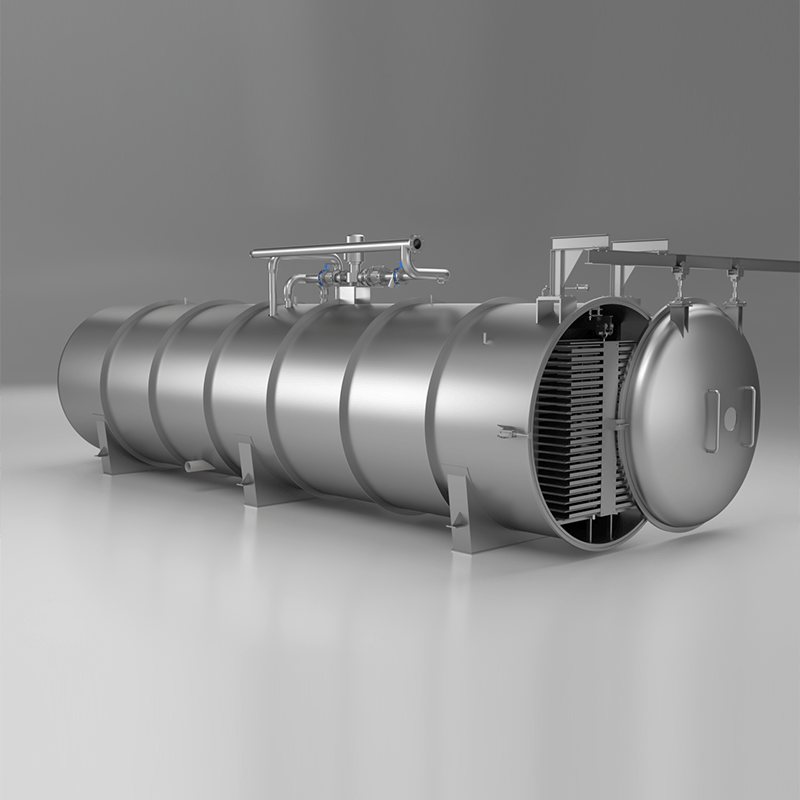
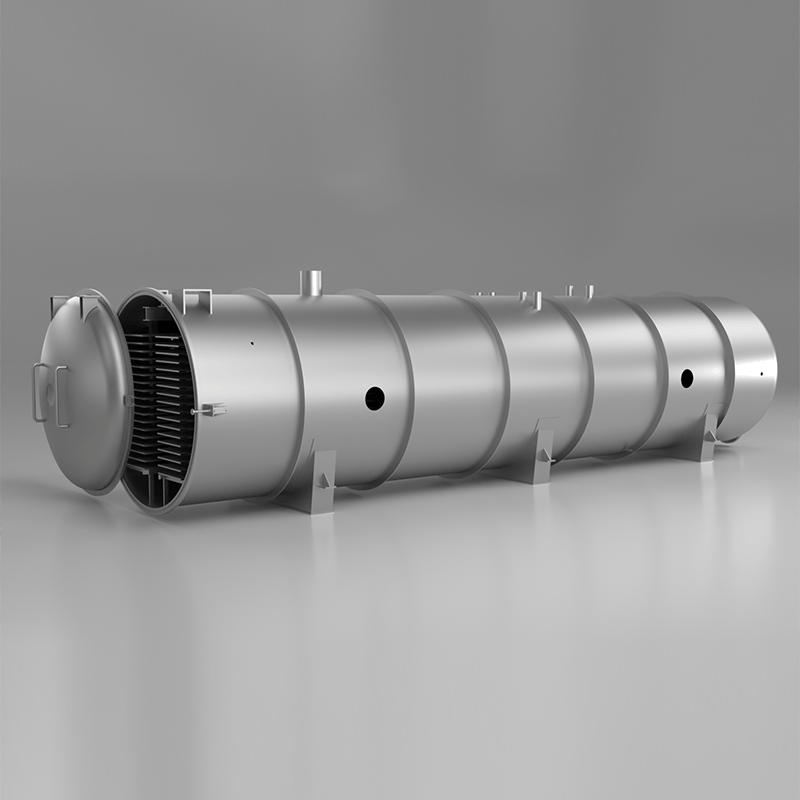
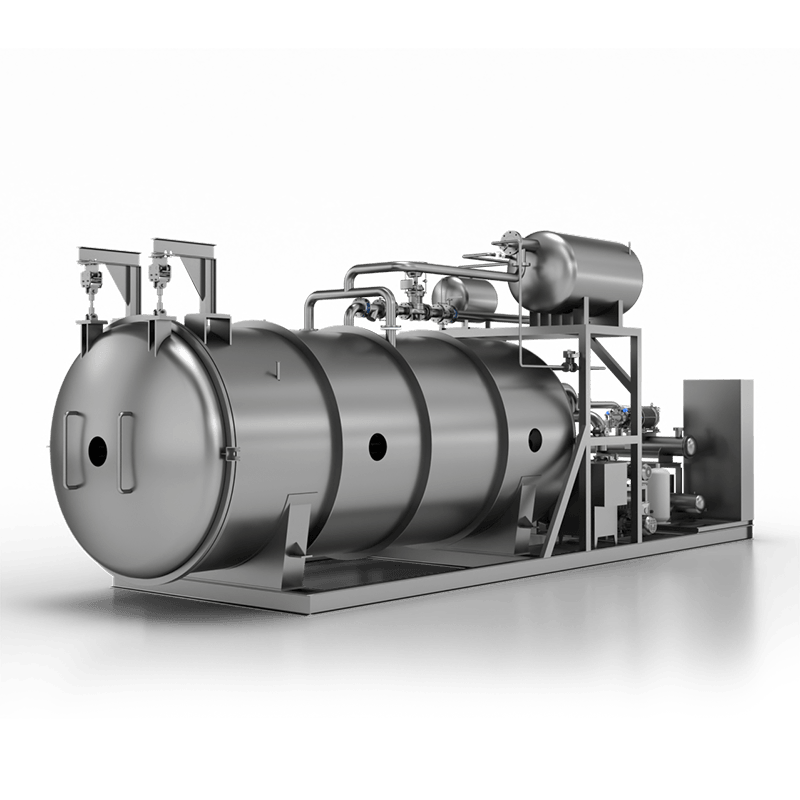
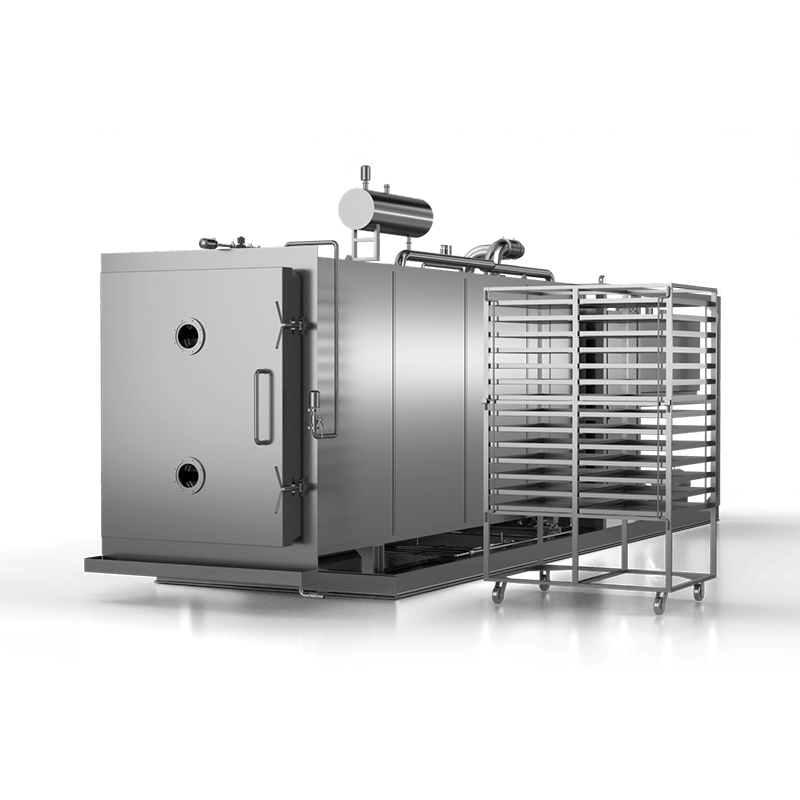
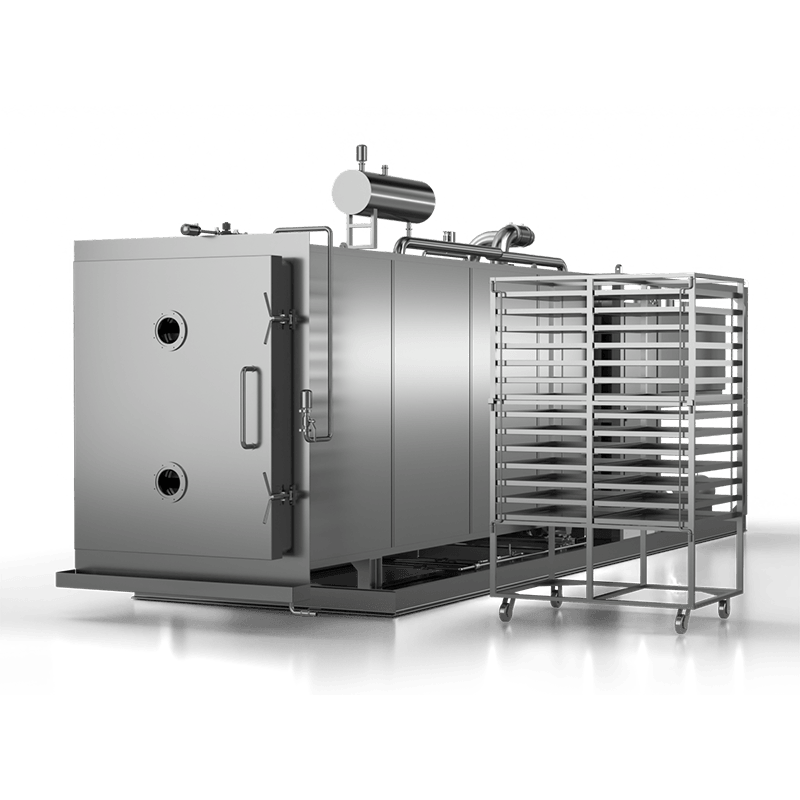
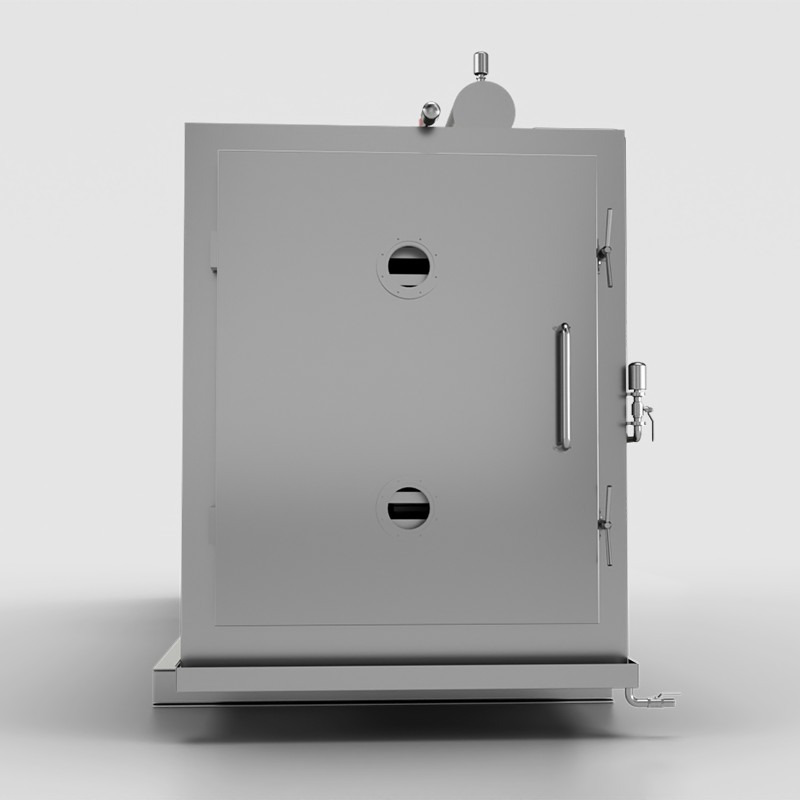 Vacuum Freeze Dryer for Healthy Snack ProductionLow-temperature sublimation drying equipment for retaining flavor, nutrition, and structure in low-sugar, high-fiber freeze-dried snacks, from experimental to industrial scale.View Product →
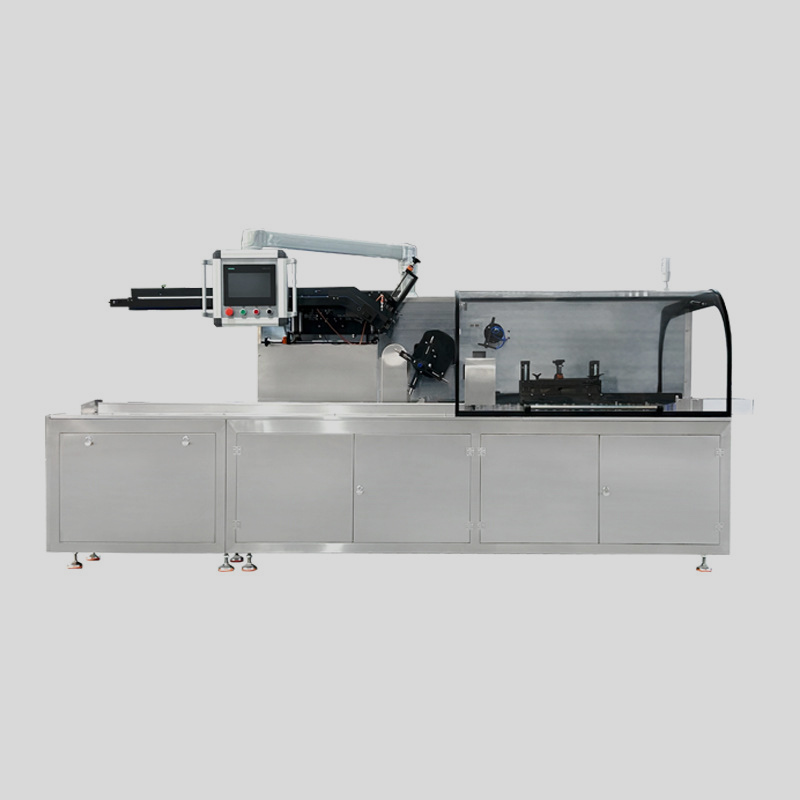 Nitrogen-Filled Aluminum Foil Snack Packaging MachineAutomatic sealing and nitrogen filling for freeze-dried snacks, with residual oxygen of 1% or less and output up to 80 packs per minute.View Product →
Unopened candy in good barrier packaging often keeps its best quality for nine to twelve months, and some well-packed products may carry a longer date. Once opened, shelf life depends heavily on humidity. In a dry home with airtight storage, the candy may stay crisp for weeks. In a humid kitchen, it can begin to soften within days. Check the texture rather than relying only on the printed date: crisp, dry pieces with clean flavor are a good sign. Sticky surfaces and a chewy bite mean moisture has already made an impact.
Re-crisping at home is difficult because sugar can melt, scorch, or change flavor when reheated. A food dehydrator on a low setting may help some hard candies, but results vary widely. If the candy is only slightly soft, place it in an airtight container with a fresh desiccant packet for a day or two and check again. Discard candy that shows mold, off smells, or wet clumps. Prevention is far more reliable than trying to restore a texture that has already been lost.
Storing freeze-dried candy is really about protecting a carefully made texture. Keep it dry, cool, dark, and cushioned; seal it well; and open it only when you plan to enjoy it. At Sieno, we see the same principle in every batch: good freeze-drying creates the crunch, and thoughtful storage keeps it. Whether you are packing a lunchbox treat or preparing retail portions, a little care at the container stage makes a noticeable difference.


Sieno's whole series of freeze-drying equipment, covering the experimental research to the industrial scale, is energy efficient, stable, and reliable, with flexible customization as the core, to production, optimization of process, and multiple fields with green manufacturing solutions.
Sieno, based on the research of intelligent freeze-dried food, provides with custom process for the whole chain of freeze-dried technology support (including pretreatment, freeze-dried, and packaging), helping enterprises realize multiple improvements in efficiency, quality, and environmental protection.
Equiment & Soiution
Food Industry Pharmaceuticals Industry Agricultural Industry Pet Industry Beauty Care Industry Chemical Engineering & Laboratory Environmental Protection & Circular EconomyContact Info.
 Sales counsltant: +86 17312896506
WhatsApp: +8617312896506
 yuanliang@jsblk.com
 No.29 Tongiiang North Road, Xinbei District, Changzhou City, Jiangsu, China
Follow Us
Copyright ©
Sieno Freeze-drying Technology Research Institute (Jiangsu) Co., Ltd
All Rights
Reserved
Custom One-Stop Freeze Drying Equipment Suppliers