English
 русский
 中文简体

Request a Quote

Industry News
 Home / Recent News / Industry News / How to Store Freeze Dried Strawberries: Crisp, Fresh, and Shelf-Stable
 2026.11.19
 Industry News
Freeze dried strawberries have a wonderful crunch and a bright flavor that makes them a favorite snack and baking ingredient. But they are also one of the most delicate freeze dried fruits. A bag left open on a humid kitchen counter can turn crisp fruit soft overnight. The good news is that storing them well is not complicated. It is mostly a matter of keeping moisture, heat, light, and oxygen away from the fruit, and handling the package with a little care.
Freeze drying removes nearly all the water from the fruit. What remains is a light, porous structure that snaps easily and rehydrates quickly. That structure is why the fruit is so pleasing to eat, and also why it is so ready to absorb moisture from the air. Once the fruit picks up water, it loses crunch, flavor can dull, and in poor conditions mold can develop.
Strawberries add their own challenges. They are high in sugar and fragile after drying, so slices can rub together and create powder at the bottom of the bag. That powder is not waste; it is useful in yogurt or smoothies. But it also shows why the fruit should be handled gently and sealed promptly.
If you remember only one rule, make it this: dry fruit belongs in a dry place. The rest is detail.
When a freeze dryer cycle finishes, the strawberries are at their crispest. In a home setting, open the bag and use what you need quickly. Do not leave the rest sitting open while you make labels or find a container. Have the jar or pouch ready before you open the original package, and seal the remainder within a few minutes.
Refrigerators are moist places. A cold package opened in a warm kitchen can form condensation on the fruit, and that small amount of water is enough to soften the edges. For daily use, choose a cool, dark cupboard instead. For long-term freezer storage, use a truly moisture-proof package and let it come to room temperature before opening.
The same idea applies to the container. If the jar or pouch was sitting in a humid room, wipe the outside dry and make sure the inside is clean and dry before adding fruit.
An airtight container is not just a box. It is a small barrier against the room around it. Glass jars with tight lids, vacuum-sealed pouches, and foil-lined bags all work. The best choice depends on how long you plan to keep the fruit and how often you open the container.
| Container | Best for | Typical sealed quality window | What to watch |
|---|---|---|---|
| Glass jar with airtight lid | Pantry portions and frequent snacking | 6-12 months | Opening the jar lets humid air in; refresh the absorber if the jar is nearly empty. |
| Foil-lined pouch or Mylar bag, heat sealed | Long-term pantry storage | 12-24 months | Use an oxygen absorber and seal the whole bag, not just the top edge. |
| Vacuum-sealed pouch | Small households and gift packs | 12-18 months | Sharp strawberry edges can puncture thin film; check the seal after packing. |
| Nitrogen-flushed commercial pouch | Retail and bulk wholesale packs | 18-24+ months | Requires proper packaging equipment and a controlled, dry room. |
For a home pantry, a glass jar with a tight lid and an oxygen absorber is often the easiest starting point. For longer storage, a heat-sealed foil pouch with an absorber gives more protection against air and light. Whichever container you choose, label it with the date and the variety, and rotate older packages first.
A sealed package is a small, controlled environment. An opened package is exposed every time you reach in, which is why the storage clock changes after opening. In a well-sealed container, freeze dried strawberries can keep good texture and flavor for months, often a year or more under cool, dark, dry conditions. After opening, think in weeks rather than years. In a dry climate and an airtight jar, crispness may hold for two to three months; in a humid kitchen, it can fade within weeks.
Re-sealing is not just closing the bag. Squeeze out as much air as you can, add a small oxygen absorber if the package is designed for one, and close the container within a minute or two. If the original bag has a zip seal, roll the top down before sealing so the closure is clean. Keep the package in a dark cupboard, not beside a stove, kettle, or sunny window.
Freeze dried fruit rarely spoils quietly in a dry pantry. The first sign is usually a change in texture: the pieces start to bend instead of snap, or they feel cool and damp. Color may fade from bright red to a duller brick tone, and the aroma can become flat or slightly fermented. Mold is a moisture problem. If you see fuzzy patches, dark spots, or smell something musty, discard the package. Do not try to salvage it by drying it again at home.
You do not need a laboratory to keep strawberries crisp. A short routine is enough, and it is easier to repeat than a complicated system.
One practical habit helps more than any gadget: keep a small "open now" jar and a larger "reserve" bag. The reserve bag stays sealed; the open jar is the one you use daily. This limits moisture exposure to a small amount of fruit.
At production scale, storage quality is decided long before the pouch reaches a pantry. The freeze drying cycle, the moisture content at the end of the cycle, the humidity in the packaging room, and the seal integrity all affect how long the strawberries stay crisp. A product that leaves the dryer at the right moisture level can still lose quality if it is packed in a humid room or in a pouch with a weak seal.
For berry processors, the starting point is a consistent, high-yield freeze drying process. Our team often sees the biggest gains when raw material preparation, cycle control, and packaging are treated as one system rather than separate steps. If you are reviewing your line, this overview of high-yield berry freeze drying is a useful place to compare notes.
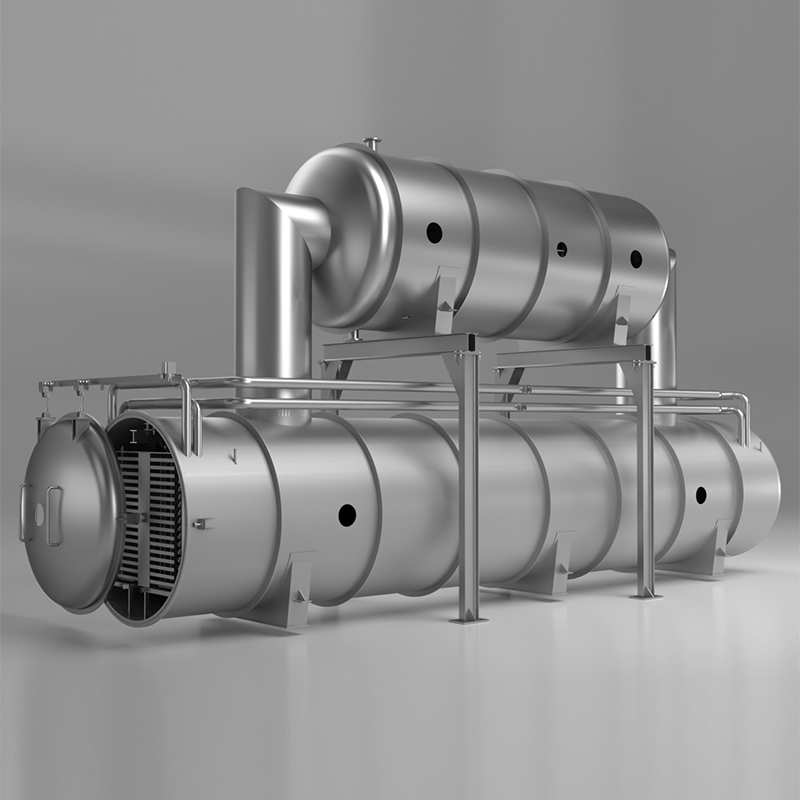
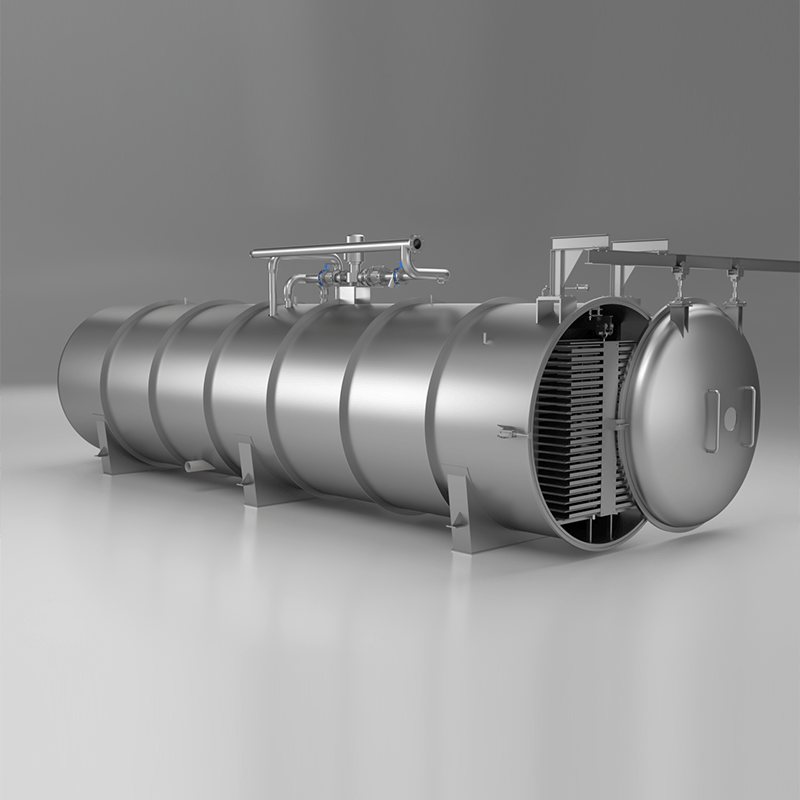
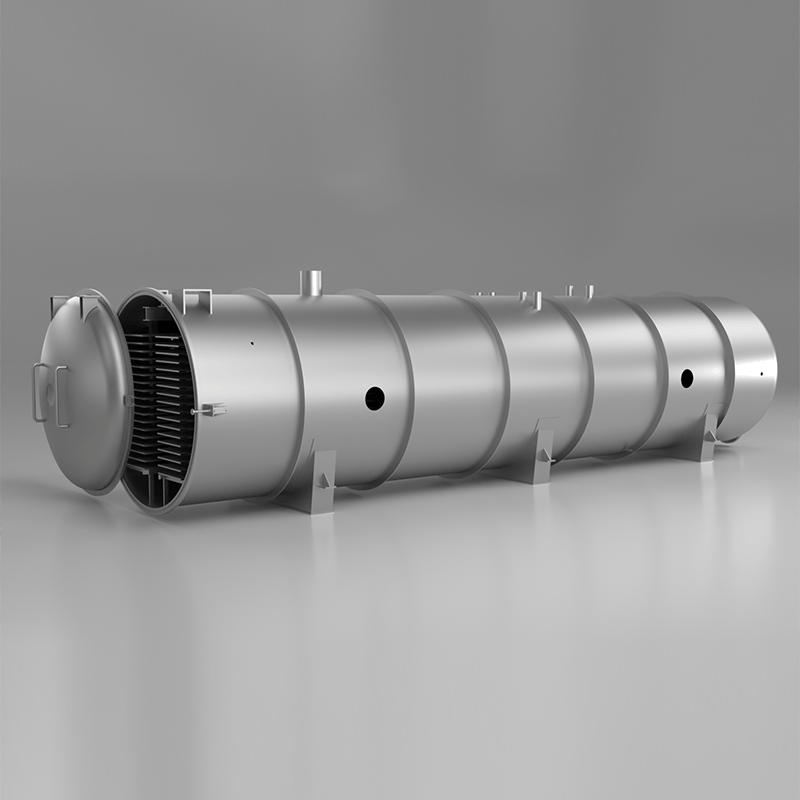
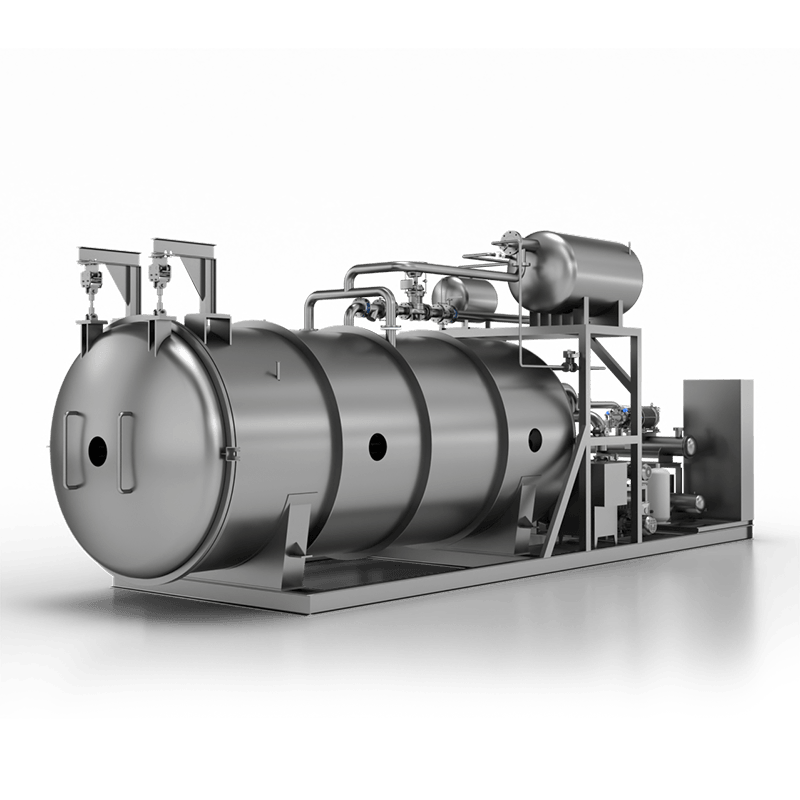
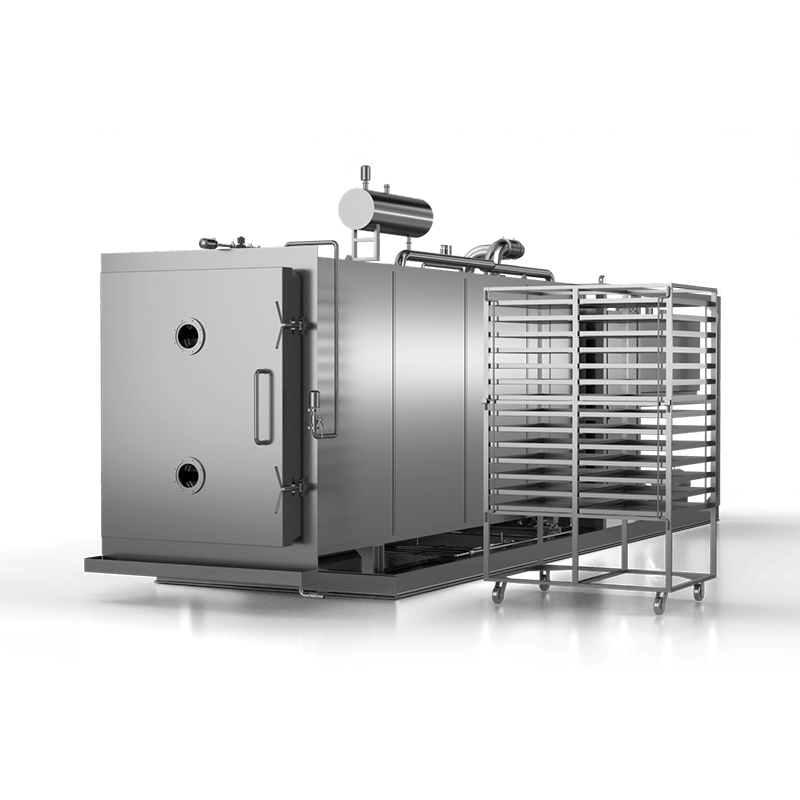
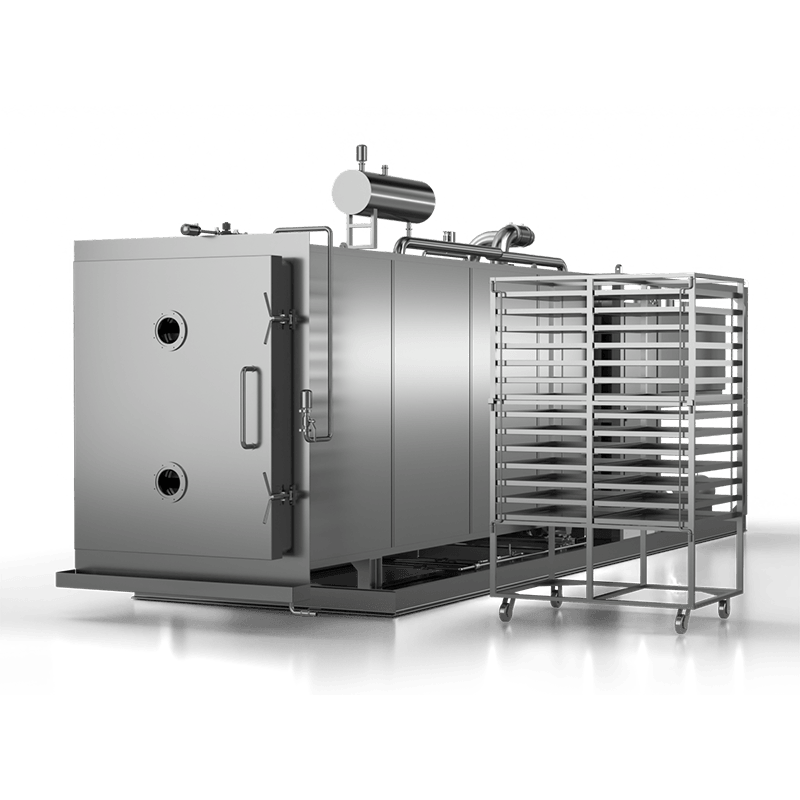
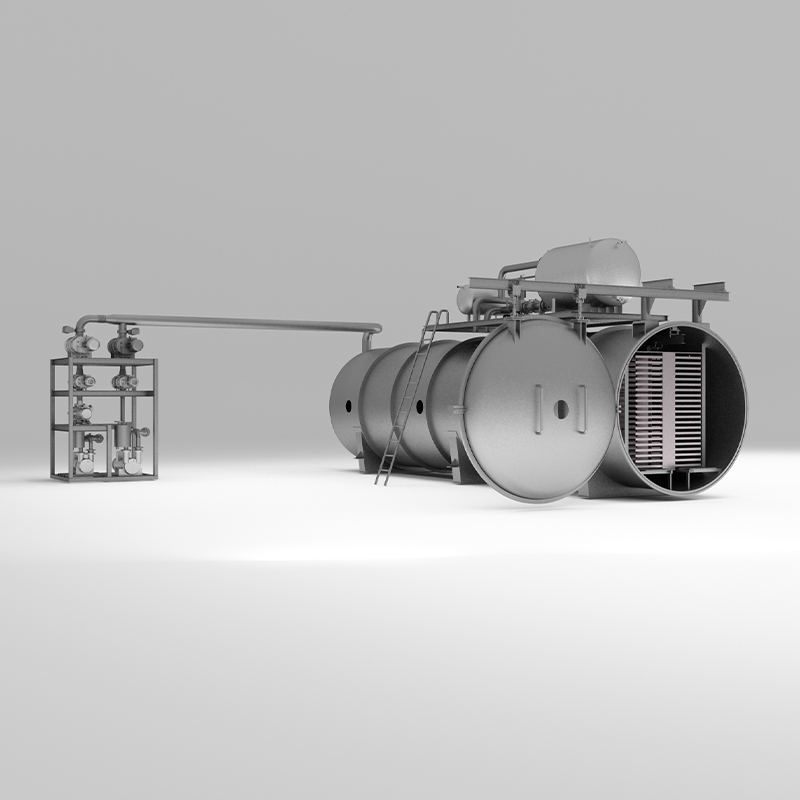 Vacuum Freeze Dryer for Fruits and VegetablesReview this core drying equipment for stable dehydration and nutrient retention, with batch or continuous options for berry and mixed produce lines.View Product →
On the packaging side, nitrogen flushing and a tight, foil-based seal are common choices for retail and bulk packs. The goal is simple: remove oxygen, block moisture, and protect the fruit from light. A packaging line that can handle small retail pouches and larger bulk formats gives you more flexibility as orders change.
 Nitrogen Filling Packaging Machine for Fruits and VegetablesConsider this packaging solution for reducing oxidation and extending shelf life of freeze-dried fruit and vegetable snacks with foil-based bags.View Product →
Warehouse conditions matter too. Keep bulk cartons off concrete floors, away from outside walls, and in a room with stable temperature and low humidity. A hygrometer is inexpensive and surprisingly useful; we would rather see a team check the room daily than discover a problem at the end of the season. For a broader look at packaging options, see freeze dried food packaging lines.
They help, especially for long-term storage in foil pouches. Oxygen absorbers are not a substitute for a dry container. If moisture can get in, an absorber will not keep the fruit crisp. Use absorbers that are fresh and sized for the container.
For everyday use, no. Refrigerators are humid, and condensation forms when the cold package is opened in a warm room. A cool, dark cupboard is better for most opened packages. For long-term freezer storage, use a moisture-proof package and let it temper before opening.
Plan on weeks to a few months, depending on humidity, container, and how often you open it. Crispness fades first; flavor and color follow. If the fruit becomes soft but smells clean, it is still safe to eat, though it may be better in smoothies or yogurt than as a snack.
Freeze dried strawberries are a concentrated little pleasure: bright, light, and crisp. They do not ask for much. A dry container, a cool dark place, a quick seal, and attention to the first signs of softness are usually enough. Whether you are packing a lunch, stocking a pantry, or designing a retail pouch, the same principle holds: protect the fruit from moisture, heat, light, and oxygen, and it will stay closer to the way it left the dryer.


Sieno's whole series of freeze-drying equipment, covering the experimental research to the industrial scale, is energy efficient, stable, and reliable, with flexible customization as the core, to production, optimization of process, and multiple fields with green manufacturing solutions.
Sieno, based on the research of intelligent freeze-dried food, provides with custom process for the whole chain of freeze-dried technology support (including pretreatment, freeze-dried, and packaging), helping enterprises realize multiple improvements in efficiency, quality, and environmental protection.
Equiment & Soiution
Food Industry Pharmaceuticals Industry Agricultural Industry Pet Industry Beauty Care Industry Chemical Engineering & Laboratory Environmental Protection & Circular EconomyContact Info.
 Sales counsltant: +86 17312896506
WhatsApp: +8617312896506
 yuanliang@jsblk.com
 No.29 Tongiiang North Road, Xinbei District, Changzhou City, Jiangsu, China
Follow Us
Copyright ©
Sieno Freeze-drying Technology Research Institute (Jiangsu) Co., Ltd
All Rights
Reserved
Custom One-Stop Freeze Drying Equipment Suppliers