English
 русский
 中文简体

Request a Quote

Industry News
 Home / Recent News / Industry News / How to Store Freeze-Dried Eggs: Keep Egg Powder Fresh and Safe for Years
 2026.11.16
 Industry News
Freeze-dried eggs are a quiet pantry staple that can save a breakfast, a baking project, or a camping trip—until the powder absorbs too much air and turns into a hard, off-tasting block. Drying removes most of the water, but it does not make the food invincible. Storage is where good freeze-dried eggs stay useful for years or quietly fail in a few months. We have worked alongside producers who dry eggs and other sensitive ingredients, and the same rules appear again and again: keep the powder dry, keep oxygen away, and keep the container honest. Here is how to store freeze-dried eggs so the next scoop tastes like the first.
Freeze-drying removes roughly 90 to 95 percent of the water from eggs, leaving a light, porous powder. That low moisture is what gives freeze-dried eggs their long shelf life, but it also makes them thirsty. The powder is hygroscopic, meaning it pulls moisture from the air. A crack in a pouch, a lid opened on a humid afternoon, or a scoop taken with a damp spoon can start the decline.
Fat is the second issue. Egg yolk contains fat, and fat reacts with oxygen. Oxygen does not usually make the powder unsafe overnight, but it does bring stale, cardboard-like flavors and reduces quality. Light and heat speed that reaction. Storage is not just about keeping bugs out; it is about protecting texture, flavor, and the nutritional value that made freeze-drying worth the effort.
At home, the best container does three jobs: keeps moisture out, limits oxygen, and blocks light. That usually means a foil-laminated pouch, a vacuum-sealed bag, or a clean, dry glass jar with a tight lid. Foil pouches with an oxygen absorber are strongest for long-term storage because the foil blocks light and the absorber removes residual oxygen. Glass is excellent for a working jar you use often, as long as the lid seals well and you keep it in a dark cupboard.
Plastic is convenient but not all plastic is equal. Heavy, food-grade buckets with tight lids can work for bulk storage, especially when the powder is first bagged in smaller foil pouches. Thin zip-top bags are better for short-term use; they let in little air at first, but they puncture easily and do not block light. Avoid containers that previously held onions, spices, or cleaning products. Egg powder picks up odors quickly.
Do not fill one giant container and open it every day. Portion the powder into smaller packages—enough for a month or two of cooking—so the whole supply is not exposed each time you make breakfast.
A dry room, clean hands, and a little patience are enough. The goal is to keep moisture and oxygen away while you work.
Cool, dark, and dry is the short answer. A cupboard away from the stove, a basement shelf, or a climate-controlled pantry is better than a refrigerator for unopened packages. Refrigerators are cool, but they are humid and cycle through temperature changes whenever the door opens. Condensation inside a pouch is a real risk. In a very hot, humid climate, a freezer can hold well-sealed foil pouches long-term, but let the package reach room temperature before opening so moisture does not condense on the powder.
Use a humidity indicator card in bulk storage. It is a cheap early warning. If humidity rises, reseal or repackage the powder.
| Storage factor | Target | Why it matters |
|---|---|---|
| Moisture | Sealed and dry | Powder absorbs water and clumps |
| Temperature | Below 21°C / 70°F, steady | Heat accelerates oxidation |
| Light and oxygen | Dark, low-oxygen package | Off-flavors and color loss |
| Pests | Outer tub or metal can | Tiny holes ruin a batch |
Properly dried, sealed, and stored freeze-dried egg powder is often described as lasting many years; producers may cite 10 to 25 years for unopened, oxygen-free packages. Treat those numbers as best-case estimates, not a guarantee. Real shelf life depends on initial moisture, packaging, storage temperature, and how often the package is opened. Always use the manufacturer's date as your anchor.
Once opened, the clock speeds up. Plan to use the working portion within four to eight weeks, sooner if the powder starts clumping. If you must keep an opened package longer, transfer it to a small, airtight jar with an oxygen absorber, keep it cool and dark, and check it before each use. Do not top up an old jar with fresh powder; mixing old and new makes spoilage harder to spot.
Watch for these warning signs:
Small, soft clumps right after opening can mean moisture; sift the powder and use it soon if the smell and color are normal. Hard, sticky clumps are a warning.
Rehydration is simple, but treat the powder like a dry ingredient, not a ready-to-eat snack. Follow package directions when available. A common starting point is one part egg powder to two parts water by volume. Whisk the powder into the water, let it stand five to ten minutes, then whisk again. Use it in scrambled eggs, omelets, baking, and custards. Cook thoroughly, especially for children, older adults, or anyone with a weakened immune system.
Mix only what you need. If you rehydrate a batch and do not cook it right away, refrigerate it promptly and use it within a day. Do not leave reconstituted eggs on the counter for hours, and do not treat rehydrated eggs as shelf-stable powder. Water changes the rules.
Home storage gets the headlines, but commercial freeze-dried egg powder succeeds or fails before the pouch is sealed. Residual moisture, package atmosphere, and seal integrity are process parameters, not pantry afterthoughts. A producer who dries eggs to 2 or 3 percent moisture but packs them in a humid room can still ship a product that clumps in transit. That is why we at Sieno think about freeze-drying, packaging, and moisture control as one chain rather than separate machines.
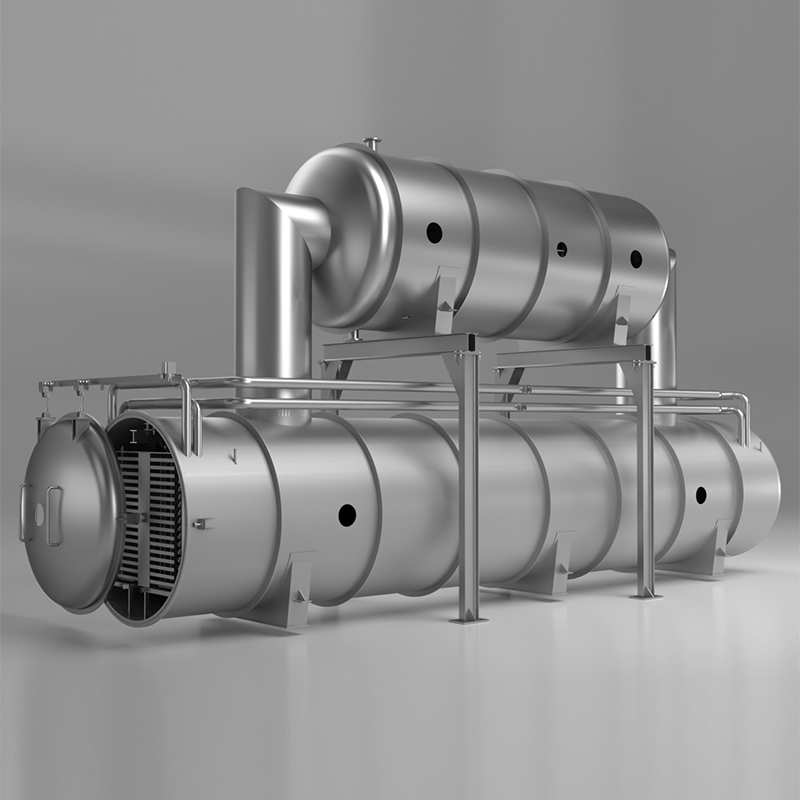
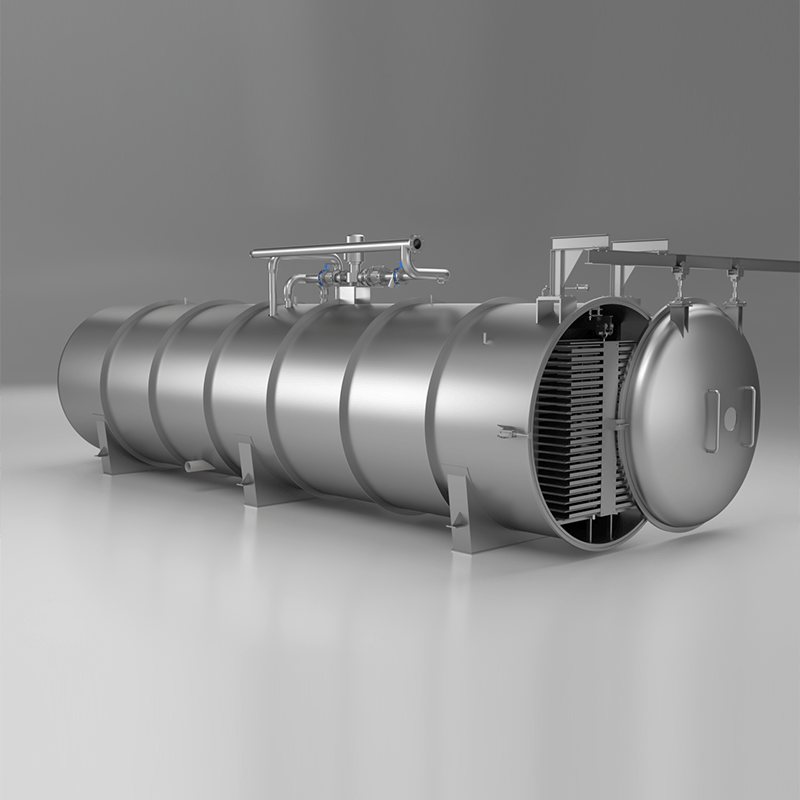
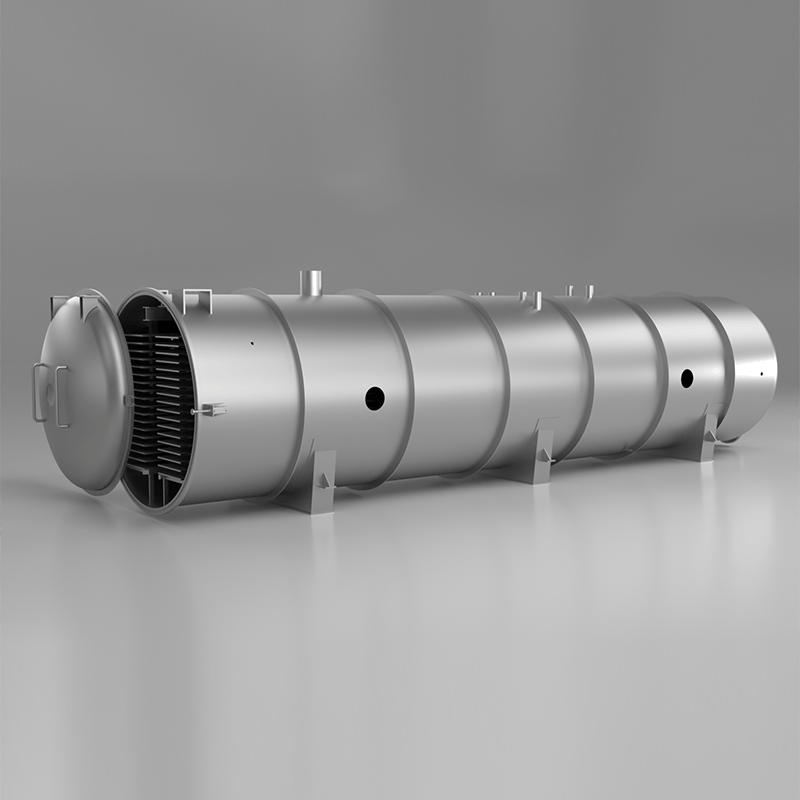
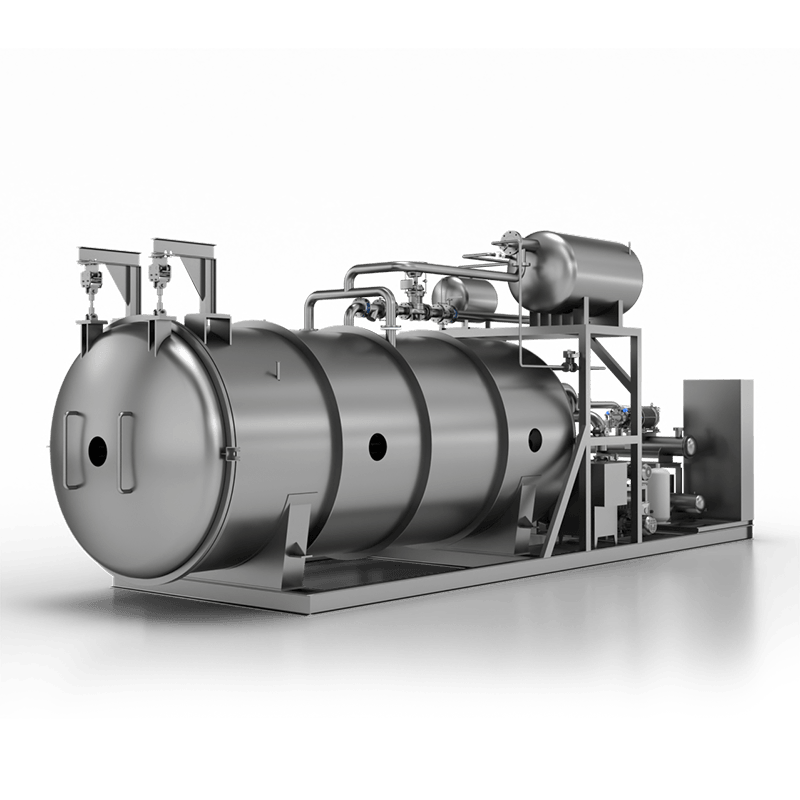
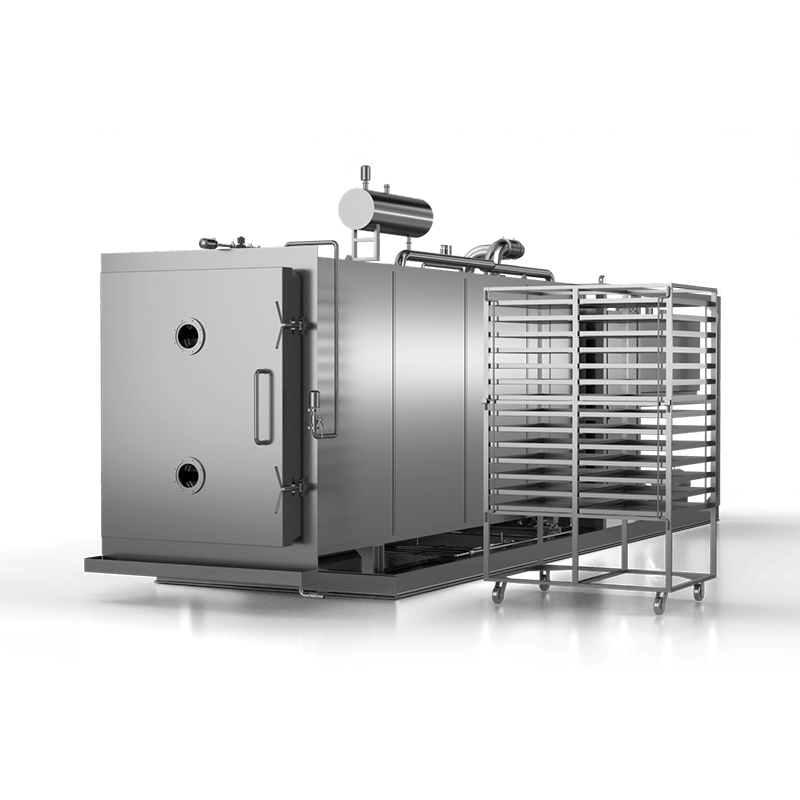
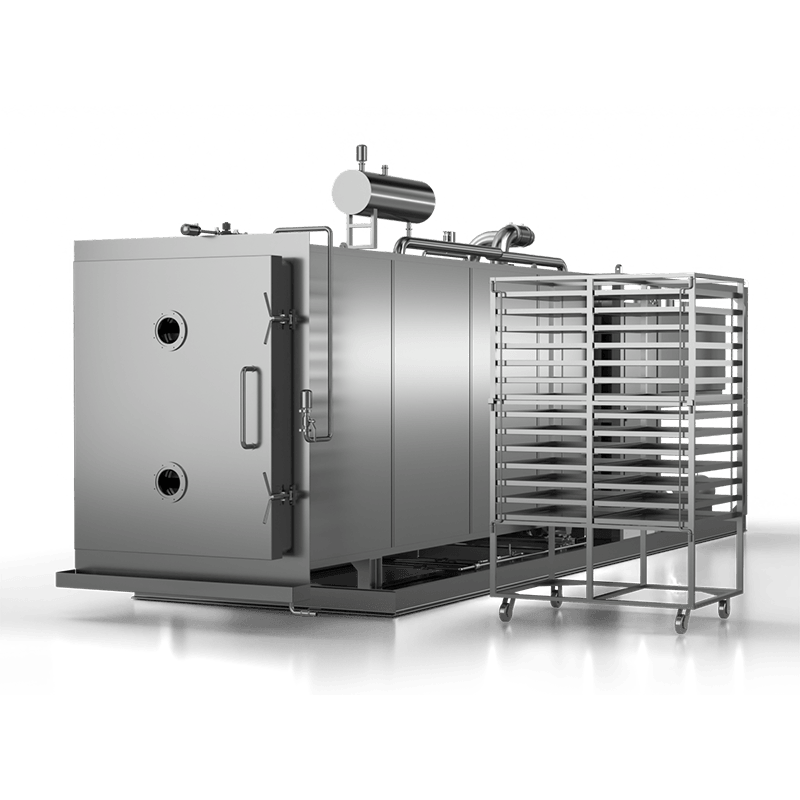
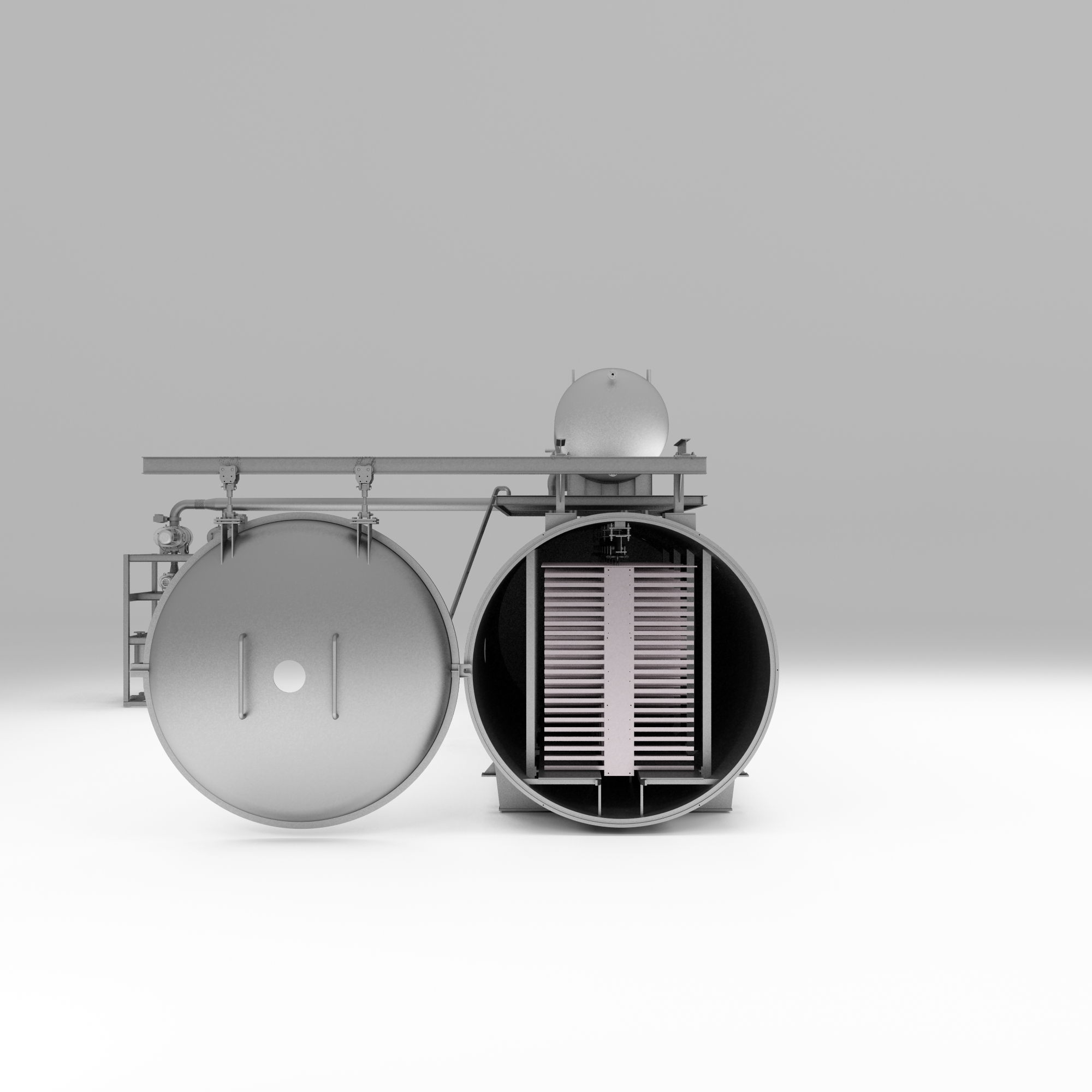 BLK-FD-100 Large-Scale Food Freeze DryerIndustrial freeze dryer for food with 1,000–1,500 kg batch capacity, cylindrical chamber, and lower energy consumption for consistent large-scale drying.View Product →
For producers, the practical path is usually: dry consistently, cool the product, transfer it in a low-humidity environment, and package with nitrogen flushing or vacuum. A foil-laminated package with low residual oxygen gives the powder the best chance of keeping its color and flavor. If you are building or upgrading a line, our packaging lines and moisture control systems are designed to connect those steps.
 Nitrogen-Filled Aluminum Foil Packaging MachineAutomatic nitrogen-filled packaging system for agricultural products, reaching ≤1% residual oxygen at 80 packages per minute for shelf-life-sensitive foods.View Product →
Quality teams also need fast, repeatable moisture checks. Inline monitoring catches drift before a whole batch is packed, and it gives operators something concrete to adjust against.
 Online Moisture Monitor for Freeze-Dried Nutritional ProductsReal-time moisture monitoring and early warning for powders and granules, helping producers verify drying endpoints and meet water-activity control requirements.View Product →
Storage is not complicated, but it is unforgiving. Keep freeze-dried eggs in small, airtight, light-blocking packages; keep them cool and dry; label them; and use the opened jar first. Do that, and a scoop of egg powder can still taste fresh long after the original carton would have been a memory.


Sieno's whole series of freeze-drying equipment, covering the experimental research to the industrial scale, is energy efficient, stable, and reliable, with flexible customization as the core, to production, optimization of process, and multiple fields with green manufacturing solutions.
Sieno, based on the research of intelligent freeze-dried food, provides with custom process for the whole chain of freeze-dried technology support (including pretreatment, freeze-dried, and packaging), helping enterprises realize multiple improvements in efficiency, quality, and environmental protection.
Equiment & Soiution
Food Industry Pharmaceuticals Industry Agricultural Industry Pet Industry Beauty Care Industry Chemical Engineering & Laboratory Environmental Protection & Circular EconomyContact Info.
 Sales counsltant: +86 17312896506
WhatsApp: +8617312896506
 yuanliang@jsblk.com
 No.29 Tongiiang North Road, Xinbei District, Changzhou City, Jiangsu, China
Follow Us
Copyright ©
Sieno Freeze-drying Technology Research Institute (Jiangsu) Co., Ltd
All Rights
Reserved
Custom One-Stop Freeze Drying Equipment Suppliers