English
  русский
  中文简体
中文简体 
Request a Quote

Industry News
 Home / Recent News / Industry News / Pet Food Freeze-Drying Equipment vs. Conventional Drying: Quality, Nutrition, and Efficiency Compared
  2026.05.14
 Industry News
Freeze-drying pet food preserves up to 97% of nutrients, flavor, and aroma. Unlike conventional drying, which relies on high heat that can degrade proteins and vitamins, freeze-drying removes water content while maintaining the food’s original structure. This method is ideal for high-quality, premium pet food products where nutrition retention and palatability are priorities.
Conventional drying methods, such as baking or air-drying, can cause nutrient loss of 30–50% for certain vitamins and minerals. While cheaper in energy consumption, these methods often result in lower-quality products that may require artificial additives to restore flavor and nutritional value.
Freeze-drying locks in essential nutrients, such as taurine, omega-3 fatty acids, and B vitamins, which are critical for pet health. The process also preserves the natural taste and texture of meat and vegetables, making it more appealing to pets.
In contrast, conventional drying often alters texture and flavor, requiring additional flavor enhancers. Heat-sensitive nutrients can degrade, resulting in less nutritious meals, especially for sensitive pets or those with dietary restrictions.
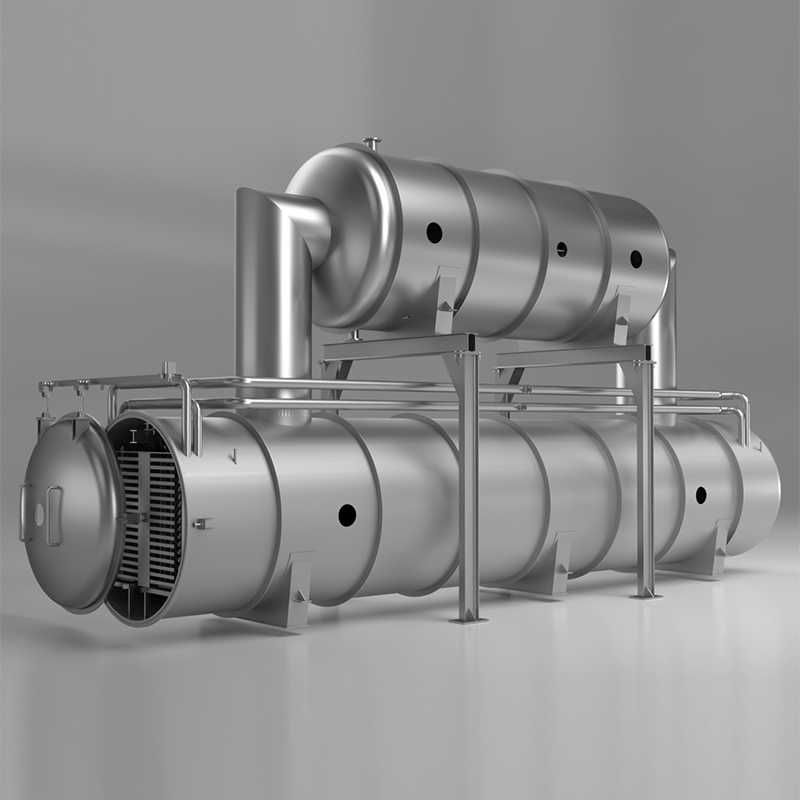
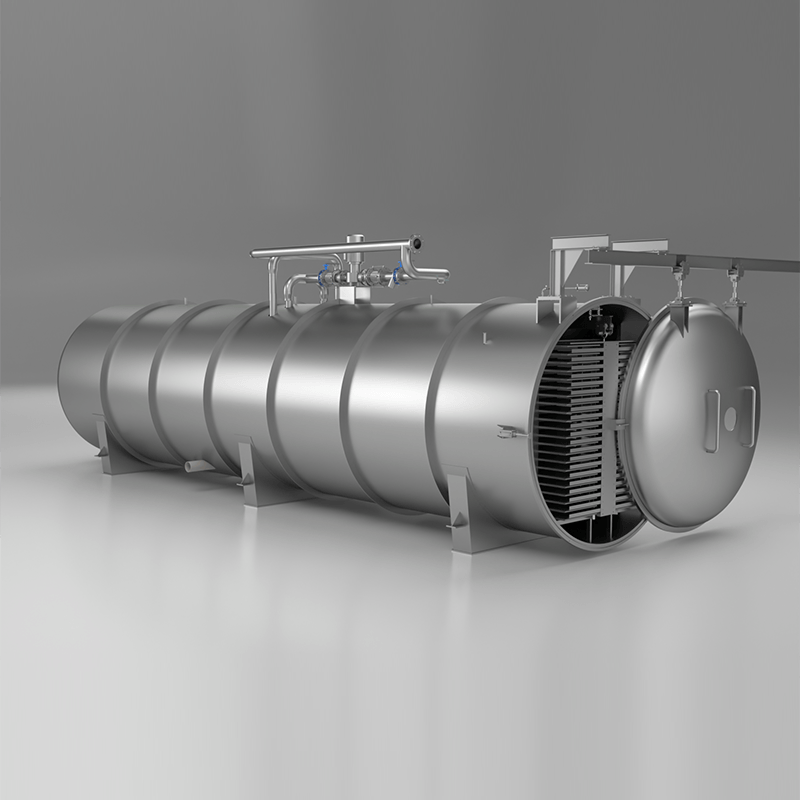
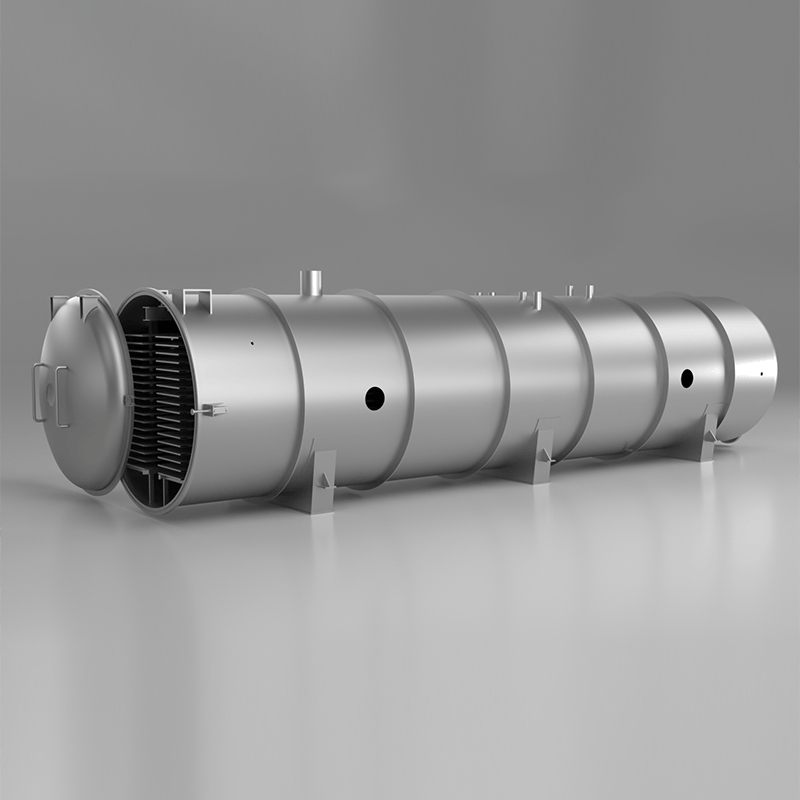
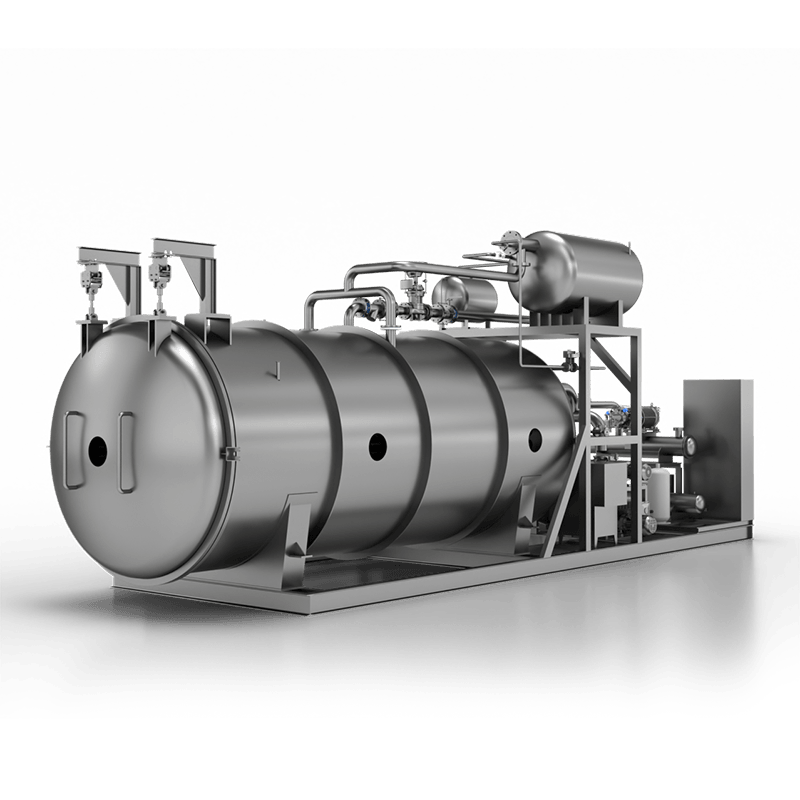
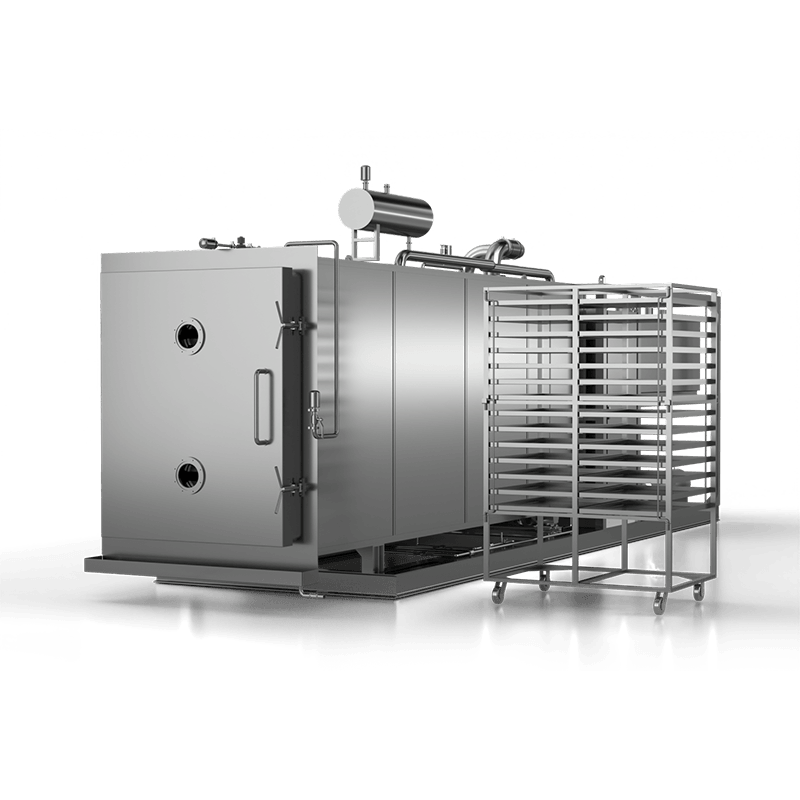
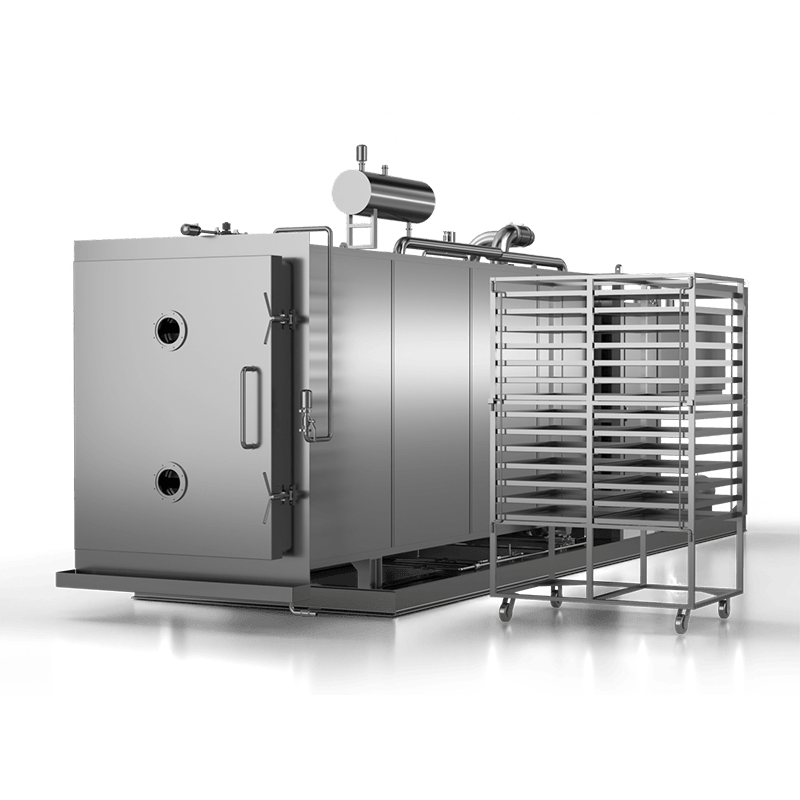
Modern pet food freeze-drying machines operate at low temperatures and vacuum pressure. Although the process is energy-intensive, it reduces long-term storage losses and extends shelf life to 18–24 months without preservatives. Automation options allow high throughput for large-scale operations.
Conventional dryers are faster per batch and use less electricity, but the trade-off is reduced product quality. The shelf life of heat-dried pet food is often 6–12 months, requiring additional preservatives to maintain safety and taste.
Freeze-dried pet food maintains natural bite structure and crispiness. Studies show that pets prefer freeze-dried treats over heat-dried ones due to retained aroma and texture. This enhances pet compliance, especially for older or picky animals.
Heat-dried pet food tends to shrink and harden, losing its original texture. Dogs and cats may reject lower-quality dry kibble, necessitating flavor enhancements or blending with wet food, increasing costs for pet owners.
Freeze-drying reduces water activity to below 5%, preventing microbial growth and spoilage. This results in long-term safety without chemical preservatives. Vacuum-sealed packaging further protects the product during transport and storage.
Conventional drying reduces water content but rarely below 10–12%, leaving food slightly prone to spoilage. Longer storage times may require added preservatives or refrigeration, which increases logistical costs.
| Feature | Freeze-Drying Equipment | Conventional Dryer |
|---|---|---|
| Initial Equipment Cost | High | Low |
| Energy Consumption per kg | Moderate-High | Low |
| Nutrient Retention | ~97% | 50–70% |
| Shelf Life | 18–24 months | 6–12 months |
| Texture & Palatability | Excellent | Moderate |
Freeze-drying is widely applied in:
Conventional drying is commonly used in:
For manufacturers aiming for high-quality, nutrient-rich, and palatable pet food, freeze-drying equipment is the recommended choice despite higher upfront costs and energy usage. Its benefits in nutrient retention, flavor, texture, and shelf life outweigh initial investment.
Conventional drying remains suitable for cost-sensitive production or large-volume bulk products where minor nutrient loss is acceptable. Selecting the method depends on balancing product quality expectations against production cost and efficiency.


Sieno's whole series of freeze-drying equipment, covering the experimental research to the industrial scale, is energy efficient, stable, and reliable, with flexible customization as the core, to production, optimization of process, and multiple fields with green manufacturing solutions.
Sieno, based on the research of intelligent freeze-dried food, provides with custom process for the whole chain of freeze-dried technology support (including pretreatment, freeze-dried, and packaging), helping enterprises realize multiple improvements in efficiency, quality, and environmental protection.
Equiment & Soiution
Food Industry Pharmaceuticals Industry Agricultural Industry Pet Industry Beauty Care Industry Chemical Engineering & Laboratory Environmental Protection & Circular EconomyContact Info.
 +86 18068757376
  bolaike@jsblk.com
  Zhenglu Town, Tianning District, Changzhou City, Jiangsu Province, China
Follow Us
Copyright ©
Sieno Freeze-drying Technology Research Institute (Jiangsu) Co., Ltd
All Rights
Reserved
Custom One-Stop Freeze Drying Equipment Suppliers