English
  русский
  中文简体
中文简体 
Request a Quote

Industry News
 Home / Recent News / Industry News / Revolutionizing Tea Beverages with Advanced Freeze-Drying Equipment
  2026.05.07
 Industry News
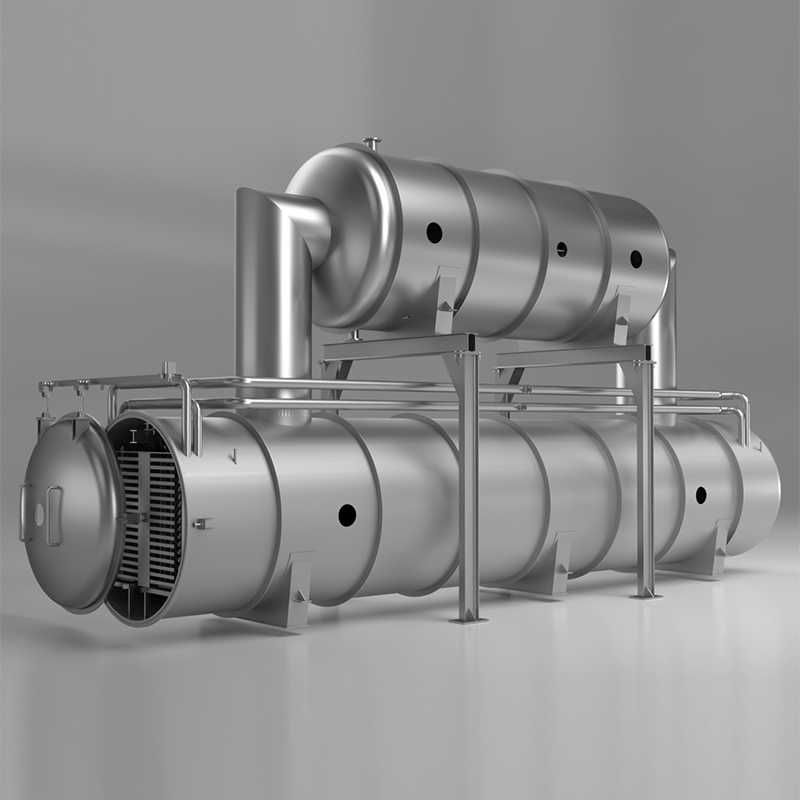
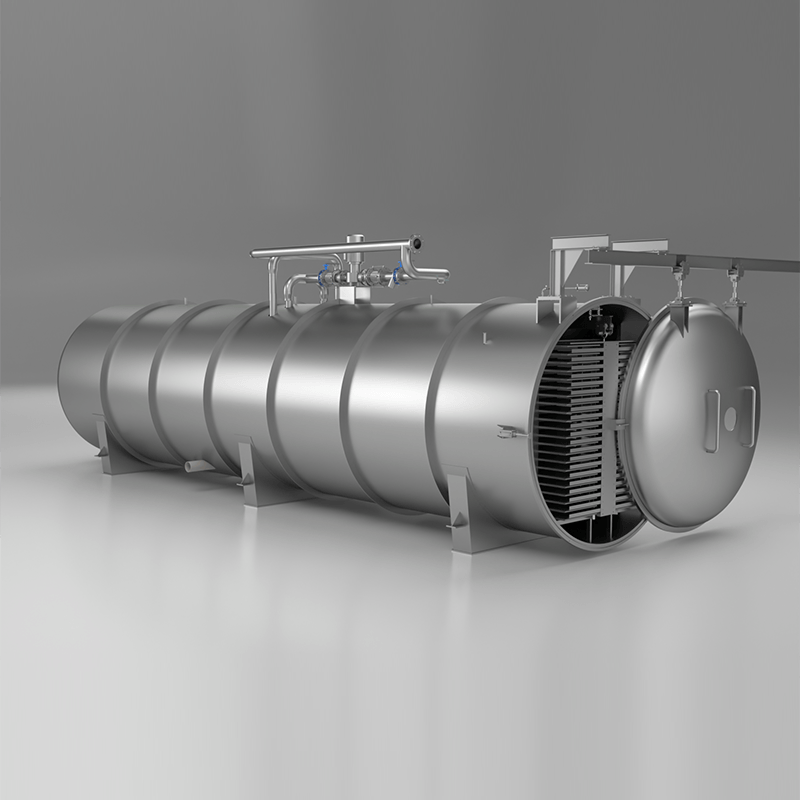
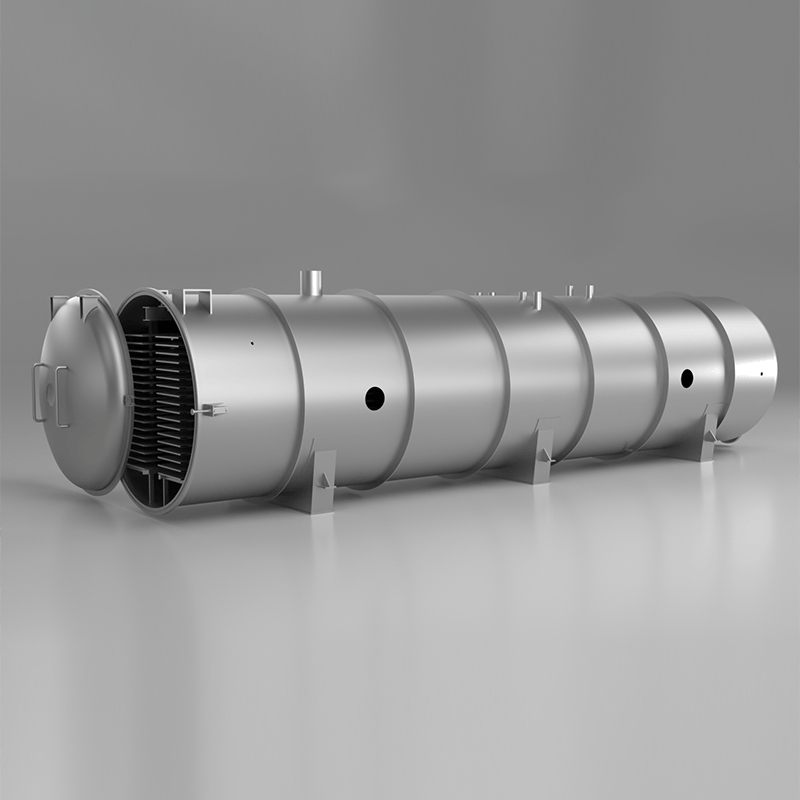
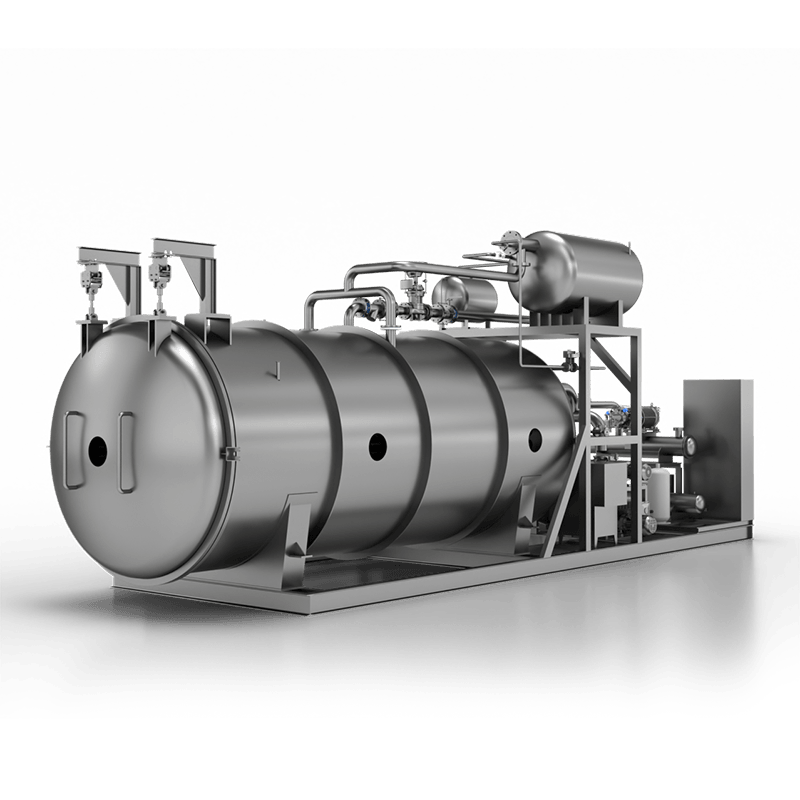
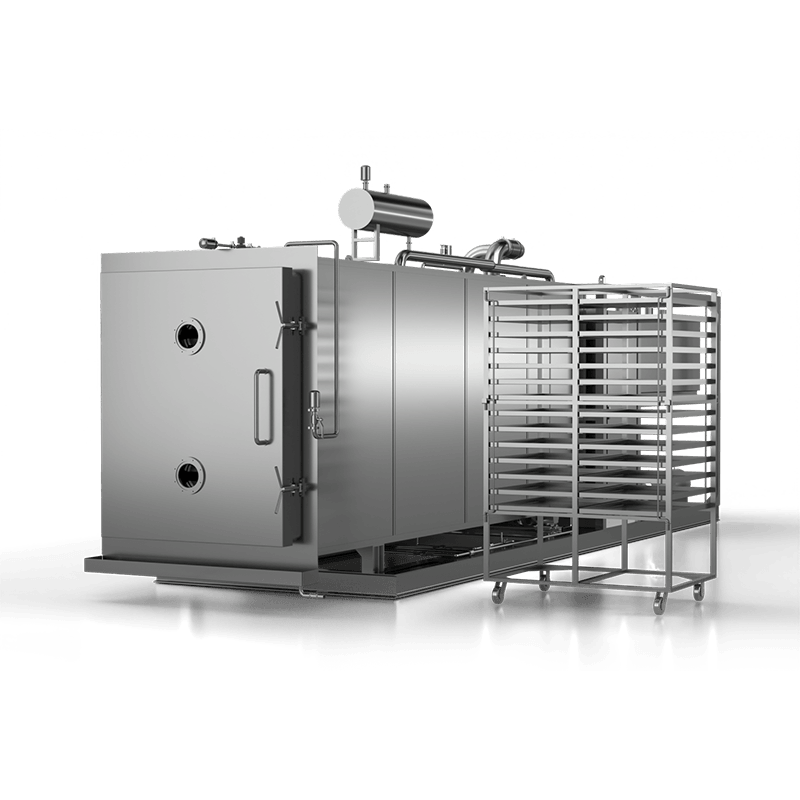
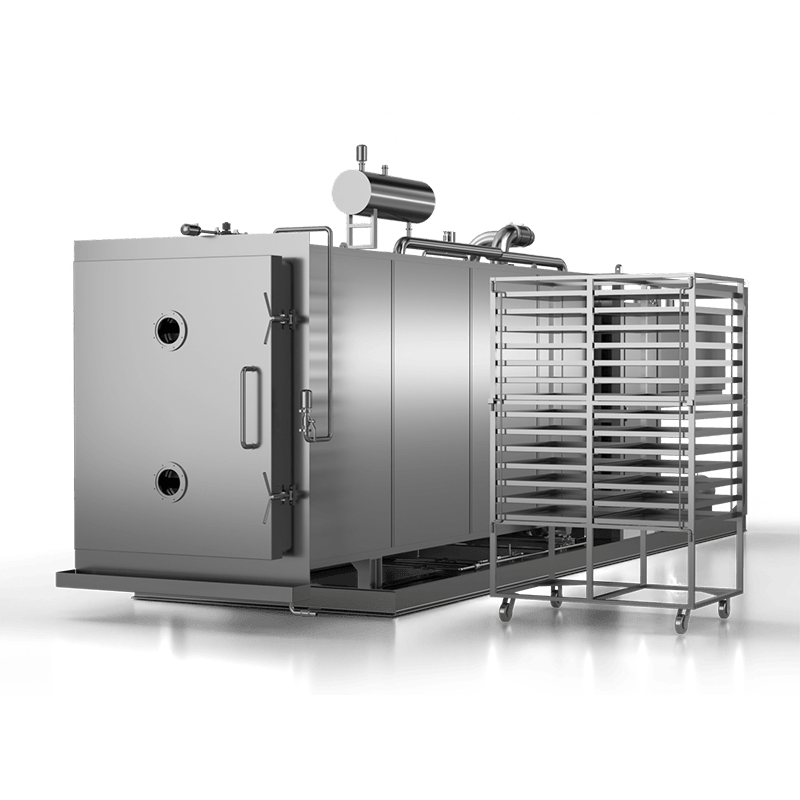
Freeze-drying equipment ensures that tea beverages retain their natural flavor, aroma, and nutrients by removing moisture under low temperature and vacuum conditions. This technology allows manufacturers to produce instant tea powders, concentrates, and ready-to-drink formulations without compromising quality.
The primary advantage of freeze-drying over conventional drying methods is minimal thermal damage, preserving volatile compounds responsible for the unique tea profile. As a result, tea beverages processed with freeze-drying maintain superior sensory attributes and longer shelf life.
Modern freeze-drying systems are designed for efficiency, precision, and scalability. Key features include:
Such features allow tea producers to optimize production efficiency while preserving product quality, even in high-volume operations.
The freeze-drying process for tea beverages involves three key stages:
Tea leaves, concentrates, or liquids are first frozen rapidly to preserve the cellular structure and prevent enzymatic degradation. Rapid freezing forms small ice crystals that minimize damage to the delicate tea compounds.
Under vacuum conditions, frozen water sublimates directly into vapor without passing through a liquid phase. Maintaining optimal pressure and temperature is crucial for efficient moisture removal while preserving tea flavor.
Residual moisture is removed during secondary drying to achieve low water activity levels (<2%). This step ensures long-term stability and prevents microbial growth in the final product.
Freeze-drying equipment is versatile and suitable for various tea beverage applications, including:
Companies that implement freeze-drying technology report up to 25% higher retention of flavor compounds compared to traditional hot-air drying methods, significantly enhancing product appeal.
When selecting freeze-drying equipment, technical specifications such as capacity, vacuum level, and freezing rate are critical. A comparative table illustrates key differences between common equipment types:
| Equipment Model | Tray Capacity (kg/batch) | Vacuum Level (mbar) | Freezing Rate (°C/hr) | Energy Consumption (kWh/batch) |
|---|---|---|---|---|
| FD-200 | 50 | 0.5 | -40 | 25 |
| FD-500 | 120 | 0.3 | -50 | 45 |
| FD-1000 | 250 | 0.2 | -60 | 80 |
Freeze-drying not only preserves flavor but also enhances safety by reducing water activity, which limits microbial growth. Key quality control measures include:


Sieno's whole series of freeze-drying equipment, covering the experimental research to the industrial scale, is energy efficient, stable, and reliable, with flexible customization as the core, to production, optimization of process, and multiple fields with green manufacturing solutions.
Sieno, based on the research of intelligent freeze-dried food, provides with custom process for the whole chain of freeze-dried technology support (including pretreatment, freeze-dried, and packaging), helping enterprises realize multiple improvements in efficiency, quality, and environmental protection.
Equiment & Soiution
Food Industry Pharmaceuticals Industry Agricultural Industry Pet Industry Beauty Care Industry Chemical Engineering & Laboratory Environmental Protection & Circular EconomyContact Info.
 +86 18068757376
  bolaike@jsblk.com
  Zhenglu Town, Tianning District, Changzhou City, Jiangsu Province, China
Follow Us
Copyright ©
Sieno Freeze-drying Technology Research Institute (Jiangsu) Co., Ltd
All Rights
Reserved
Custom One-Stop Freeze Drying Equipment Suppliers