English
  русский
  中文简体
中文简体 
Request a Quote

Industry News
 Home / Recent News / Industry News / What are the common challenges faced during the spice freeze-drying equipment?
  2025.12.25
 Industry News
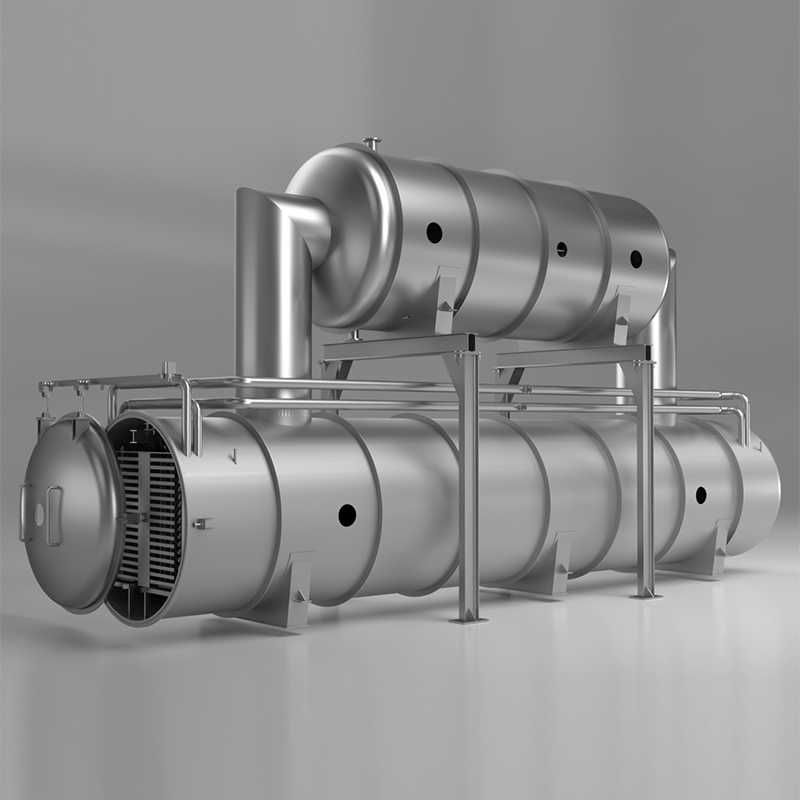
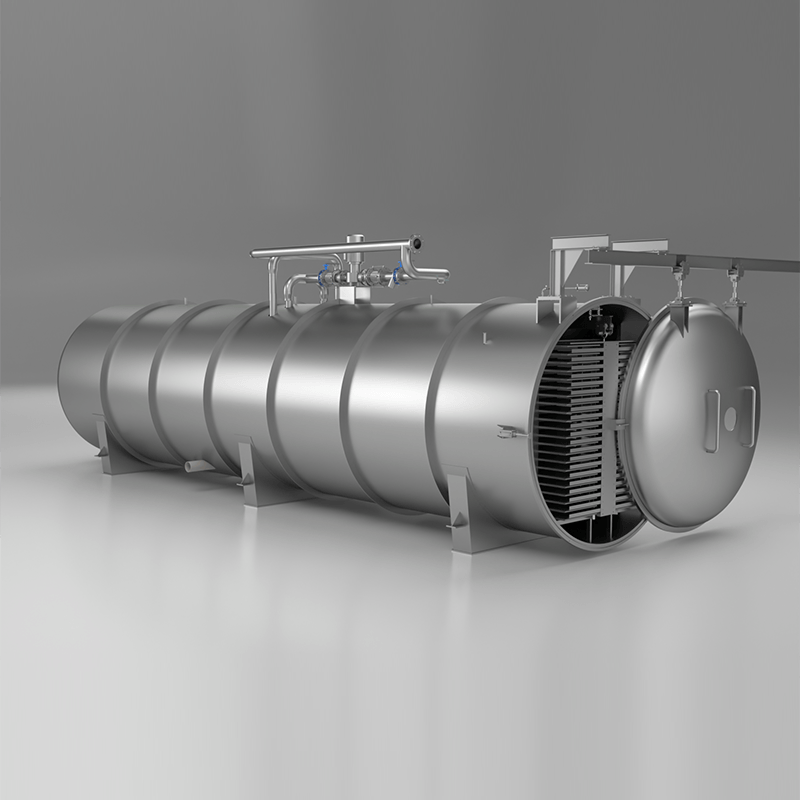
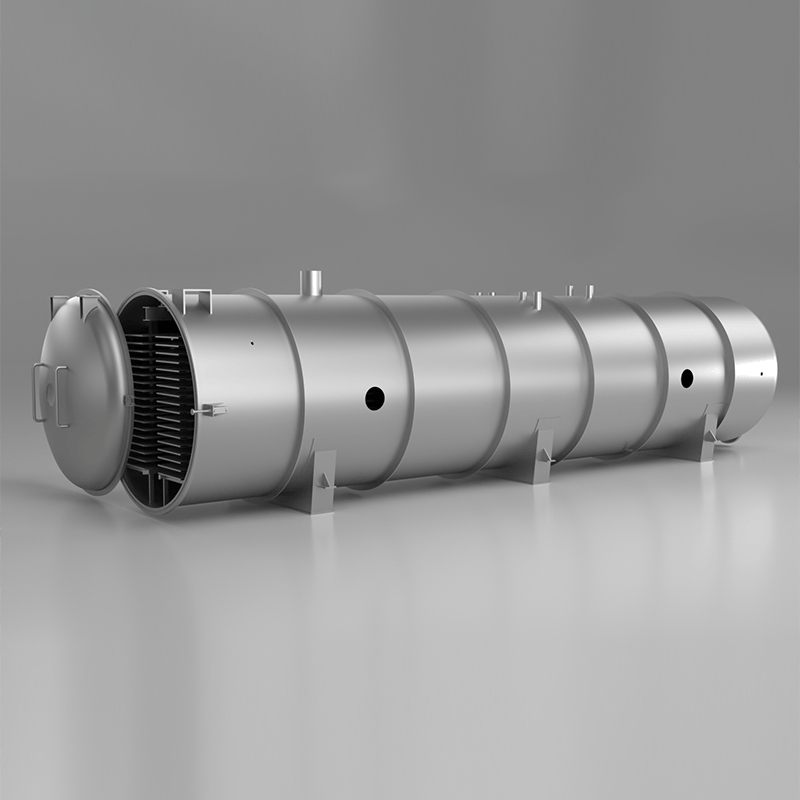
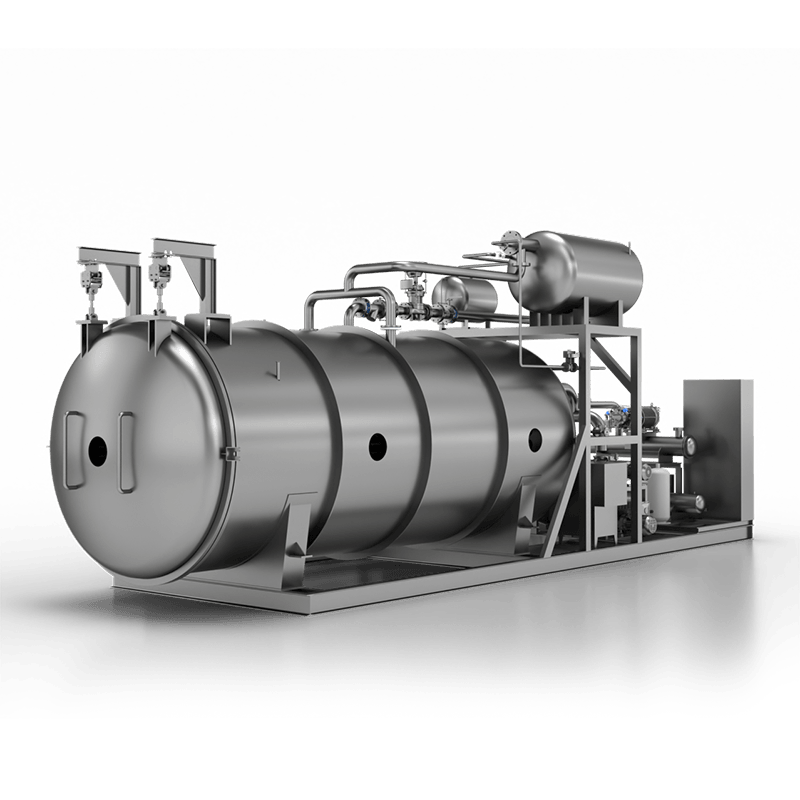
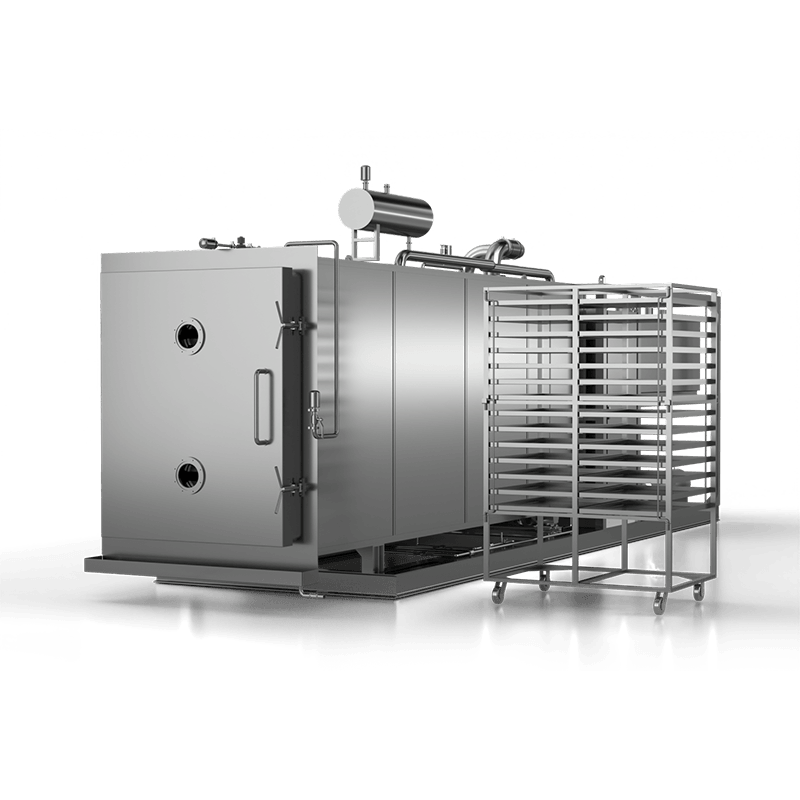
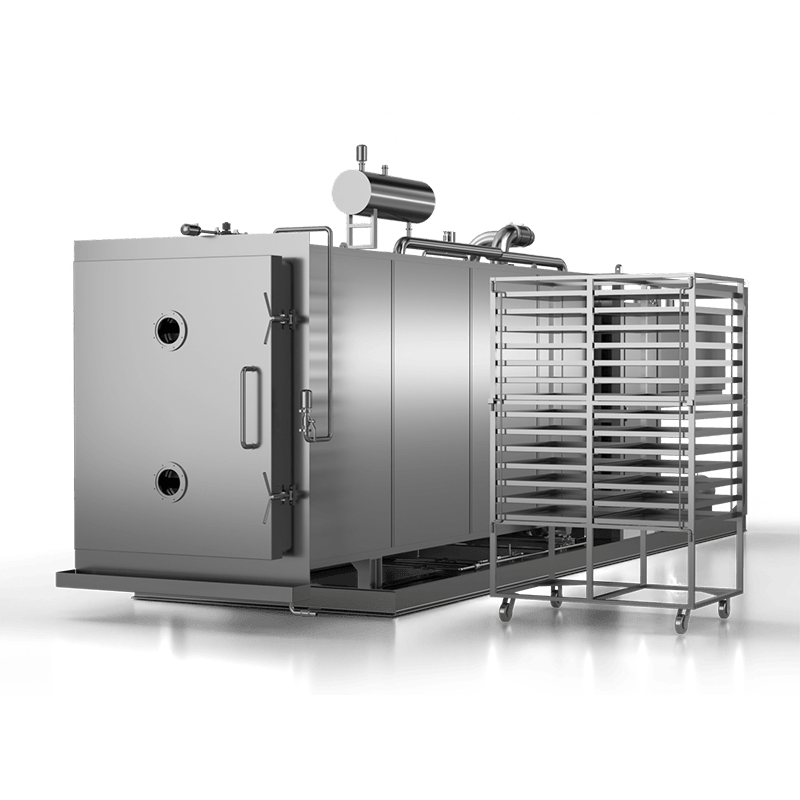
Spice freeze-drying equipment is widely used in the food processing industry to preserve the flavor, texture, and nutritional content of spices. This process helps retain the original characteristics of the spices while ensuring a longer shelf life. However, several challenges may arise during the operation of freeze-drying equipment. These challenges can impact the quality of the final product, the efficiency of the equipment, and the overall production process. It is essential for manufacturers to understand these issues in order to develop solutions that ensure smooth operation and high-quality output.
One of the most common challenges faced by spice freeze-drying equipment is maintenance and downtime. Regular maintenance is crucial to keep the equipment functioning at optimal levels. However, during intensive use, components such as compressors, vacuum pumps, and heating elements can wear out or become damaged, leading to unplanned downtime. Extended downtime not only affects production schedules but can also lead to quality issues, especially if the drying process is interrupted. Therefore, it is important for operators to implement preventive maintenance routines and use high-quality replacement parts to minimize downtime.
Freeze-drying involves the removal of moisture from spices by freezing them and then using a vacuum to sublimate the ice. Precise control of temperature and pressure is essential to ensure that the process occurs efficiently without compromising the flavor or texture of the spices. If the temperature is too high or too low, or if the pressure is not maintained properly, it can lead to uneven drying, which can result in poor product quality. Spice freeze-drying equipment must be equipped with advanced sensors and controls to maintain the ideal conditions throughout the process. Failure to maintain consistent temperature and pressure can lead to product degradation and loss of vital nutrients.
Scaling and fouling of the equipment surfaces are another challenge that can negatively impact the performance of freeze-drying equipment. During the freeze-drying process, moisture from the spices is sublimated and can condense on cold surfaces. Over time, this condensed moisture can lead to the buildup of ice or other materials on critical components such as condenser coils, vacuum pumps, and drying chambers. If not addressed, this buildup can reduce the efficiency of the system, lead to uneven drying, and even cause damage to the equipment. Regular cleaning and the use of appropriate anti-fouling agents are necessary to prevent scaling and fouling, ensuring smooth operation and efficient drying.
Energy consumption is another challenge faced by spice freeze-drying equipment. Freeze-drying is an energy-intensive process that requires significant amounts of power to operate the cooling, vacuum, and heating systems. If the equipment is not operating at peak efficiency, it can result in higher energy costs. Moreover, inefficient equipment can lead to longer processing times, reducing overall production capacity. To optimize energy use, manufacturers must ensure that their freeze-drying systems are designed for energy efficiency, utilizing energy-saving technologies such as heat recovery systems or variable-speed motors. Monitoring and optimizing energy consumption is crucial for improving both operational costs and environmental sustainability.
Achieving consistent product quality is a significant challenge in spice freeze-drying. Variations in spice types, moisture content, and the freeze-drying process itself can lead to inconsistencies in the final product. For instance, some spices may dry more quickly than others, resulting in uneven moisture removal and flavor loss. Ensuring consistency in the drying process is crucial to maintaining the flavor, color, and texture of the spices. Quality control measures, such as monitoring moisture content throughout the process, using standard operating procedures, and conducting regular product tests, are necessary to ensure that the freeze-dried spices meet the required standards.
Another challenge that spice freeze-drying equipment faces is the handling of various spice varieties, each with its unique characteristics. Different spices have varying moisture contents, chemical compositions, and structures that can affect the freeze-drying process. For example, some spices may be more sensitive to heat or pressure changes, while others may require longer drying times to achieve the desired moisture level. To overcome this challenge, manufacturers must adapt their freeze-drying processes to suit each spice's specific requirements, often by adjusting temperature, pressure, or processing time. The ability to handle a wide range of spices efficiently is a critical factor in the success of spice freeze-drying operations.
The initial investment in spice freeze-drying equipment can be substantial, and this represents a significant challenge for many manufacturers. In addition to the high upfront cost, ongoing operational expenses such as energy, maintenance, and labor can add to the overall cost of freeze-drying. These costs can be particularly challenging for small and medium-sized enterprises (SMEs) that may have limited resources. To mitigate these challenges, manufacturers can consider upgrading to more energy-efficient equipment or exploring leasing options to reduce capital expenditures. Additionally, optimizing production schedules and reducing downtime can help minimize operational costs and improve the return on investment.
One of the main advantages of freeze-drying is the ability to preserve the shelf life of spices by removing most of the moisture. However, achieving the right level of moisture removal is a delicate balance. Too little moisture removal can lead to the growth of bacteria or mold during storage, while too much moisture removal can cause the spices to become brittle or lose flavor. Proper moisture retention is essential for ensuring the spices maintain their quality throughout their shelf life. Spice freeze-drying equipment must be carefully calibrated to remove the optimal amount of moisture while maintaining the integrity of the spice's flavor and texture.
After the freeze-drying process, packaging and storage become critical factors in maintaining the quality of the final product. Freeze-dried spices are highly sensitive to moisture, light, and oxygen, which can cause degradation over time. Proper packaging is essential to protect the product from these environmental factors. Manufacturers must use vacuum-sealed, moisture-proof, and airtight packaging materials to ensure the spices remain fresh and maintain their flavor. Additionally, storage conditions such as temperature and humidity must be carefully controlled to prevent any potential contamination or loss of quality.
Spice freeze-drying equipment must also comply with various regulatory requirements and safety standards. These regulations are in place to ensure that the equipment operates safely and that the final product meets food safety standards. Compliance with health and safety regulations can be complex, as different countries have different rules regarding food processing, machinery, and packaging. Manufacturers must stay informed about these regulations and ensure that their equipment meets the necessary standards. Non-compliance can result in penalties, product recalls, or damage to the company's reputation.


Sieno's whole series of freeze-drying equipment, covering the experimental research to the industrial scale, is energy efficient, stable, and reliable, with flexible customization as the core, to production, optimization of process, and multiple fields with green manufacturing solutions.
Sieno, based on the research of intelligent freeze-dried food, provides with custom process for the whole chain of freeze-dried technology support (including pretreatment, freeze-dried, and packaging), helping enterprises realize multiple improvements in efficiency, quality, and environmental protection.
Equiment & Soiution
Food Industry Pharmaceuticals Industry Agricultural Industry Pet Industry Beauty Care Industry Chemical Engineering & Laboratory Environmental Protection & Circular EconomyContact Info.
 +86 18068757376
  bolaike@jsblk.com
  Zhenglu Town, Tianning District, Changzhou City, Jiangsu Province, China
Follow Us
Copyright ©
Sieno Freeze-drying Technology Research Institute (Jiangsu) Co., Ltd
All Rights
Reserved
Custom One-Stop Freeze Drying Equipment Suppliers