English
  русский
  中文简体
中文简体 
Request a Quote

Industry News
 Home / Recent News / Industry News / Will temperature fluctuations in freeze-drying flower equipment affect the texture and transparency of the flower petals?
  2026.02.19
 Industry News
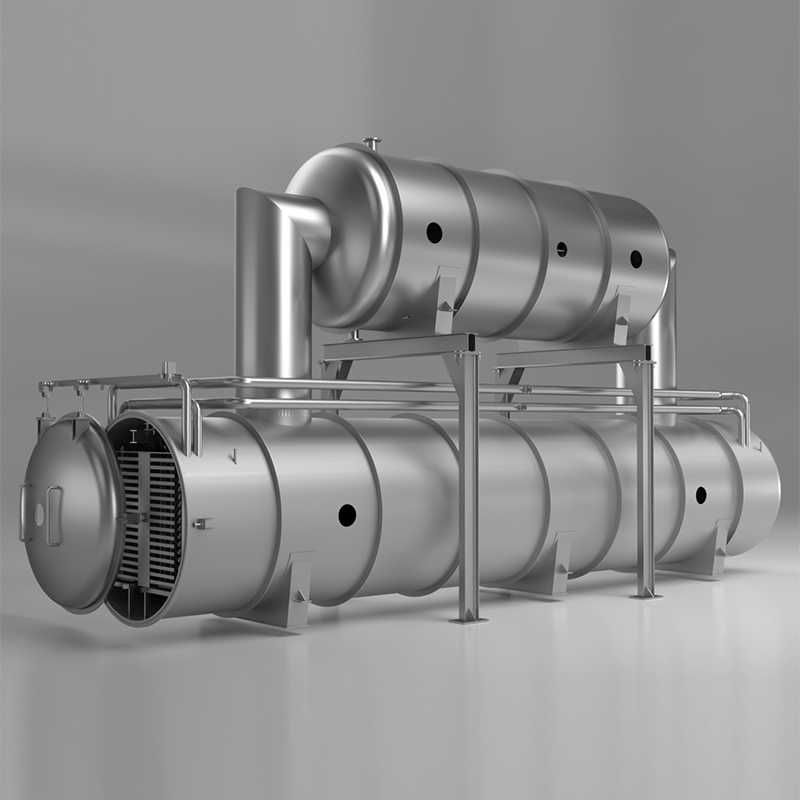
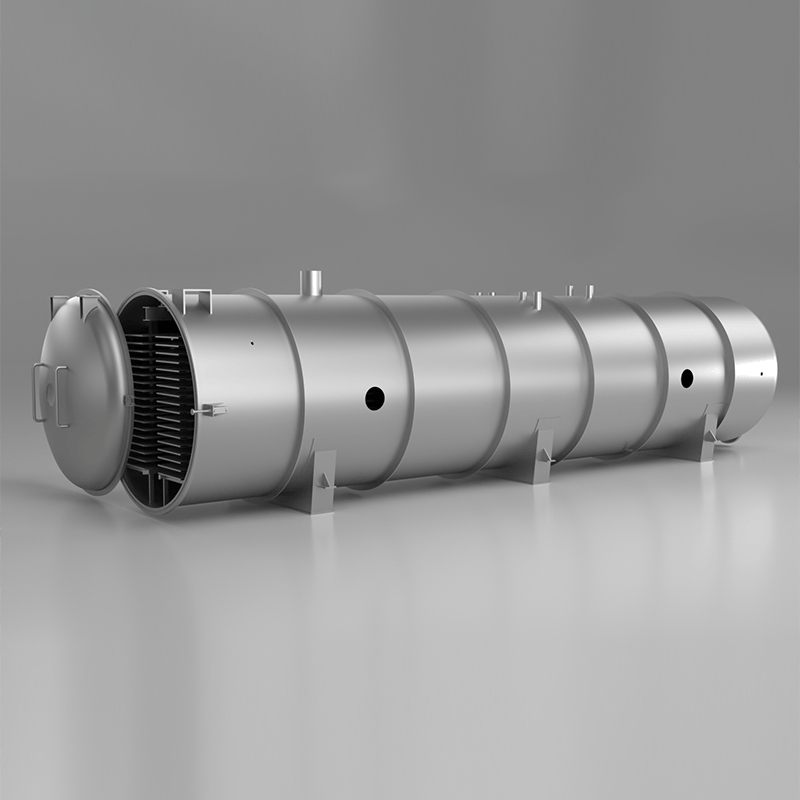
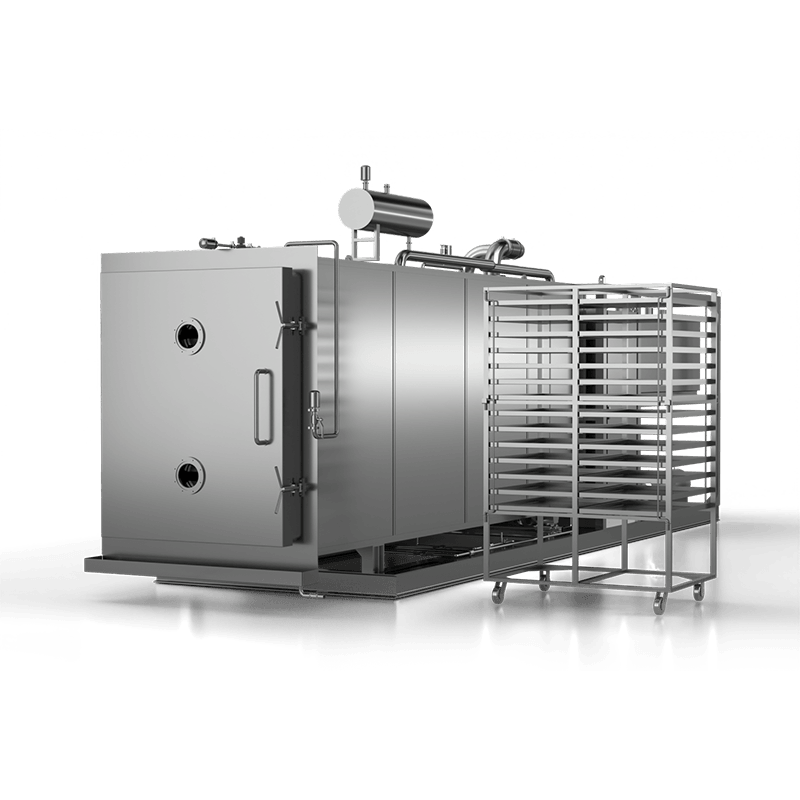
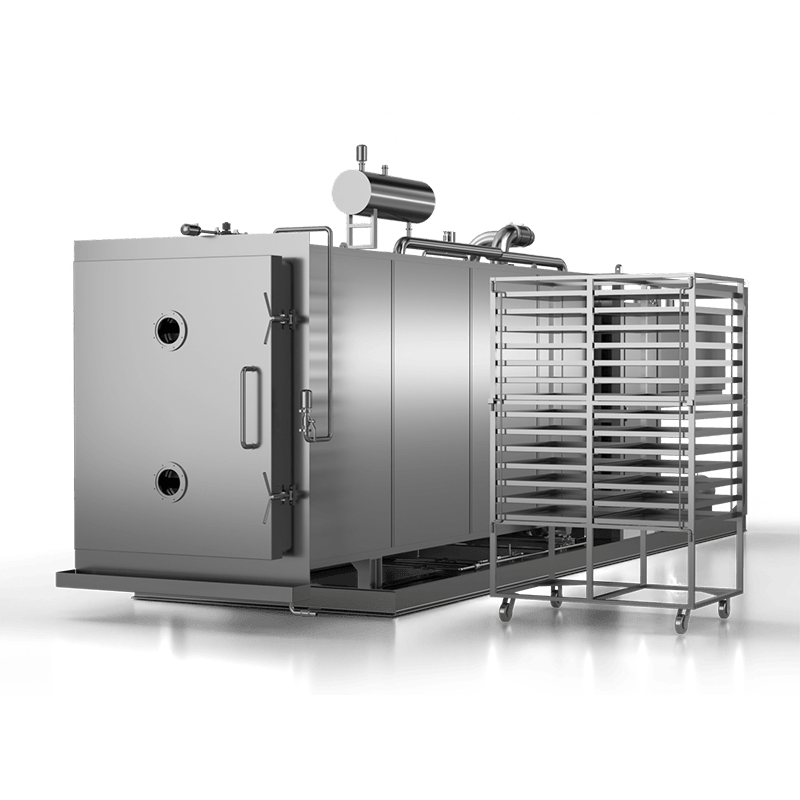
Freeze-drying flower equipment is designed to remove moisture from fresh flowers through sublimation, allowing ice within the plant tissue to transition directly into vapor under reduced pressure. This process helps preserve the original shape, color distribution, and fine structural details of petals. Temperature control plays a central role throughout the operation, from initial freezing to primary and secondary drying stages. Within this system, temperature is not a static parameter but a dynamic condition that must respond to changes in moisture content, chamber pressure, and material characteristics. Any fluctuation in temperature can influence how ice crystals form and disappear inside petal tissues, which in turn affects texture and transparency.
Flower petals are composed of thin cell walls, intercellular spaces, pigments, and surface layers such as the cuticle. These components react differently to temperature changes. When the freezing phase begins, the rate at which temperature drops determines the size and distribution of ice crystals. Slow cooling tends to create larger crystals, which may disrupt cell walls, while rapid cooling produces smaller crystals that better maintain the internal structure. During drying, if temperature rises unevenly, localized melting or partial collapse can occur. This sensitivity means that petals respond more quickly to temperature instability than thicker plant parts such as stems or leaves.
Temperature fluctuations in freeze-drying flower equipment can arise from several sources. Heating shelves may not distribute heat evenly across the chamber, especially when loading density varies. Control system delays can cause overshooting or undershooting of target temperatures. External factors such as room temperature changes or power instability can also influence chamber conditions. Additionally, as moisture content decreases, the thermal conductivity of petals changes, which can result in uneven temperature responses even when the equipment settings remain constant.
The freezing stage establishes the physical foundation for the final texture of dried petals. If temperature fluctuates during this phase, ice crystal formation becomes inconsistent. Areas exposed to slightly higher temperatures may experience slower freezing, forming larger crystals that can stretch or rupture cell walls. After sublimation, these damaged areas may feel brittle or uneven to the touch. In contrast, regions that freeze more quickly tend to retain a finer internal network, resulting in a smoother and more uniform texture. Thus, unstable temperature profiles can lead to noticeable variations within a single petal.
Primary drying involves supplying controlled heat to drive sublimation while maintaining low pressure. Temperature fluctuations at this stage can disturb the balance between heat input and vapor removal. If the temperature temporarily rises above the safe threshold for petals, partial melting may occur, followed by refreezing. This cycle can weaken structural cohesion, leading to micro-collapses in the petal matrix. Such changes may not always be visible immediately but can manifest as slight warping, surface roughness, or reduced flexibility in the finished flower.
Secondary drying aims to remove bound water that remains after sublimation. Although temperature levels are generally higher at this stage, they must still remain stable. Fluctuations can cause uneven desorption of moisture, leaving some areas drier than others. Over-dried sections may become overly stiff, while under-dried areas can retain softness or slight tackiness. This inconsistency directly affects the tactile quality of petals, especially when flowers are handled or arranged for decorative purposes.
Petal transparency in freeze-dried flowers is influenced by how light passes through the remaining cellular framework. When cell walls remain intact and evenly spaced, light scattering is reduced, allowing petals to appear clearer or more luminous. Temperature fluctuations that damage cell structure increase irregularities, causing light to scatter unpredictably. This results in a cloudy or uneven appearance. Transparency is therefore not only a visual attribute but also an indicator of how gently the internal structure has been preserved.
Pigments within petals, such as anthocyanins and carotenoids, are housed in specific cellular compartments. Temperature fluctuations can indirectly affect pigment appearance by altering cell integrity and moisture migration. When cells collapse or deform unevenly, pigments may concentrate in certain areas, creating blotchy or streaked visual effects. While the chemical composition of pigments may remain unchanged, their spatial distribution can shift, influencing how transparent or dense the petal appears after drying.
The contrast between stable and fluctuating temperature control can be illustrated by comparing typical outcomes observed in freeze-dried petals under different conditions.
| Temperature Control Pattern | Observed Petal Texture | Observed Transparency |
| Consistent gradual freezing and drying | Smooth surface with even firmness | Uniform light transmission across petal |
| Minor short-term fluctuations | Slight variation in flexibility | Small areas of uneven clarity |
| Frequent or large fluctuations | Brittle zones mixed with softer areas | Cloudy appearance and irregular light scattering |
Not all flowers respond to temperature fluctuations in the same way. Thin-petaled flowers such as roses or tulips tend to be more sensitive, as their cellular layers are fewer and more exposed. Thicker petals, such as those found in orchids or chrysanthemums, may tolerate minor temperature variation with less visible impact. However, even within a single species, factors like maturity, moisture content at harvest, and petal thickness can influence how temperature instability translates into texture and transparency changes.
The way flowers are arranged within freeze-drying equipment affects airflow, heat transfer, and vapor removal. Dense stacking can restrict sublimation pathways, causing localized temperature differences. When temperature control systems respond to average chamber conditions, these micro-environment variations can persist. Petals located at the edges or near heat sources may experience different thermal histories than those in the center. Such discrepancies contribute to inconsistent texture and transparency across batches.
Modern freeze-drying flower equipment often incorporates multiple temperature sensors, shelf heating controls, and feedback algorithms. These systems aim to minimize fluctuations by adjusting heat input in response to real-time data. However, sensor placement and response speed are critical. If sensors do not accurately reflect the temperature experienced by petals, control adjustments may lag behind actual conditions. Improving sensor distribution and calibration helps reduce unintended fluctuations that affect petal quality.
Producers sometimes increase temperature ranges to shorten drying cycles and improve throughput. While this approach can improve efficiency, it narrows the margin for error. Under such conditions, even small fluctuations can have a larger impact on petal texture and transparency. A balance must be maintained between operational efficiency and the physical limits of delicate floral tissues. Understanding how temperature variability interacts with drying speed allows for more informed parameter selection.
The effects of temperature fluctuations do not end when the drying process is complete. Petals that have experienced uneven structural changes may be more susceptible to environmental humidity during storage. Micro-cracks or collapsed regions can absorb moisture more readily, leading to gradual changes in texture or transparency over time. Stable temperature control during drying contributes to longer-lasting visual and tactile consistency in stored or displayed flowers.
For operators of freeze-drying flower equipment, recognizing the link between temperature fluctuations and petal quality is essential. Regular maintenance of heating elements, calibration of sensors, and careful loading practices help maintain stable thermal conditions. By reducing unnecessary temperature variation, operators can achieve more predictable outcomes in texture and transparency without relying on excessive processing adjustments.
Finished freeze-dried flowers provide valuable feedback on process stability. Variations in petal stiffness, translucency, or surface smoothness often point back to temperature behavior during drying. Systematically correlating these observations with recorded temperature data allows operators to identify patterns and make incremental improvements. Over time, this feedback loop supports more consistent preservation of delicate petal characteristics.


Sieno's whole series of freeze-drying equipment, covering the experimental research to the industrial scale, is energy efficient, stable, and reliable, with flexible customization as the core, to production, optimization of process, and multiple fields with green manufacturing solutions.
Sieno, based on the research of intelligent freeze-dried food, provides with custom process for the whole chain of freeze-dried technology support (including pretreatment, freeze-dried, and packaging), helping enterprises realize multiple improvements in efficiency, quality, and environmental protection.
Equiment & Soiution
Food Industry Pharmaceuticals Industry Agricultural Industry Pet Industry Beauty Care Industry Chemical Engineering & Laboratory Environmental Protection & Circular EconomyContact Info.
 +86 18068757376
  bolaike@jsblk.com
  Zhenglu Town, Tianning District, Changzhou City, Jiangsu Province, China
Follow Us
Copyright ©
Sieno Freeze-drying Technology Research Institute (Jiangsu) Co., Ltd
All Rights
Reserved
Custom One-Stop Freeze Drying Equipment Suppliers