
 English
  русский
  中文简体
中文简体 

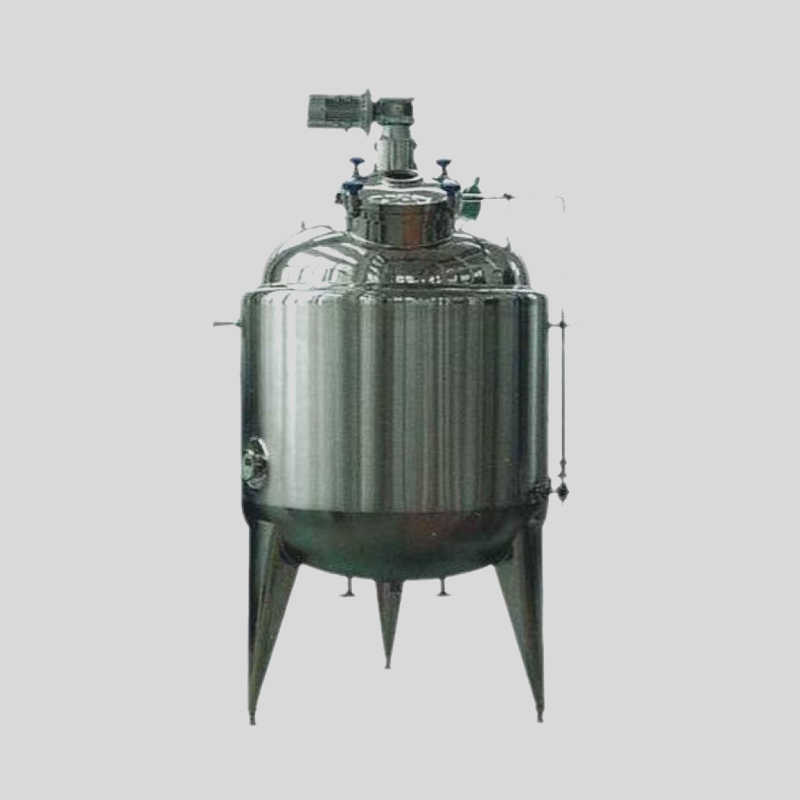
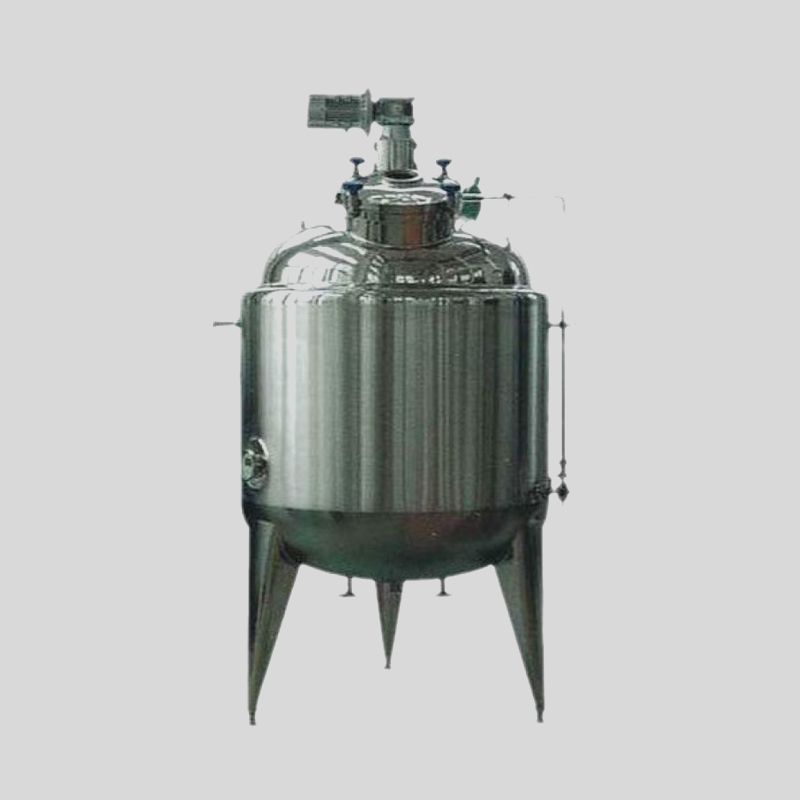
-
Product Overview:
An enzymatic hydrolysis system equipped with precise automatic controls for temperature (±0.5°C) and pH, designed specifically for the controlled enzymatic hydrolysis of by-products such as fish paste and fish processing water. It upgrades low-value fish and shrimp—or processing trimmings—into high-value small-molecule protein peptides and flavor precursors, making it widely applicable in the production of bioactive materials such as aquatic feed-attracting peptides and fish sauce powder.
Key Advantages and Selling Points:
Precise Temperature and pH Control: Achieves temperature control accuracy of ±0.5°C and stable, automated pH regulation; creates an optimal environment for enzymatic hydrolysis to maximize enzyme activity and ensure excellent batch-to-batch consistency.
Efficient Low-Temperature Enzymatic Hydrolysis: Hydrolysis proceeds under mild conditions, maximizing the retention of small-molecule peptide activity and natural flavor compounds while preventing nutrient loss and flavor degradation caused by high temperatures.
Significantly Enhanced Degree of Hydrolysis: Targeted enzymatic processes increase the degree of protein hydrolysis by 20%–30%, generating abundant functional small peptides and free amino acids, thereby markedly improving palatability and digestibility.
Broad Substrate Compatibility: Capable of processing various wet by-products—such as fish paste, fish processing wastewater, shrimp heads, and shellfish processing waste—and flexibly adapting to low-value raw materials from diverse sources, effectively turning waste into value.
High Level of Automation: Features integrated automatic control for multiple parameters (temperature, pH, agitation, and processing time); enables one-touch operation with minimal manual intervention, ensuring stable and reliable performance.
Primary Applications:
High-value utilization of low-value fish/shrimp and processing by-products
Enzymatic production of aquatic-derived feeding-attractant small peptides and fish sauce flavor compounds
Pre-processing and production of bioactive materials such as protein peptides and yeast extracts for animal feed
Basic Specifications (Typical Values):
Temperature control accuracy: ±0.5°C
pH control range: 2.0–11.0 (adjustable)
pH control accuracy: ±0.1
Working volume: 500–10,000 L (customizable)
Agitation speed: 20–120 rpm (variable frequency adjustable)
Material: 304/316L stainless steel (food-grade)
Specific problems addressed:
Low utilization of low-value raw materials → Enzymatic hydrolysis converts them into high-value small-molecule peptides and flavor compounds.
Insufficient degree of hydrolysis affecting palatability → Increases the degree of hydrolysis by 20%–30%, releasing more flavor-enhancing peptides and amino acids.
Significant fluctuations in temperature and pH → Automated, precise control ensures stable hydrolysis conditions and consistent batch quality.
Susceptibility to flavor and nutrient loss → Mild processing conditions preserve natural flavors and bioactivity.
Complex manual operations → Fully automated control simplifies production management and reduces labor costs.
Benefits for users:
Turning waste into value: Converts fish and shrimp processing by-products into high-value feeding-attractant peptides and fish sauce powder, significantly boosting the added value of raw materials.
Product differentiation: Feed ingredients rich in functional small peptides offer unique feeding-attractant properties and growth-promoting effects, enhancing market competitiveness.
Stable and controllable quality: Precise control ensures consistent composition across batches of enzymatic hydrolysates, providing a reliable raw material source for formulations.
Green and sustainable development: Resource utilization of processing by-products reduces waste emissions, aligning with circular economy principles.
Significant cost advantages: Enzymatic hydrolysis exponentially increases the value of low-cost raw materials, improving the enterprise's overall economic performance.

Request a Quote



 +86 18068757376
  bolaike@jsblk.com
  Zhenglu Town, Tianning District, Changzhou City, Jiangsu Province, China