
 English
  русский
  中文简体
中文简体 

-
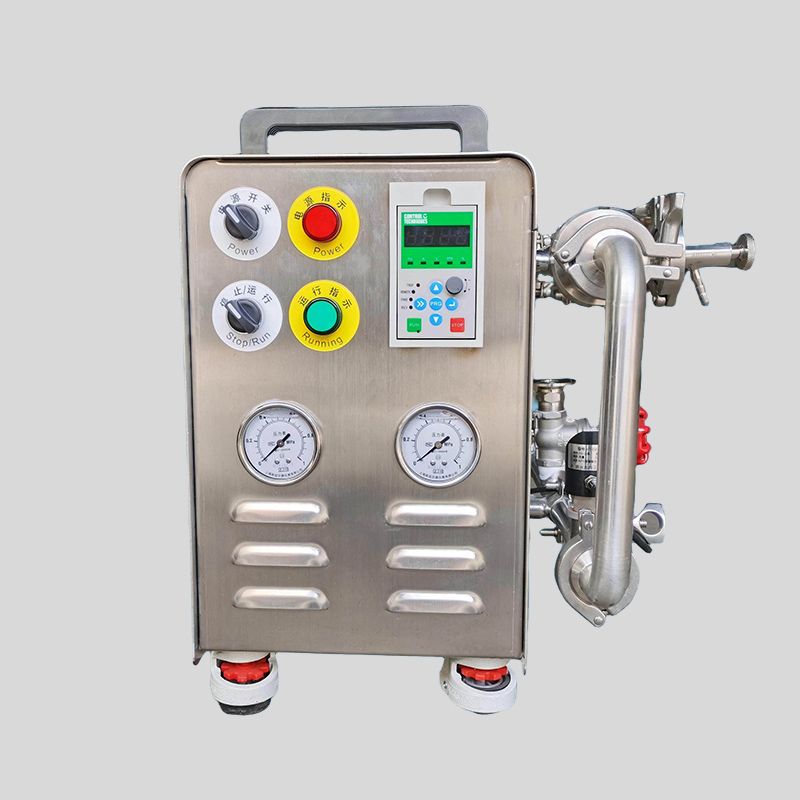
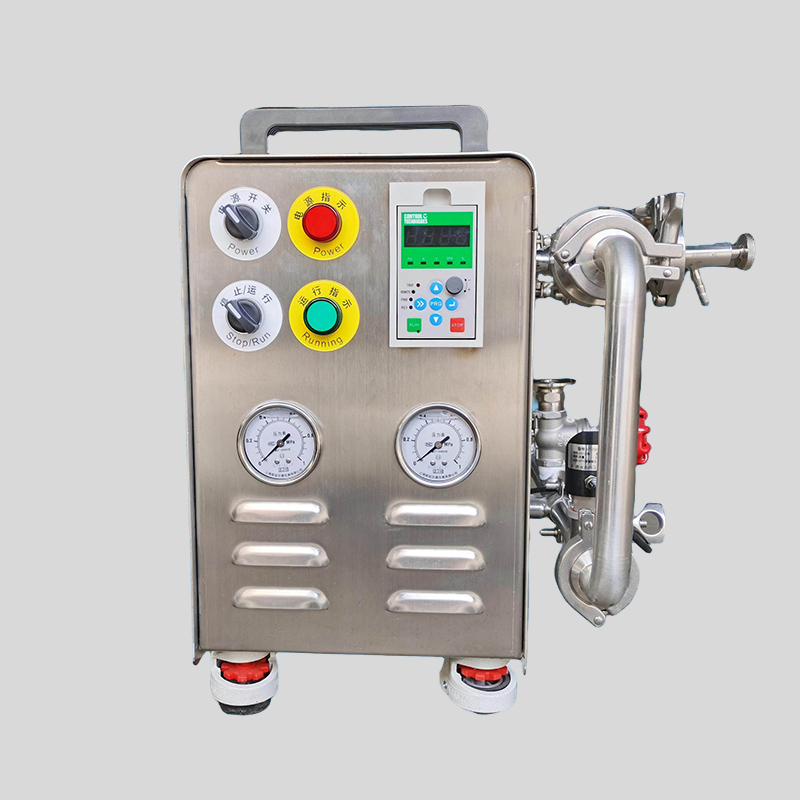
Product Overview:
A membrane separation system designed for the production of high-purity plant extracts. It employs a fractionation and purification process based on a molecular weight cut-off (MWCO) range of 1,000–3,000 Da to precisely remove low-molecular-weight impurities from natural plant extracts, while simultaneously achieving the fine separation and concentration of active ingredients.
Key Advantages and Selling Points:
Precision Separation: Uses a 1,000–3,000 Da cutoff to selectively remove small-molecule impurities (such as monosaccharides and inorganic salts) while retaining target active ingredients, ensuring high separation precision.
Gentle and Efficient: Operates at ambient temperature without phase changes; preserves heat-sensitive active ingredients with a retention rate exceeding 90%, outperforming traditional thermal concentration methods.
Energy-Saving: Driven solely by pressure without the need for steam heating; energy consumption is only 20%–30% of that required for evaporative concentration, significantly reducing operating costs.
Enhanced Purity: Effectively removes pigments, tannins, and certain heavy metals, resulting in significantly higher product purity that meets standards for export and high-end applications.
Stable and Reliable: Features fouling-resistant membrane modules and automated control; easy to clean and regenerate, offering a long membrane service life and excellent batch-to-batch reproducibility.
Primary Applications:
Removal of impurities and fractionation of natural plant extracts (e.g., ginkgo biloba, ginseng, green tea, grape seed, etc.)
Fine separation of active ingredients from traditional Chinese medicinal herbs
Concentration and purification of pigments, polysaccharides, and polyphenols
Replacement of traditional alcohol precipitation and thermal concentration processes
Basic Parameters (Typical Values):
Molecular Weight Cut-Off (MWCO): 1,000–3,000 Da
Operating Pressure: 0.5–2.0 MPa (adjustable)
Operating Temperature: 20–60°C
Membrane Area: 10–100 m² (customized based on production capacity)
Membrane Material: Polyethersulfone (PES) or ceramic
Recovery Rate: ≥90% (target component)
Specific problems addressed:
Residual small-molecule impurities → Precise retention and removal, enhancing purity and clarity
Degradation of heat-sensitive components → Ambient temperature processing, preserving bioactivity and product potency
High solvent consumption → Membrane-based separation replacing alcohol precipitation, reducing organic solvent usage and recovery costs
High energy consumption in traditional concentration → Pressure-driven process saves over 70% energy, lowering production costs
Insufficient separation precision → Gradient fractionation to obtain products across different molecular weight ranges, increasing added value
Benefits for users:
Quality enhancement: Significant improvements in extract purity, color, and solubility, making the product more appealing to downstream customers
Cost optimization: Reduced steam and solvent consumption, lowering overall operating costs by 30%–50%
Increased capacity: Continuous operation shortens production cycles and boosts daily processing throughput
Eco-friendliness: Reduced wastewater and exhaust emissions; complies with clean production standards and supports corporate sustainability
Flexible customization: Membrane pore sizes and process parameters can be adjusted based on the material; highly adaptable and versatile for multiple applications

Request a Quote



 +86 18068757376
  bolaike@jsblk.com
  Zhenglu Town, Tianning District, Changzhou City, Jiangsu Province, China