English
  русский
  中文简体
中文简体 
Request a Quote

Industry News
 Home / Recent News / Industry News / Engineering Efficiency: A Comparative Evaluation of Sourcing from a One-Stop Freeze Drying Equipment Supplier
  2026.06.25
 Industry News
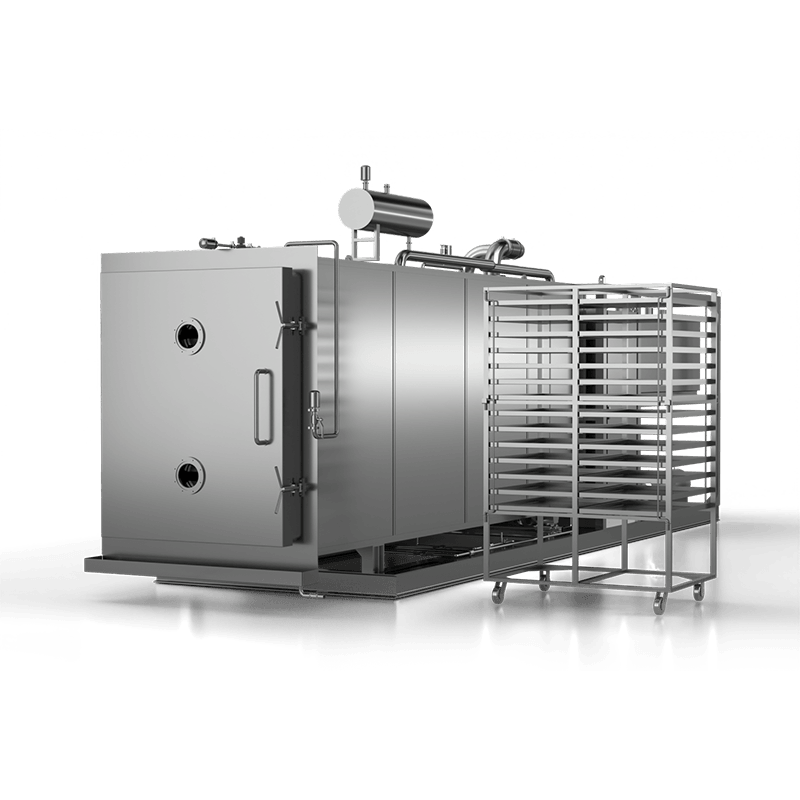
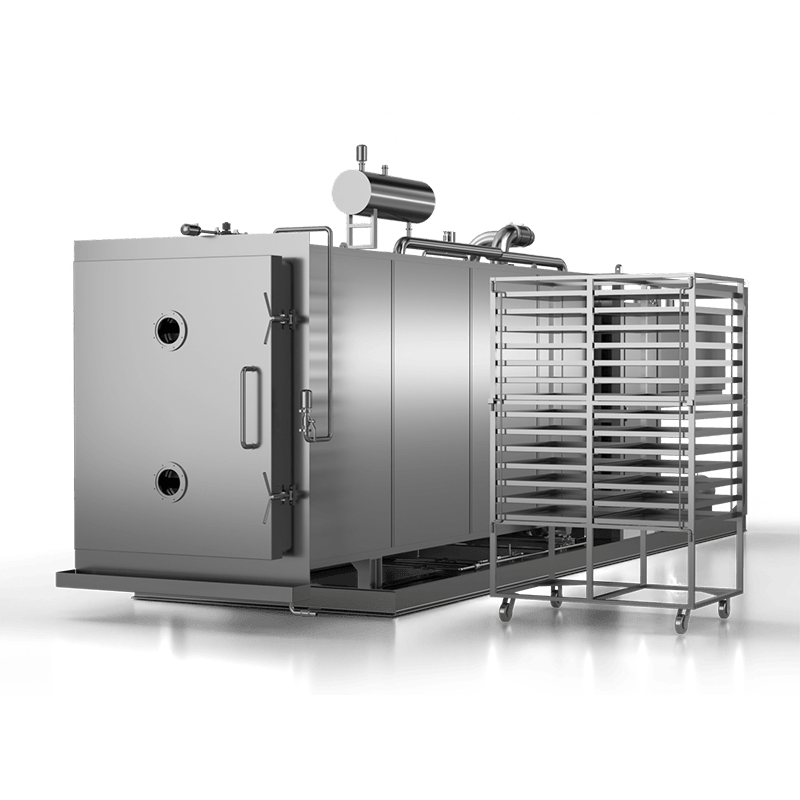
Sourcing from a comprehensive, one-stop freeze drying equipment supplier is the single most effective procurement strategy for eliminating system integration errors, reducing validation timelines, and accelerating operational deployment. Rather than managing fragmented contracts across independent vacuum, refrigeration, and chamber manufacturers, an end-to-end supplier delivers an optimized, pre-calibrated sublimation ecosystem. This unified manufacturing methodology ensures flawless interoperability between the heating shelf thermal dynamics and vapor condenser capture rates, cutting project execution delays by up to 30 percent and providing a centralized compliance path for stringent industrial and pharmaceutical standards.
Freeze drying, scientifically termed lyophilization, is a sophisticated thermal preservation method that removes moisture from heat-sensitive biological materials, pharmaceuticals, and premium food products without altering their physical matrix or chemical stability. The process operates on the principle of sublimation—the direct transition of water from a solid ice phase to a gaseous vapor phase, bypassing the liquid state entirely. This requires precise management of the triple point of water, executing operations inside a vacuum hermetically sealed chamber where pressures drop significantly below standard atmospheric baselines.
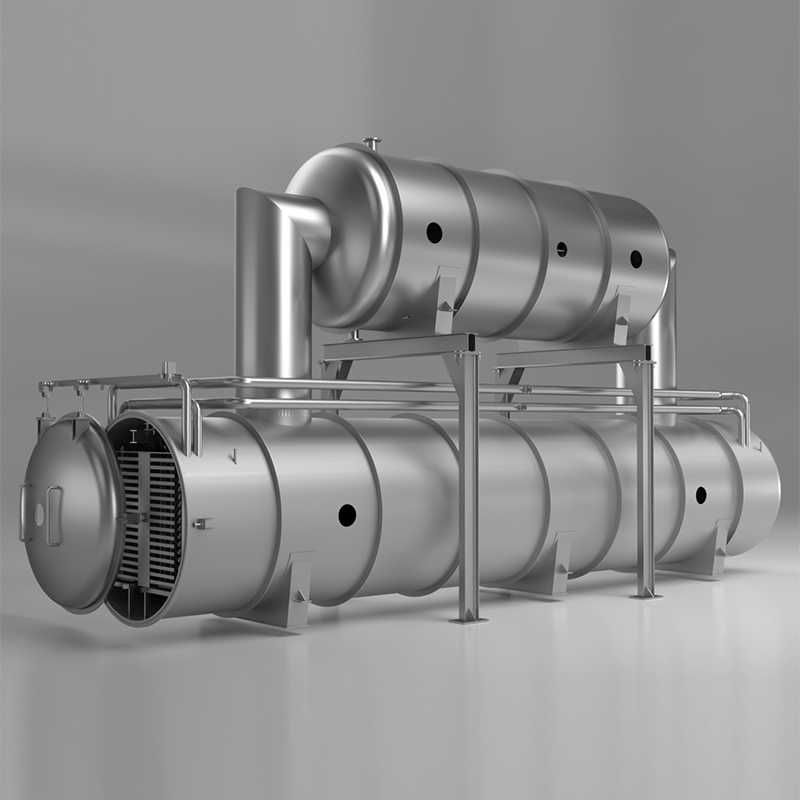
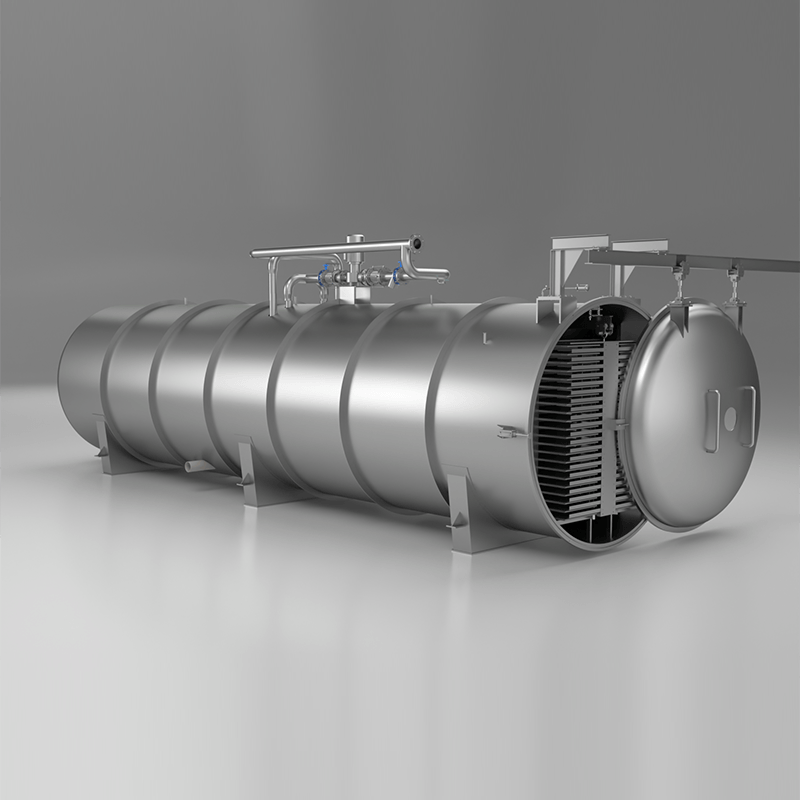
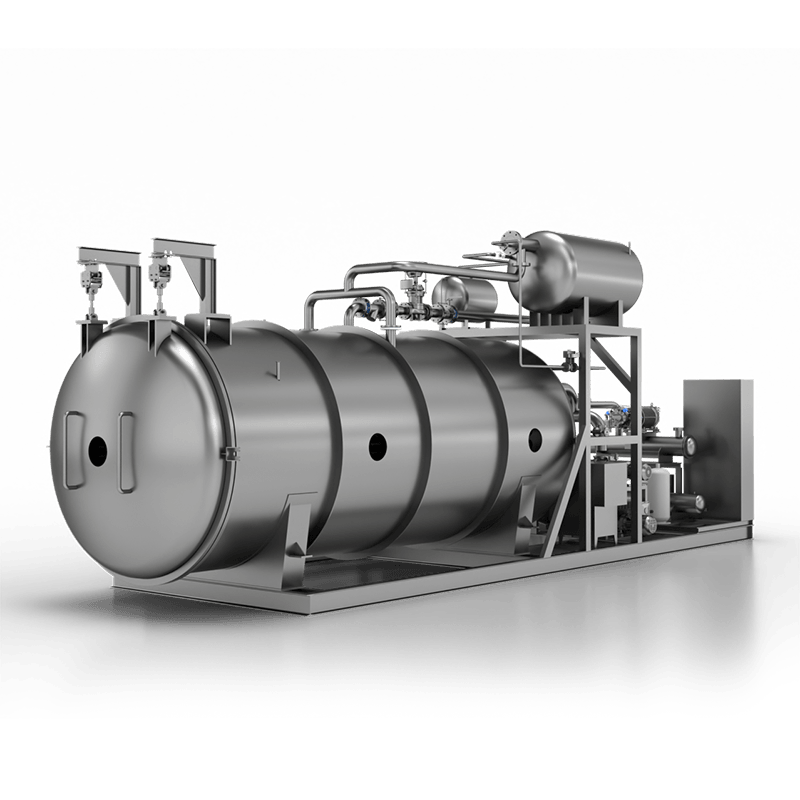
A high-performance freeze drying setup requires four major engineered sub-systems to work together perfectly: the product drying chamber with thermal shelves, the ice condensing unit, a high-vacuum pump array, and a centralized programmable logic control (PLC) module. If the cooling rate of the internal compressor fails to match the radiant heat output of the shelf circuit, the product temperature can rise past its critical collapse threshold. When this occurs, the structure melts or deforms, ruining entire product batches. This risk underscores why industrial operations are moving away from multi-vendor setups and toward unified engineering designs managed by a single expert supplier.
Facilities looking to install or expand freeze drying capabilities must choose between two distinct procurement paths: contracting a single one-stop freeze drying equipment supplier or sourcing individual sub-components from specialized niche manufacturers and using an in-house engineering team to tie them together.
One-Stop Supply Architecture: Under this methodology, a single manufacturing organization handles the design, fabrication, software programming, and regulatory certification of the entire lyophilization suite. Every component, from the structural stainless steel chamber to the silicone oil thermal circulation system, is engineered to work together flawlessly. Software integration is native, using a single master PLC interface to monitor shelf heat, vacuum levels, and condenser temperatures together. This eliminates split-liability issues during commissioning and ensures a single point of accountability for system performance.
Multi-Vendor Fragmented Sourcing: This approach splits procurement across multiple specialized manufacturers, sourcing the vacuum pumps from one brand, the refrigeration skid from another, and the chamber housing from a third. While this can sometimes lower initial equipment purchasing costs, it shifts the difficult burden of system integration to the facility's internal engineering team. Mismatches between different communication protocols often require custom software bridges, and split-liability barriers can slow down troubleshooting if the system fails to achieve the required vacuum or cooling benchmarks during testing.
| Project Execution Metric | One-Stop Equipment Supplier Portfolio | Multi-Vendor Component Assembly |
|---|---|---|
| Software & Control Interoperability | Native unified PLC interface; seamless data logging and sensor syncing | Prone to protocol conflicts; requires custom scripting and external bridges |
| Project Commissioning Duration | Fast; typically completed within 2 to 4 weeks post-delivery | Extended; often requires 3 to 6 months of iterative field calibration |
| Maintenance & Support Path | Single point of contact; comprehensive warranty covering all systems | Split-liability; separate vendors for pump, refrigeration, and control issues |
| Regulatory & Validation Compliance | Pre-compiled IQ/OQ protocols matched directly to the system hardware | Custom documentation required; high risk of validation delays |
| Thermal-Vacuum Performance Balance | Optimized; condenser capture rates match shelf vapor generation exactly | Sub-optimal; mismatched component capacities can cause vapor bypass |
A true one-stop freeze drying equipment supplier does not simply deliver off-the-shelf machinery; they engineer custom solutions tailored to the specific product characteristics and production volumes of the facility. Lyophilization profiles vary dramatically depending on whether the product is a biological pharmaceutical vaccine requiring sterile vial stoppering or a bulk food harvest requiring high-capacity shelf space. A unified supplier optimizes three critical technical parameters during the manufacturing phase:
Sourcing freeze drying equipment requires balancing upfront capital expenditure (CAPEX) with long-term operational costs (OPEX). Because industrial lyophilization systems consume significant amounts of energy to run continuous vacuum pumps and refrigeration compressors through long drying cycles—often lasting 24 to 72 hours per batch—optimizing the system's efficiency is vital for maintaining long-term profitability.
Consider a commercial manufacturing plant operating a 50-square-meter shelf capacity freeze drying line. Opting for a low-cost, multi-vendor component setup can save roughly $45,000 during the initial equipment purchase. However, if those uncalibrated components create a 15 percent efficiency mismatch between the shelf heating system and the condenser cooling loop, the drying cycle extends by 6 hours per batch. Over 250 operational runs per year, this mismatch results in higher energy consumption, increased wear on the compressors, and reduced facility output.
The strategic financial breakdown below tracks the projected total cost of ownership (TCO) for a 50-square-meter production line over a 7-year timeline:
For facilities operating in regulated industries like biotechnology and pharmacology, hardware manufacturing represents only half of the implementation challenge; the entire system must also pass strict validation checkmarks. Regulatory agencies require detailed proof that the freeze dryer performs consistently without risk of batch contamination. Sourcing through a one-stop supplier ensures that the equipment is designed from the ground up to meet these validation criteria.
Advanced production units integrate Clean-In-Place (CIP) and Sterilize-In-Place (SIP) frameworks directly into the chamber structure. The CIP system utilizes automated, rotating spray nozzles to distribute high-pressure purified water across every shelf surface, washing away trace residues from previous runs. Following the cleaning cycle, the SIP system injects pressurized pure steam at temperatures exceeding 121 degrees Celsius throughout the sealed chamber, holding the environment at temperature to guarantee a sterile processing field. Because a single supplier designs both the structural chamber and the automated fluid systems, the CIP/SIP cycles are fully integrated into the master PLC software, providing repeatable, automated validation logs that satisfy audit requirements effortlessly.
Furthermore, one-stop suppliers provide comprehensive Installation Qualification and Operational Qualification (IQ/OQ) documentation packages with the machinery. These pre-compiled protocols outline the precise testing steps needed to verify chamber pressure integrity, compressor pull-down rates, and software alarms. Having these validation frameworks ready on delivery allows facilities to bypass months of custom protocol drafting, accelerating the timeline to full operational sign-off and commercial production.
• International Society for Pharmaceutical Engineering (ISPE). Lyophilization Equipment Validation and Commissioning Guidelines. Tampa, FL.
• Journal of Thermal Analysis and Calorimetry. Optimizing Sublimation Kinetics and Condenser Interoperability within Industrial Vacuum Chambers.
• European Journal of Pharmaceutics. Automated Clean-In-Place (CIP) and Sterilize-In-Place (SIP) System Verification Protocols for Multistage Freeze Dryers.


Sieno's whole series of freeze-drying equipment, covering the experimental research to the industrial scale, is energy efficient, stable, and reliable, with flexible customization as the core, to production, optimization of process, and multiple fields with green manufacturing solutions.
Sieno, based on the research of intelligent freeze-dried food, provides with custom process for the whole chain of freeze-dried technology support (including pretreatment, freeze-dried, and packaging), helping enterprises realize multiple improvements in efficiency, quality, and environmental protection.
Equiment & Soiution
Food Industry Pharmaceuticals Industry Agricultural Industry Pet Industry Beauty Care Industry Chemical Engineering & Laboratory Environmental Protection & Circular EconomyContact Info.
 +86 18068757376
  bolaike@jsblk.com
  Zhenglu Town, Tianning District, Changzhou City, Jiangsu Province, China
Follow Us
Copyright ©
Sieno Freeze-drying Technology Research Institute (Jiangsu) Co., Ltd
All Rights
Reserved
Custom One-Stop Freeze Drying Equipment Suppliers