English
  русский
  中文简体
中文简体 
Request a Quote

Industry News
 Home / Recent News / Industry News / How Advanced Tea Beverages Freeze-Drying Equipment Safeguards Volatile Aromas and Nutrient Integrity
  2026.06.18
 Industry News
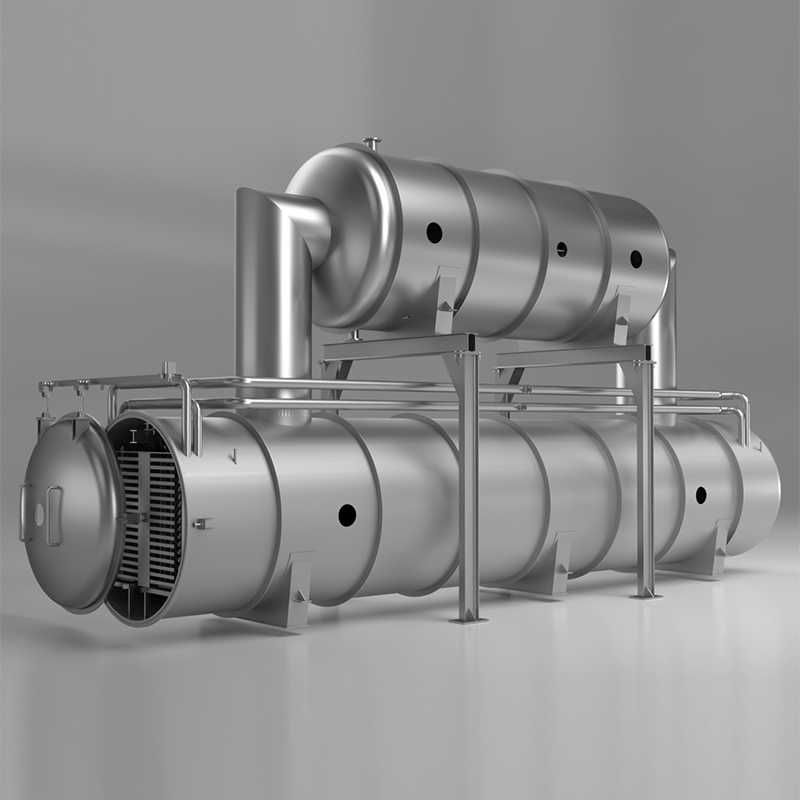
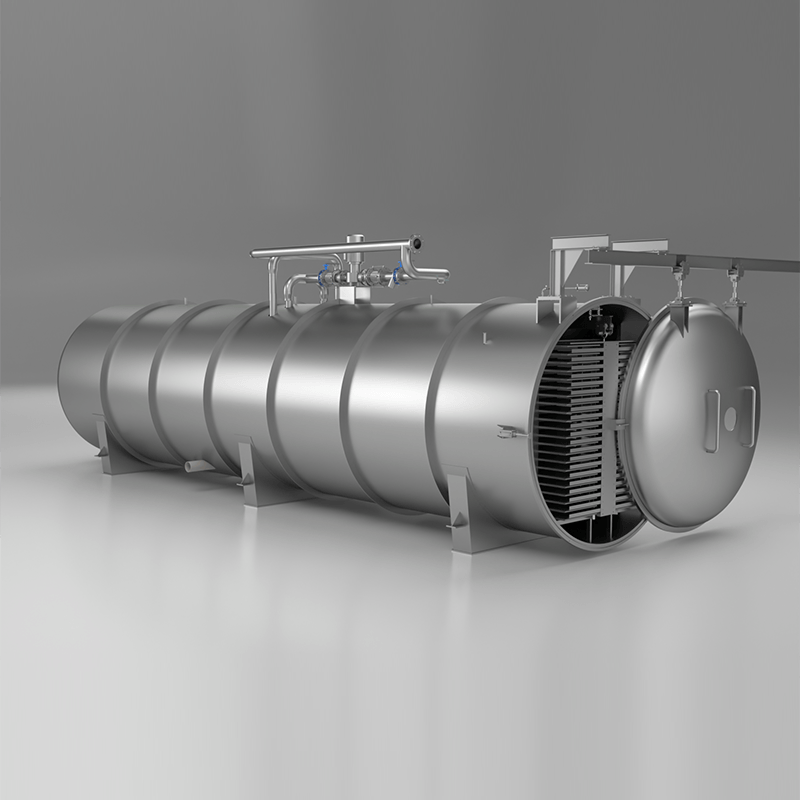
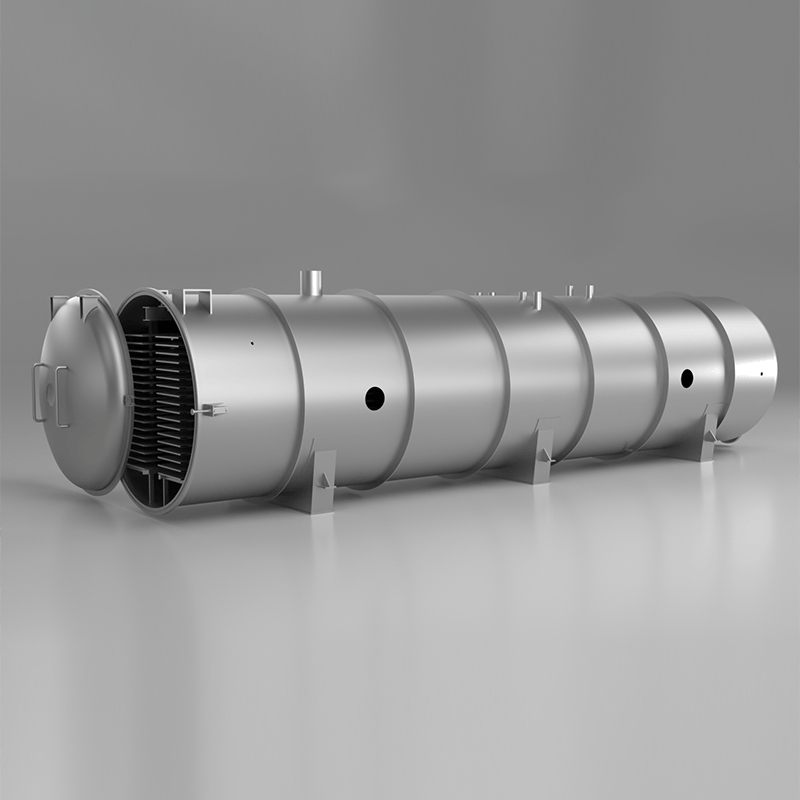
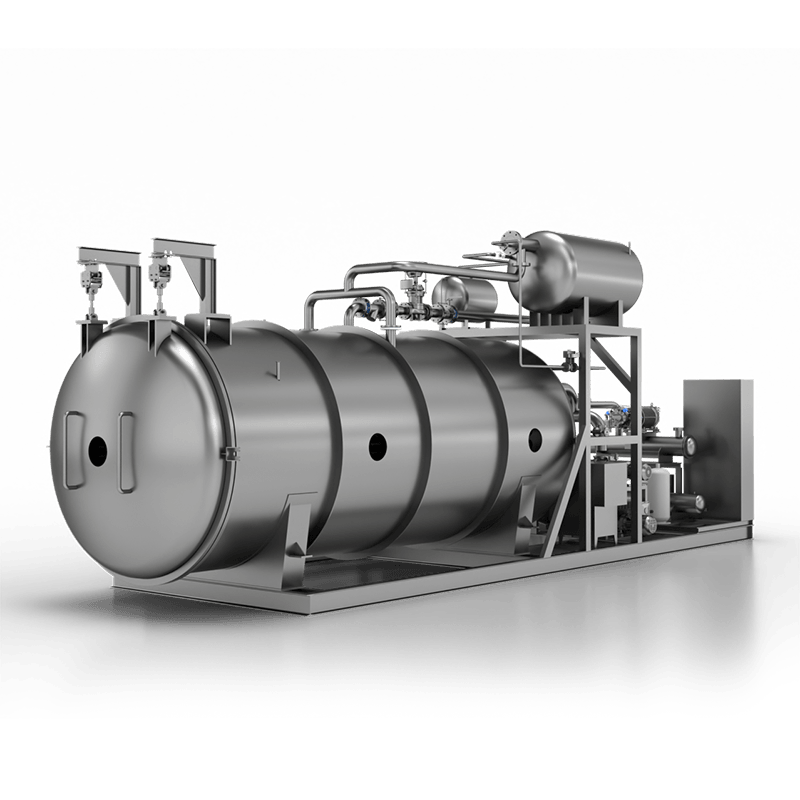
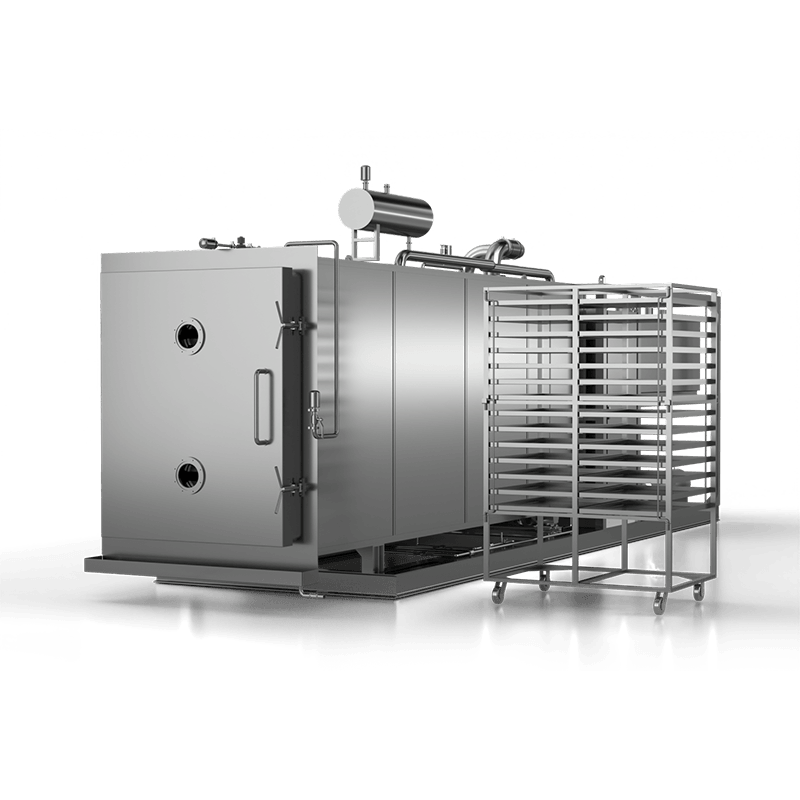
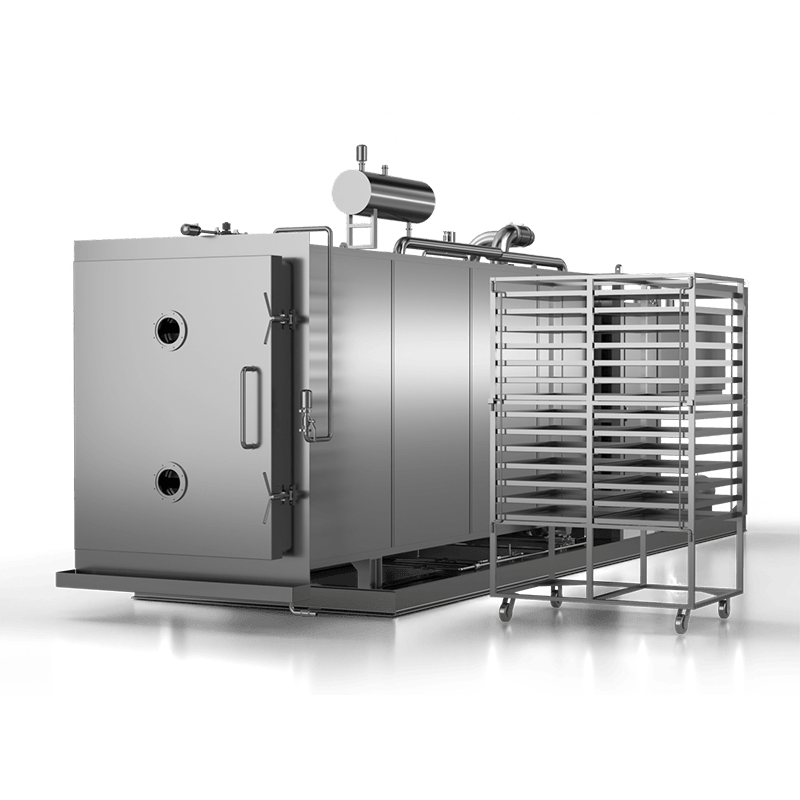
Utilizing specialized tea beverages freeze-drying equipment represents the most advanced thermal management strategy for converting liquid tea extractions into highly soluble, shelf-stable crystals without altering their delicate chemical composition. By operating below the water triple point, this equipment removes moisture through sublimation, ensuring 98% retention of volatile aroma compounds and thermo-sensitive polyphenols such as epigallocatechin gallate (EGCG). This approach completely bypasses the thermal degradation, oxidation, and browning inherent to traditional spray-drying or vacuum-evaporation methods, producing a premium product that instantly rehydrates in cold water.
In the rapidly expanding instant beverage market, maintaining the authentic sensory profile of green, black, and oolong tea is a significant engineering challenge. Traditional hot-air drying methods expose tea concentrates to temperatures above 80°C, causing heavy caramelization of natural sugars, loss of key amino acids like L-theanine, and vaporization of delicate top-note aromas. Industrial lyophilization chambers solve these issues by using a balanced combination of deep vacuum control and precise radiant shelf heating, removing water molecules while preserving the structural and chemical integrity of the tea matrix.
The underlying physics of freeze-drying tea relies on manipulating phase transitions. To successfully sublime water out of a highly concentrated tea extract without melting the mixture, the system must tightly control the balance between the internal vapor pressure of the product and the ambient chamber vacuum.
Before sublimation begins, the liquid tea extract must be frozen down to its specific eutectic point—the maximum temperature at which all crystalline components coexist in a completely solid state. For a standard 25% soluble solids tea concentrate, the eutectic temperature typically sits between -25°C and -32°C. If the product temperature rises above this critical value during primary drying, micro-melting or "collapse" occurs, ruining the porous structure of the cake and severely slowing down rehydration rates.
Primary drying accounts for the removal of the vast majority of unbound free ice crystals. The sublimation chamber pressure is dropped down to a range of 10 Pa to 50 Pa, while the shelves supply targeted heat energy to fuel the endothermic sublimation process. Once the free ice is fully removed, secondary drying begins. Here, the temperature is carefully raised to desorption levels, breaking bounded water molecules away from the concentrated tea proteins and carbohydrates to achieve a final target moisture content of under 3.0%.
Selecting the right industrial drying technology requires balancing initial equipment investment against long-term product quality and nutrient preservation. The table below outlines the clear performance differences between different drying setups across key quality and operational criteria.
| Quality & Processing Parameters | Industrial Freeze-Drying Equipment | High-Temperature Spray Dryer | Continuous Belt Vacuum Dryer |
|---|---|---|---|
| Operating Temperature Exposure | -35°C to +40°C | 150°C to 200°C (Inlet Air) | 45°C to 80°C |
| Total Catechin & Polyphenol Retention | 96.4% - 99.1% Retention | 62.3% - 74.5% Retention | 81.2% - 87.6% Retention |
| Volatile Aroma Fraction Recovery | 95.0% - 98.3% Recovery | 15.4% - 30.2% Recovery | 55.0% - 68.4% Recovery |
| Cold-Water Solubility Index (s) | < 3 Seconds (Instant) | 15 - 30 Seconds (Requires Agitation) | 10 - 20 Seconds |
| Finished Product Residual Moisture | 1.5% - 2.8% Moisture | 4.5% - 6.0% Moisture | 3.0% - 4.5% Moisture |
The collected data demonstrates that freeze-drying equipment offers unparalleled nutrient preservation and flavor fidelity. While spray drying allows for high-throughput continuous manufacturing, the intense heat flash strips away most volatile aromatics (such as linalool and geraniol) and degrades tea catechins, which requires manufacturers to inject artificial flavor flavorings into the finished powder.
Industrial-scale tea beverages freeze-drying machinery incorporates multiple heavily integrated mechanical subsystems. Each component must function continuously in extreme vacuum and thermal conditions to guarantee batch uniformity.
Processing raw tea concentrate into premium freeze-dried crystal formations requires following a rigorous sequence. Any deviation in temperature ramps or vacuum stabilization during these steps can cause structural collapse of the product, resulting in a dense, glassy texture that dissolves poorly.
While freeze-drying yields an exceptionally premium instant product, processing tea extract on an industrial scale introduces specific chemical and mechanical challenges that require advanced control strategies.
Although freeze-drying operates at low temperatures, the continuous deep vacuum can pull out highly volatile aroma molecules alongside water vapor. To counter this, advanced lyophilizers are paired with pre-drying aroma recovery systems. These recovery units distill the top-note aromatic compounds out of the raw brew before it enters the freeze-dryer, allowing technicians to spray the concentrated aromatics back onto the dried porous crystals right before final packaging.
Natural sugars and tea saponins can create an amorphous, glassy layer on the surface of the freezing cake if the extract is cooled too slowly. This glass layer acts as a dense physical barrier, blocking escaping water vapor during primary drying and causing pressure buildup within the frozen core. Implementing a thermal annealing step—where the frozen product is temporarily warmed up to -15°C and held for two hours before refreezing—encourages ice crystal rearrangement, creating open micro-channels that streamline vapor escape during drying.


Sieno's whole series of freeze-drying equipment, covering the experimental research to the industrial scale, is energy efficient, stable, and reliable, with flexible customization as the core, to production, optimization of process, and multiple fields with green manufacturing solutions.
Sieno, based on the research of intelligent freeze-dried food, provides with custom process for the whole chain of freeze-dried technology support (including pretreatment, freeze-dried, and packaging), helping enterprises realize multiple improvements in efficiency, quality, and environmental protection.
Equiment & Soiution
Food Industry Pharmaceuticals Industry Agricultural Industry Pet Industry Beauty Care Industry Chemical Engineering & Laboratory Environmental Protection & Circular EconomyContact Info.
 +86 18068757376
  bolaike@jsblk.com
  Zhenglu Town, Tianning District, Changzhou City, Jiangsu Province, China
Follow Us
Copyright ©
Sieno Freeze-drying Technology Research Institute (Jiangsu) Co., Ltd
All Rights
Reserved
Custom One-Stop Freeze Drying Equipment Suppliers