English
  русский
  中文简体
中文简体 
Request a Quote

Industry News
 Home / Recent News / Industry News / Freeze Drying Equipment: How to Choose the Right System for Your Product
  2026.09.09
 Industry News
Buying freeze drying equipment is not like buying a mixer or a conveyor. The dryer decides your product's texture, nutrient retention, rehydration behavior, and unit cost for years to come. Yet many purchasing conversations start with the wrong question: "What is the largest machine I can get for my budget?" The better starting point is: "What does my product need from the process, and how will the dryer fit the rest of my line?" This guide walks through the equipment-level decisions that separate a profitable freeze-drying operation from an energy-hungry bottleneck.
Freeze drying, or lyophilization, removes water by sublimation. The product is frozen first; the chamber pressure is then lowered; and ice converts directly from solid to vapor without melting. That is why freeze-dried foods keep their shape, color, and most of their nutritional value. The principle is simple. Making it work consistently at industrial scale is not.
Four capabilities determine whether a dryer will perform well in production:
For standard food products, a condenser operating at -40 °C to -50 °C is usually sufficient. For probiotics, enzymes, and other heat-sensitive active ingredients, expect to specify -60 °C or colder. The supplier should justify the specification for your product, not just quote a generic number.
Two capacity numbers matter on any datasheet: total shelf area, usually expressed in square meters, and ice capacity, expressed as the kilograms of water the condenser can trap before defrost. Shelf area sets how much product fits in one batch. Ice capacity sets whether the condenser can finish the job. A dryer with impressive shelf area but insufficient ice capacity will force you to reduce loading or shorten the effective cycle.
| Equipment scale | Shelf area | Typical food batch size | Typical application |
|---|---|---|---|
| Laboratory dryers | 0.2–1 m² | 2–10 kg | Formula development, sample testing |
| Pilot systems | 1–10 m² | 10–100 kg | Process scale-up, limited commercial runs |
| Industrial dryers | 10–200 m² | 100–2,000+ kg | Full production, high throughput |
For a mid-sized production plant, a dryer in the 20–40 m² shelf area range is a common starting point. It produces meaningful batches without the capital commitment of a 100 m² system and leaves room for process changes as recipes evolve.
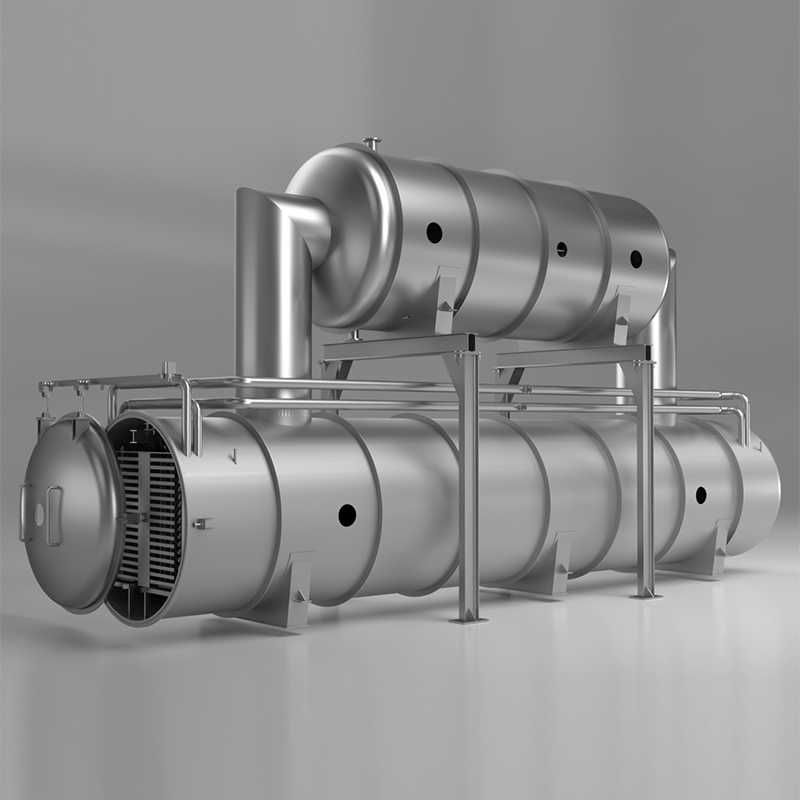
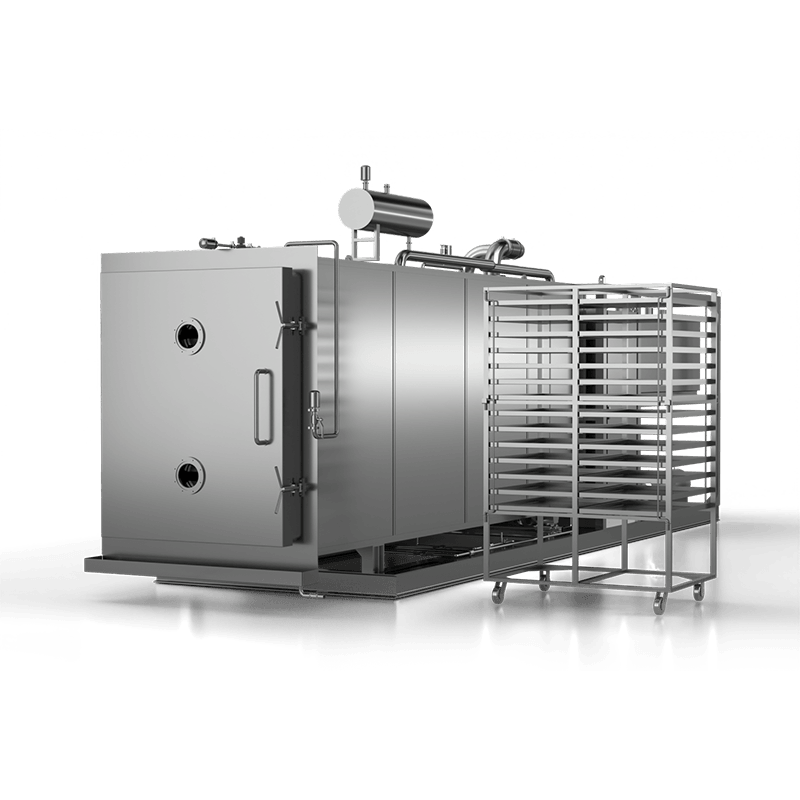
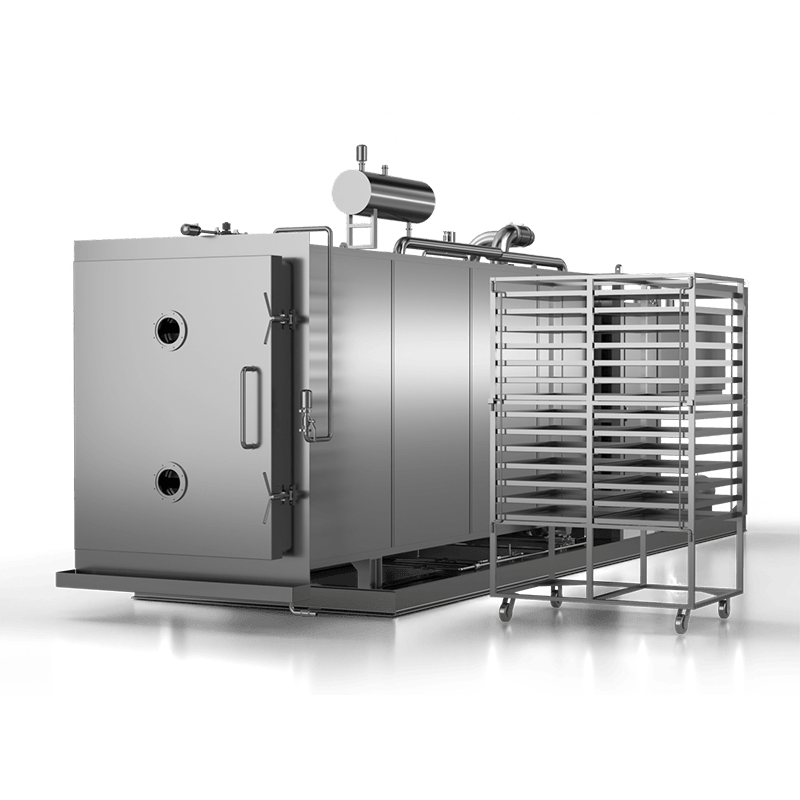
 BLK-FD-40 Freeze Dryer for Mid-Sized ProductionThis freeze dryer suits mid-sized plants needing 20–40 m² shelf area, balancing batch output with capital cost while allowing room for recipe evolution. Its condenser sizing should allow for a 20–30 percent reserve to handle uneven loading and final drying stages.View Product →
As a working rule, plan for 5–15 kg of food product per square meter of shelf area, depending on bulk density and layer thickness. The condenser's ice capacity should exceed the expected water load by at least 20–30 percent; that margin protects against uneven loading and gives the system enough reserve for the final drying stage, when vapor flow is lowest and the shelf temperature must still be held precisely. If the supplier provides a cycle-time estimate, study the assumptions behind it rather than comparing only the total hours.
The most expensive mistake is choosing a dryer by chamber size alone. Product quality follows the thermal profile: how fast the product freezes, how steadily the shelves hold temperature during primary drying, and how precisely the final heating stage removes bound water. The same cabinet can produce excellent or mediocre results depending on the control system behind it.
Ask for documented values on three specifications:
If your plans include developing new products or variations, the ability to fine-tune the cycle becomes strategic. A supplier who offers lyophilization recipe development can convert a rough formula into a validated drying curve, which shortens commissioning time and reduces rejected batches in the first year of operation.
Freeze drying is one of the most energy-intensive processes in food manufacturing. Electricity feeds the refrigeration system that cools the shelves and condenser, the vacuum pumps that maintain chamber pressure, and the heaters that drive sublimation. Because energy is consumed in every batch, small efficiency differences become significant over years of operation.
Three design points have an outsized effect on energy use:
Ask the supplier for an expected energy figure per kilogram of water removed, and compare it under the same assumptions: product temperature, loading density, and final moisture target. A dryer with better insulation and control may cost more up front, but the difference can be recovered within a few years of operation.
A freeze dryer cannot fix problems created upstream, and it cannot protect the finished product once it leaves the chamber. If raw material enters with inconsistent shape, temperature, or free water, the batch dries unevenly. If dried product is exposed to ambient air, it reabsorbs moisture before packaging and loses the crisp texture that consumers expect.
A complete freeze-drying line normally includes:
When one supplier provides the whole line, the interfaces are proven, responsibilities are clear, and the warranty covers a complete system rather than a collection of parts.
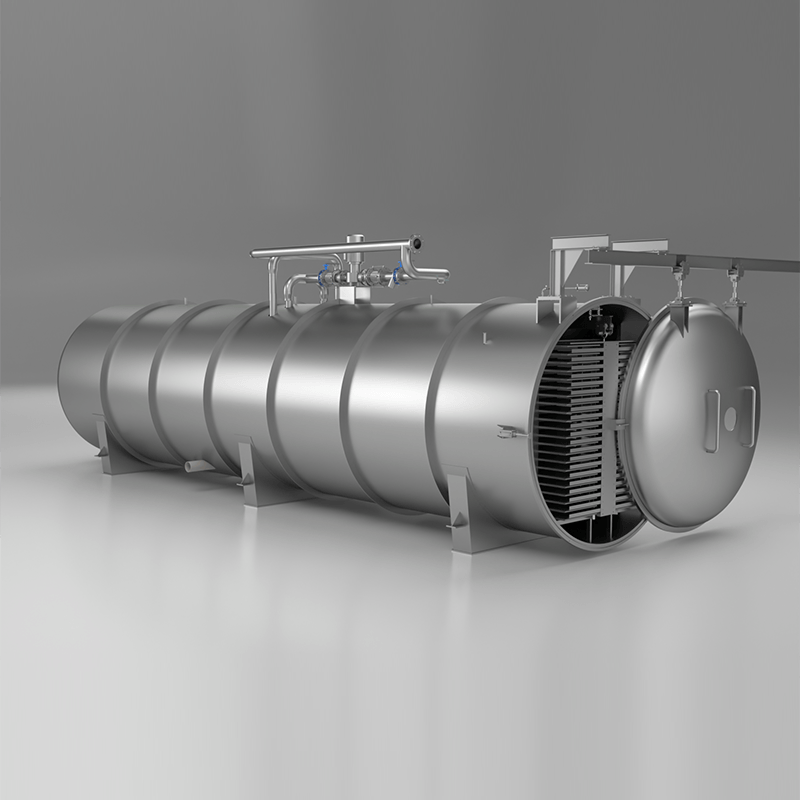
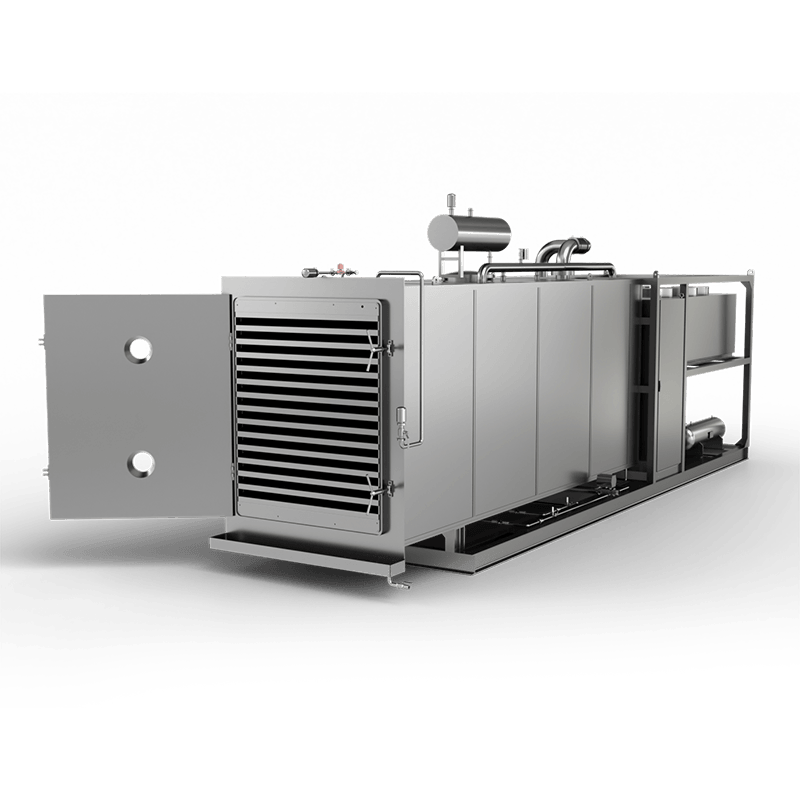
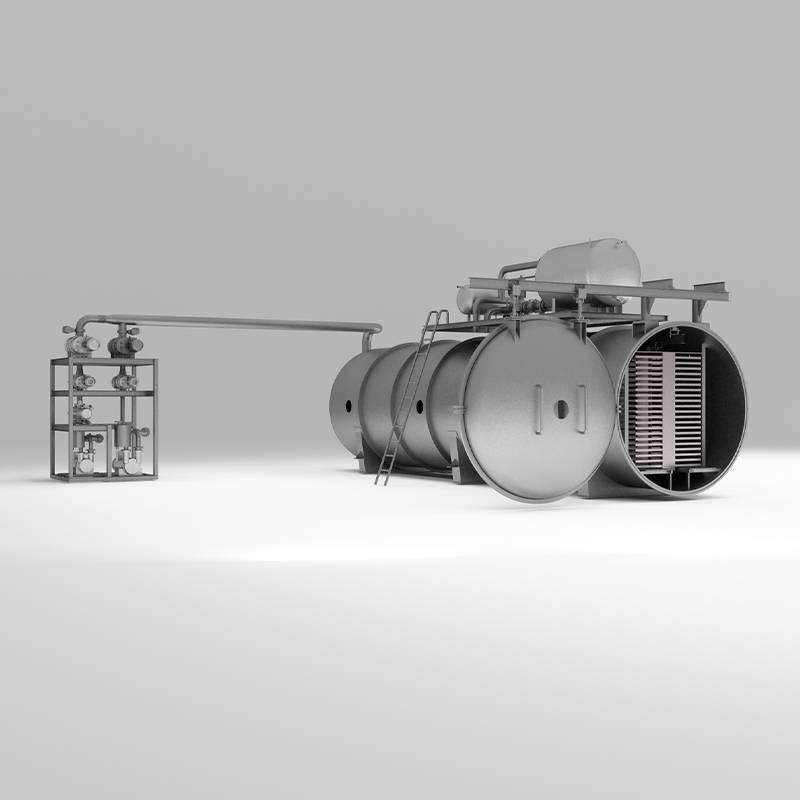 Vacuum Freeze Dryer for Fruits and VegetablesThis core drying equipment preserves color, flavor, nutrition, and original form through low-temperature freezing and vacuum sublimation. Suitable for small-batch verification to industrial scale, it offers traditional cabin or fully automatic continuous systems for various fruit and vegetable products.View Product →
In fruit and vegetable processing especially, the choice of upstream cutting and washing equipment directly affects freeze-drying uniformity. A well-designed line should keep the product cold and protected from the moment it is washed until it enters the dryer.
Many companies validate a product on a small laboratory dryer and then discover that the industrial system behaves differently. Shelves heat unevenly, the condenser responds more slowly, and the vacuum dynamics are not the same at scale. That is normal, which is why experienced buyers keep the same supplier and control platform from trial to production.
A laboratory-scale unit is not only a testing tool. It stays useful after production begins for recipe improvements, quality checks, and small commercial batches that do not justify running a large dryer.
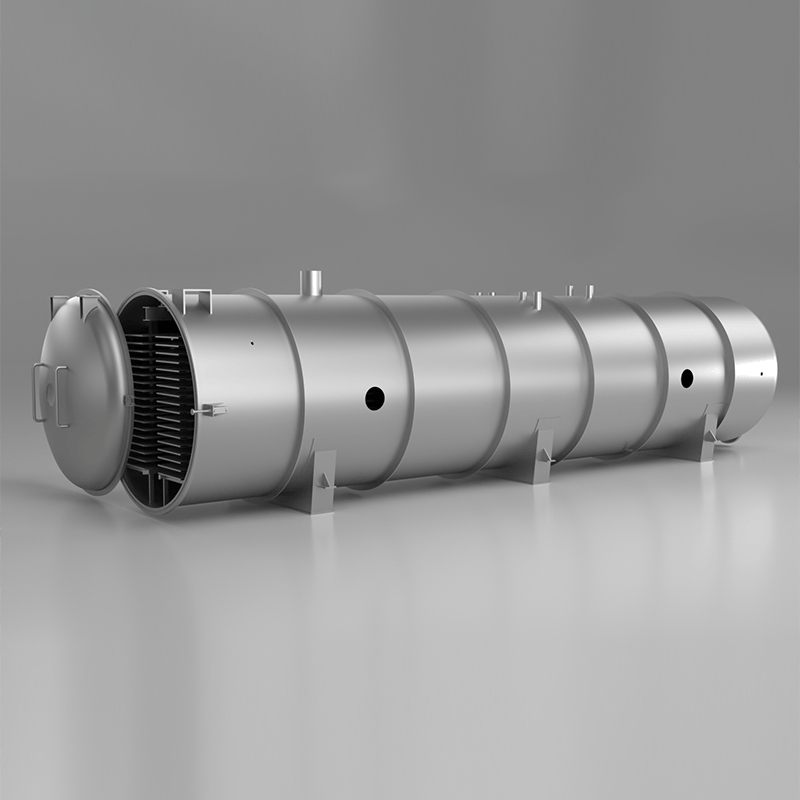
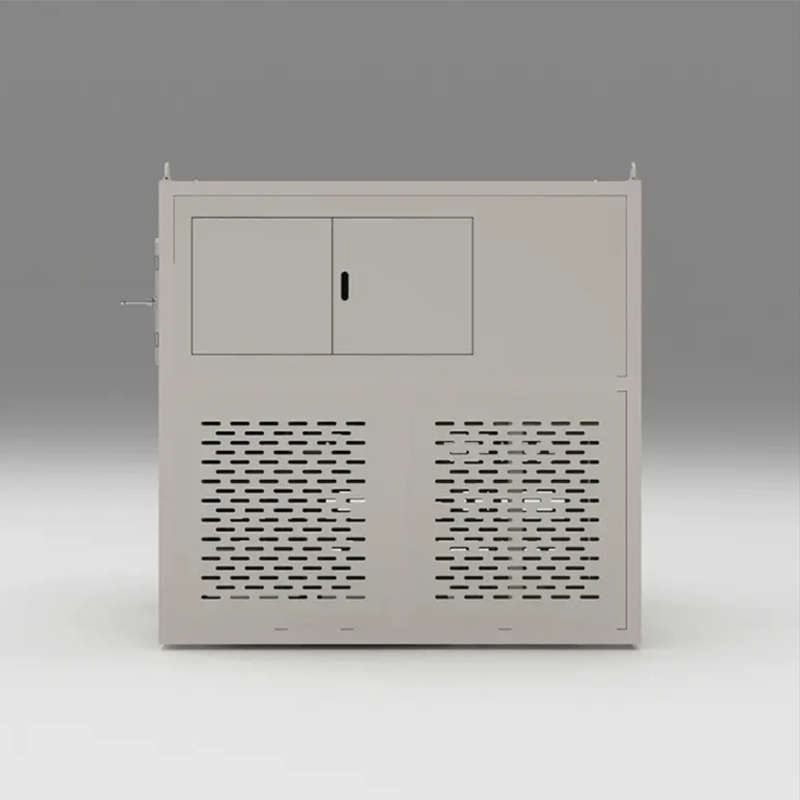 1-Square-Meter Laboratory Freeze DryerThis laboratory-scale unit provides 1 m² of shelf area for representative sample lots and frequent economical runs. Beyond testing, it remains useful after production for recipe improvements, quality checks, and small commercial batches without the expense of a larger dryer.View Product →
This size class is a practical choice for such work: large enough to produce representative sample lots, small enough to run frequently and economically.
Whatever scale you choose, ask about the supplier's service package: technical training for operators, maintenance and upgrade programs, and spare parts availability. Operational mistakes, not mechanical failures, cause most inconsistent batches. Operator training is usually the highest-return investment in the entire project.
Compare quotations with the following checklist in hand:
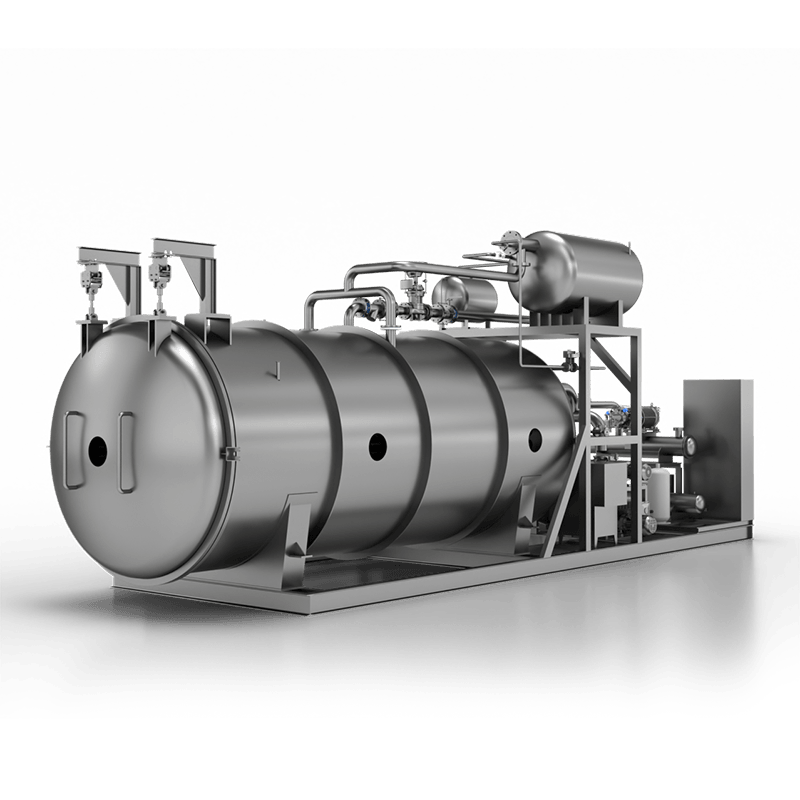
The right freeze drying equipment is the one that fits your product's thermal behavior, your batch size targets, and your long-term operating cost structure. It also helps when the supplier can support you as your product range grows. Exploring industrial-scale freeze dryers is a good first step before committing to a specific configuration.
Start your evaluation with four data points: product moisture target, batch weight, loading density, and desired cycles per week. With those numbers, any experienced supplier can size a system realistically. Without them, every quotation is guesswork.


Sieno's whole series of freeze-drying equipment, covering the experimental research to the industrial scale, is energy efficient, stable, and reliable, with flexible customization as the core, to production, optimization of process, and multiple fields with green manufacturing solutions.
Sieno, based on the research of intelligent freeze-dried food, provides with custom process for the whole chain of freeze-dried technology support (including pretreatment, freeze-dried, and packaging), helping enterprises realize multiple improvements in efficiency, quality, and environmental protection.
Equiment & Soiution
Food Industry Pharmaceuticals Industry Agricultural Industry Pet Industry Beauty Care Industry Chemical Engineering & Laboratory Environmental Protection & Circular EconomyContact Info.
 +86 18068757376
  blk@jsblk.com
  Zhenglu Town, Tianning District, Changzhou City, Jiangsu Province, China
Follow Us
Copyright ©
Sieno Freeze-drying Technology Research Institute (Jiangsu) Co., Ltd
All Rights
Reserved
Custom One-Stop Freeze Drying Equipment Suppliers