English
  русский
  中文简体
中文简体 
Request a Quote

Industry News
 Home / Recent News / Industry News / How Much Is a Freeze Dryer? Complete Cost Guide for Home & Industrial Units
  2026.09.16
 Industry News
A freeze dryer is not a one-price-fits-all piece of equipment. The cost spans a wide spectrum: residential-scale units start around $2,000 to $5,000, while industrial vacuum freeze dryers commonly range from $30,000 to over $200,000. The exact price depends on batch capacity, construction materials, automation level, and the specific application — whether you're preserving garden harvests, developing a new freeze-dried snack line, or scaling up full production.
Before you invest, it pays to understand what drives the sticker price and how to match the machine to your actual needs. This guide breaks down the key cost factors and shows how to evaluate a freeze dryer as a long-term asset rather than a simple expense.
The single biggest price differentiator is how much material the machine can process per cycle. Small laboratory units designed for research or home use typically have 4 to 8 trays, handling 2 to 10 kg per batch. Mid-range pilot-scale units increase capacity to 20–50 kg, while industrial systems can process 100 kg or more per cycle. For example, a 40-square-meter industrial freeze dryer can handle several hundred kilograms daily. As chamber volume increases, so does the cost — mainly due to larger vacuum chambers, more powerful refrigeration compressors, and stronger shelf heating systems.
If you're starting a freeze-dried fruit business, an entry-level industrial unit in the 20–40 kg batch range offers a reasonable entry point at a fraction of the cost of a full-scale production line. Conversely, a hobbyist with occasional use can get excellent results from a compact 4-tray unit without overspending.
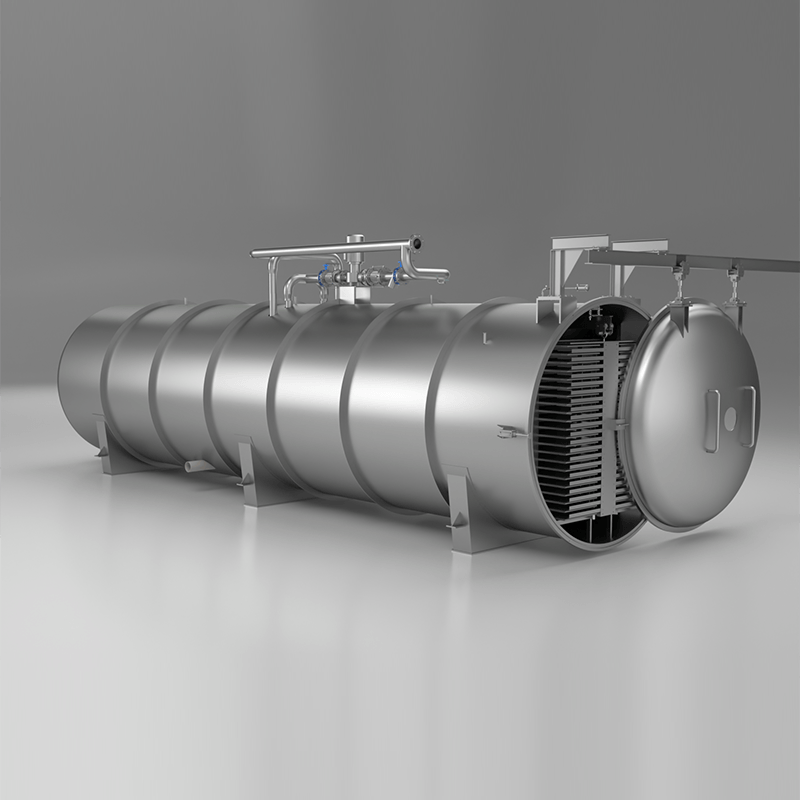
Industrial-grade freeze dryers use 304 or 316L stainless steel for the chamber, shelves, and internal piping to meet food-safety and pharmaceutical standards. The thickness of these materials, the quality of vacuum seals, and the type of insulation all affect both the upfront price and the machine's lifespan. A machine built with heavy-duty stainless steel and industrial-grade vacuum valves will cost 20–40% more than a budget model but will last significantly longer under continuous operation.
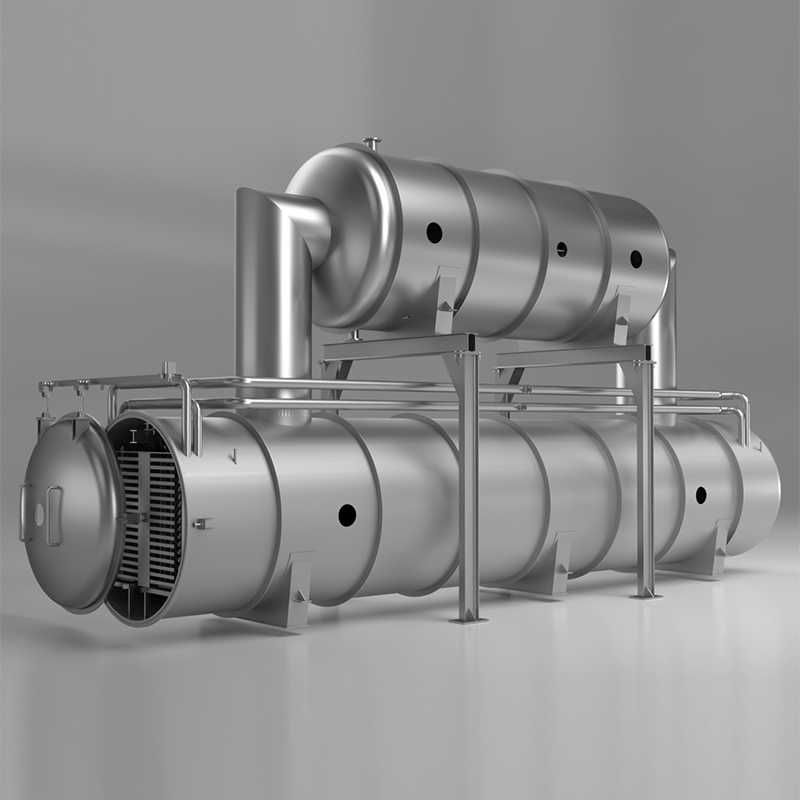
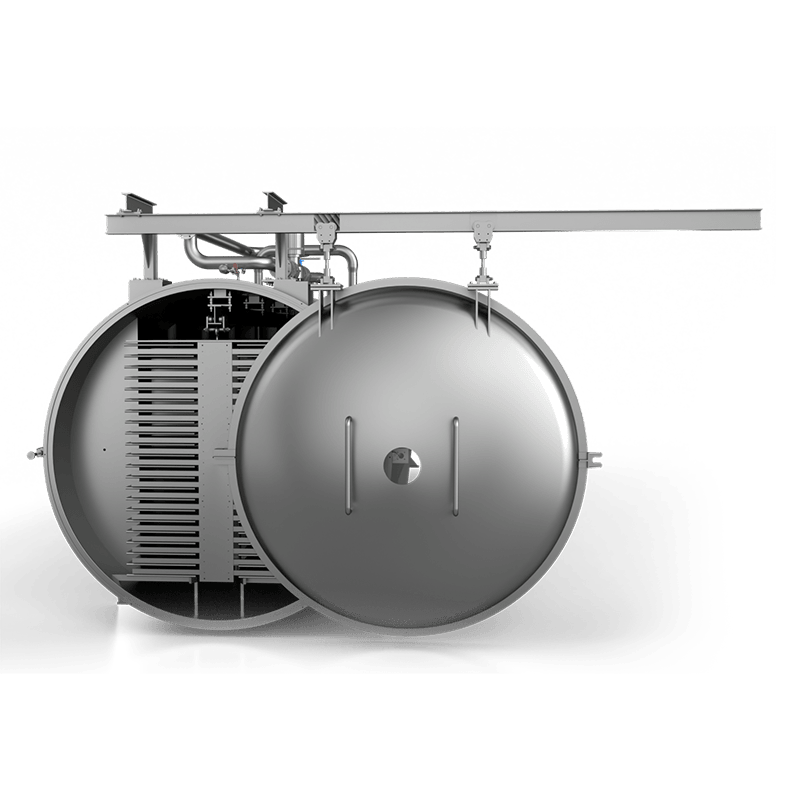 Industrial Stainless Steel Freeze Dryer BLK-FD-125 with Automation OptionsBuilt with heavy-duty stainless steel for long-lasting performance, this model supports manual or automated control to reduce labor costs and batch variation.View Product →
Manual freeze dryers require the operator to set vacuum levels, shelf temperatures, and hold times. Fully automated systems with programmable logic controllers (PLCs) and remote monitoring can adjust parameters in real time based on product temperature and pressure. Automation adds $5,000 to $15,000 to the base price but reduces labor costs and batch variation — especially important when you need consistent results across hundreds of cycles.
Another related cost factor is the type of ice condenser. Units with advanced ice condenser technology that can operate at -50°C or colder allow faster sublimation and shorter cycle times, which directly lowers per-batch electricity consumption.
Electricity is the most visible ongoing expense. A home unit running for 24 hours at 1.5 kW will cost roughly $1.50–$7.00 per batch depending on local rates (9¢ to 45¢ per kWh). Industrial machines with 20–40 kW compressors can consume $300–$800 per day, which is why efficient insulation, oversized condensers, and optimized cycle recipes are essential for commercial operations.
Maintenance costs also vary. Standard items include vacuum pump oil changes every 288–500 hours, replacement of seals and gaskets annually, and periodic calibration of temperature sensors. Budget $500–$2,000 per year for a small unit and $3,000–$8,000 for a large industrial system. Many manufacturers offer technical training and equipment maintenance upgrades that help reduce downtime.
When you factor in yield improvements (freeze drying preserves nearly 100% of nutrients and structure, avoiding shrinkage typical of heat drying), the effective cost per finished kilogram can be lower than with conventional drying methods. For products like freeze-dried coffee or premium pet food, the higher retail value easily offsets the equipment investment.
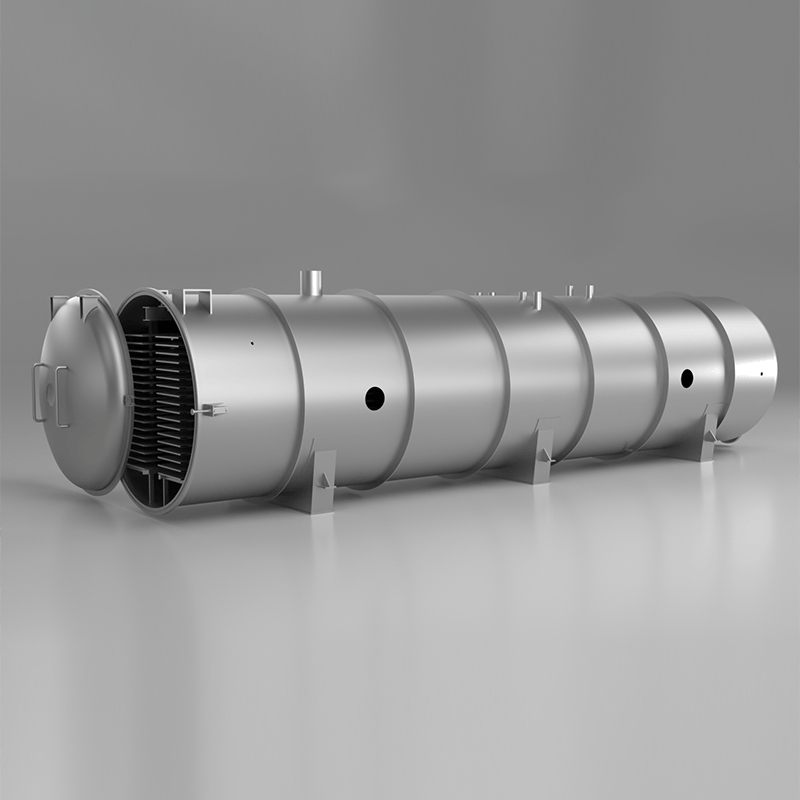
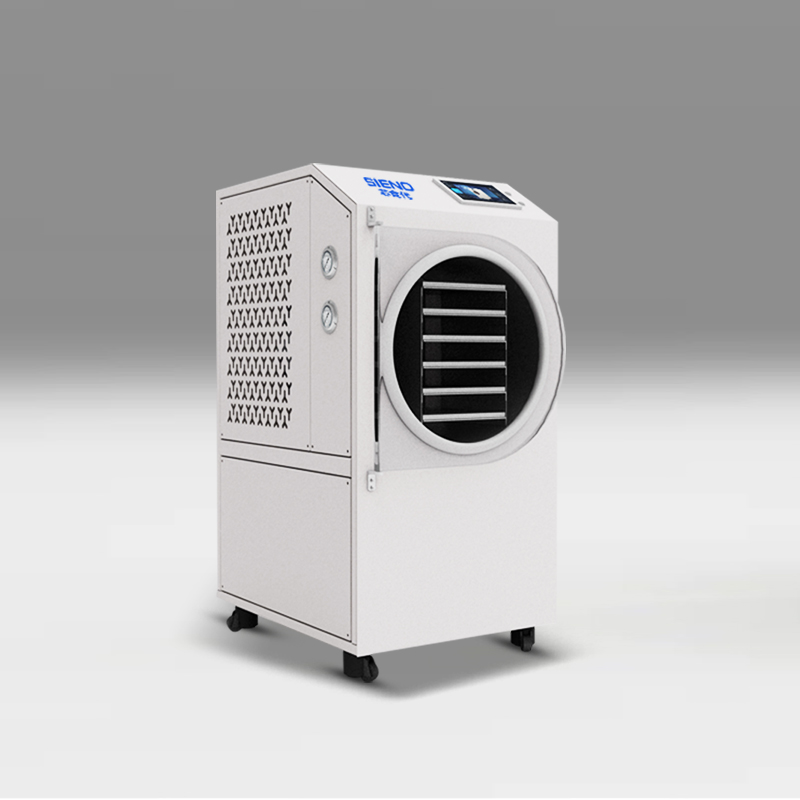 Pilot-Scale Freeze Dryer XSD-FD-8-12 for Growing Production NeedsWith 10–12 kg capacity and precise temperature control, this unit bridges lab-scale and industrial lines, ideal for startups expanding freeze-dried snack or ingredient output.View Product →
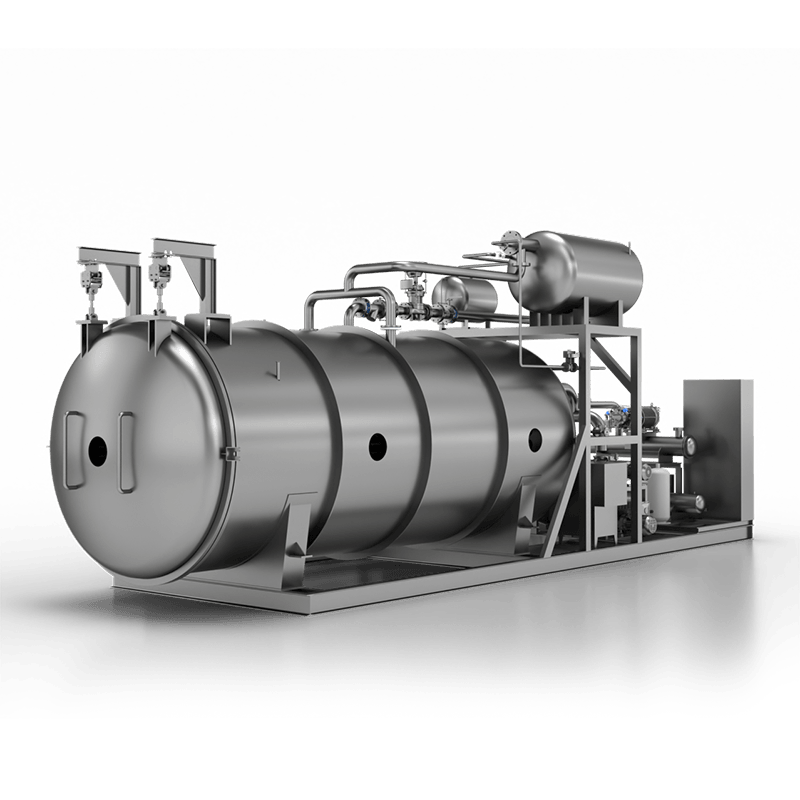
The best way to answer "how much is a freeze dryer?" is to first answer "what do I need it to do?" For a small farm or kitchen operation, a compact unit with 4–8 trays and basic manual controls may be sufficient. For a startup producing freeze-dried snacks or ingredients, a pilot-scale or small industrial unit in the 20–100 kg batch range provides room to grow without over-investing. For a full production line, you'll want a large industrial system with automation, CIP (clean-in-place) options, and possibly continuous tunnel modules.
Many buyers overlook the importance of pre- and post-processing equipment. A complete line — including washing, cutting, sorting, freezing, freeze drying, and packaging — can dramatically reduce handling time and improve yield. Industrial fruit freeze drying equipment from Sieno, for instance, integrates seamlessly with upstream cleaners and downstream nitrogen packaging machines to create an efficient workflow. Similarly, laboratory freeze drying units are ideal for R&D and small-batch testing before scaling up.
Finally, consider the total cost of ownership over 5 to 10 years. A well-built industrial freeze dryer from a manufacturer that provides technical support, freeze drying recipe development, and training will have a lower lifecycle cost than a cheaper machine that requires frequent repairs. Sieno's approach combines equipment with process know-how, helping customers optimize cycles to minimize energy use and maximize throughput.


Sieno's whole series of freeze-drying equipment, covering the experimental research to the industrial scale, is energy efficient, stable, and reliable, with flexible customization as the core, to production, optimization of process, and multiple fields with green manufacturing solutions.
Sieno, based on the research of intelligent freeze-dried food, provides with custom process for the whole chain of freeze-dried technology support (including pretreatment, freeze-dried, and packaging), helping enterprises realize multiple improvements in efficiency, quality, and environmental protection.
Equiment & Soiution
Food Industry Pharmaceuticals Industry Agricultural Industry Pet Industry Beauty Care Industry Chemical Engineering & Laboratory Environmental Protection & Circular EconomyContact Info.
 +86 18068757376
  emmy@jsblk.com
  Zhenglu Town, Tianning District, Changzhou City, Jiangsu Province, China
Follow Us
Copyright ©
Sieno Freeze-drying Technology Research Institute (Jiangsu) Co., Ltd
All Rights
Reserved
Custom One-Stop Freeze Drying Equipment Suppliers