English
  русский
  中文简体
中文简体 
Request a Quote

Industry News
 Home / Recent News / Industry News / How can the sealing and stability of active ingredient freeze-drying equipment be guaranteed?
  2025.12.11
 Industry News
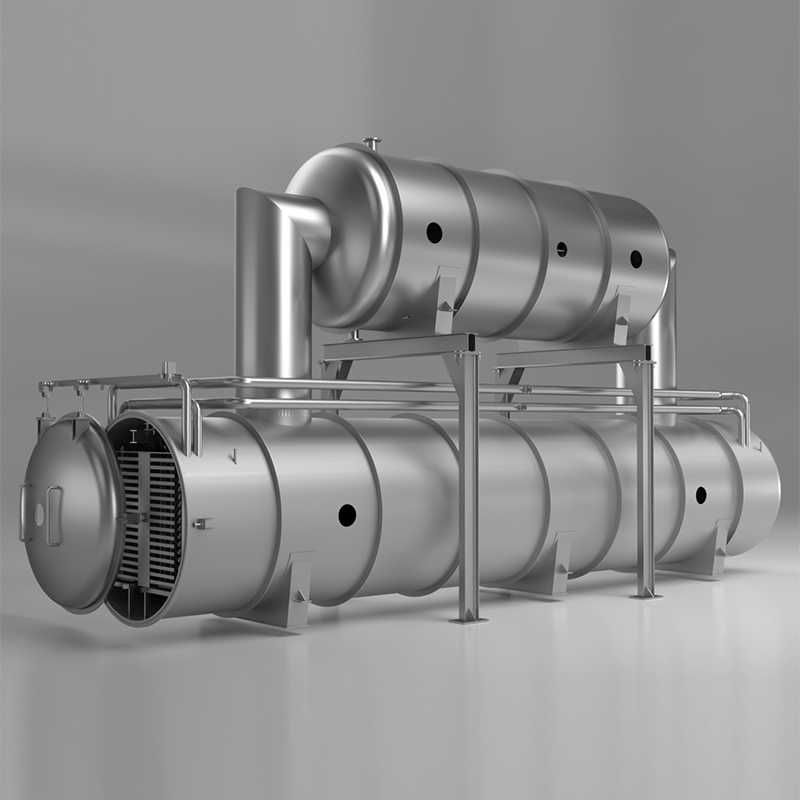
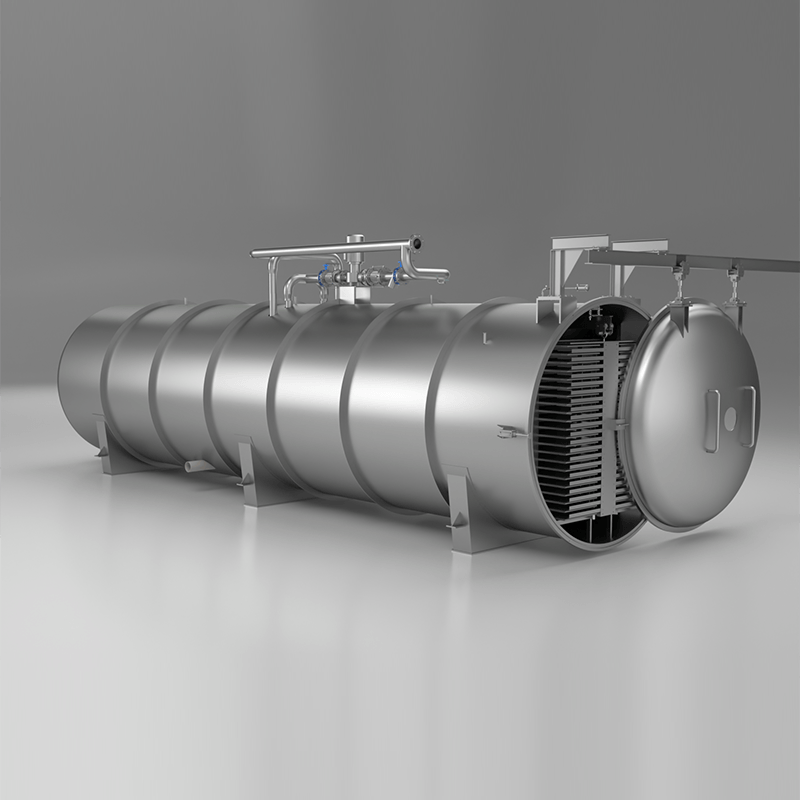
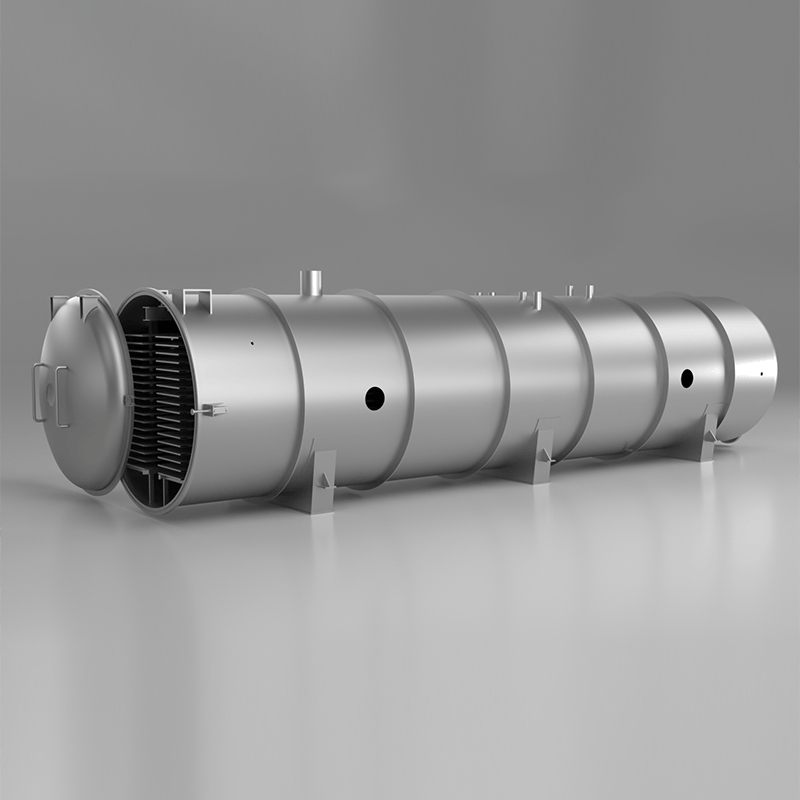
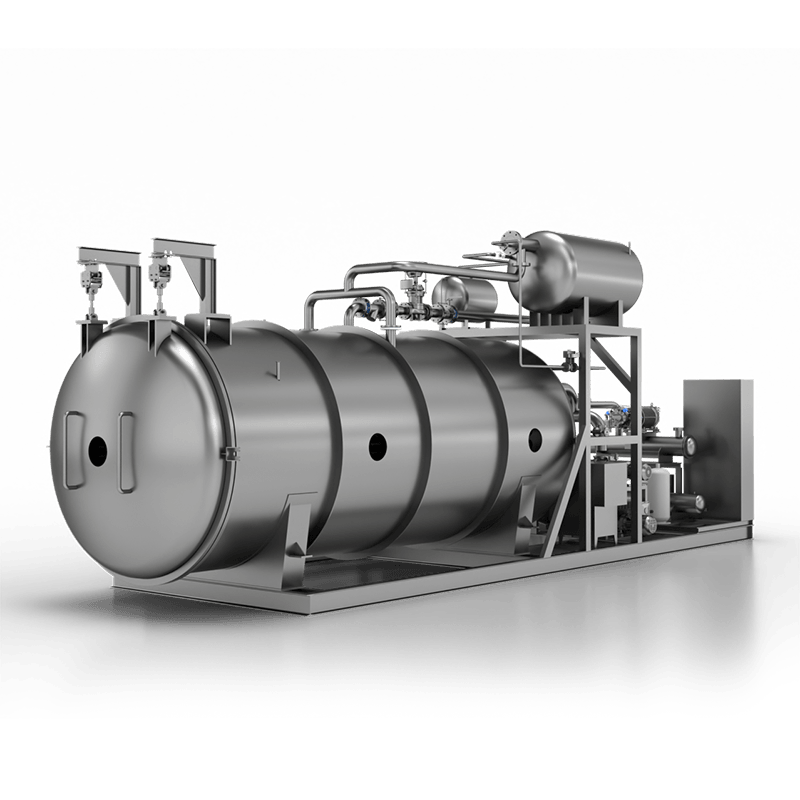
Active ingredient freeze-drying equipment plays a critical role in the pharmaceutical, food, and biotechnology industries, where preserving the biological activity of ingredients is of utmost importance. Freeze-drying, or lyophilization, is a process that involves freezing a material, reducing the pressure, and then removing the frozen water by sublimation. This method helps maintain the stability and effectiveness of active ingredients, such as vaccines, enzymes, and therapeutic proteins, by preventing degradation caused by moisture. However, to ensure that freeze-drying is effective, maintaining both proper sealing and stability of the equipment is crucial.
Sealing in freeze-drying equipment is critical for maintaining the integrity of the process and ensuring the desired outcome. During the lyophilization process, the material being dried is placed in a chamber that must be kept under vacuum to facilitate sublimation. This vacuum environment is essential for removing water without causing thermal degradation. If there is any leakage in the system, it can compromise the pressure levels, leading to poor moisture removal, inconsistent drying times, and potential damage to the active ingredients. Additionally, maintaining a consistent vacuum is necessary to prevent contamination from the external environment, which could negatively affect the quality of the final product. Seals in freeze-drying equipment, including door seals, vacuum chamber seals, and gasket seals, must be designed to withstand the low temperatures and high pressures typically found during the freeze-drying cycle. Using high-quality materials and regularly checking for wear or damage are vital steps in ensuring effective sealing and long-term equipment performance.
Several types of seals are used in active ingredient freeze-drying equipment, each serving specific purposes to maintain vacuum integrity. The most commonly used seal types are elastomeric seals, metal seals, and composite seals. Elastomeric seals, made from materials such as silicone or fluoropolymer, are often used for door seals and gaskets due to their flexibility and ability to maintain a tight seal under varying temperatures. Metal seals, on the other hand, are often used in more demanding environments where high temperatures or pressures are expected. They are typically used in the vacuum chamber and certain connection points where extreme conditions are present. Composite seals, which combine the properties of both elastomers and metals, are often used in areas that require both flexibility and strength, such as in valves and port connections. Ensuring that the right seal type is used in the right location is essential for maintaining both the sealing and the stability of the freeze-drying process.
| Seal Type | Material | Common Applications | Temperature Resistance | Advantages |
|---|---|---|---|---|
| Elastomeric Seals | Silicone, Fluoropolymer | Door seals, gaskets | -50°C to 200°C | Flexible, cost-effective, good sealing performance |
| Metal Seals | Stainless Steel, Copper Alloys | Vacuum chamber seals, high-pressure areas | -200°C to 600°C | High strength, good for high-pressure and high-temperature conditions |
| Composite Seals | Combination of elastomers and metals | Valves, port connections | -50°C to 400°C | Combination of flexibility and strength, excellent durability |
Several factors can affect the performance of seals in freeze-drying equipment. These include temperature fluctuations, pressure changes, and exposure to chemicals or contaminants. During freeze-drying, the temperature can fluctuate significantly, especially during the freezing and sublimation phases. Seals must be able to withstand both low temperatures, as in the freezing phase, and higher temperatures, which can occur during the sublimation or drying phase. Similarly, seals must be resistant to the pressures created during the vacuum phase. Over time, these temperature and pressure cycles can cause wear and degradation of the seal material, leading to leakage or compromised sealing performance. Regular inspection and replacement of seals are therefore necessary to ensure the system operates efficiently. Additionally, exposure to chemicals such as solvents or cleaning agents, as well as contamination from the materials being freeze-dried, can cause degradation of seals. Using chemically resistant materials and ensuring the equipment is regularly cleaned and maintained will help to minimize the effects of these factors.
Maintaining the vacuum integrity of freeze-drying systems is key to ensuring that the freeze-drying process operates effectively and consistently. A compromised vacuum can lead to incomplete drying, increased drying times, and the potential loss of active ingredient potency. To prevent vacuum loss, it is essential to regularly check and maintain the seals, vacuum pumps, and all other vacuum-related components. The vacuum chamber, where the material is placed for drying, must be tightly sealed to ensure no external air enters the system. This requires regularly testing the vacuum seals to ensure they are functioning properly. Vacuum pumps, which are responsible for creating the low-pressure environment, must also be checked regularly for efficiency. A malfunctioning vacuum pump can lead to inconsistent pressure levels, resulting in poor drying performance. Implementing a system of regular inspections and performing leak tests can help detect any potential issues with the vacuum integrity of the system.
| Test Type | Description | Frequency | Equipment Used |
|---|---|---|---|
| Helium Leak Test | Uses helium to detect vacuum leaks in critical components | Annually or when vacuum loss is suspected | Helium leak detector |
| Pressure Decay Test | Measures the change in pressure over time to detect leaks | Quarterly or as part of regular maintenance | Pressure gauge and controller |
| Visual Inspection | Checks for visible signs of wear or damage in seals | Monthly | Inspection tools (flashlight, magnifying lens) |
The stability of active ingredient freeze-drying equipment is influenced by both external and internal factors. External factors include ambient temperature, humidity, and the quality of the utilities supplying the equipment, such as power and water. Internally, factors such as equipment design, component wear, and control system functionality can affect the overall stability of the system. Ensuring stable operation requires that both the equipment and the environment are consistently monitored. For example, fluctuations in power supply can cause inconsistencies in temperature and pressure, disrupting the freeze-drying cycle and possibly leading to product degradation. Stability can also be compromised if there is poor regulation of the drying cycle’s time, temperature, or pressure. Proper calibration of the system and use of automated controls to adjust these parameters based on real-time conditions can help ensure that the system remains stable during operation. Additionally, regular maintenance and replacing worn or damaged components are essential for avoiding breakdowns or inconsistent performance.
Temperature control is one of the most important factors in maintaining both the stability of the freeze-drying equipment and the quality of the active ingredients being processed. The freeze-drying process involves three phases: freezing, primary drying (sublimation), and secondary drying (desorption). During each phase, maintaining a precise temperature range is essential to ensure efficient sublimation and prevent any thermal degradation of the active ingredients. If the temperature is too high during the freezing phase, it may cause the product to melt, while excessively low temperatures during the drying phase may slow down sublimation, resulting in prolonged drying times. To avoid these issues, freeze-drying equipment should have robust temperature control systems, including temperature sensors, controllers, and safety shutdown mechanisms. Calibration of these systems is essential to maintain consistent and stable temperature profiles throughout the freeze-drying process.
Moisture removal is a key aspect of the freeze-drying process and directly impacts the performance and stability of both the equipment and the active ingredients being processed. Moisture left in the material can cause degradation or loss of potency over time. Furthermore, excessive moisture in the vacuum chamber or in the equipment’s internal components can lead to corrosion, mold growth, and mechanical failure. To guarantee effective moisture removal, it is essential to carefully monitor the system’s vacuum pressure and ensure that the sublimation process is proceeding at the correct rate. Additionally, drying time should be optimized to ensure that the material is not overexposed to heat or vacuum, both of which can affect stability. Regular inspection of condensers and filters is necessary to prevent clogging and ensure that the moisture removal process functions efficiently. In some systems, additional moisture removal steps, such as using desiccants or adding auxiliary drying equipment, can be incorporated to improve the drying process and prevent moisture-related stability issues.
The integration of automated control systems in freeze-drying equipment can greatly improve both sealing and stability by continuously monitoring and adjusting key parameters such as temperature, pressure, and vacuum levels. Modern freeze-drying systems are equipped with advanced sensors and control systems that provide real-time feedback, enabling operators to detect issues before they lead to performance degradation. These systems can automatically adjust operational parameters to compensate for any fluctuations, ensuring that the drying process remains stable. Additionally, automated control systems can monitor the integrity of the seals, alerting operators if any leaks are detected. The use of data logging and analytics tools also allows for continuous performance monitoring, helping to identify trends or potential weaknesses in the system. Proper calibration of these systems is essential for maintaining stability, and ensuring that corrective actions are taken promptly when necessary.
Regular maintenance and inspection are essential for ensuring the long-term stability and performance of active ingredient freeze-drying equipment. Over time, seals, temperature sensors, vacuum pumps, and other critical components can wear out, which may affect the overall performance of the system. Routine inspections should include checking for leaks, monitoring vacuum integrity, verifying temperature accuracy, and inspecting the condition of seals and other components. Preventative maintenance practices, such as replacing worn seals, cleaning filters, and calibrating sensors, help to prevent unexpected failures and extend the lifespan of the equipment. Additionally, operators should keep records of all maintenance activities, which can provide valuable insights into the equipment’s performance and help predict when future maintenance may be needed. By implementing a comprehensive maintenance schedule and ensuring proper operator training, the stability and sealing performance of freeze-drying equipment can be reliably maintained.


Sieno's whole series of freeze-drying equipment, covering the experimental research to the industrial scale, is energy efficient, stable, and reliable, with flexible customization as the core, to production, optimization of process, and multiple fields with green manufacturing solutions.
Sieno, based on the research of intelligent freeze-dried food, provides with custom process for the whole chain of freeze-dried technology support (including pretreatment, freeze-dried, and packaging), helping enterprises realize multiple improvements in efficiency, quality, and environmental protection.
Equiment & Soiution
Food Industry Pharmaceuticals Industry Agricultural Industry Pet Industry Beauty Care Industry Chemical Engineering & Laboratory Environmental Protection & Circular EconomyContact Info.
 +86 18068757376
  bolaike@jsblk.com
  Zhenglu Town, Tianning District, Changzhou City, Jiangsu Province, China
Follow Us
Copyright ©
Sieno Freeze-drying Technology Research Institute (Jiangsu) Co., Ltd
All Rights
Reserved
Custom One-Stop Freeze Drying Equipment Suppliers