English
  русский
  中文简体
中文简体 
Request a Quote

Industry News
 Home / Recent News / Industry News / Is the internal structure of an industrial freeze-drying machine easy to clean and maintain?
  2025.12.04
 Industry News
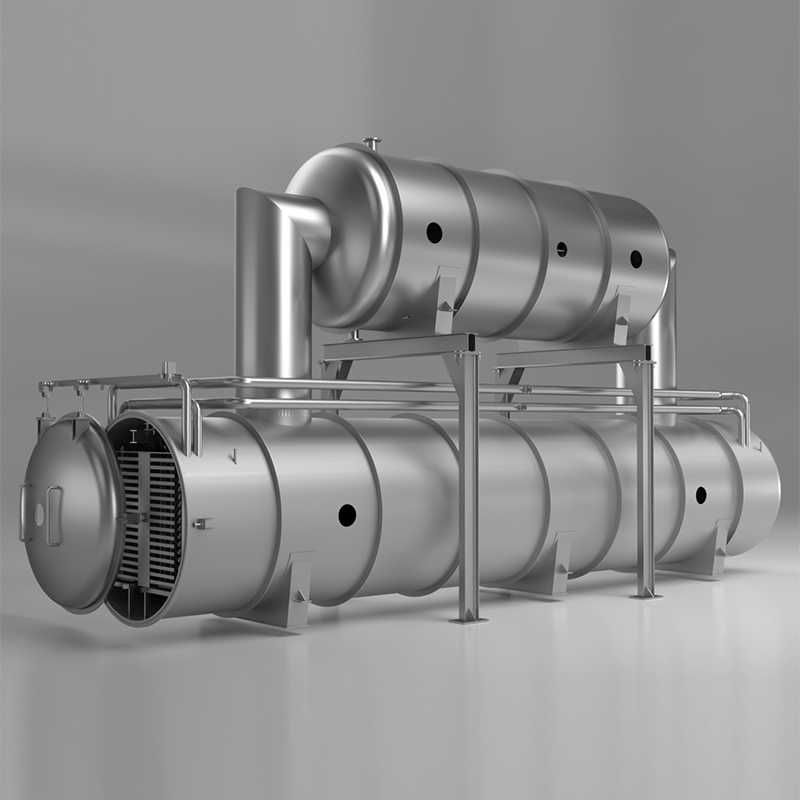
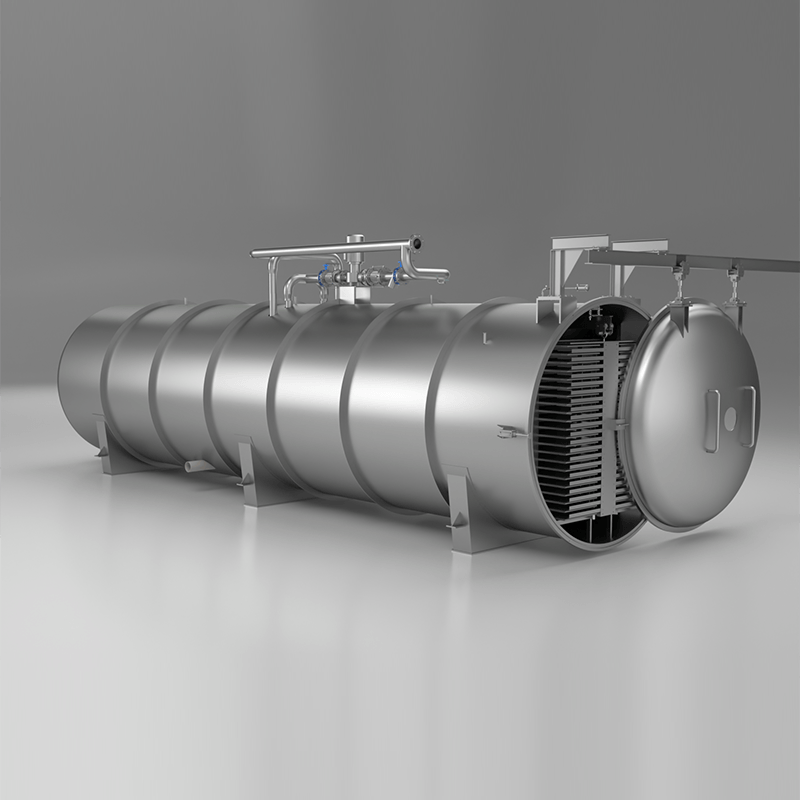
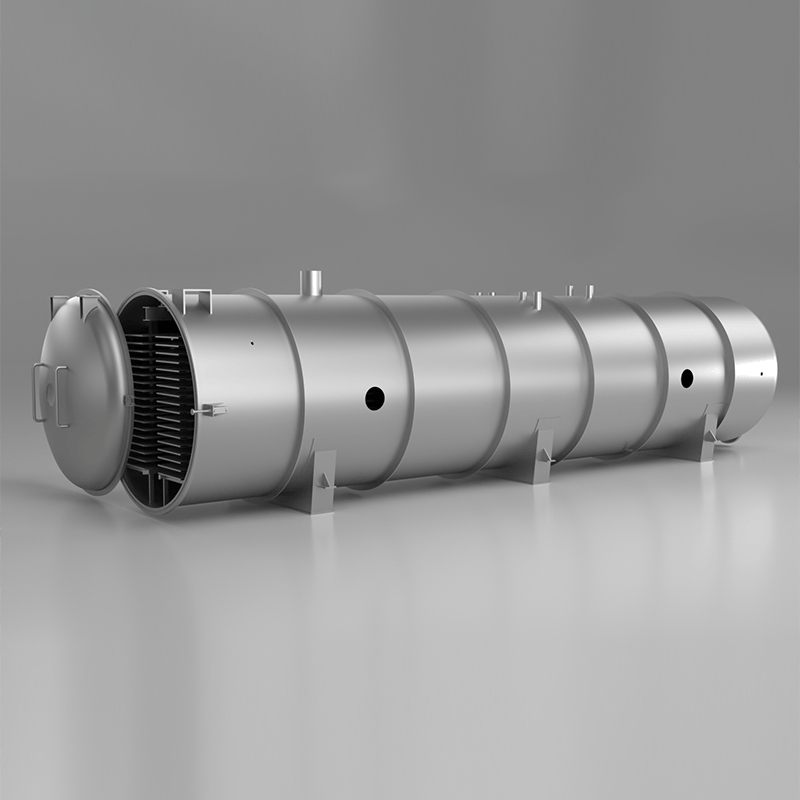
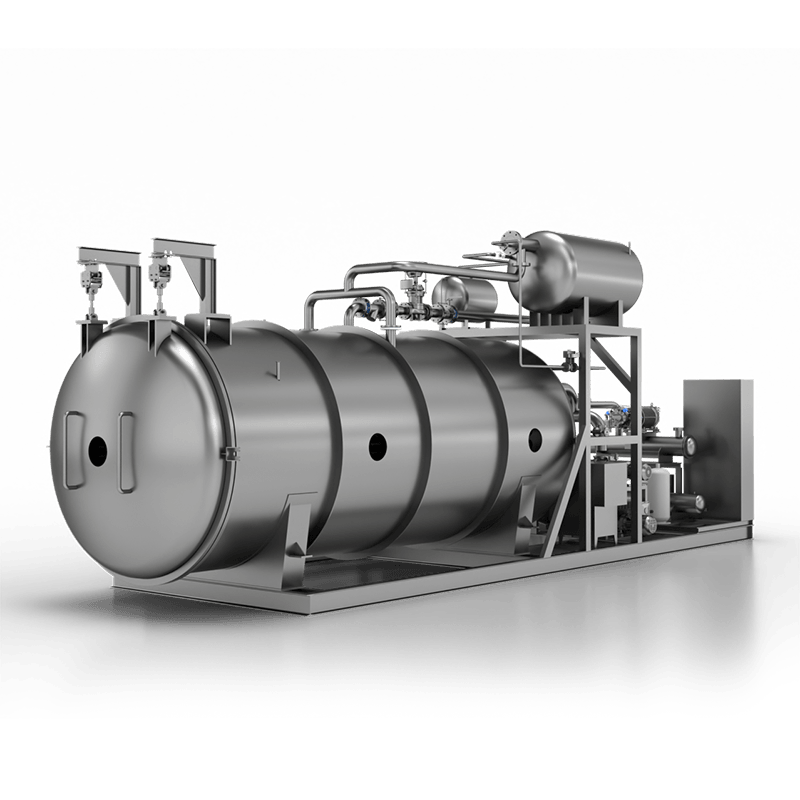
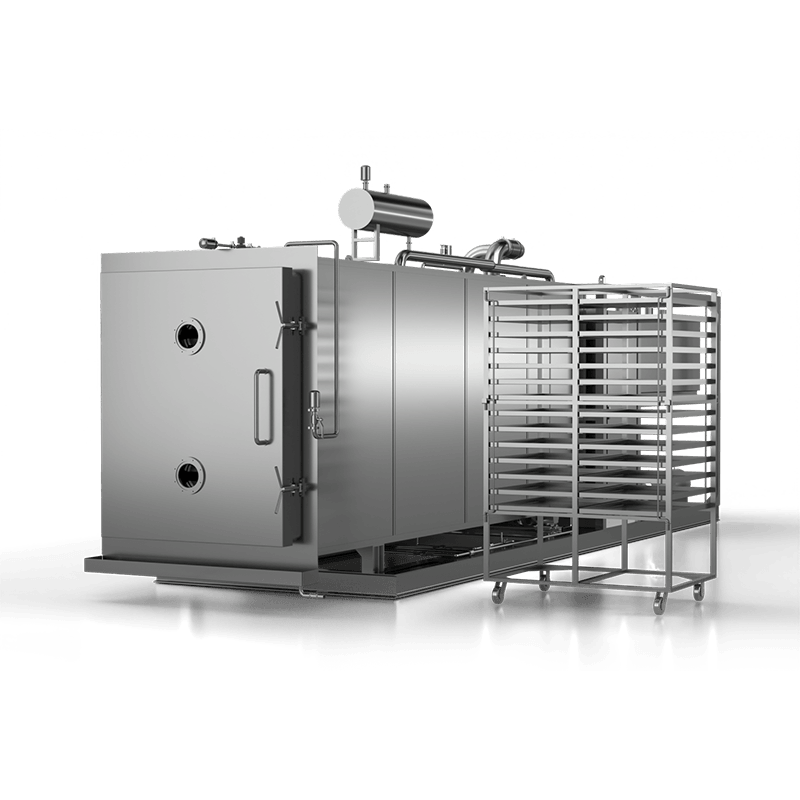
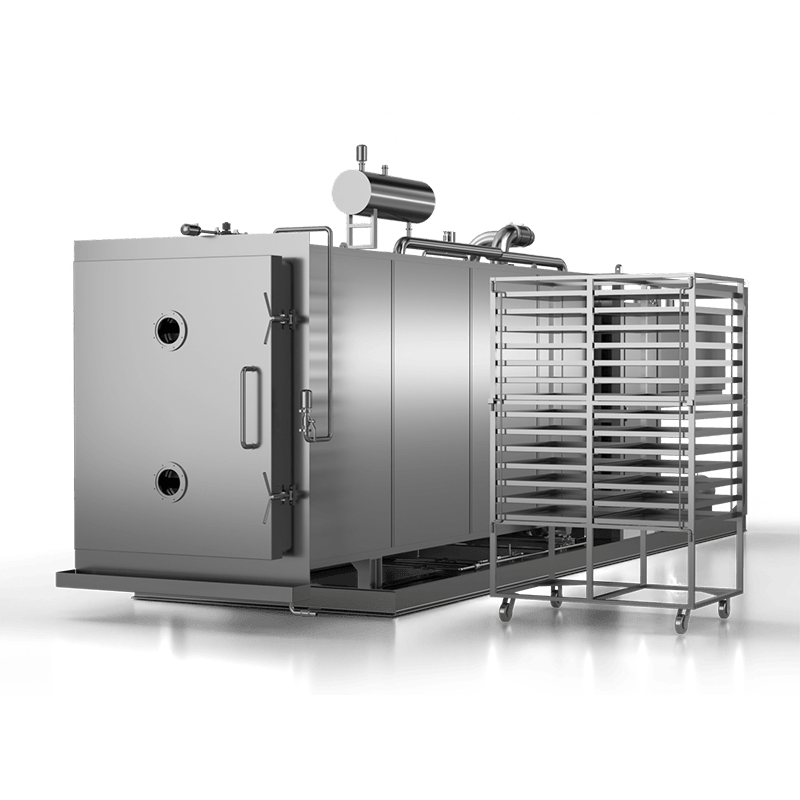
An industrial freeze drying machine is a complex assembly of interconnected systems, each with its own cleaning and maintenance considerations. The primary chamber, often called the condenser or drying chamber, is a large, sealed vessel where the sublimation process occurs. Its interior surface must be of a material and finish that resists corrosion and facilitates cleaning. Inside this chamber are shelves, which are responsible for holding the product and providing the controlled heat necessary for sublimation. These shelves are not solid plates but are typically hollow, allowing a thermal fluid to circulate through them. This fluid is part of a separate system, including pumps, heaters, and a heat exchanger, which requires its own maintenance schedule. Another critical internal component is the condenser, which can be located within the same vessel as the shelves or in a separate chamber. The condenser consists of coils or plates that are chilled to very low temperatures, often below -50°C, to capture the water vapor as ice. The refrigeration system that cools the condenser is a complex loop of compressors, condensers, and evaporators, representing a major maintenance area. Finally, a vacuum system, typically using large pumps like rotary vane or scroll pumps backed by diffusion or roots blowers, is connected to the chamber to achieve the low pressures required for sublimation. The design and accessibility of these core components are central to the ease of cleaning and maintenance.
The ease of cleaning an industrial freeze drying machine is fundamentally linked to the materials used in its construction. The interior of the chamber, the shelves, and the condenser surfaces are almost universally fabricated from stainless steel, typically grade 316L for its corrosion resistance and compatibility with cleaning agents. The surface finish of this steel is a key factor. A smoother surface provides fewer microscopic crevices where product residue, microorganisms, or cleaning chemicals can accumulate. Manufacturers often specify a surface finish measured in Ra (roughness average), with lower values indicating a smoother surface. A highly polished finish, while more costly, can reduce the time and effort required for cleaning and validation. Welds are another critical point; they must be smooth, continuous, and free of pits or crevices to prevent contamination traps. The design also aims to eliminate dead legs or areas where fluid can stagnate. All internal surfaces should be designed for complete drainage, ensuring that both cleaning solutions and product condensate can be fully removed from the system. This focus on sanitary design principles is the first step in making the internal structure manageable for routine cleaning.
The main chamber and the product shelves present distinct cleaning challenges. The chamber itself is a large, enclosed space that is difficult to access manually. For this reason, most modern industrial units are designed for Clean-In-Place (CIP) systems. A CIP process involves circulating cleaning solutions, such as caustic soda for removing organic residues and acidic solutions for removing mineral scale, through the machine without disassembly. The effectiveness of a CIP cycle depends on the proper placement of spray balls or nozzles to ensure the cleaning solution reaches all internal surfaces. The shelves are a more complex problem. While their top surfaces are directly exposed, the undersides and the support structure can be shadowed from CIP sprays. Furthermore, the internal channels of the shelves where the thermal fluid circulates are isolated from the product zone and cannot be cleaned with the same CIP cycle. These channels can become fouled by degradation of the thermal fluid over time, requiring a separate, often more involved, cleaning procedure or, in some cases, replacement of the fluid. Any spills or product explosions inside the chamber can create a substantial cleaning burden, potentially requiring manual intervention if the residue is too thick for the CIP system to handle effectively.
The condenser in a freeze dryer is a low-maintenance component in terms of routine cleaning because it operates under a deep vacuum and at very cold temperatures, conditions that are not conducive to microbial growth. Its primary maintenance need is defrosting. Over the course of a cycle, a thick layer of ice builds up on the condenser coils or plates. This ice must be removed to restore the condenser's capacity for the next run. This is typically done by warming the condenser at the end of the cycle, allowing the ice to melt and drain away. The design of the condenser and its drainage system is important to ensure this meltwater is removed efficiently and completely. The refrigeration system that cools the condenser, however, requires more active maintenance. This includes regular checks of refrigerant levels and pressures, inspection of compressor oil, and cleaning of the external air-cooled condenser or maintenance of the water-cooling tower. A failure in the refrigeration system can halt production, so its components, such as compressors, valves, and sensors, are subject to scheduled inspection and replacement according to the manufacturer's recommendations.
The vacuum system is arguably one of the most maintenance-intensive parts of a freeze drying maching. The pumps used to achieve the required low pressure are exposed to water vapor and, in some cases, trace amounts of solvent vapors from the product. This exposure can lead to the degradation of pump oil and internal components. For oil-sealed rotary vane pumps, this means a regular schedule of oil changes and oil filter replacements. The condition of the oil is a good indicator of the system's health; contaminated or emulsified oil reduces pumping efficiency and can lead to premature pump wear. The backing pumps, which support the high-vacuum pumps, also require similar attention. Maintenance tasks include checking and replacing vanes, inspecting seals, and ensuring proper cooling. Modern systems often incorporate cold traps or mist eliminators to protect the pumps from excessive water vapor, but these traps themselves require periodic defrosting and cleaning. The complexity and sensitivity of the vacuum system mean that its maintenance requires specialized knowledge and adherence to a strict schedule to ensure reliable operation.
| Component | Primary Cleaning Requirement | Primary Maintenance Requirement |
|---|---|---|
| Drying Chamber & Shelves | CIP system effectiveness; manual cleaning for spills | Shelf fluid system integrity; seal and gasket inspection |
| Condenser | Periodic defrosting and drainage | Ensuring efficient ice meltwater removal |
| Refrigeration System | Cleaning external condensers or cooling towers | Compressor checks, refrigerant level monitoring, leak checks |
| Vacuum System | Cleaning of inlet traps and mist eliminators | Frequent oil and filter changes; vane and seal replacement |
Beyond the inherent properties of the components, the overall design of the machine dictates how easy it is to maintain. Accessibility is a key design principle. Critical components like vacuum pumps, valves, and sensors should be located where they can be easily accessed for inspection, repair, or replacement without requiring the disassembly of other major parts. Hinged or removable panels on the machine's housing can facilitate this access. The layout of piping and wiring should be logical and well-labeled to aid technicians during troubleshooting and maintenance procedures. For the chamber itself, larger doors or even split-chamber designs can make manual cleaning or major repairs less cumbersome. Some manufacturers offer modular designs, where entire subsystems, like the refrigeration skid or vacuum pump stack, can be isolated and serviced independently. The inclusion of diagnostic ports and clear access points for measuring temperature, pressure, and vacuum levels also simplifies the process of troubleshooting and performance verification. A machine that is well-designed from a serviceability standpoint reduces the time and labor costs associated with its upkeep.
Modern industrial freeze dryers incorporate a high degree of automation, which directly impacts cleaning and maintenance routines. The control system manages the entire CIP process, automating the sequence of rinses, caustic washes, acid washes, and final sanitization based on pre-programmed recipes. This ensures consistency and repeatability, reducing the potential for human error. For maintenance, these systems are equipped with a suite of sensors that monitor the health of the equipment. Alarms can be triggered for conditions like low vacuum pump oil pressure, high refrigerant pressure, or a deviation in shelf temperature. Data logging capabilities allow operators and maintenance personnel to track performance trends over time, enabling predictive maintenance. For example, a gradual increase in the time it takes to pull down to the target pressure might indicate a developing issue with the vacuum pumps. By providing this level of insight, automation helps to move maintenance from a purely reactive schedule to a more predictive and efficient model, ultimately reducing unplanned downtime.
When evaluating the ease of maintenance, it is useful to consider the different types of freeze dryer designs. A basic, smaller-scale unit might have a simpler configuration but could require more manual intervention. A large, pharmaceutical-grade industrial freeze drying machine will have a more complex CIP system and advanced automation, which adds to the initial cost but substantially reduces the hands-on labor for cleaning. The choice of vacuum technology also has a large impact. A system using traditional oil-sealed pumps will have a high and frequent maintenance burden related to oil changes. In contrast, a system equipped with modern dry pumps, such as scroll or screw pumps, eliminates the need for oil changes entirely. While dry pumps have a higher upfront cost and different maintenance needs, they represent a substantial reduction in routine maintenance tasks and the handling of contaminated oil waste. The choice between these options represents a trade-off between capital expenditure and ongoing operational effort, a key consideration in the total cost of ownership of the equipment.


Sieno's whole series of freeze-drying equipment, covering the experimental research to the industrial scale, is energy efficient, stable, and reliable, with flexible customization as the core, to production, optimization of process, and multiple fields with green manufacturing solutions.
Sieno, based on the research of intelligent freeze-dried food, provides with custom process for the whole chain of freeze-dried technology support (including pretreatment, freeze-dried, and packaging), helping enterprises realize multiple improvements in efficiency, quality, and environmental protection.
Equiment & Soiution
Food Industry Pharmaceuticals Industry Agricultural Industry Pet Industry Beauty Care Industry Chemical Engineering & Laboratory Environmental Protection & Circular EconomyContact Info.
 +86 18068757376
  bolaike@jsblk.com
  Zhenglu Town, Tianning District, Changzhou City, Jiangsu Province, China
Follow Us
Copyright ©
Sieno Freeze-drying Technology Research Institute (Jiangsu) Co., Ltd
All Rights
Reserved
Custom One-Stop Freeze Drying Equipment Suppliers