English
  русский
  中文简体
中文简体 
Request a Quote

Industry News
 Home / Recent News / Industry News / How can the unit energy consumption of a freeze drying system be reduced under continuous production conditions?
  2026.02.26
 Industry News
Reducing unit energy consumption in a freeze drying system operating under continuous production conditions requires a structured understanding of where and how energy is used. In industrial freeze drying, energy is primarily consumed by refrigeration compressors, vacuum pumps, heating shelves, and auxiliary systems such as control units and condensers. Under continuous production, these components operate for extended periods without long idle intervals, which increases cumulative energy demand. Unit energy consumption is typically expressed as energy used per kilogram of dried product, and it is influenced by process design, loading efficiency, thermal transfer rate, and operational stability.
In a continuous environment, fluctuations in feed rate, product thickness, and moisture content can alter sublimation efficiency. If not carefully managed, these variations may lead to higher refrigeration loads or prolonged drying cycles. Therefore, reducing energy use per unit output depends not only on equipment selection but also on process coordination and system integration.
The sublimation phase of freeze drying is energy-intensive because it requires a stable balance between heat input and vapor removal. If heat transfer is insufficient, sublimation slows and cycle time increases. If excessive heat is applied, product quality may be affected, and additional cooling demand may arise. Improving the thermal contact between product trays and heating shelves can reduce the time required for primary drying. Uniform shelf temperature distribution and calibrated heating control minimize localized overheating and unnecessary refrigeration compensation.
Continuous production environments benefit from precise thermal mapping. By ensuring that each batch entering the chamber experiences similar thermal conditions, variability is reduced and the freeze drying system can operate closer to its designed efficiency range. Improved insulation of chamber walls and piping further decreases heat leakage, lowering the refrigeration load and stabilizing vacuum conditions.
The refrigeration unit is one of the largest energy consumers in a freeze drying system. Under continuous operation, compressors may run for extended durations, especially during peak sublimation stages. Energy reduction strategies include variable frequency drives for compressors, staged cooling control, and optimized condenser temperature management. By adjusting compressor speed according to real-time vapor load, energy consumption can be aligned with actual process requirements rather than operating at constant maximum capacity.
Another approach involves improving condenser surface area utilization. When ice accumulation reduces heat exchange efficiency, compressor workload increases. Scheduled defrost cycles coordinated with production flow prevent excessive ice buildup while avoiding unnecessary downtime. In an integrated freeze drying system, refrigeration and vacuum subsystems communicate through centralized control logic, allowing coordinated load balancing and reducing redundant energy use.
Maintaining low pressure during sublimation requires continuous operation of vacuum pumps. Energy savings can be achieved by selecting pump types that match vapor load characteristics. Dry screw pumps or multi-stage roots systems may provide better efficiency under stable vapor flow conditions compared to traditional oil-sealed pumps in certain applications. Additionally, leak detection and sealing maintenance are essential. Even minor air ingress increases pump workload and extends drying time.
In continuous production, load variation between successive batches can create pressure instability. Installing buffer chambers or using pressure-regulated valves helps maintain consistent vacuum levels. By stabilizing pressure fluctuations, the system avoids unnecessary pump acceleration and reduces total energy demand per unit product.
Cycle time directly influences unit energy consumption. The longer the drying cycle, the more energy is consumed per kilogram of output. Standardizing product preparation steps such as filling depth, freezing rate, and pre-treatment conditions contributes to predictable sublimation behavior. Controlled nucleation techniques can promote uniform ice crystal formation, which facilitates vapor flow during primary drying.
Continuous freeze drying lines benefit from predictive modeling tools that estimate optimal shelf temperature and chamber pressure combinations. By maintaining the process within defined thermal limits, drying time can be shortened without compromising structural stability. An intelligent freeze drying solution integrates historical production data with real-time monitoring to adjust parameters dynamically, helping maintain consistent energy performance across varying product types.
Automation plays a central role in reducing energy consumption under continuous production conditions. Sensors monitoring temperature, pressure, and moisture levels provide data that can be analyzed to identify inefficiencies. An intelligent freeze drying solution uses algorithms to regulate heating, cooling, and vacuum intensity in response to real-time feedback. This prevents excessive energy input during transitional phases such as loading and unloading.
In an integrated freeze drying system, centralized control platforms synchronize refrigeration, heating, and vacuum operations. For example, compressor capacity can be reduced once sublimation rate declines toward the end of primary drying. Similarly, secondary drying temperature ramps can be managed to avoid abrupt thermal shifts that increase refrigeration compensation requirements. Such coordination reduces overlapping energy consumption among subsystems.
Under continuous production conditions, idle time between batches increases unit energy consumption because refrigeration and vacuum systems often remain active. Designing conveyor-based loading systems or dual-chamber configurations helps maintain production continuity. When one chamber is unloading, another can begin the freezing stage, allowing refrigeration units to operate within a stable range rather than cycling repeatedly.
Maximizing tray utilization also contributes to energy efficiency. Partial loads waste available thermal capacity and extend the time required to reach target pressure levels. Production planning that aligns batch size with equipment capacity ensures that the freeze drying system operates near its designed throughput.
Continuous production environments generate significant amounts of waste heat from compressors and vacuum pumps. Instead of dissipating this heat into the environment, recovery systems can redirect it to preheat incoming product or maintain ambient room temperature. Heat exchangers installed in compressor discharge lines capture thermal energy that can be reused in auxiliary processes.
The following table illustrates potential areas for energy recovery within a continuous freeze drying system:
| Energy Source | Recovery Method | Application Area | Impact on Unit Energy Use |
| Compressor Discharge Heat | Heat Exchanger Loop | Preheating Feed Solution | Reduces External Heating Demand |
| Vacuum Pump Exhaust | Thermal Capture Module | Facility Space Heating | Lowers Auxiliary Energy Load |
| Condenser Cooling Water | Closed-Loop Circulation | Secondary Process Heating | Improves Overall Energy Utilization |
By incorporating these measures, facilities can reduce total plant-level energy intensity, which in turn lowers the calculated unit energy consumption of the dried product.
The structural design of a freeze drying system influences thermal losses and operational efficiency. Chambers constructed with high-grade insulation materials reduce external heat gain. Minimizing pipe length between refrigeration units and condensers decreases thermal resistance and pressure drops. Compact layouts shorten energy transmission pathways and improve overall coordination.
Modern integrated freeze drying system designs emphasize modular construction. Modular refrigeration units can be activated according to production demand, preventing unnecessary full-capacity operation during low-load periods. Improved gasket materials and sealing technologies also contribute to maintaining vacuum stability with lower pump workload.
Data-driven management is essential for sustained energy reduction. Installing energy meters on compressors, heaters, and pumps provides visibility into consumption patterns. By correlating energy data with batch output, operators can calculate specific energy consumption for each production cycle. Variations can then be traced to operational parameters or equipment conditions.
An intelligent freeze drying solution integrates performance dashboards that highlight deviations from expected energy profiles. Predictive maintenance algorithms identify early signs of compressor inefficiency or vacuum leakage. Addressing these issues promptly prevents gradual increases in unit energy consumption that might otherwise go unnoticed in continuous production settings.
Increasing throughput without considering energy implications may lead to higher instantaneous loads that offset gains in productivity. Therefore, process engineers must balance drying speed with sustainable energy input. Gradual ramp-up strategies during peak production help avoid sudden surges in refrigeration or vacuum demand. Maintaining steady-state operation is often more energy-efficient than frequent start-stop cycles.
Continuous freeze drying facilities that coordinate upstream freezing and downstream packaging operations reduce bottlenecks. When the freeze drying system operates without interruption, energy consumption per kilogram of product stabilizes and becomes more predictable. Integrated scheduling software further supports this coordination by aligning material flow with equipment capacity.
Ambient temperature and humidity affect refrigeration load and condenser efficiency. Facilities located in warmer climates may require additional insulation or climate control systems to maintain stable internal conditions. Monitoring external environmental factors allows operators to adjust system parameters proactively. Water quality used in cooling circuits also influences heat exchange performance, and regular maintenance prevents scaling that can increase energy demand.
Employee training plays a practical role in sustaining energy reduction efforts. Operators familiar with process dynamics are better equipped to respond to deviations without resorting to excessive safety margins in temperature or pressure settings. Through coordinated operational discipline and technological integration, continuous production freeze drying can achieve lower unit energy consumption while maintaining consistent product characteristics.


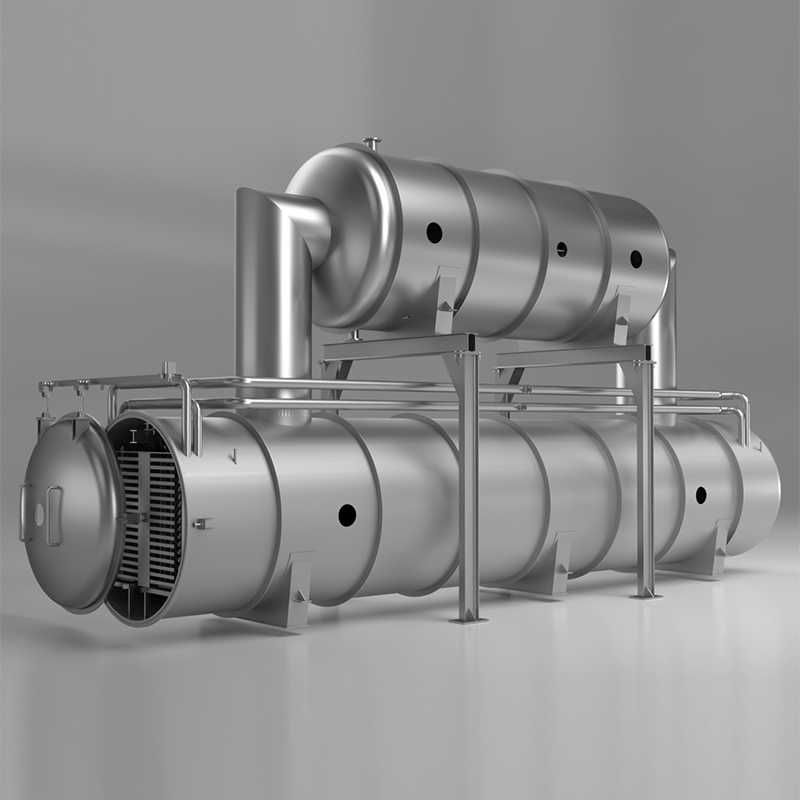
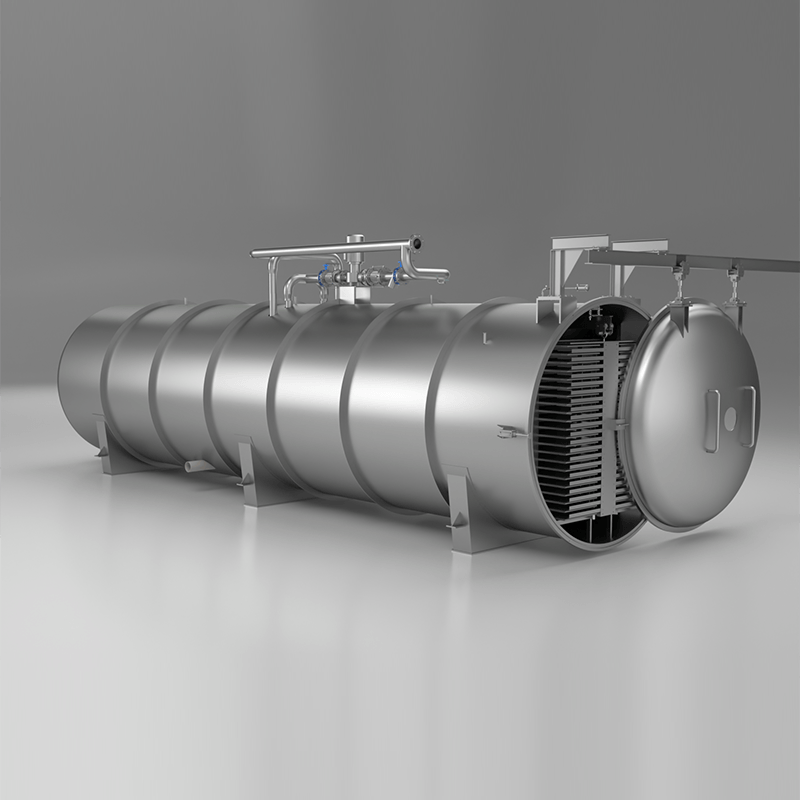
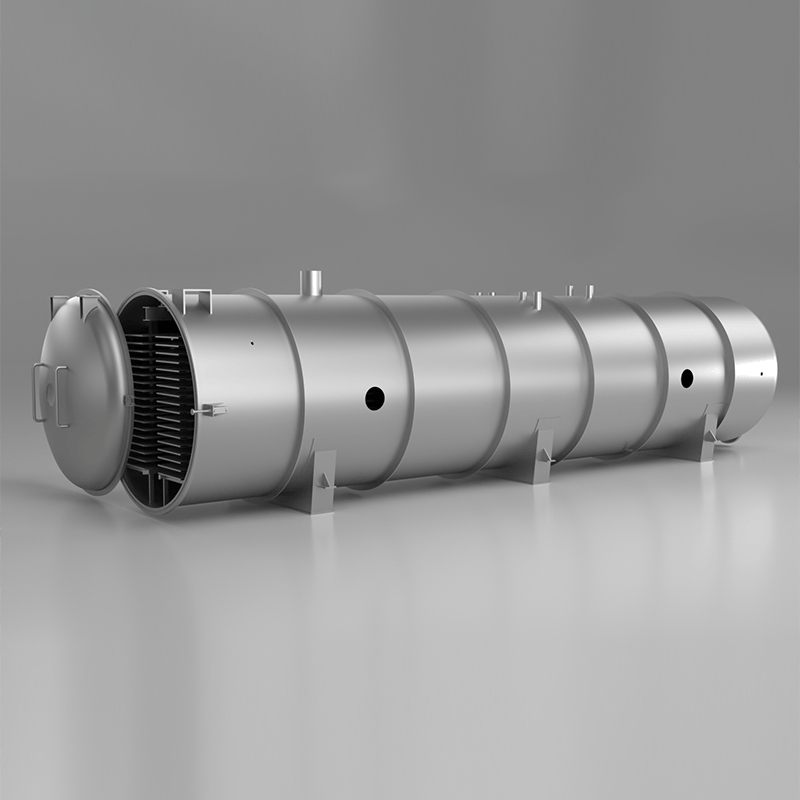
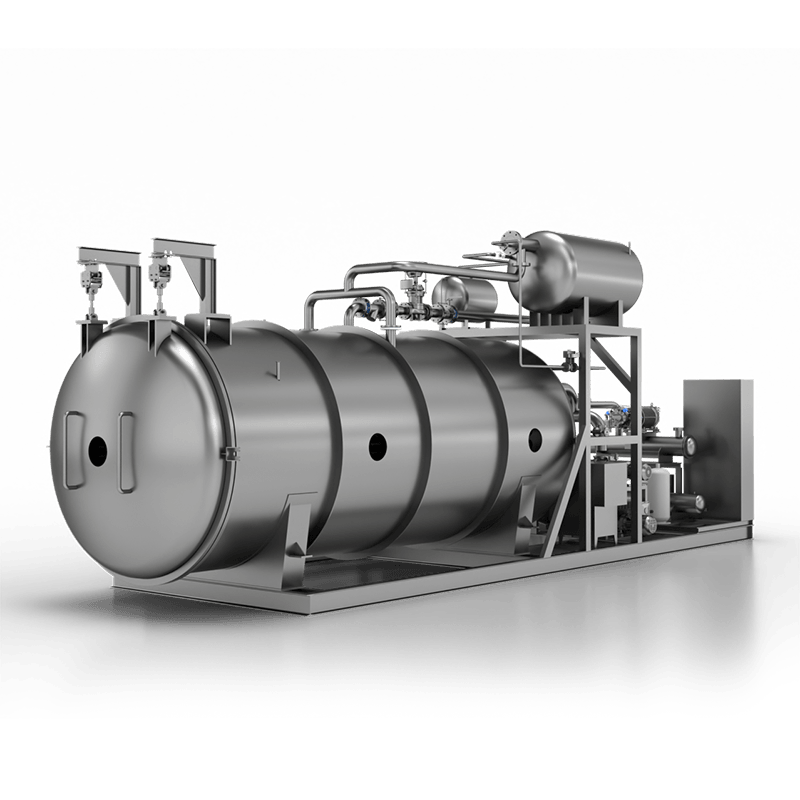
Sieno's whole series of freeze-drying equipment, covering the experimental research to the industrial scale, is energy efficient, stable, and reliable, with flexible customization as the core, to production, optimization of process, and multiple fields with green manufacturing solutions.
Sieno, based on the research of intelligent freeze-dried food, provides with custom process for the whole chain of freeze-dried technology support (including pretreatment, freeze-dried, and packaging), helping enterprises realize multiple improvements in efficiency, quality, and environmental protection.
Equiment & Soiution
Food Industry Pharmaceuticals Industry Agricultural Industry Pet Industry Beauty Care Industry Chemical Engineering & Laboratory Environmental Protection & Circular EconomyContact Info.
 +86 18068757376
  bolaike@jsblk.com
  Zhenglu Town, Tianning District, Changzhou City, Jiangsu Province, China
Follow Us
Copyright ©
Sieno Freeze-drying Technology Research Institute (Jiangsu) Co., Ltd
All Rights
Reserved
Custom One-Stop Freeze Drying Equipment Suppliers