English
  русский
  中文简体
中文简体 
Request a Quote

Industry News
 Home / Recent News / Industry News / Pet Care Freeze Drying Equipment Is Transforming Premium Pet Food Production
  2026.05.21
 Industry News
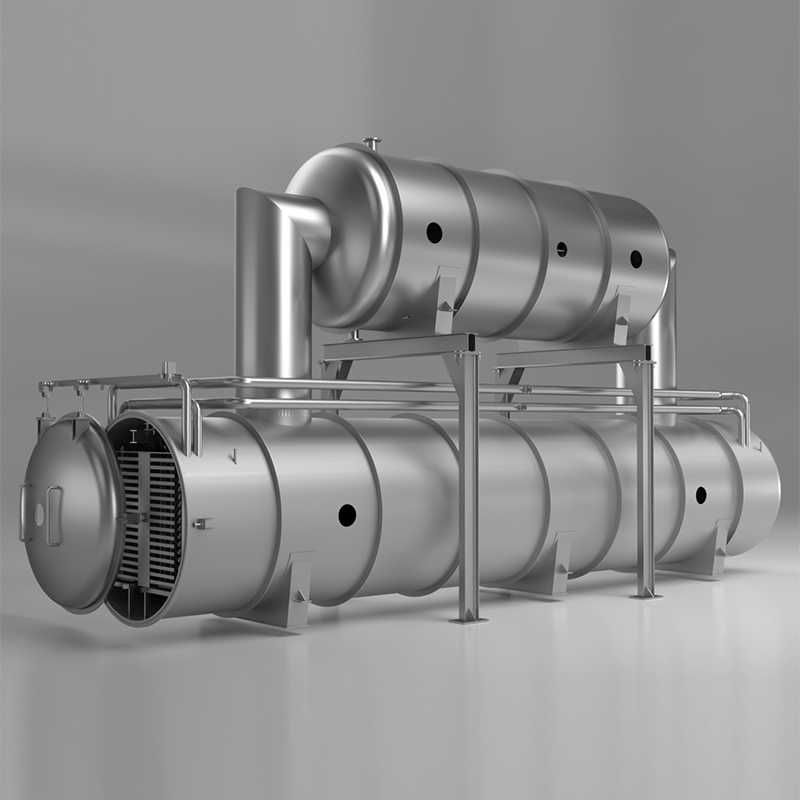
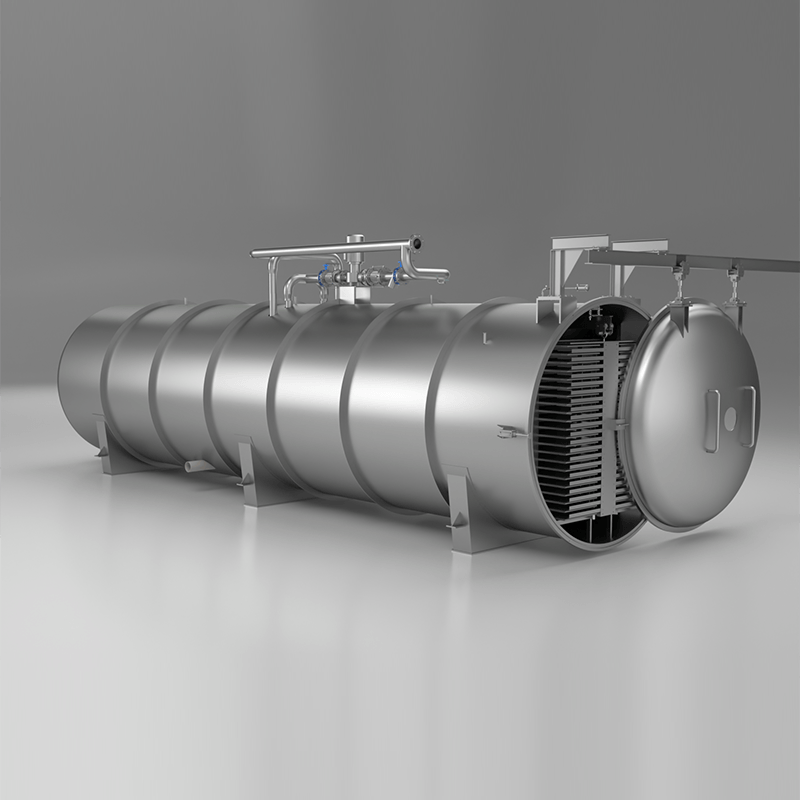
Pet care freeze drying equipment has become one of the most important technologies in modern pet food processing because it preserves nutritional value while extending product shelf life. Compared with conventional drying methods, freeze drying removes moisture at low temperatures through sublimation, helping maintain the original structure, flavor, and nutrients of raw ingredients.
The growing demand for premium pet nutrition has accelerated the adoption of freeze drying systems across pet food manufacturing facilities. Pet owners increasingly prefer products with higher protein retention, fewer preservatives, and improved ingredient transparency. Freeze-dried pet food and treats are often viewed as premium products because they maintain a texture and nutritional profile closer to fresh ingredients.
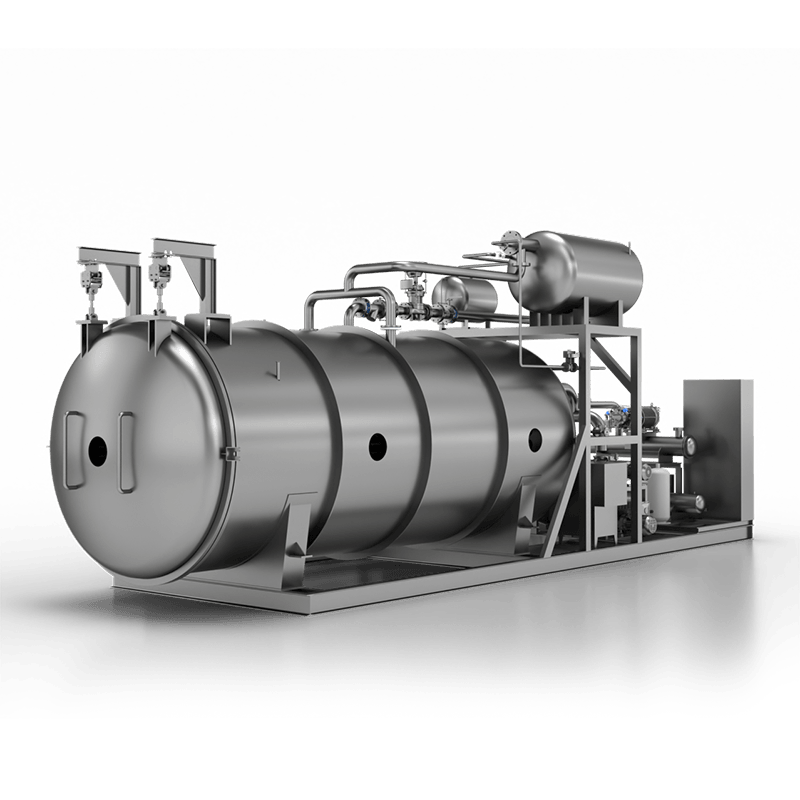
Modern pet care freeze drying equipment combines vacuum systems, low-temperature refrigeration, intelligent control systems, and automated moisture removal processes to produce stable, lightweight, and shelf-ready pet food products. Many manufacturers report that freeze-dried products can retain up to 90% to 97% of original nutrients under optimized processing conditions, making freeze drying highly attractive for high-value pet nutrition applications.
Pet food consumers increasingly focus on ingredient quality, digestibility, and nutritional preservation. Freeze drying technology addresses these demands by processing ingredients under controlled low-temperature conditions instead of exposing them to excessive thermal damage.
Traditional heat drying may degrade vitamins, enzymes, amino acids, and sensitive proteins. Freeze drying minimizes thermal exposure, helping maintain the nutritional integrity of meat, fish, vegetables, and functional ingredients used in pet food.
Freeze drying removes a significant percentage of moisture from food products, greatly reducing microbial growth risk. Properly packaged freeze-dried pet food can achieve shelf lives exceeding 18 to 36 months depending on formulation and storage conditions.
Freeze-dried products maintain porous structures that rehydrate efficiently while preserving natural texture characteristics. This is especially important for premium pet treats and raw-inspired pet diets.
Because moisture removal significantly lowers spoilage risk, manufacturers can reduce dependence on chemical preservatives while maintaining product stability.
| Processing Benefit | Impact on Product Quality | Consumer Advantage |
|---|---|---|
| Low-Temperature Drying | Better nutrient preservation | Higher nutritional value |
| Moisture Removal | Longer shelf life | Reduced spoilage |
| Vacuum Sublimation | Texture retention | Improved palatability |
| Reduced Preservatives | Cleaner ingredient profile | Premium product positioning |
Freeze drying equipment operates through a multi-stage process that removes water from frozen ingredients while minimizing structural damage. The process depends heavily on precise temperature and pressure control.
Raw pet food ingredients are rapidly frozen to preserve cellular structure and prevent excessive ice crystal growth. Typical freezing temperatures range between -40°C and -50°C.
After freezing, the chamber pressure is reduced through vacuum systems. Controlled heat is then applied to convert frozen water directly into vapor without passing through the liquid phase.
Residual moisture is removed during secondary drying to achieve stable moisture levels suitable for long-term storage.
Because freeze-dried products can reabsorb moisture rapidly, protective packaging systems are essential for maintaining product stability and texture.
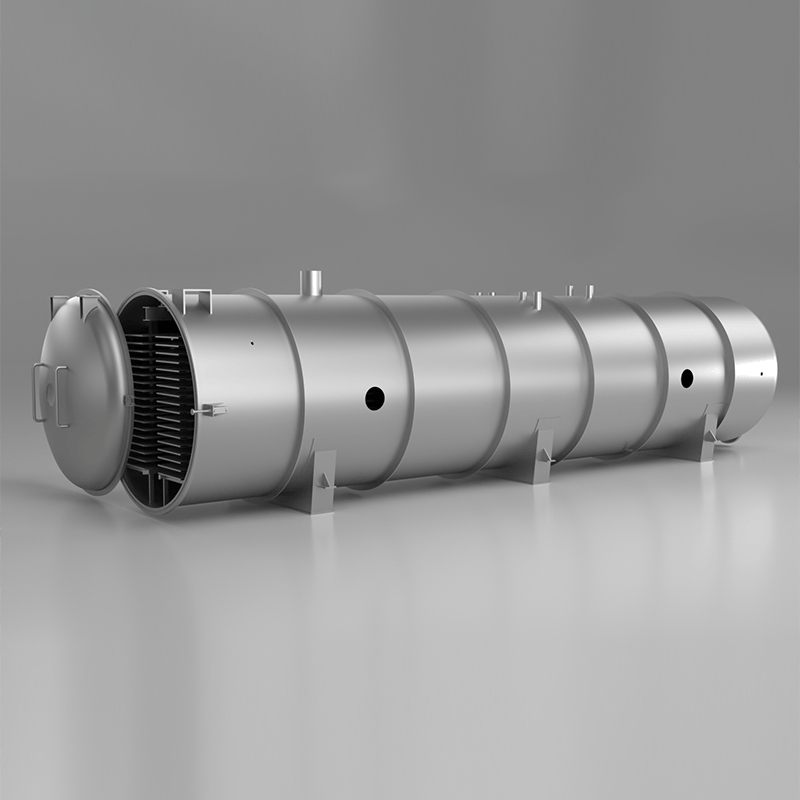
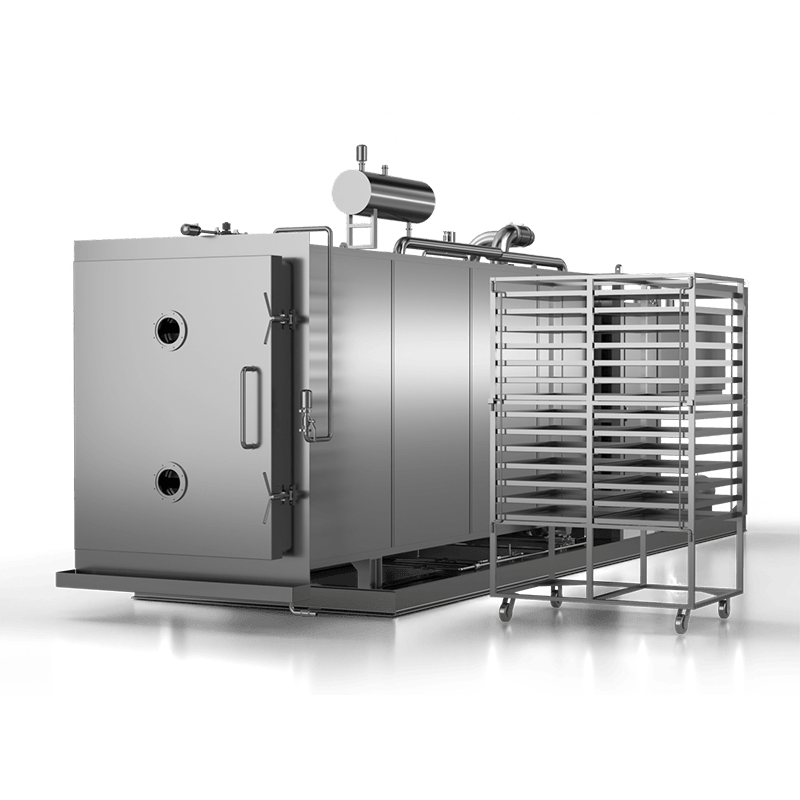
Modern pet care freeze drying equipment is engineered for continuous industrial operation, automated control, and high-volume processing efficiency.
Industrial systems may process hundreds or thousands of kilograms per batch depending on chamber size and product type.
Integrated sensors continuously monitor chamber temperature, product temperature, and pressure conditions to maintain consistent drying performance.
Advanced refrigeration compressors and heat exchange systems improve thermal efficiency while reducing operating costs.
Food-contact surfaces are commonly manufactured using corrosion-resistant materials that support hygienic cleaning and contamination prevention.
| Component | Primary Function | Operational Importance |
|---|---|---|
| Vacuum Pump | Pressure reduction | Supports sublimation |
| Freezing System | Rapid cooling | Protects structure |
| Heating Shelves | Controlled heat transfer | Enables drying |
| Condensers | Capture vaporized moisture | Maintains vacuum efficiency |
| Control System | Process monitoring | Quality consistency |
The pet food industry has expanded far beyond traditional dry kibble products. Freeze drying technology now supports multiple product categories targeting premium nutrition and specialized feeding preferences.
Freeze-dried raw formulations preserve meat proteins and nutrients while improving shelf stability compared with fresh raw products.
Single-ingredient meat treats and seafood products have become popular because freeze drying preserves flavor intensity and texture.
Manufacturers increasingly incorporate probiotics, vitamins, joint-support ingredients, and digestive supplements into freeze-dried pet products.
Specialized formulations for sensitive digestion, weight management, and senior pet nutrition often benefit from freeze drying because nutrient preservation remains high.
Although freeze drying provides major quality advantages, the process requires substantial energy input for freezing, vacuum generation, and controlled heating.
Industrial refrigeration systems account for a large percentage of total power usage. High-efficiency compressors and optimized insulation improve overall energy performance.
Careful loading design and optimized drying cycles improve moisture removal consistency while reducing unnecessary processing time.
Some industrial facilities recover waste heat from refrigeration systems for cleaning water or facility heating applications.
Automated process monitoring reduces labor requirements while improving production consistency and reducing operator errors.
| Factor | Impact on Production | Optimization Strategy |
|---|---|---|
| Freezing Speed | Affects product structure | Rapid freezing control |
| Vacuum Stability | Impacts sublimation efficiency | Regular vacuum maintenance |
| Shelf Temperature | Controls drying rate | Automated monitoring |
| Batch Size | Influences productivity | Balanced chamber loading |
Pet food safety has become a major concern across global markets, leading manufacturers to invest heavily in sanitary processing systems and contamination control.
Automated cleaning systems reduce contamination risks and improve sanitation efficiency between production cycles.
Temperature-controlled processing rooms help maintain stable operating conditions and reduce microbial exposure.
Digital control systems store operational data that supports product traceability and quality verification.
Reduced moisture levels help minimize bacterial growth and support safer long-term storage conditions.
Industrial freeze drying systems require regular maintenance to maintain production stability and protect expensive refrigeration and vacuum components.
Vacuum pumps must maintain stable pressure conditions for efficient sublimation. Oil quality, sealing integrity, and filtration systems require routine inspection.
Moisture condensers accumulate frozen vapor during operation. Regular cleaning improves thermal transfer efficiency and maintains vacuum performance.
Accurate temperature and pressure readings are essential for process consistency. Calibration errors may lead to incomplete drying or product instability.
Vacuum chamber seals prevent pressure leakage and support stable sublimation conditions during long production cycles.
The future of pet care freeze drying equipment is increasingly connected to intelligent manufacturing, automated quality control, and energy optimization technologies.
AI-based systems can analyze drying curves, moisture removal rates, and temperature behavior to optimize production efficiency automatically.
Cloud-based monitoring platforms allow operators to track production conditions, maintenance schedules, and equipment performance remotely.
Manufacturers continue developing larger and more efficient drying chambers to improve productivity without sacrificing product quality.
As energy regulations and environmental standards become stricter, future freeze drying systems are expected to focus heavily on energy recovery, reduced refrigerant impact, and optimized thermal efficiency.
The continued growth of premium pet nutrition markets, combined with consumer demand for minimally processed and nutrient-rich products, is expected to drive long-term investment in advanced pet care freeze drying equipment across global manufacturing industries.


Sieno's whole series of freeze-drying equipment, covering the experimental research to the industrial scale, is energy efficient, stable, and reliable, with flexible customization as the core, to production, optimization of process, and multiple fields with green manufacturing solutions.
Sieno, based on the research of intelligent freeze-dried food, provides with custom process for the whole chain of freeze-dried technology support (including pretreatment, freeze-dried, and packaging), helping enterprises realize multiple improvements in efficiency, quality, and environmental protection.
Equiment & Soiution
Food Industry Pharmaceuticals Industry Agricultural Industry Pet Industry Beauty Care Industry Chemical Engineering & Laboratory Environmental Protection & Circular EconomyContact Info.
 +86 18068757376
  bolaike@jsblk.com
  Zhenglu Town, Tianning District, Changzhou City, Jiangsu Province, China
Follow Us
Copyright ©
Sieno Freeze-drying Technology Research Institute (Jiangsu) Co., Ltd
All Rights
Reserved
Custom One-Stop Freeze Drying Equipment Suppliers