English
  русский
  中文简体
中文简体 
Request a Quote

Industry News
 Home / Recent News / Industry News / Preserving the Brew: Tech Behind Tea Beverages Freeze-Drying Equipment
  2026.06.04
 Industry News
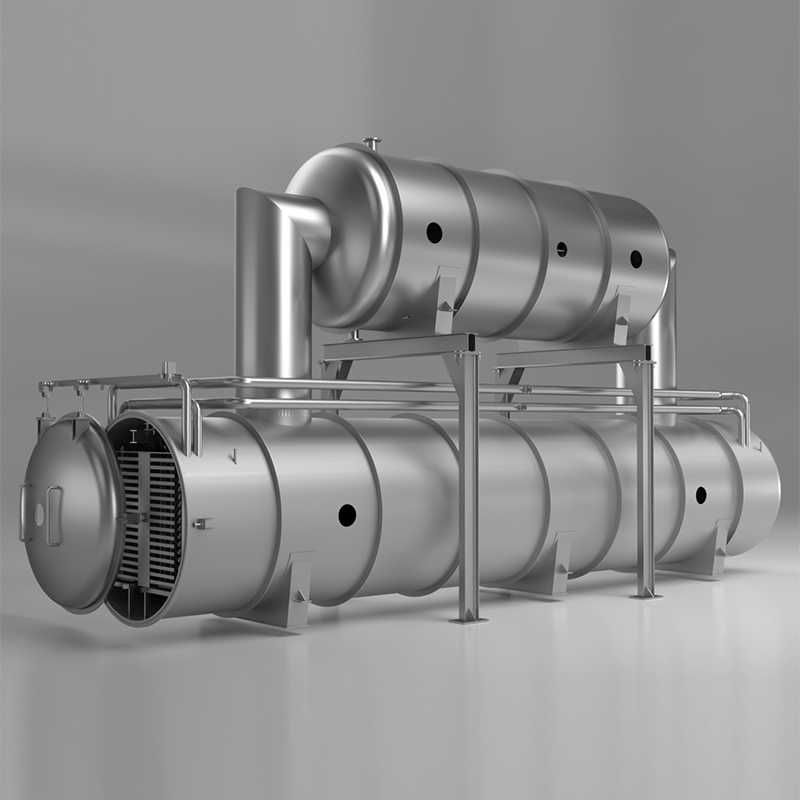
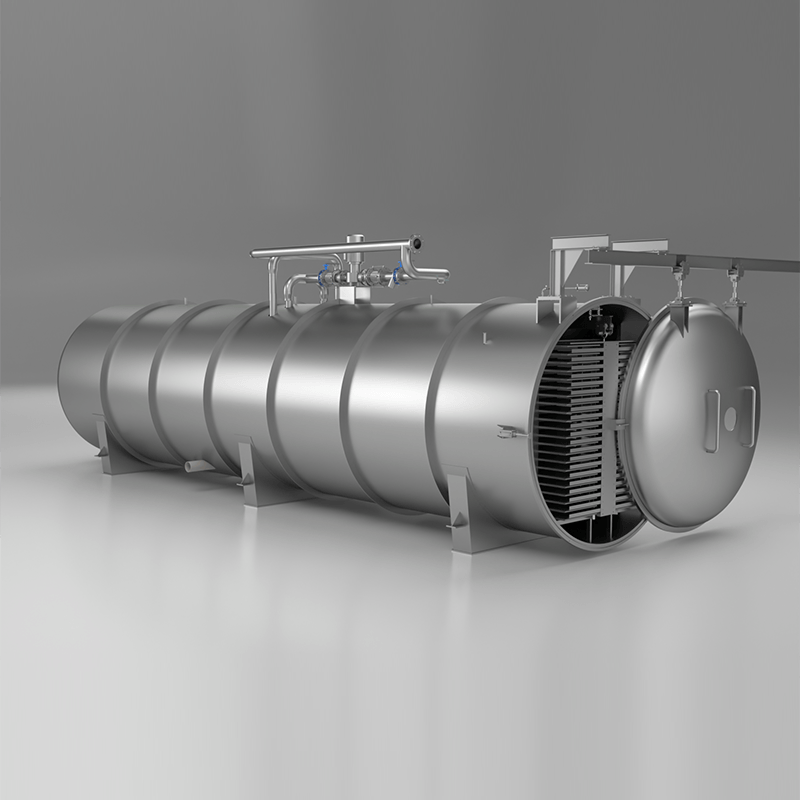
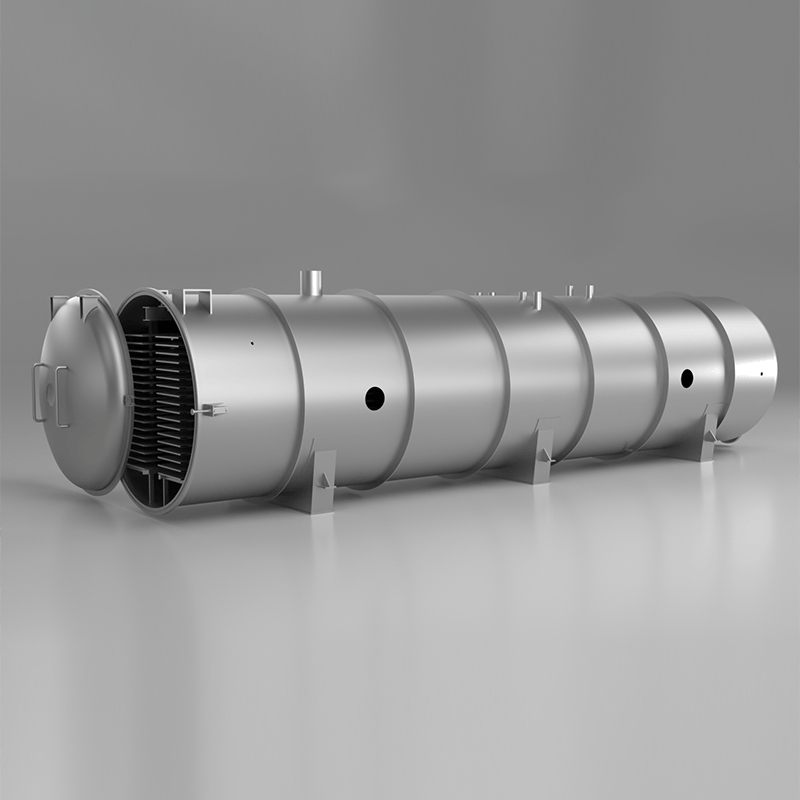
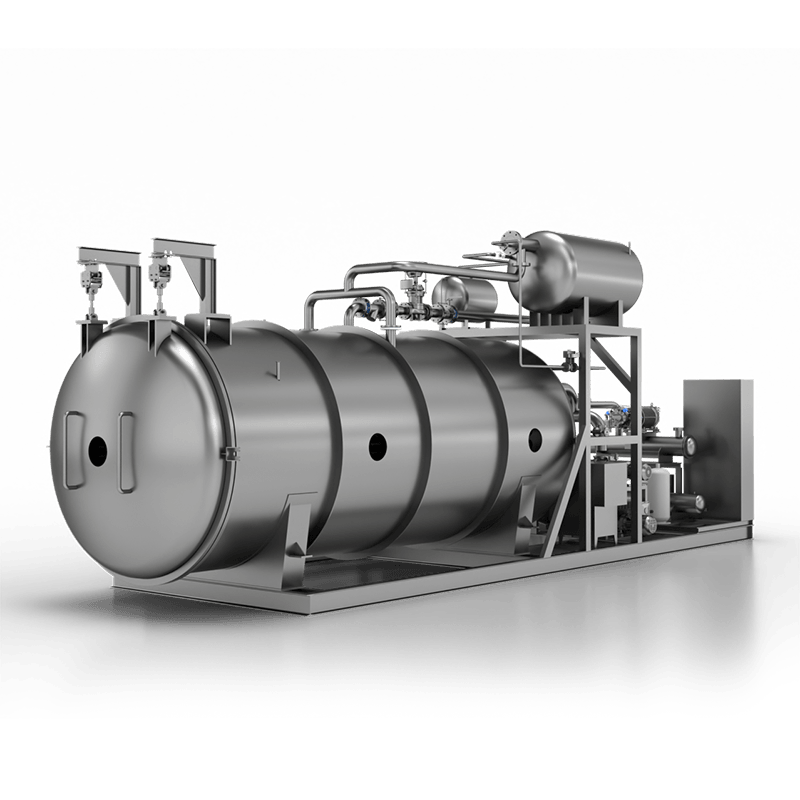
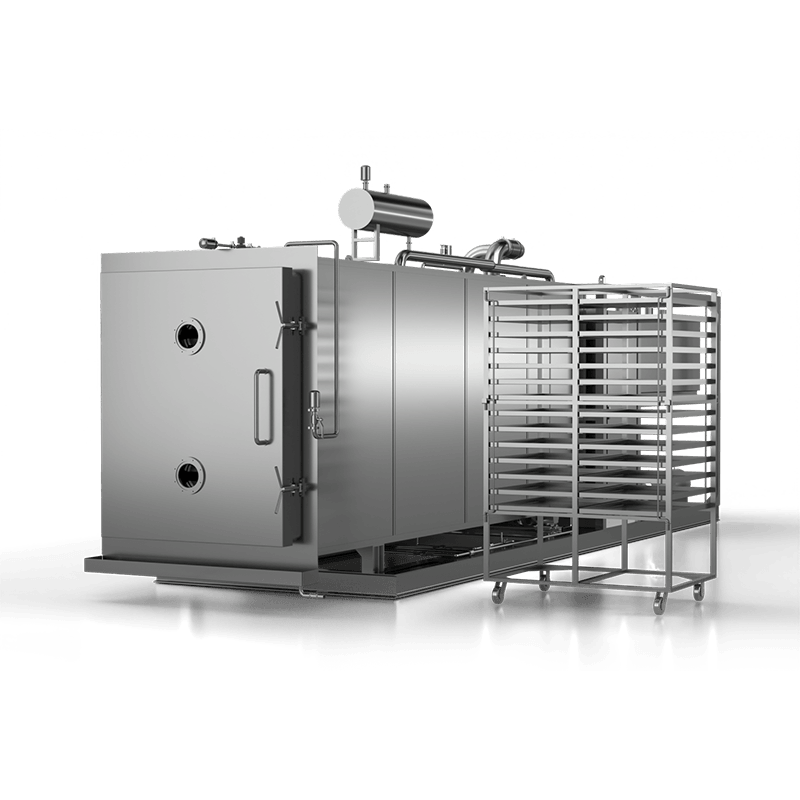
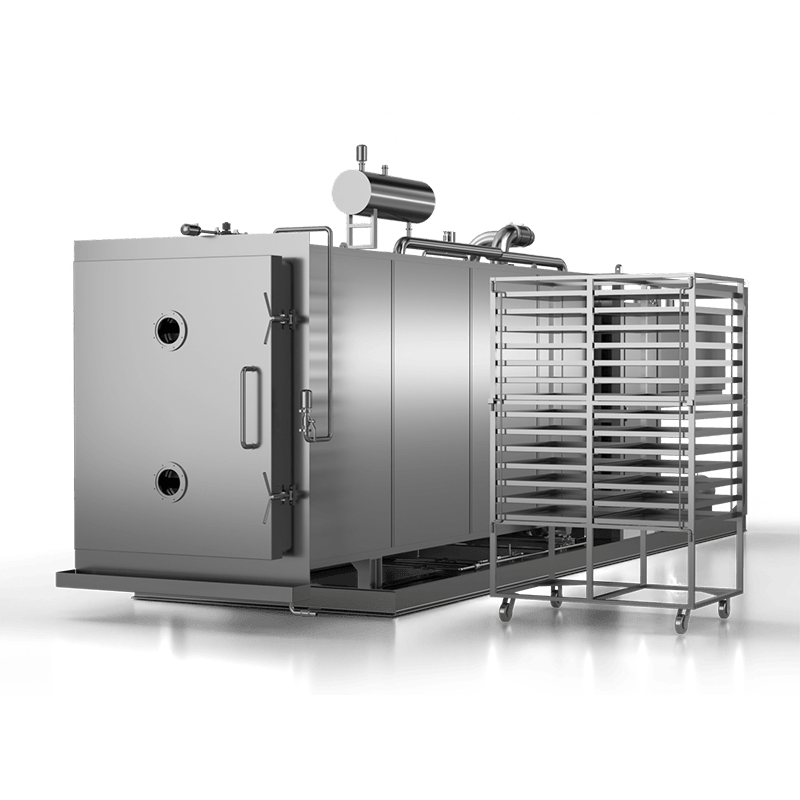
Advanced tea beverages freeze-drying equipment transforms liquid botanical extracts into highly soluble, premium powders while preserving the delicate volatile aromatic compounds, authentic color, and bio-active antioxidants that traditional thermal evaporation destroys. By operating under deep vacuum levels and sub-zero temperatures, this specialized machinery utilizes sublimation to protect the cellular and molecular integrity of the tea matrix, offering the global beverage industry a scalable method to meet the growing consumer demand for clean-label, additive-free instant tea products.
Standard multi-stage thermal concentration methods expose raw liquid tea to temperatures above 60°C for extended periods, causing significant oxidation of polyphenols and the thermal degradation of delicate top-note volatiles like linalool and geraniol. Utilizing dedicated tea beverages freeze-drying equipment avoids this thermal stress entirely, ensuring that the final reconstituted beverage retains the exact sensory profile of a freshly brewed loose-leaf product.
The processing of organic tea substrates within modern industrial systems relies strictly on the physical phenomenon of sublimation, where water passes directly from a solid state (ice) to a gaseous state (vapor) without entering the intermediate liquid phase. This requires precise, computerized control over the internal environmental variables of the processing chamber.
Before the drying cycle begins, the concentrated liquid must be analyzed to determine its specific eutectic temperature, which typically falls between -15°C and -25°C depending on the soluble solid concentration and natural sugar profile of the brew. If the product temperature rises above this critical threshold during the primary drying phase within the tea beverages freeze-drying equipment, structural collapse occurs, resulting in a sticky, unmarketable glaze rather than a porous powder.
During primary drying, the system pressure is lowered to a deep vacuum (often between 0.1 and 0.5 mbar), and controlled radiant heat is introduced through the product shelves. This input of thermal energy supplies the latent heat of sublimation required to drive off the unbound ice crystals. Once all crystalline ice is removed, the secondary drying phase begins, raising shelf temperatures up to 30°C or 40°C under maximum vacuum to desorb bound water molecules from the chemical matrix, reducing final moisture levels to less than 2% to guarantee long-term shelf stability.
Selecting the right processing machinery significantly alters the organoleptic and physical properties of the final soluble powder. While alternative commercial drying processes feature lower initial capital expenditure, they introduce massive compromises in final beverage quality and solubility metrics compared to dedicated tea beverages freeze-drying equipment.
| Drying Methodology | Operating Temperature | Aroma Retention Rate | Rehydration Velocity | Polyphenol Retention |
|---|---|---|---|---|
| Tea Beverages Freeze-Drying Equipment | -40°C to +35°C | 92% – 97% | Immediate (< 5 seconds) | > 95% |
| Spray Drying Systems | 150°C to 200°C (Inlet) | 40% – 55% | Moderate (Requires stirring) | 65% – 75% |
| Vacuum Thermal Drying | 50°C to 80°C | 30% – 45% | Slow (Prone to clumping) | 50% – 60% |
Industrial-grade tea beverages freeze-drying equipment requires unique mechanical specifications to balance high volumetric throughput with gentle product processing. Standard pharmaceutical-grade machinery lacks the overall chamber volume required for food-grade operations, while generic agricultural setups lack the strict temperature controls necessary for delicate beverage formulations.
Because liquid extracts contain a massive volume of moisture per kilogram of dry yield, the integrated vapor condenser must possess an exceptional ice-trapping capacity. For a continuous manufacturing plant, the condenser surface temperature within the tea beverages freeze-drying equipment must consistently drop to -60°C or lower to maintain a vapor pressure gradient steep enough to pull evaporated moisture away from the product trays quickly, optimizing cycle runtimes.
Due to the mildly acidic nature of certain formulations (particularly lemon-infused varieties or fermented kombucha profiles) and the presence of highly staining polyphenols, all internal product contact surfaces within the sublimation machinery must adhere to strict sanitary metrics:
The real-world thermodynamic efficiency of high-capacity tea beverages freeze-drying equipment depends heavily on the preparation steps that happen before the product enters the vacuum chamber. Processors cannot rely on sublimation alone to correct structural defects introduced during the initial extraction phase.
The commercial viability of premium instant products relies heavily on marketing their nutritional equivalence to premium loose-leaf options. High-performance tea beverages freeze-drying equipment excels at keeping active biological molecules structurally intact throughout processing.
Green tea leaves owe their health credentials primarily to catechins, specifically EGCG. In traditional thermal spray dryers, exposure to oxygen and high temperatures causes these catechins to epimerize and oxidize into less bioavailable compounds. Specialized tea beverages freeze-drying equipment operates under an inert, oxygen-depleted vacuum environment, ensuring that 98% of the native catechins remain unoxidized in the finished dry product matrix.
Because sublimation leaves behind microscopic voids where ice crystals once resided, the granules exiting the tea beverages freeze-drying equipment exhibit a highly porous, sponge-like internal structure. When a consumer drops this powder into cold water, capillary action draws water into these micro-voids almost instantaneously. This allows the product to achieve complete, residue-free dissolution in under five seconds, even in ice-cold liquids, providing a distinct competitive edge over dense, spray-dried alternatives.


Sieno's whole series of freeze-drying equipment, covering the experimental research to the industrial scale, is energy efficient, stable, and reliable, with flexible customization as the core, to production, optimization of process, and multiple fields with green manufacturing solutions.
Sieno, based on the research of intelligent freeze-dried food, provides with custom process for the whole chain of freeze-dried technology support (including pretreatment, freeze-dried, and packaging), helping enterprises realize multiple improvements in efficiency, quality, and environmental protection.
Equiment & Soiution
Food Industry Pharmaceuticals Industry Agricultural Industry Pet Industry Beauty Care Industry Chemical Engineering & Laboratory Environmental Protection & Circular EconomyContact Info.
 +86 18068757376
  blk@jsblk.com
  Zhenglu Town, Tianning District, Changzhou City, Jiangsu Province, China
Follow Us
Copyright ©
Sieno Freeze-drying Technology Research Institute (Jiangsu) Co., Ltd
All Rights
Reserved
Custom One-Stop Freeze Drying Equipment Suppliers