English
  русский
  中文简体
中文简体 
Request a Quote

Industry News
 Home / Recent News / Industry News / Freeze Dryer vs Dehydrator for Food Production: Choosing a Lyophilizer
  2026.08.12
 Industry News
Every food producer eventually faces the same question: should the new preservation line use a freeze dryer or a dehydrator? The short answer is that they are not interchangeable. A freeze dryer, or lyophilizer, removes water by sublimation at low temperature under vacuum. A dehydrator uses heated air to evaporate moisture. If your product's value depends on colour, aroma, nutrients, or fast rehydration, a lyophilizer is the technically stronger choice. If you are producing a low-cost, high-throughput snack where some quality loss is acceptable, dehydration can still be a defensible option. In practice, the decision comes down to product quality, shelf life, energy cost, and how you plan to scale.
Dehydrators circulate air heated to roughly 50–90°C across the product. Water at the surface evaporates, and moisture from the interior migrates outward. Because heat is applied continuously for hours, heat-sensitive vitamins and aroma compounds degrade, and surface drying can form a crust that slows further moisture removal. Most dehydrated products retain 10–20% residual moisture, which is why shelf life typically reaches one to two years, not decades. Shrinkage is normal; a dehydrated strawberry looks and tastes very different from a fresh one.
A lyophilizer first freezes the product to typically -30°C to -50°C, then reduces chamber pressure to roughly 10–30 Pa. Under these conditions, ice changes directly from solid to vapour. The vapour condenses on an ice condenser, also called a process condenser, which keeps the vacuum stable. Primary drying removes most of the free ice, and secondary drying desorbs the remaining bound water. Final residual moisture usually reaches 1–3%, which is why properly packaged freeze-dried food can remain stable for 20 years or more. Because the product never melts and never gets hot, its structure, colour, aroma, and most nutrients stay largely intact.
| Factor | Dehydrator | Freeze dryer (lyophilizer) |
|---|---|---|
| Water removal | Evaporation by heated air | Sublimation of ice under vacuum |
| Residual moisture | 10–20% | 1–3% with secondary drying |
| Typical shelf life | 1–2 years in proper packaging | 20+ years in sealed packaging |
| Nutrient retention | Moderate; heat-sensitive vitamins degrade | High; low temperature protects nutrients |
| Texture and shape | Shrinkage, denser, often leathery | Original shape and porous structure retained |
| Rehydration | Slow; requires soaking or cooking | Fast; often minutes in cold water |
| Batch time | 6–12 hours typical | 20–40 hours including freezing |
| Energy per kg water | Lower | Higher, but falls with scale |
| Capital cost | Low to moderate | High, with wide range by size |
| Best suited for | Jerky, herbs, seeds, commodity dried fruit | Premium fruit, ready meals, coffee, pet food, active ingredients |
Read the table from the perspective of your product, not just the equipment. Freeze drying wins on quality and shelf life; dehydration wins on simplicity and lower upfront cost. The energy comparison matters most when you calculate cost per kilogram of water removed, because lyophilization combines refrigeration load, vacuum load, and condenser duty in every batch.
Dehydrators remain practical in specific production scenarios: jerky and whole-muscle meats, dried herbs, seed snacks, and commodity dried fruit where a chewy or leathery texture is expected. If your margin depends on low capital investment, short drying cycles, and simple operation, and your customer does not require fresh-like rehydration, a well-designed dehydrator is a pragmatic choice.
Also consider the limitations. Products with high oil content, such as oily fish, or very high sugar content, such as ripe mango, dry unevenly in simple dehydrators without careful control of temperature and airflow. Case hardening, colour darkening, and loss of volatile aromas are the most common commercial complaints. If any of these problems would hurt your product, dehydration may not be the low-risk option it first appears to be.
Freeze drying becomes the right decision when the premium you can charge, or the shelf-life requirement you must meet, offsets the higher equipment and energy cost. The clearest examples are freeze-dried berries for breakfast and bakery products, freeze-dried instant coffee, ready-to-eat meals and soups for outdoor and emergency rations, probiotics, and other heat-sensitive ingredients. In these categories, the price gap between conventionally dried and freeze-dried products is large enough to support the investment.
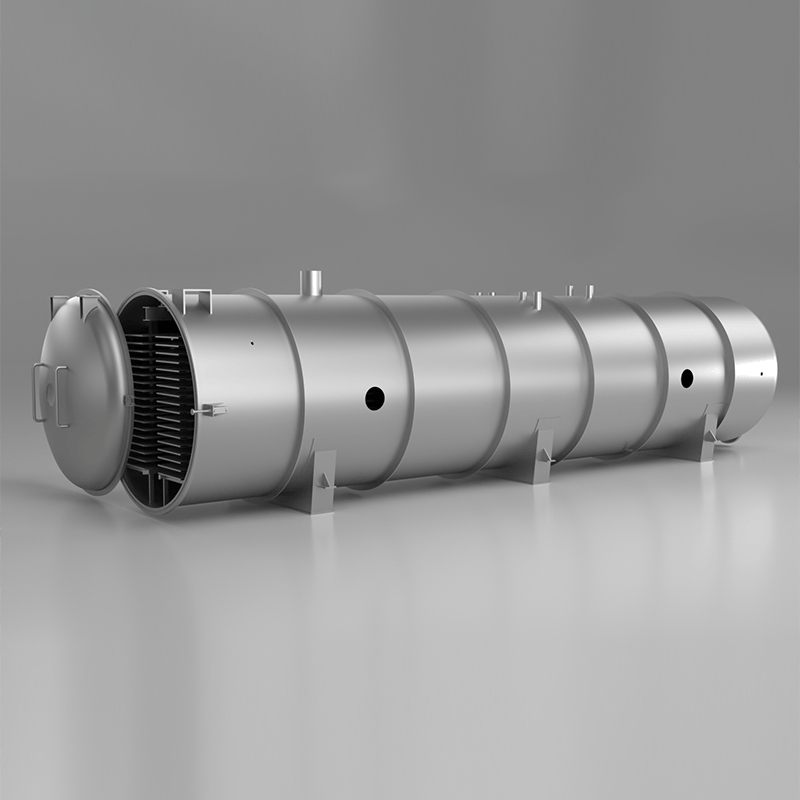
For a fruit or vegetable line, the difference shows up immediately in the finished piece. A vacuum freeze dryer for fruits and vegetables can hold colour and cell structure through a 30-hour cycle, producing pieces that rehydrate to nearly fresh texture in cold water. That is the property that justifies the premium in retail and food-service markets.
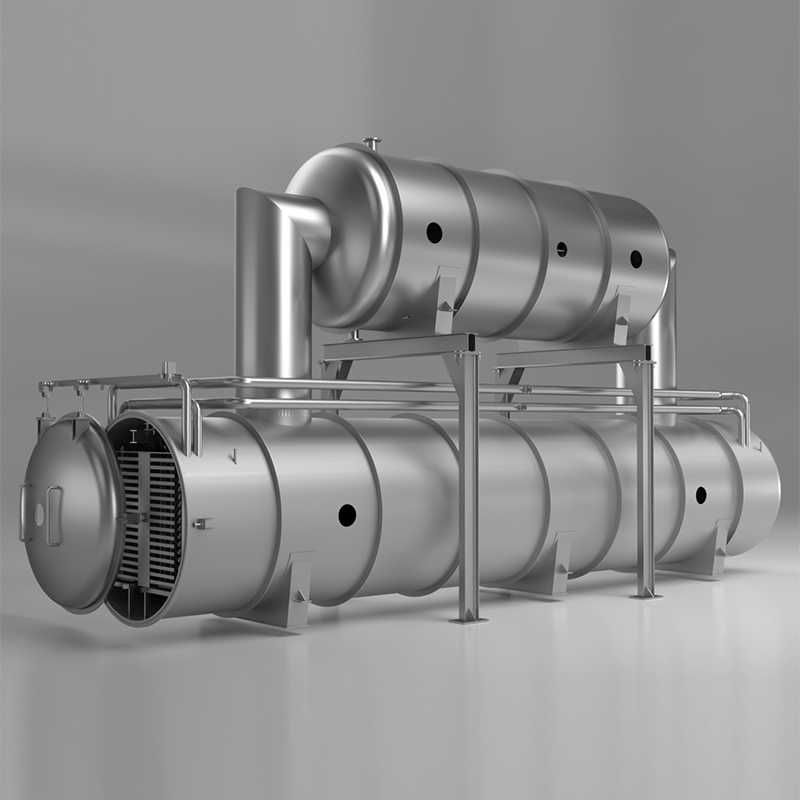
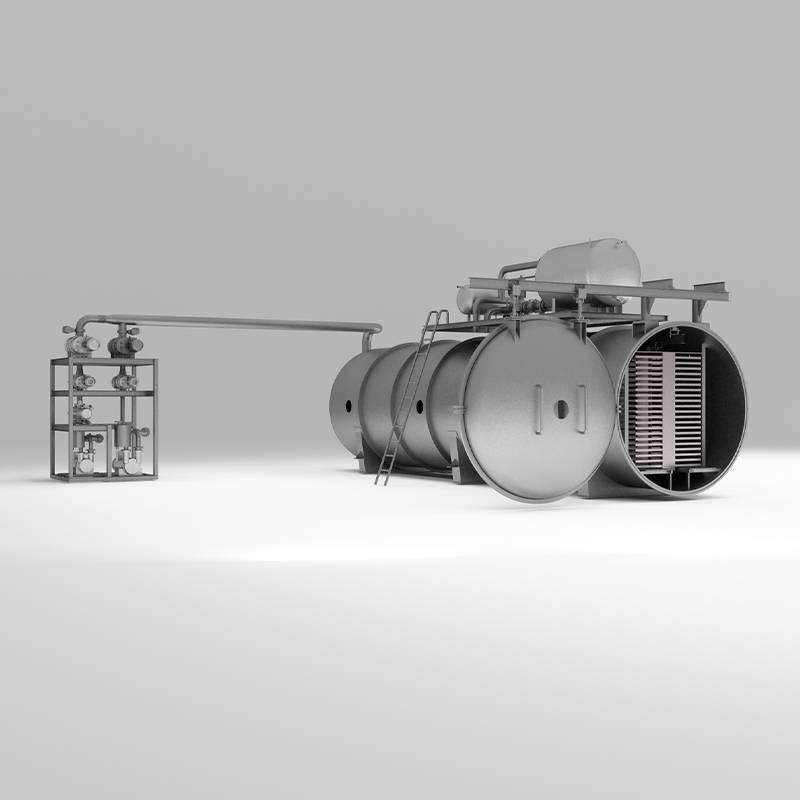 Custom Vacuum Freeze Dryer for Fruits and Vegetables Suppliers, OEM/ODM Factory Sieno Freeze-drying Technology Research Institute (Jiangsu) Co., Ltd is China Vacuum Freeze Dryer for Fruits and Vegetables Suppliers and...View Product →
The beverage segment tells a similar story. Freeze-dried coffee is the classic proof of the technology: the volatile aromatic fraction, which normally disappears at dehydration temperatures, survives the sublimation process. A dedicated coffee freeze-drying equipment line is designed around very thin frozen slabs and precise thermal control, so the brewed flavour profile carries through to the instant product.
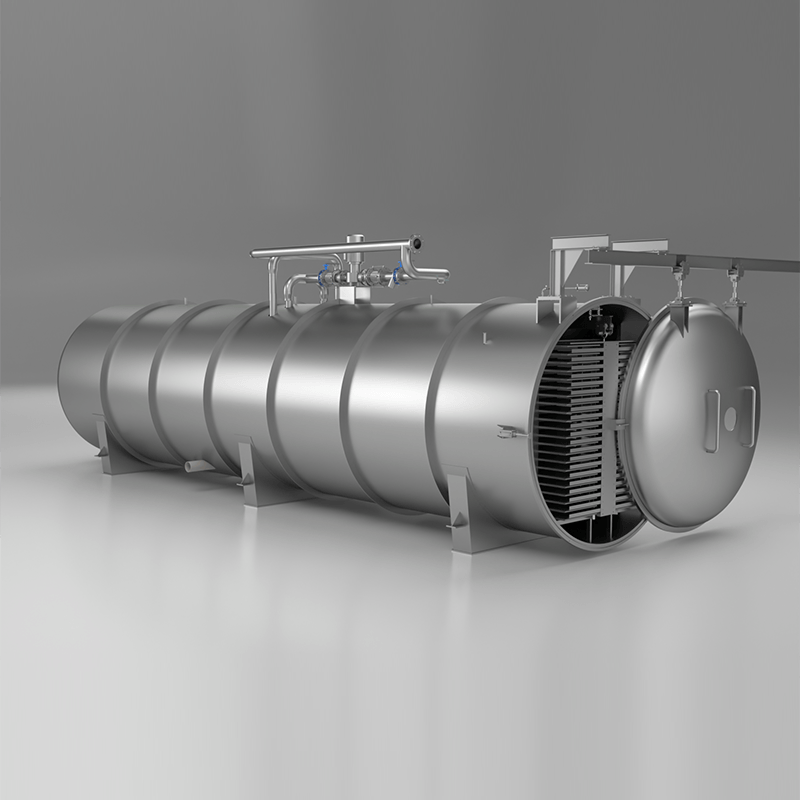
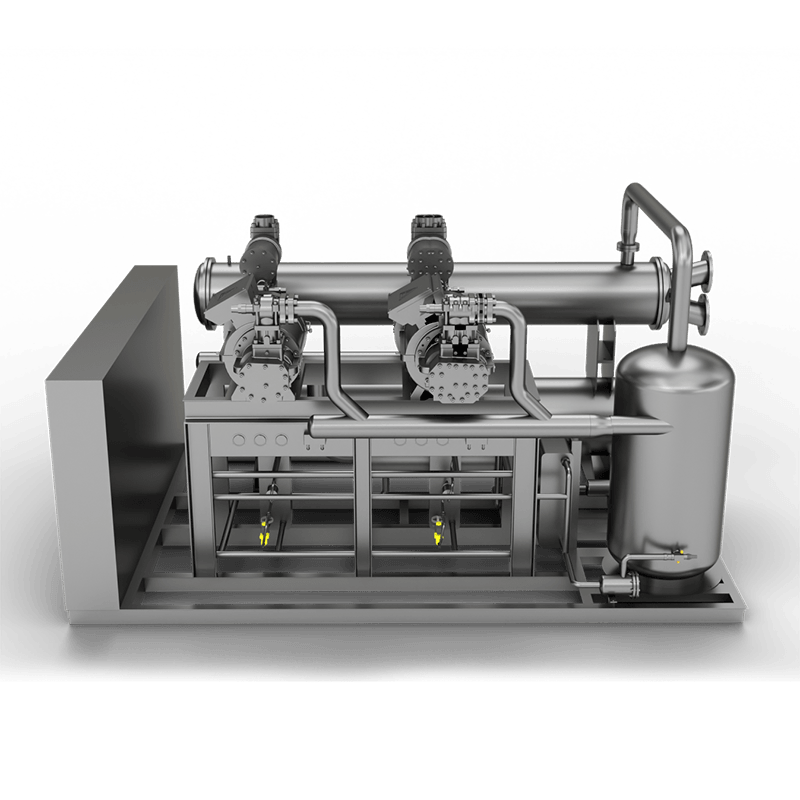 Custom Coffee Freeze-Drying Equipment Suppliers, OEM/ODM Factory - Sieno Freeze-Sieno Freeze-drying Technology Research Institute (Jiangsu) Co., Ltd is China Coffee Freeze-Drying Equipment Suppliers and OEM Factory, d...View Product →
Lyophilizers cost more to buy, more to run, and more to maintain. The energy demand is typically two to three times higher than a dehydrator for the same water load, because you must freeze the product, pull vacuum, and keep the condenser cold throughout the cycle. However, the per-kilogram cost falls sharply as batch size grows, so the economics look very different at 50 kg per batch versus 500 kg.
Modern designs reduce that operating penalty. Advanced ice condenser technology captures vapour more efficiently and shortens the drying time, while whole-factory planning can reduce utility peaks. Energy-saving lyophilization plant designs combine heat recovery and smarter refrigeration staging to cut the cost per batch before you ever switch the machine on.
Do not forget packaging. A freeze-dried product has almost no moisture and must be protected from oxygen and humidity with high-barrier materials. In practice, most producers run nitrogen-flush sealing immediately after the dryer unloads, using freeze-dried food packaging lines sized to match the dryer's output. Food-safety guidance for freeze-dried products is consistent on one point: verify residual moisture before sealing. If a batch leaves the chamber above its target moisture range, even high-barrier packaging will not guarantee stability. Budget for vacuum pumps, refrigeration compressors, validation, and routine cleaning in addition to the machine price.
Freeze drying is a process technology, not a plug-and-play machine. The freezing rate, shelf temperature, vacuum level, and drying endpoints must be developed for each recipe. Most producers start with pilot trials to confirm cycle time, residual moisture, and product quality, and only then move to industrial capacity.
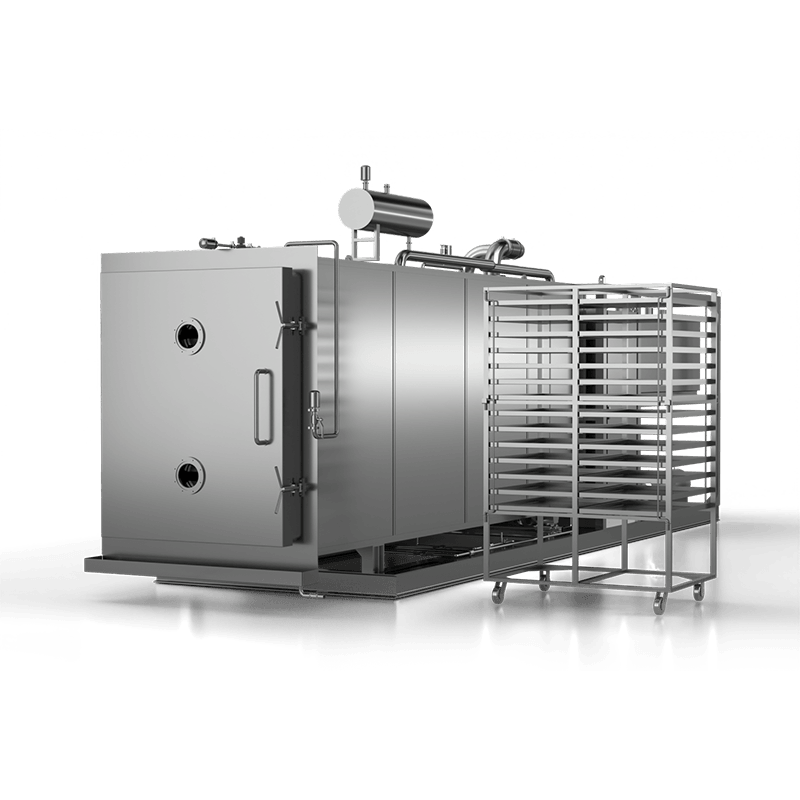
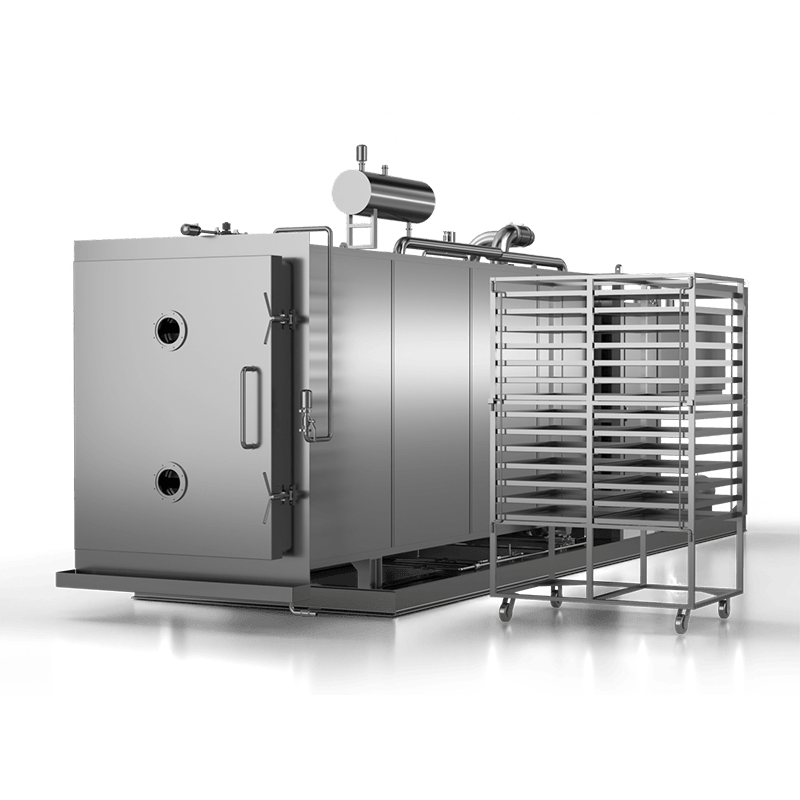
This is where one-stop freeze drying equipment matters. The same supplier can provide cleaning, cutting, pre-treatment, drying, and packaging equipment, so the whole line is balanced around the dryer's batch cycle rather than assembled from mismatched machines. When output reaches hundreds of kilograms per day, a 1200 kg industrial freeze dryer with automated loading and unloading becomes the core of the line, supported by upstream preparation and downstream packaging equipment that match its cycle time.
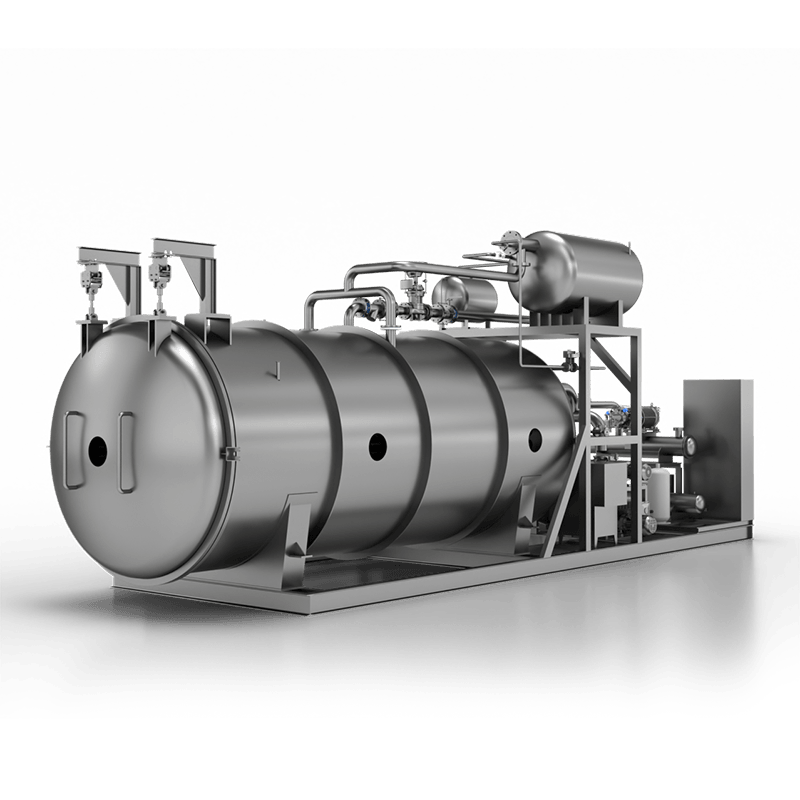
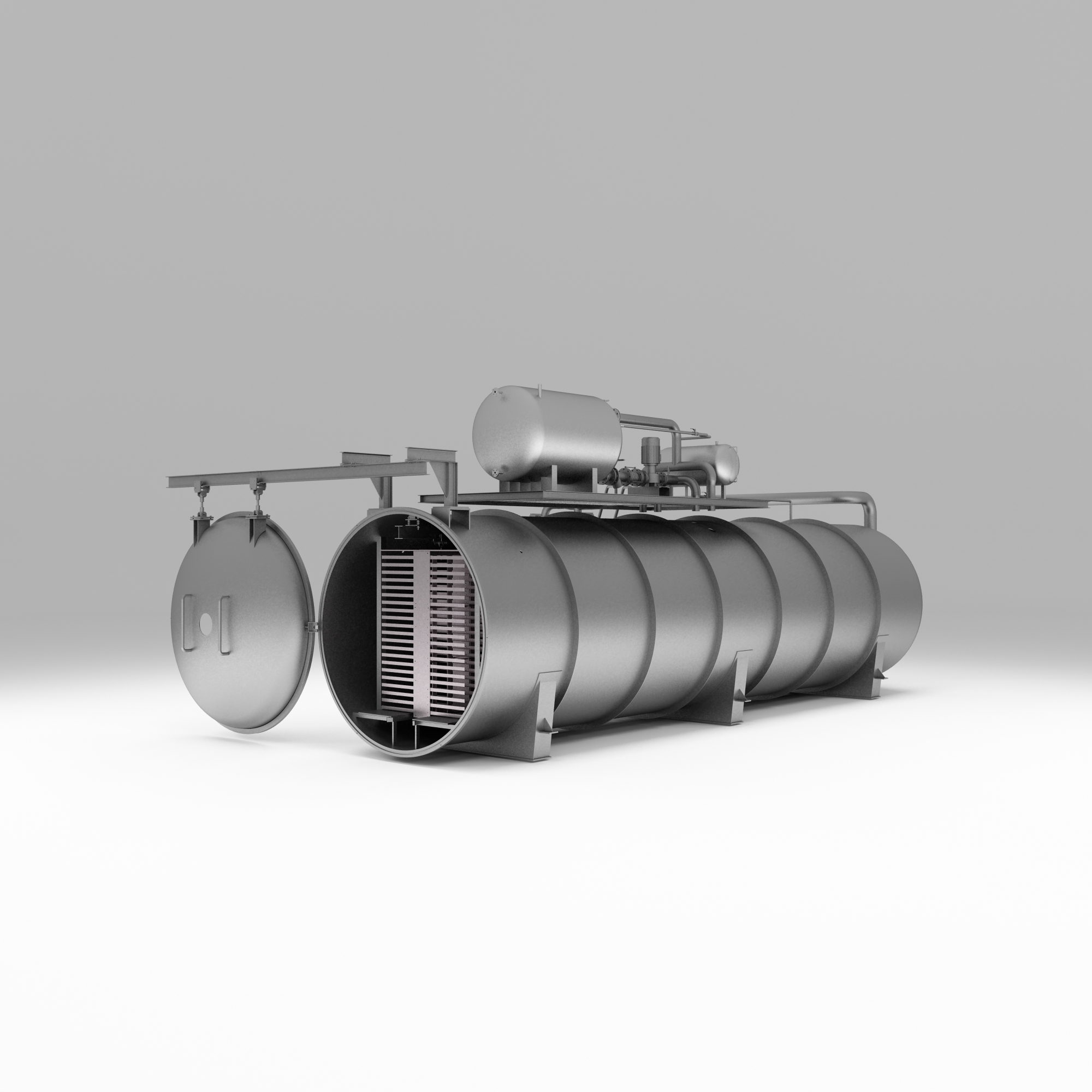 Custom 1200kg Large-Scale Industrial Freeze Dryer – High Efficiency Vacuum LyophSieno Freeze-drying Technology Research Institute (Jiangsu) Co., Ltd is China 1200kg Large-Scale Industrial Freeze Dryer – High Efficienc...View Product →
Freeze dryers and dehydrators are not competing versions of the same machine. They serve different product strategies. If you sell texture, taste, nutrition, and instant rehydration at a premium, choose a lyophilizer. If you sell a simpler product where cost and speed dominate, dehydration can be acceptable.
Before deciding, run the calculation on your own recipe: final moisture target, batch weight, water load, energy cost, packaging cost, and achievable selling price. Do that with real numbers, and the right choice becomes clear. The best decision is the one that matches the technology to the product you are actually selling.


Sieno's whole series of freeze-drying equipment, covering the experimental research to the industrial scale, is energy efficient, stable, and reliable, with flexible customization as the core, to production, optimization of process, and multiple fields with green manufacturing solutions.
Sieno, based on the research of intelligent freeze-dried food, provides with custom process for the whole chain of freeze-dried technology support (including pretreatment, freeze-dried, and packaging), helping enterprises realize multiple improvements in efficiency, quality, and environmental protection.
Equiment & Soiution
Food Industry Pharmaceuticals Industry Agricultural Industry Pet Industry Beauty Care Industry Chemical Engineering & Laboratory Environmental Protection & Circular EconomyContact Info.
 +86 18068757376
  bolaike@jsblk.com
  Zhenglu Town, Tianning District, Changzhou City, Jiangsu Province, China
Follow Us
Copyright ©
Sieno Freeze-drying Technology Research Institute (Jiangsu) Co., Ltd
All Rights
Reserved
Custom One-Stop Freeze Drying Equipment Suppliers